
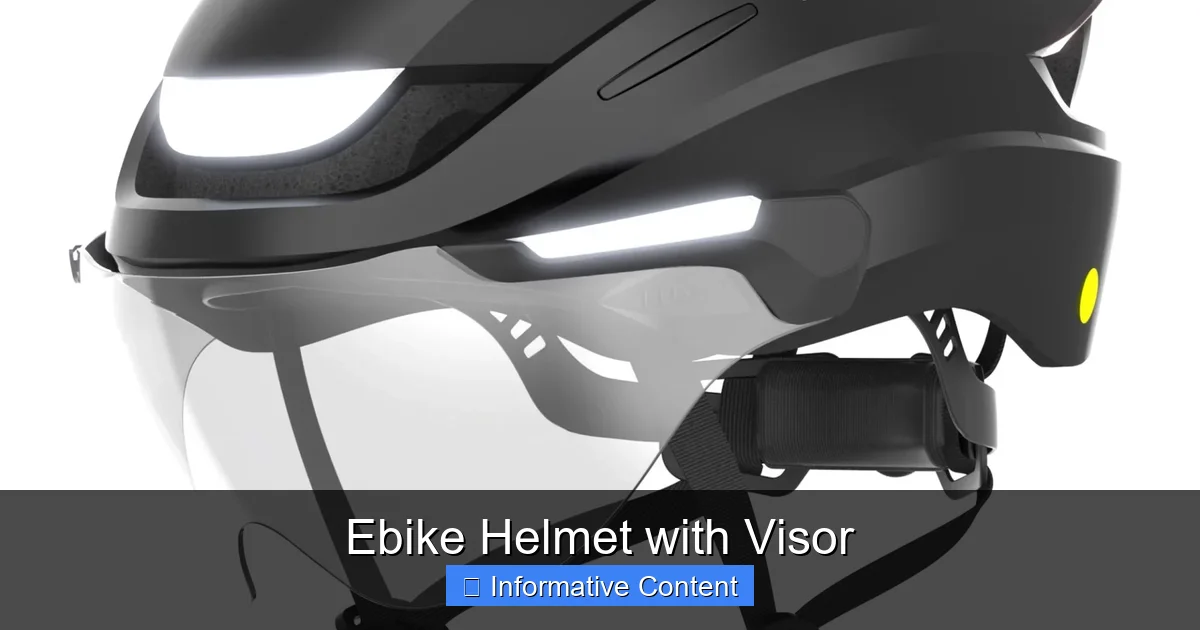
An ebike helmet with visor is a practical choice for riders who want better wind, glare, and debris protection without adding separate eyewear. The best one is certified, fits securely, and matches your riding conditions, glasses use, and budget.
An ebike helmet with visor is more than a style choice. For many riders, it solves the everyday problems that show up once speed, wind, glare, and traffic become part of the ride.
Compared with a standard bike helmet, a visor can make commuting and city riding feel calmer and more practical. The best choice still depends on fit, visibility, comfort, and certified protection, so it helps to compare features carefully and check the product manual or ask a qualified professional when needed.
- Fit first: A stable, snug helmet matters more than style.
- Choose the right visor: Clear for night, tinted for bright daytime rides.
- Check compatibility: Make sure it works with glasses or masks if needed.
- Look for certification: Visors add comfort, not crash protection.
What an Ebike Helmet with Visor Actually Solves for 2026 Riders
E-bike riders often travel faster than casual cyclists, which means more wind hitting the face and eyes. A visor helps block that wind while also reducing glare from low sun, reflective glass, and bright pavement.
That matters because the ride experience changes when you are covering longer distances or moving through traffic. A helmet that keeps your eyes more comfortable can help you stay focused on the road ahead.
Why e-bike speeds, wind, and city glare make visor helmets more practical than standard bike helmets
Standard bike helmets protect the head, but they do not do much for eyes or face comfort. On an e-bike, the extra speed can make wind sting your eyes, dry them out, or make it harder to keep a steady view.
City glare can be just as annoying. Morning and evening commuters often deal with sun angles that make sunglasses useful, but a visor can offer broader coverage and fewer pressure points than some eyewear setups.
Who benefits most: commuters, delivery riders, older riders, and year-round urban cyclists
Daily commuters usually benefit because they want one piece of gear that handles wind, light, and light rain. Delivery riders may value quick visibility changes and easier face protection during repeated stops.
Older riders often appreciate clear sightlines and simple gear that reduces the need to juggle separate glasses and headwear. Year-round urban cyclists may also like the added comfort in mixed weather, especially when conditions change during the ride.
Key Features to Look for in an Ebike Helmet with Visor
Not every visor helmet is built the same. Some focus on commuter convenience, while others lean toward full coverage, premium optics, or better all-day comfort.
Visor coverage, tint options, and anti-fog performance
Start with how much of the face the visor covers. A larger visor may block more wind and debris, while a smaller one can feel lighter and less bulky.
Tint matters too. Clear visors are best for low light and night riding, while lightly tinted options help in bright daytime conditions. Anti-fog features are worth paying attention to if you ride in cool air, rain, or stop-and-go traffic.
Visor performance can vary a lot by model. If fogging, tint, or scratch resistance is important to you, check the brand guidance and product manual before buying.
Ventilation, weight, and all-day comfort for longer e-bike rides
Comfort becomes more important when the ride lasts longer than a quick errand. Good ventilation helps reduce heat buildup, especially for riders who commute in warm weather or climb hills.
Weight also matters. A helmet that feels fine for ten minutes may become tiring after an hour. If you plan to ride often, prioritize a balanced helmet that does not feel front-heavy once the visor is down.
Fit system, retention dial, and compatibility with glasses or prescription eyewear
A secure fit is one of the most important parts of helmet choice. Look for a retention dial or adjustment system that lets you fine-tune the fit without squeezing your forehead.
If you wear glasses, make sure the visor does not push the frames into your face. Prescription eyewear compatibility can vary, so test the helmet with your glasses if possible or review the sizing guidance carefully.
- Helmet sits level and snug, not tilted back
- Visor clears your glasses without pressure
- Retention dial adjusts smoothly
- Straps stay flat and comfortable
Safety certifications and what they mean for e-bike use
Safety certification is not optional. A visor may improve comfort, but it does not replace proper impact protection or a well-built helmet shell.
Look for certifications that match your region and riding style. If you are unsure what a label means, check the product manual, brand guidance, or a qualified professional, especially if you ride at higher speeds or in traffic.
A visor helmet should never be chosen for looks alone. If the helmet is not certified, does not fit well, or feels unstable at speed, it is not the right choice for e-bike use.
Best Use Cases: When a Visor Helmet Is Better Than Goggles or Sunglasses
Goggles and sunglasses still have a place, but a visor helmet can be simpler for riders who want one integrated solution. That simplicity is often the main reason people switch.
Morning commute glare, wind protection, and sudden weather changes
Morning riders often deal with low sun, cool air, and changing light. A visor can reduce the need to switch between glasses and no glasses as conditions change.
It also helps with wind protection. If you ride early or late in the day, the visor can make the trip feel less harsh without requiring extra accessories.
Rain, dust, insects, and debris on mixed urban and suburban routes
On mixed routes, the face gets exposed to more than sunlight. Rain spray, dust, bugs, and small bits of road debris can all become annoying on an e-bike.
A visor gives a useful buffer, especially when traffic is close or road shoulders are imperfect. It is not full face protection, but it can improve everyday ride comfort in a practical way.
Night riding considerations and why clear visors matter after dark
Night riding changes the rules. Dark tints can reduce visibility when light levels are already low, so a clear visor is usually the safer choice after dark.
If you ride at night, make sure the helmet does not block your peripheral vision. Follow local lighting rules and the product manual, and avoid any visor that makes it harder to see cars, cyclists, or pedestrians.
Many riders find that a clear visor is more useful than a tinted one because it can stay on for more of the day, especially during early commutes and evening rides.
Common Mistakes Buyers Make When Choosing an Ebike Helmet with Visor
Buying the wrong helmet usually comes down to rushing the decision. Comfort and visibility matter just as much as appearance, and sometimes more.
Choosing style over fit and ending up with poor stability at higher speeds
A helmet that looks sleek but shifts around on the head can be distracting and unsafe. E-bike speeds can make small fit problems feel much bigger.
If the helmet rocks, pinches, or slides when you move your head, keep looking. Stability should be tested with the visor up and down, because the added front piece can change balance.
Ignoring visor tint, scratch resistance, and replacement availability
Some buyers focus on the shell and forget the visor itself. That is a mistake if you expect to use the helmet daily.
Scratches can build up quickly, especially for commuters. It is smart to check whether replacement visors are available and whether the lens coating is meant for repeated use.
Overlooking ventilation in helmets designed for short rides only
A helmet that works for a five-minute ride may feel too warm on longer trips. Poor airflow can become a real problem in summer or on hilly routes.
If your rides are longer than casual neighborhood loops, make ventilation a priority. Comfort affects whether you keep wearing the helmet consistently.
Assuming every visor helmet works well with glasses or face masks
Glasses compatibility is not automatic. Some visors sit too close to the face, while others create gaps that let air swirl and fog lenses.
Face masks can also interfere with fit and fog control. If you wear either one regularly, check the product manual or try the helmet on before committing.
Cost, Value, and What You Should Expect to Pay in 2026
Prices vary widely because visor helmets range from basic commuter models to premium designs with advanced features. The right value depends on how often you ride and what problems you want the helmet to solve.
Budget, mid-range, and premium visor helmet differences
Budget helmets usually cover the basics: certified protection, a simple visor, and standard fit adjustment. They may be fine for occasional use, but they often have fewer comfort extras.
Mid-range models tend to offer better ventilation, improved visor quality, and more refined fit systems. Premium helmets may add integrated lights, higher-end visor optics, or more polished materials.
When paying more makes sense: integrated lighting, MIPS-style protection, and premium visors
It can make sense to spend more if you ride every day or in traffic. Integrated lighting can improve visibility, while rotational-impact protection systems may be worth considering if they are part of the helmet’s certified design.
Premium visors can also offer better clarity, stronger scratch resistance, or easier replacement. Just remember that extra features should support safety and comfort, not replace them.
How to compare value based on comfort, durability, and daily-use convenience
Think about how the helmet will hold up over time. A durable shell, reliable visor mechanism, and comfortable pads can matter more than a long feature list.
Daily-use convenience also counts. If the visor is hard to raise, the strap is awkward, or the helmet is hot, you are less likely to use it consistently.
Practical Examples of the Right Helmet for Different Riders
The “best” ebike helmet with visor depends on the rider. A commuter, a weekend rider, and a delivery rider all have different needs.
Daily commuter in traffic: lightweight, clear visor, strong ventilation
Commuters usually benefit from a lightweight helmet with a clear visor and good airflow. That setup helps with glare, traffic visibility, and comfort during repeated weekday rides.
If you ride in changing light, a helmet that works well with glasses and has easy visor handling can make mornings less stressful.
Weekend leisure rider: comfort-first design with adjustable tint
Leisure riders may care more about comfort than speed of use. A softer fit system, better padding, and adjustable tint can be useful for longer relaxed rides.
If your rides vary between shaded paths and open roads, a visor with flexible light control may be more practical than a fixed dark lens.
Delivery or cargo rider: durable shell, better coverage, and easy visor handling
Delivery and cargo riders often need gear that can handle frequent use. A tougher shell, stable fit, and easy visor movement can help when you stop and start many times a day.
Better coverage may also be useful when riding through traffic, construction zones, or weather that changes quickly. For heavy daily use, durability should be a top priority.
Expert Guidance and Safety Warnings Before You Buy
A visor helmet can improve comfort, but safety still starts with the helmet structure itself. Do not let convenience distract you from the basics.
Why a visor does not replace proper impact protection or certified construction
The visor protects the face from wind and debris, not from a serious crash. The helmet shell, liner, and retention system are what matter most in an impact.
If a helmet is not certified for your region or riding type, move on. For any uncertainty about safety standards, check the product manual or ask a qualified professional.
If you have a history of head injury, balance concerns, vision problems, or neck pain, ask a doctor or qualified professional which helmet setup is safest for you.
How to test fit at home and spot red flags like pressure points or visor wobble
At home, put the helmet on and wear it for several minutes. It should feel snug but not painful, and it should stay level when you move your head.
Watch for pressure points, loose straps, or a visor that rattles. Those are signs that the helmet may not be right for longer rides.
Place it low on the forehead, not pushed back, and adjust the dial until it feels stable.
Raise and lower the visor several times to make sure it moves smoothly without wobble.
Test with prescription eyewear, a face covering, or both if that is how you normally ride.
When to replace a helmet after a crash, UV wear, or visor damage
Replace the helmet after any meaningful crash, even if the damage is not obvious. The protective materials can be compromised in ways you cannot see.
Also replace it if the visor becomes badly scratched, cracked, or loose, or if the shell shows wear from sun and age. Follow the product manual, brand guidance, or a qualified professional when deciding whether replacement is needed.
Final Recap: Choosing the Best Ebike Helmet with Visor for Your Ride
The best ebike helmet with visor is the one that fits well, protects properly, and matches the way you actually ride. For many people, that means balancing comfort, visibility, and everyday convenience instead of chasing the most expensive option.
Quick decision checklist for comfort, safety, visibility, and value
- Choose certified protection first
- Match visor type to your light conditions
- Prioritize fit, ventilation, and stability
- Check glasses compatibility before buying
- Replace worn or damaged helmets on time
Closing takeaway for ProKingsEdge readers on matching helmet features to real riding needs
If your rides involve wind, glare, traffic, or changing weather, a visor helmet can be a smart upgrade. Keep the focus on fit, safety, and daily comfort, and you will be much more likely to choose a helmet you trust every time you ride.
Common Questions
What does an ebike helmet with visor do?
It helps block wind, glare, and light debris while you ride. That can make commuting and longer e-bike trips more comfortable.
Is a clear visor better than a tinted visor?
Clear visors are usually better for low light and night riding. Tinted visors are more useful in bright daytime conditions.
Can I wear glasses with a visor helmet?
Often yes, but it depends on the helmet shape. Try it on with your glasses or check the product manual before buying.
Do visor helmets replace sunglasses?
Sometimes they can, especially for commuting. But some riders still prefer sunglasses for a lighter feel or more lens options.
Should I replace the helmet after a crash?
Yes, in most cases. Follow the product manual or ask a qualified professional if you are unsure about hidden damage.
Frequently Asked Questions
Why choose an ebike helmet with visor instead of sunglasses?
A visor can block wind, glare, and light debris without needing separate eyewear. It is often more convenient for commuting and mixed-weather rides.
Do visor helmets work well with glasses?
Some do, but fit varies by model. Check the product manual or try the helmet with your glasses to make sure the visor clears the frames comfortably.
Is a visor helmet safer than a regular bike helmet?
Not automatically. Safety depends on certified construction, proper fit, and a secure retention system; the visor mainly adds comfort and face protection from the elements.
What visor is best for night riding?
A clear visor is usually best after dark because it does not reduce already limited light. Avoid dark tints at night unless the product guidance says otherwise.
How do I know if the helmet fits correctly?
It should sit level, feel snug, and stay stable when you move your head. If it causes pressure points, slips, or wobbles, it is not the right fit.
When should I replace an ebike helmet with visor?
Replace it after a crash, if the shell or visor is damaged, or if the helmet shows significant wear. Follow the product manual, brand guidance, or a qualified professional if you are unsure.

Leave a Reply