
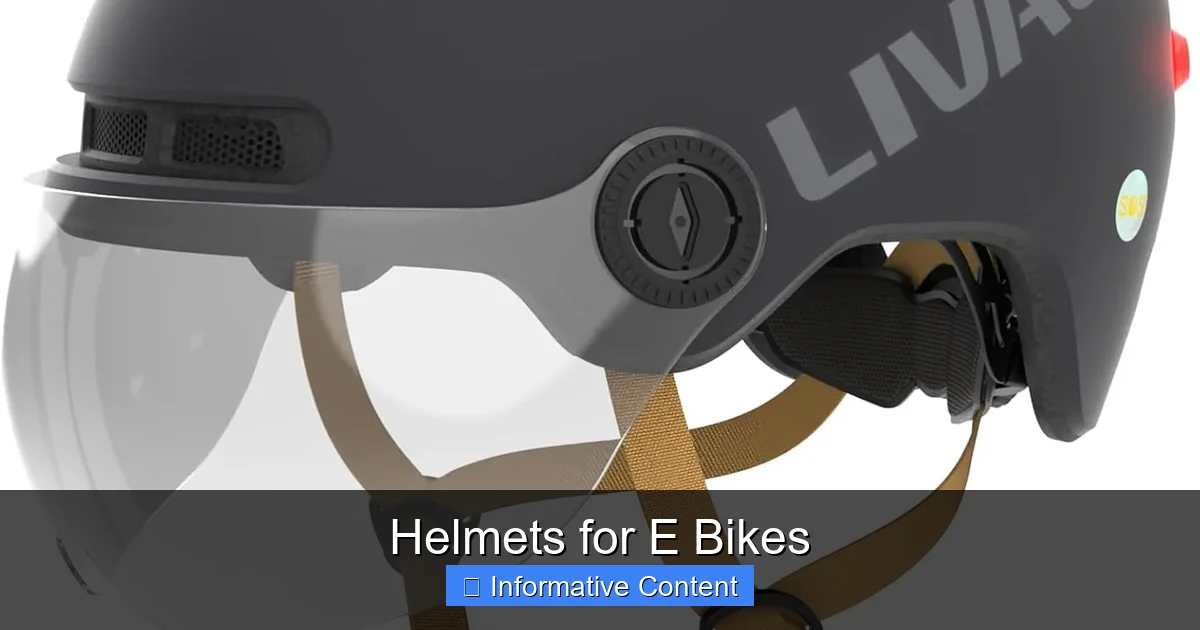
E-bike helmets should be chosen by riding speed, terrain, fit, and safety certification—not just style. For faster or more demanding riding, look for clearer protection standards and features that improve comfort and visibility.
Choosing helmets for e bikes is not quite the same as buying a basic bike helmet. E-bikes can move faster, create different crash risks, and put riders in situations where extra coverage or a better safety standard may matter more than style alone.
- Match the ride: Commuting, cargo, and trail use can call for different helmet designs.
- Check the label: Look for clear certification, not vague safety claims.
- Fit comes first: A helmet only helps if it sits snugly and stays in place.
- Useful extras matter: Lights, visors, and MIPS can improve everyday safety and comfort.
What Makes E-Bike Helmets Different from Regular Bike Helmets
E-bike riders often travel at higher average speeds than traditional cyclists, especially on open roads, hills, or during faster pedal-assist use. That changes the kind of impact a helmet may need to handle, because even a small increase in speed can raise crash force and the chance of more serious injury.
Speed, impact, and crash scenarios unique to e-bikes
With e-bikes, falls may happen at traffic-light starts, in tight urban turns, or while braking suddenly at a higher speed than a normal city bike. A helmet that works fine for casual riding may still be legal, but it may not offer the level of coverage or impact management many e-bike riders want.
A helmet can reduce risk, but it cannot prevent all head injuries. If you have a crash, head pain, dizziness, confusion, or vision changes, get medical help right away and follow the product manual or ask a qualified professional if you are unsure about helmet damage or replacement.
Why commuter, cargo, and off-road riders need different protection levels
Commuters often need a balance of safety, visibility, and comfort for daily wear. Cargo-bike riders may want more coverage because they are carrying heavier loads or riding with children, while off-road e-bike riders usually face bumps, loose surfaces, and the chance of a harder fall.
That is why the best helmet depends on how you ride. A lightweight commuter helmet may be enough for short, low-risk trips, but a faster rider or someone on mixed terrain may want a model with extended protection and stronger certification.
How to Choose the Right Helmet for Your E-Bike Riding Style
The right helmet starts with your normal riding pattern, not just your bike type. Think about where you ride, how fast you usually go, and whether you want maximum airflow, more coverage, or extra features like lights and visors.
Urban commuting and stop-and-go traffic
For city riding, choose a helmet that is easy to wear every day, fits securely, and has enough ventilation for warm weather. Commuters often benefit from reflective details, a visor for sun glare, and a shape that does not feel bulky when stopping often.
If you ride in traffic, look for a helmet that stays stable when you look over your shoulder. A helmet that shifts around can be distracting, even if it has the right safety label.
Long-distance riding and higher-speed pedal assist use
If you ride farther or use higher pedal assist more often, comfort becomes just as important as protection. A helmet that is too hot, too heavy, or too loose may end up sitting at home instead of going with you.
For these riders, a more secure retention system, better padding, and possibly a higher-coverage design can be worth it. Check the product manual, brand guidance, or a qualified professional if you are unsure whether a helmet is suitable for your speed and route.
Trail, gravel, and mixed-surface e-bike riding
Trail and gravel riding can bring sudden changes in traction, dust, rocks, and branches. A standard commuter helmet may still be usable in some cases, but many riders prefer more coverage, a visor, and a shape that stays in place during rougher movement.
If your e-bike is used on steep trails or faster off-road sections, consider whether a full-face or extended-coverage helmet is more appropriate. The right choice depends on the terrain, the bike’s speed, and your comfort level with added weight.
Safety Certifications and What to Look for in 2026
Safety labels matter because they show whether a helmet was built and tested to a recognized standard. For e-bike helmets, the label is one of the first things to check before you compare colors, vents, or price.
Understanding CPSC, EN 1078, and NTA 8776 standards
CPSC is the common U.S. bicycle helmet standard. EN 1078 is widely used in Europe for bicycle and skate-type helmets, while NTA 8776 is designed with higher-speed e-bike use in mind and typically allows for more coverage than a basic bike helmet.
Standards can vary by region and by product model. Always check the exact certification printed on the helmet and confirm it matches your local rules and your riding use.
When a standard bike helmet is not enough
A standard bike helmet may be fine for slower rides, short errands, or casual neighborhood use. But if you regularly ride a faster pedal-assist bike, carry cargo, or travel in busy traffic, you may want a helmet built for stronger impact scenarios and better rear or side coverage.
That does not mean every e-bike rider needs the most expensive helmet available. It does mean the helmet should match the way you actually ride, not just the way you hope to ride.
Expert warning: avoiding helmets with vague or outdated safety claims
Be careful with helmets that use vague phrases like “advanced protection” without naming a real standard. Also watch for old stock or outdated claims that do not clearly state the current certification, model year, or intended use.
If the packaging, label, or product page does not clearly explain the helmet’s certification, treat that as a warning sign. When in doubt, check the product manual, brand guidance, or a qualified professional before buying.
Fit, Ventilation, and Comfort Features That Actually Matter
A helmet can only protect you well if you actually wear it. That makes fit, comfort, and heat control more important than many shoppers expect, especially for daily e-bike use.
How to measure head size and get the right fit
Use a soft tape measure around the widest part of your head, usually just above the eyebrows and ears. Then compare that number to the brand’s size chart, because helmet sizing is not always the same from one company to another.
The helmet should sit level, not tilted back, and it should feel snug without pressure points. If it moves too easily when you shake your head, it is probably too large or not adjusted correctly.
- Helmet sits level on the head
- No painful pressure spots
- Straps form a secure V under the ears
- Chin strap is snug but not tight
Dial systems, straps, and retention adjustments
Many modern helmets use a rear dial to fine-tune the fit. That can help a lot for commuters who wear glasses, ride in different weather, or want a quick adjustment before heading out.
Straps matter too. If the straps are poorly positioned, even a good helmet may shift during a fall. Follow the product manual for proper setup, and ask a qualified professional if the fit is confusing or uncomfortable.
Ventilation trade-offs for warm-weather commuting
More vents usually mean better cooling, but sometimes less coverage or a slightly different shell shape. For warm-weather riders, airflow can make the difference between wearing the helmet every day and leaving it on a shelf.
Still, do not choose ventilation alone. A cooler helmet that fits poorly or lacks the right certification is not a good trade. The goal is balanced protection and comfort.
Useful Helmet Features for E-Bike Riders
Some features are genuinely useful for e-bike riders, while others are mostly cosmetic. Focus on features that improve safety, visibility, or day-to-day convenience.
MIPS and other rotational impact protection systems
MIPS and similar systems are designed to help reduce rotational forces in some crash types. In simple terms, they aim to let the helmet move slightly during certain angled impacts.
That can be helpful, but it is not a magic shield. A helmet with rotational protection still needs the right size, the right certification, and correct strap adjustment.
Visors, integrated lights, and reflective details
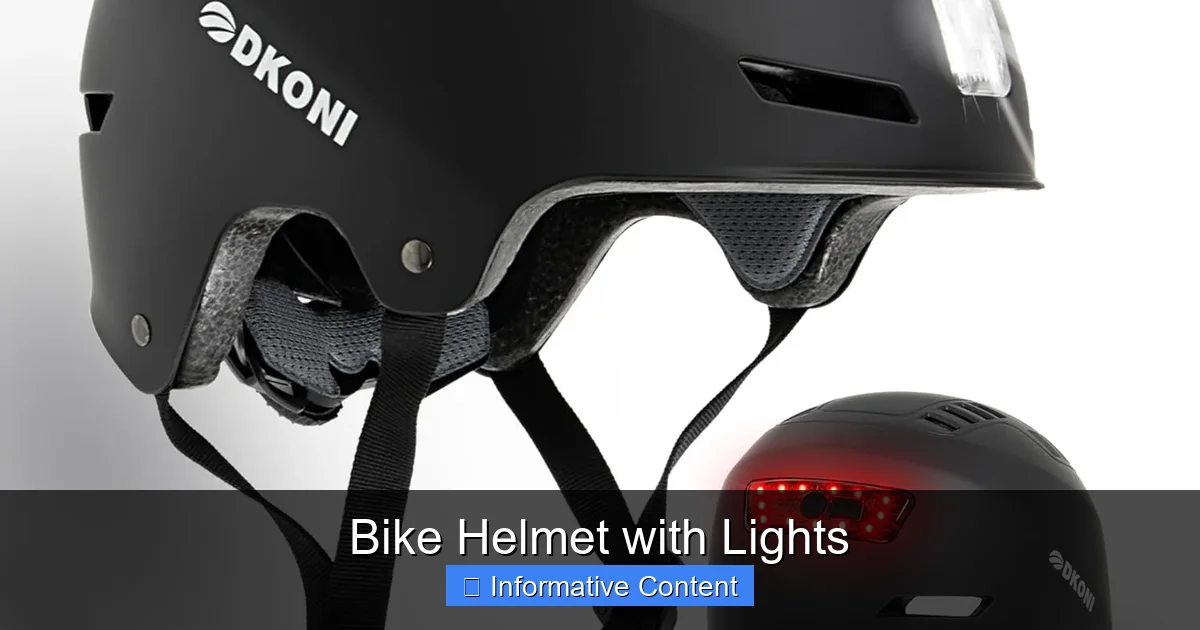
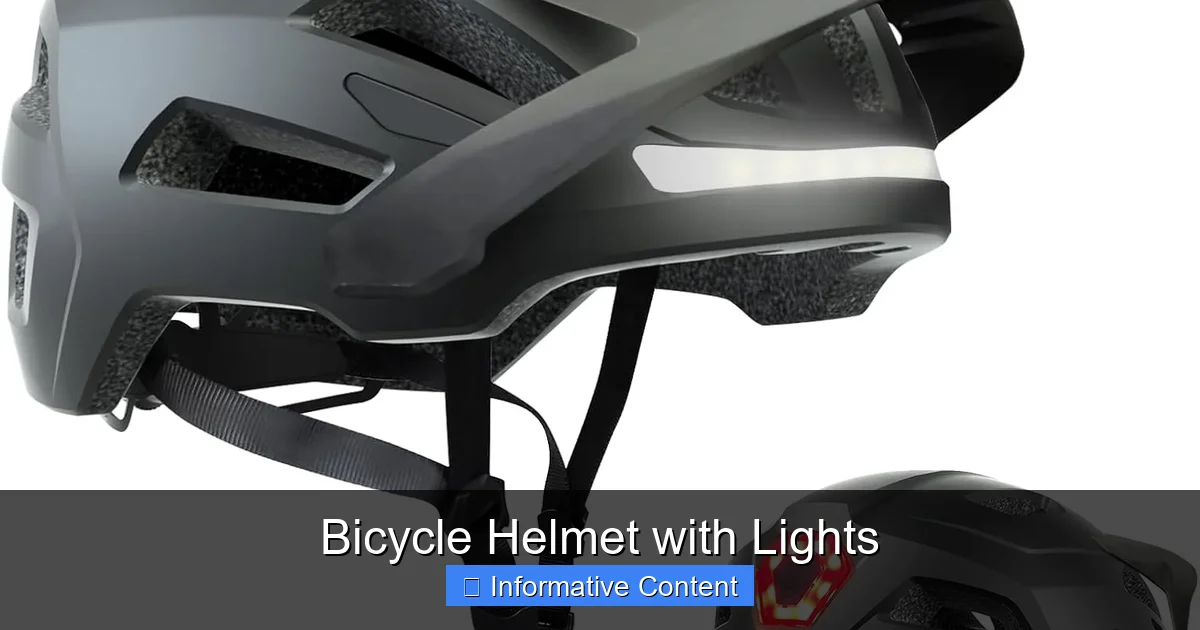
A visor can help with sun glare, rain, and low branches on trails. Integrated lights and reflective details can also improve visibility, especially for commuters riding in early morning or evening traffic.
Visibility features do not replace bike lights or reflective clothing. They work best as a backup layer, not your only safety plan.
Full-face and extended-coverage options for faster e-bikes
Full-face helmets are more common for aggressive trail riding and faster off-road use. They can offer added chin and face protection, but they are usually heavier and warmer than standard commuter helmets.
Extended-coverage helmets sit between a basic bike helmet and a full-face model. They may be a practical middle ground for riders who want more protection without going all the way to a motocross-style design.
Price Range and Value Comparison: Budget vs Premium Helmets
Helmet pricing can be confusing because more money does not always mean better fit for your needs. The best value is the helmet that matches your riding style, fits well, and has the right safety label.
What you can expect in the $50-$100 range
In this range, you can often find solid commuter helmets with basic comfort features and recognized certifications. Some models may include adjustable fit systems, decent ventilation, and simple reflective details.
The trade-off is usually fewer premium materials, fewer extra features, and less specialized coverage. For casual riders, this range may be enough if the fit and certification are right.
Mid-range options for daily riders
Mid-range helmets often offer a better balance of comfort, finish quality, and useful features. Daily riders may appreciate improved padding, better retention systems, and stronger visibility features for city use.
When premium features are worth the extra cost
Premium helmets can be worth it if you ride often, sweat heavily, want better airflow, or need more coverage for faster routes. Extra cost may also make sense if the helmet includes features you will use every day, such as better lights, a more secure fit system, or extended protection.
Even so, expensive does not automatically mean safer. Compare the certification, fit, and intended use first, then decide whether the added features justify the price.
Common Mistakes Riders Make When Buying Helmets for E Bikes
Many helmet problems come from simple buying mistakes, not from the helmet itself. A little attention before checkout can prevent regret later.
Choosing style over protection level
It is easy to pick the helmet that looks best on the shelf. But on an e-bike, appearance should come after fit, certification, and coverage.
A sleek helmet that does not suit your speed or riding style may be a poor choice, even if it looks modern. Safety should lead the decision.
Ignoring fit, age, and replacement timelines
Helmets can wear out from sun exposure, sweat, storage conditions, and minor knocks. Many brands suggest replacement after a crash or after a certain number of years, but the exact timeline can vary.
If your helmet is old, cracked, or has been in a fall, check the product manual or ask a qualified professional about replacement. If you get headaches, pressure points, or neck discomfort from wear, adjust the fit or try a different model.
Buying for looks without checking e-bike-specific certification
Some helmets are perfectly fine for casual biking but not ideal for faster e-bike use. If you ride a higher-speed pedal-assist bike, make sure the helmet’s certification matches that use case instead of assuming all bike helmets are the same.
If you have had a recent head injury, concussion, balance issue, or ongoing dizziness, speak with a doctor before returning to e-bike riding. Helmet choice matters, but medical clearance matters too.
Final Takeaway: The Best Helmet Choice Depends on Your E-Bike Use
The best helmets for e bikes are the ones that match your real riding habits. Start with certification, then focus on fit, coverage, ventilation, and features that make you more likely to wear the helmet every time.
Quick recap of the key buying factors
Commuters may prioritize comfort and visibility. Faster riders and cargo-bike users may want stronger coverage and e-bike-specific certification, while trail riders may need a more rugged shape or even full-face protection.
Practical next steps for safer riding in 2026
Measure your head, compare the size chart, and confirm the safety label before you buy. Then check the product manual, brand guidance, or a qualified professional if you are unsure about fit, replacement timing, or whether the helmet is right for your riding style.
For most riders, the smartest choice is not the most expensive helmet. It is the one you will wear consistently because it fits well, feels comfortable, and gives the level of protection your e-bike use really calls for.
Common Questions
Are e-bike helmets different from regular bike helmets?
They can be. E-bike riders often travel faster, so some helmets offer more coverage or standards designed for higher-speed use.
What is the most important thing when buying a helmet?
Fit is usually the most important factor after safety certification. A helmet that does not fit well will not protect or feel good to wear.
Do I need MIPS in an e-bike helmet?
It is not required, but many riders like the added rotational-impact feature. It should be seen as one helpful feature, not the whole safety solution.
Can I use a regular bike helmet on an e-bike?
Sometimes yes, especially for slower riding. For faster or more demanding use, a helmet with e-bike-specific certification may be a better match.
How often should I replace my helmet?
Replace it after any crash, or when the manufacturer says it is time. If you are unsure, check the product manual or ask a qualified professional.
Frequently Asked Questions
Do e-bike riders need different helmets than regular cyclists?
Not every rider needs a special helmet, but many e-bike users benefit from more coverage or a higher-speed certification. The best choice depends on how fast you ride and where you ride.
What does NTA 8776 mean?
NTA 8776 is a helmet standard associated with faster e-bike use in some markets. It is worth checking if you ride a speedier pedal-assist bike or want more coverage than a basic bike helmet.
Is a more expensive helmet always safer?
No. Price can reflect comfort, materials, or extra features, but safety still depends on certification, fit, and proper use. A mid-range helmet can be a smart buy if it matches your needs.
Should commuters choose a different helmet than trail riders?
Often yes. Commuters may want ventilation and visibility, while trail riders may prefer more coverage, a visor, or a sturdier shape for rough surfaces.
What helmet features help with visibility?
Reflective details, integrated lights, and bright colors can help other road users notice you. These features work best alongside proper bike lights and safe riding habits.
When should I ask a professional about helmet choice?
If you are unsure about fit, certification, replacement after a crash, or whether a helmet suits your riding style, check the product manual or ask a qualified professional. If you have a head injury or ongoing symptoms, talk to your doctor first.

Leave a Reply