
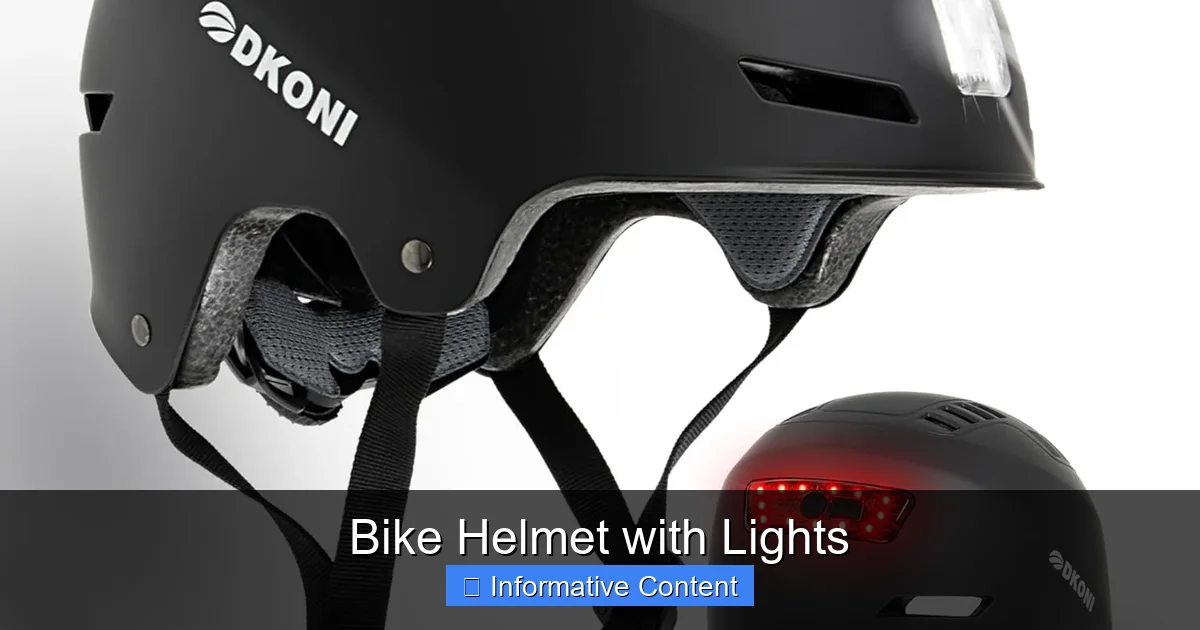
A bike helmet with lights can improve visibility for night riding, commuting, and low-light travel, but it should be used with bike-mounted lights and reflective gear. The best choice depends on fit, battery life, comfort, and how often you ride.
- Visibility first: Built-in lights help others notice you sooner in traffic and low light.
- Fit still matters: A lighted helmet must fit well to protect properly.
- Use layers: Keep using bike lights and reflective gear for full visibility.
- Check upkeep: Battery life, charging, and water resistance vary by model.
Common Questions
Is a bike helmet with lights worth it?
It can be worth it if you ride often in low light or want a simpler daily routine. It is especially useful for commuters who value convenience and extra visibility.
Do helmet lights replace bike lights?
No. Helmet lights help others see you, but bike lights are still needed to show your position and direction.
Are lighted helmets heavy?
Some are a little heavier than standard helmets, but weight varies by model. Comfort and fit matter more than a small difference in weight.
Can I use one for daytime riding?
Yes, but the benefit is usually smaller in bright daylight. Many riders save the feature for dawn, dusk, and night rides.
What should I check before buying?
Check fit, safety certification, battery life, charging type, and light placement. Review the product manual or ask a qualified professional if anything is unclear.
Frequently Asked Questions
What is the main advantage of a bike helmet with lights?
The main advantage is added visibility. It can help drivers and other riders notice you more easily in low-light conditions.
Should I choose flashing or steady light modes?
That depends on the model and your comfort level. Flashing modes may draw attention better, while steady modes can feel simpler for some riders.
Are integrated lights better than clip-on lights?
Integrated lights are more convenient for daily use because they are always attached. Clip-on lights may be better if you already own a good helmet and want flexibility.
What safety features matter most besides the lights?
Fit, safety certification, ventilation, and weight matter most. A helmet should be comfortable enough that you will actually wear it every ride.
Can I wear a lighted helmet in wet weather?
Sometimes, but water resistance varies by product. Check the brand guidance and product manual before using it in rain.
When should I ask a professional about my helmet?
Ask a qualified professional if you are unsure about fit, replacement after a crash, or whether a model suits your riding style. If you have head injury symptoms after a fall, see a doctor right away.
Leave a Reply