
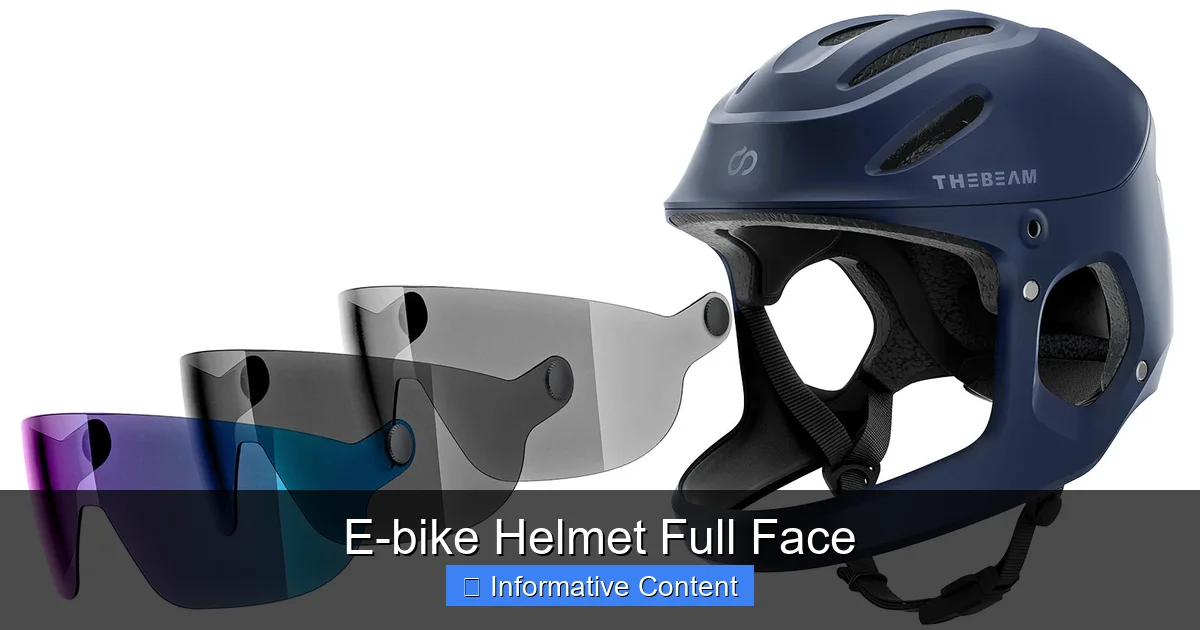
An e-bike full face helmet gives more coverage than a standard bike helmet, especially for riders in traffic, on trails, or at higher speeds. The best choice depends on fit, ventilation, certification, and how you actually ride.
An e-bike helmet full face model is built to give more coverage than a standard bicycle helmet, especially around the chin, jaw, and face. For riders who deal with higher speeds, heavier traffic, or rougher terrain, that extra coverage can make a real difference.
- Coverage matters: Full-face helmets protect the chin and jaw as well as the head.
- Fit comes first: A secure, comfortable fit is essential for real protection.
- Match the ride: Commuting, trail riding, and cargo use call for different features.
- Check the labels: Certification and intended use should be clear before you buy.
What an E-Bike Full Face Helmet Is and Why Riders Choose It in 2026
An e-bike full face helmet is a helmet that covers the top, sides, back, and front of the head, with a chin bar protecting the lower face. In 2026, more riders are choosing this style because e-bikes can accelerate quickly, hold speed longer, and expose riders to more traffic conflict than a regular neighborhood bike ride.
That does not mean every rider needs one. But if your e-bike use looks more like fast commuting, trail riding, or delivery work than casual cruising, the added protection may be worth the trade-offs in weight, airflow, and cost.
How full-face protection differs from standard bike helmets
Standard bike helmets mainly protect the top of the head and part of the sides. A full-face design adds a chin bar and more coverage around the face and jaw, which can matter in falls where the rider goes forward or lands on uneven ground.
The trade-off is that full-face helmets are often bulkier and warmer. Some riders prefer them for confidence and coverage, while others find them too heavy for slow, short rides. As always, check the product manual or brand guidance for the intended use of a specific helmet.
Why e-bike speeds and urban traffic change the safety equation
E-bikes often move faster than many people expect, and that changes reaction time, stopping distance, and crash impact. In busy streets, a rider may face car doors, blind turns, potholes, and sudden braking more often than a relaxed weekend cyclist.
Because of that, many riders look for more face and jaw protection than a basic helmet offers. The goal is not to turn cycling into motorcycling; it is to match the helmet to the real-world risk level of the ride.
Who Actually Needs an E-Bike Helmet Full Face Model
Not every e-bike rider needs a full-face helmet, but certain groups benefit more than others. The best choice depends on speed, terrain, traffic, and how often you ride.
Commuters riding in dense city traffic
City commuters deal with close passes, unpredictable drivers, and frequent stops. A full-face helmet can be a smart option if you ride at higher assist levels, travel in mixed traffic, or feel exposed at intersections.
For some riders, the extra protection also brings peace of mind. That said, if your commute is short and slow, a lighter helmet may be more comfortable day to day.
Off-road, trail, and mixed-surface riders
Trail riders and mixed-surface riders face rocks, roots, loose gravel, and sudden slips. These conditions raise the chance of forward falls and face-first impacts, which is why many off-road riders favor more coverage.
If your e-bike spends time on dirt, fire roads, or technical paths, a full-face model may fit the way you actually ride. Match the helmet to the terrain, and follow the product manual or ask a qualified professional if you are unsure about intended use.
High-speed cargo e-bike and delivery riders
Cargo e-bikes and delivery setups can be heavier and harder to maneuver quickly. Riders may also spend long hours in traffic, which increases exposure to repeated risk.
For these users, a full-face helmet can be a practical safety upgrade, especially when the route includes busy streets, frequent stops, or poor weather. Comfort still matters, because a helmet that feels miserable is less likely to be worn consistently.
Key Safety Features to Look for Before Buying
When shopping for an e-bike helmet full face model, focus on protection, fit, and usability. The best helmet is the one that balances safety with comfort enough to wear every ride.
Impact protection: MIPS, rotational protection, and modern shell construction
Many riders look for rotational protection systems such as MIPS or similar designs. These systems are intended to help reduce twisting forces in certain angled impacts, though they are not a guarantee against injury.
Shell construction also matters. Look for a solid outer shell, quality foam liner, and clear safety certification labels that match your region and riding style. If a label or claim is unclear, check the product manual, brand guidance, or a qualified professional before buying.
Ventilation, weight, and long-ride comfort
Ventilation is a big deal on an e-bike because riders may travel farther and spend more time in the helmet. More vents can help, but they should not come at the expense of weak coverage or poor structure.
Weight matters too. A lighter helmet is usually easier on the neck and more comfortable during long commutes. If you ride in hot weather, consider how airflow, padding, and visor shape will affect everyday use.
Visor design, chin bar strength, and field of vision
A visor can help with sun, rain, and debris, but it should not block your view. The best designs keep your line of sight open so you can look ahead, check mirrors if you use them, and scan traffic safely.
The chin bar should feel sturdy and well integrated, not flimsy or loose. If the helmet has a removable or convertible front section, confirm how it locks in place and whether that setup is meant for your type of riding.
Fit systems, padding, and retention straps that stay secure
Fit is one of the most important safety features. A helmet that moves around on your head can reduce protection and become distracting while riding.
Look for adjustable fit systems, decent padding, and straps that stay in position without pinching. The helmet should sit level, feel snug, and allow normal breathing and speaking without pressure points.
Try on a helmet with the same glasses, balaclava, or winter hat you plan to wear. Small fit changes can make a big difference in comfort and visibility.
How to Choose the Right Full Face Helmet for Your Riding Style
The right helmet depends on how, where, and how fast you ride. A commuter, trail rider, and delivery rider may all need different priorities even if they use the same e-bike.
Commuting vs. mountain e-bike vs. high-speed city riding
Commuters usually want a balance of coverage, airflow, and easy on-and-off use. Mountain e-bike riders often prioritize stronger face protection and impact coverage for rough terrain.
High-speed city riders may want something in between: enough protection for traffic exposure, but not so heavy that it becomes annoying during daily use. Think about your most common ride, not your rarest one.
Open-face convertible vs. fixed full-face designs
Convertible helmets can be useful if you want one setup for different rides. Some allow you to remove or raise the chin bar, which can improve airflow when conditions are calmer.
Fixed full-face helmets usually offer a simpler and more consistent protection setup. They may be the better choice if you want one dependable design and do not need to change modes often.
Convertible helmets can be convenient, but they are not always the same as a true full-face design in every configuration. Check the product manual and certification details carefully before relying on one for higher-risk riding.
Matching helmet coverage to speed, terrain, and weather
More speed and rougher terrain generally call for more coverage. Wet weather, cold wind, and long descents can also make a full-face helmet more appealing because they increase comfort and protection needs.
On the other hand, if your riding is slow, flat, and mostly separated from traffic, a lighter helmet may be enough. The best choice is the one that fits your real conditions, not just the most aggressive marketing claim.
Common Mistakes Riders Make When Buying an E-Bike Full Face Helmet
Many helmet problems come from choosing the wrong type, not just the wrong brand. A careful fit and realistic use case matter more than a flashy look.
Choosing downhill gear that is too heavy for daily commuting
Downhill helmets can offer strong protection, but some are too hot or heavy for everyday street riding. If you commute daily, that extra bulk may make the helmet less practical and reduce how often you want to wear it.
For many riders, the better choice is a helmet designed for e-bike or trail use rather than a pure downhill model. Comfort is part of safety if it helps you stay consistent.
Ignoring certification labels and safety standards
Do not assume every full-face helmet is equally suitable for e-bikes. Certification labels help show what the helmet was designed to do, but those labels can vary by region and product type.
If the packaging is vague or the claims sound too broad, slow down and verify the details. When in doubt, check the product manual, brand guidance, or a qualified professional.
Buying the wrong size or assuming “one fit” works for all
Helmet sizing is not one-size-fits-all. Head shape, hair volume, and padding thickness all affect how a helmet sits and whether it stays stable in a fall.
Always measure carefully and try the fit if possible. A helmet should feel secure without creating hot spots, pressure points, or a wobbly side-to-side motion.
Overlooking visibility, glasses compatibility, and chin protection
Some riders focus only on coverage and forget about everyday usability. If you wear glasses, check whether the helmet works comfortably with your frames and whether the visor interferes with them.
Visibility matters just as much as protection. You need a clear view of traffic, road edges, and other riders, and the chin area should not feel cramped or restrictive while breathing.
Price Ranges, Value, and What You Get at Each Budget Level
Price often reflects materials, weight, airflow, and finish quality. More expensive is not always safer, but it may be more comfortable and easier to live with.
Entry-level helmets: basic protection and trade-offs
Entry-level full-face helmets can be a reasonable starting point for casual or occasional riders. They may provide the core coverage you need, but often with more weight, less airflow, or simpler padding.
If you choose this level, pay close attention to fit and certification. A lower price is only a good value if the helmet still suits your riding conditions.
Mid-range helmets: the best balance for most e-bike riders
Mid-range models often hit the sweet spot for commuters and mixed-use riders. They may offer better comfort, improved ventilation, and more refined retention systems without jumping into premium pricing.
For many everyday riders, this is the most practical category. You usually get enough features to make the helmet pleasant to wear on real rides, not just in theory.
Premium helmets: lighter materials, better airflow, and advanced safety tech
Premium helmets may use lighter materials, cleaner ventilation, and more advanced fit systems. Some also include higher-end rotational protection or more refined visor and chin bar designs.
The main value here is often comfort and usability, especially for riders who spend a lot of time in the saddle. Just remember that premium features do not replace proper fit or correct use.
Expert Safety Tips and Red Flags to Watch for in 2026
A good helmet is only useful if it is in decent condition, fits correctly, and matches the ride. Safety checks should be part of your buying and maintenance routine.
When a helmet should be replaced after a crash or visible damage
If a helmet takes a significant hit, replace it even if the outside looks okay. Internal foam can be damaged in ways that are not easy to see.
Visible cracks, crushed areas, broken straps, or a loose chin bar are also signs to stop using the helmet. When in doubt, follow the product manual or ask a qualified professional.
Why fit checks matter more than brand names
A famous brand does not help if the helmet is too loose, too tight, or shaped wrong for your head. Fit affects how well the helmet stays in place and how comfortable it feels on a long ride.
Do a simple shake test before buying if possible. The helmet should stay stable when you move your head, and the straps should form a secure, comfortable triangle around the ears.
Warning signs from a rider-safety perspective: poor ventilation, loose chin bar, weak certifications
Poor airflow can make riders avoid wearing the helmet in hot weather, which defeats the purpose. A loose chin bar or weak locking mechanism is a serious red flag for any convertible design.
Also be cautious with unclear certification claims. If the product description is fuzzy or the helmet seems designed more for style than protection, choose a different model.
If you have had a head injury, neck pain, dizziness, or vision changes after a crash, seek medical attention promptly. A helmet helps reduce risk, but it does not rule out injury.
Final Takeaway: Choosing the Best E-Bike Helmet Full Face for Real-World Riding
The best e-bike helmet full face choice is the one that matches your speed, route, and comfort needs. For many riders, that means balancing protection with airflow, weight, visibility, and a secure fit.
Quick recap of the most important buying factors
Start with safety certification, then check fit, chin bar strength, ventilation, and compatibility with glasses or accessories. If the helmet feels awkward in the store, it will probably feel worse on the road.
Best-fit mindset for safer commuting, trail riding, and everyday e-bike use
Think in terms of your actual ride, not the most extreme scenario. A commuter, trail rider, and cargo e-bike rider may all need different levels of coverage, so choose the helmet that supports your real habits and conditions.
If you are unsure between two models, compare comfort, protection, and intended use carefully, and check the product manual, brand guidance, or a qualified professional before making the final choice.
Common Questions
What is an e-bike full face helmet?
It is a helmet that covers the head and adds a chin bar for more face protection. Riders often choose it for faster commuting, trails, or heavier traffic.
Who benefits most from one?
Commuters, trail riders, and cargo e-bike riders often benefit most. It is especially useful when speed or traffic exposure is higher.
Are full face helmets too hot for daily use?
Some can be warm, especially in summer. Look for good ventilation and a lighter design if you ride often.
What matters most when buying?
Fit, certification, ventilation, and chin bar strength matter most. Comfort is important too, because you need to actually wear it.
Should I replace it after a crash?
Yes, especially if there is visible damage or any hard impact. Follow the product manual or ask a qualified professional if you are unsure.
Frequently Asked Questions
Do I need a full face helmet for an e-bike?
Not every rider needs one, but it can be a smart choice for faster rides, busy traffic, trails, or cargo e-bike use. The right choice depends on your speed, terrain, and comfort needs.
What should I look for in an e-bike full face helmet?
Focus on fit, certification labels, chin bar strength, ventilation, and whether the helmet works with your glasses or visor needs. Check the product manual or brand guidance if the intended use is unclear.
Are convertible full face helmets safe?
They can be useful, but safety depends on the specific model and how it is designed to be used. Always verify the locking system, certification details, and the product manual before relying on one.
How should a full face helmet fit?
It should feel snug, stay level, and not wobble when you move your head. The straps should be secure without pinching, and there should be no pressure points that make you want to stop wearing it.
When should I replace my helmet?
Replace it after a crash, if the foam is compressed, or if you see cracks, broken straps, or a loose chin bar. When in doubt, follow the product manual or ask a qualified professional.
Is a more expensive helmet always safer?
Not always. Higher prices often buy lighter weight, better airflow, and more comfort, but proper fit and correct certification matter more than brand name alone.

Leave a Reply