
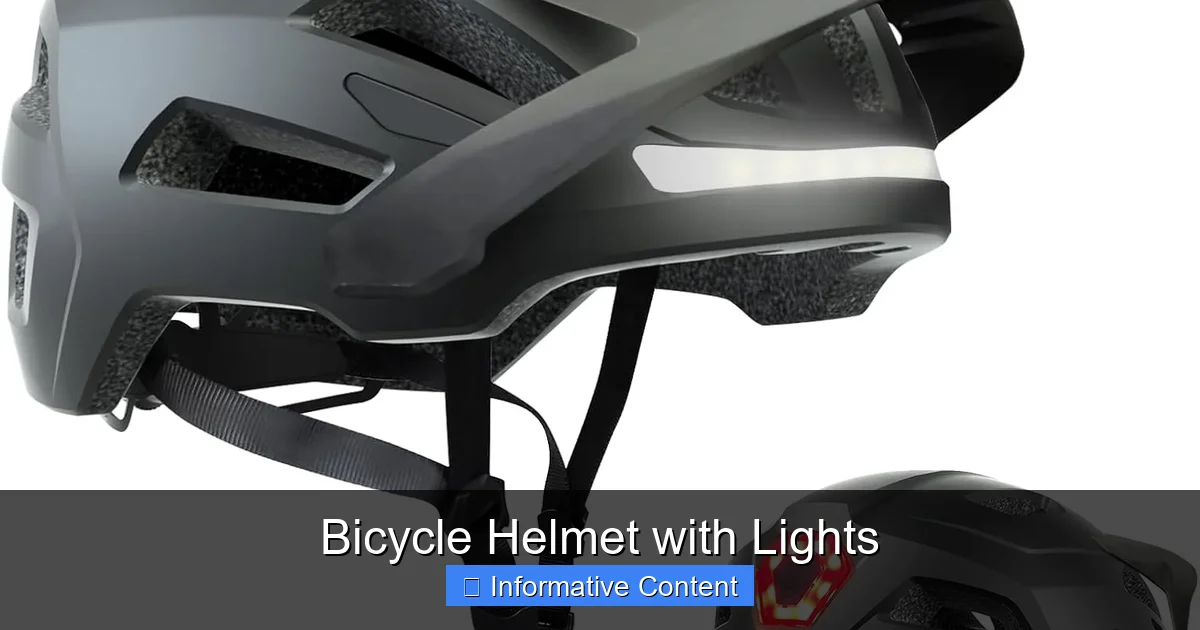
A bicycle helmet with lights can improve visibility, especially for commuting, night riding, and city cycling. It works best as a supplement to bike lights, reflective gear, and a properly fitted, certified helmet.
A bicycle helmet with lights is a simple idea with a practical purpose: it adds built-in visibility to the safety gear you already wear. For commuters, night riders, and city cyclists, that extra visibility can make a meaningful difference when traffic is busy or light levels drop.
In 2026, riders want gear that does more with less hassle. A lighted helmet can help streamline your setup, but it works best when you understand what it can and cannot do, how to choose the right model, and how to use it alongside other basic safety gear.
- Visibility: Built-in LEDs can help riders stand out from more angles.
- Fit first: Comfort and safety certification matter more than extra features.
- Use with bike lights: Helmet lights should complement, not replace, a full setup.
- Best for commuters: Daily riders often get the most value from lighted helmets.
- Check maintenance: Battery care and charging habits affect reliability.
What a Bicycle Helmet with Lights Is and Why Riders Want One in 2026
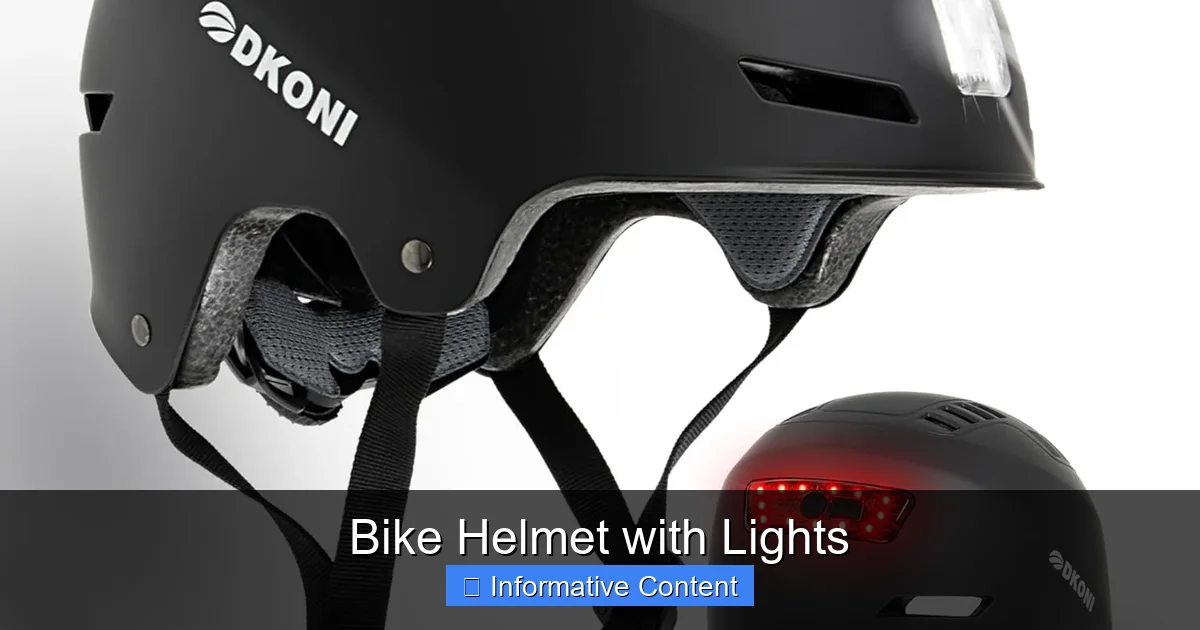
A bicycle helmet with lights is a helmet designed with built-in LED lighting, usually in the front, rear, or both. Some models also include turn indicators, brake-style flashing modes, or app controls for changing light patterns.
Riders like them because they combine two jobs in one piece of gear: head protection and visibility. That can reduce clutter on the bike and make it easier to remember your lights before every ride.
How integrated lights differ from clip-on bike lights
Clip-on bike lights attach to the bike frame, seat post, handlebar, or backpack. Integrated helmet lights sit higher on your body, which can help drivers notice your head position and line of sight more easily.
The tradeoff is that helmet lights move with your head. That is useful when looking around, but it also means the beam is not as fixed as a handlebar-mounted light. In practice, many riders use both.
A helmet light is usually a visibility aid, not a full lighting solution. Check the product manual, brand guidance, or a qualified professional if you are unsure how your helmet is meant to be used.
Who benefits most: commuters, night riders, e-bike users, and city cyclists
Daily commuters often benefit because they ride in mixed traffic and want a fast, reliable setup. Night riders and dawn commuters also gain from being more noticeable in low light.
E-bike users and city cyclists may appreciate the extra visibility because they often move faster than pedestrians and may share space with cars, buses, and delivery traffic. If you ride in a busy area, the added attention can be useful, though it should never replace good riding habits.
Key Safety Benefits of a Bicycle Helmet with Lights
The main benefit of a lighted helmet is visibility. It helps other road users see you sooner, especially in situations where a standard bike light may be partially blocked by cars, backpacks, or road geometry.
Visibility from multiple angles in traffic and low-light conditions
Helmet lights sit above the bike and can be visible over parked cars, shrubs, and other obstacles. That higher position may help in dense traffic where a lower-mounted light is harder to notice.
Rear-facing LEDs are especially helpful when a driver approaches from behind. Front-facing lights can also help on darker streets, though they should be bright enough for visibility without blinding other riders or pedestrians.
Why helmet-mounted lighting can improve rider awareness
Because the light follows your head, it can point where you are looking. That makes it easier to signal attention at intersections, scan side streets, and check for hazards without relying only on fixed bike lights.
This does not make the rider safer by itself, but it can support more confident riding. Good visibility can also encourage more predictable behavior from drivers who spot you earlier.
Real-world examples: intersections, shoulder riding, and dawn/dusk commutes
At intersections, a moving headlight can catch attention when you turn to check cross traffic. On shoulder rides, a rear helmet light may stand out more than a low seat-post light, especially if the bike is partially hidden by other vehicles.
Dawn and dusk are also high-value times for this gear. Light levels change quickly, and a helmet with lights can help bridge the gap before full daylight or full nighttime lighting is needed.
If you ride in traffic often, think of helmet lights as a visibility layer, not the whole system. Pair them with a front bike light, rear bike light, and reflective gear for a more complete setup.
Types of Bicycle Helmet with Lights and How They Work
Not every lighted helmet works the same way. Some focus on rear visibility, while others add front lighting, turn signals, or smart features. The right style depends on how and where you ride.
Rear LED-only helmets
These are among the simplest options. They usually include a bright rear LED, often with steady and flashing modes, to help drivers see you from behind.
Rear-only helmets can be a good entry point for commuters who already have a front bike light. They are often lighter, simpler to charge, and easier to maintain.
Front-and-rear light systems
Some helmets add both front and rear LEDs. This gives you a more balanced visibility setup and can be useful for riders who want a cleaner, all-in-one solution.
These models may be more expensive and slightly heavier. As with any helmet, comfort matters, because a helmet you do not want to wear will not help much.
Turn signals, brake-light features, and app-connected models
Higher-end helmets may include turn signals, flashing brake-style lights, or app-connected controls. These features can make your intentions easier to understand, especially in stop-and-go city riding.
That said, smart features depend on battery life, software, and correct setup. If the controls feel complicated, check the product manual or ask a qualified professional before relying on them for everyday commuting.
Rechargeable vs. battery-powered designs
Most modern lighted helmets use rechargeable batteries, often charged by USB. These are convenient for regular riders because you can top them up at home, at work, or in some cases from a portable charger.
Battery-powered models may still exist in some markets, but they can be less convenient over time. Whatever the power source, battery maintenance matters, especially if you ride in cold or wet conditions.
Helmet-mounted lights can be easier for other road users to notice because they sit higher than many bike-mounted lights, especially in traffic or near parked cars.
How to Choose the Right Bicycle Helmet with Lights
The best helmet is the one that fits well, feels comfortable enough to wear every ride, and gives you the visibility features you actually need. A long feature list is not helpful if the helmet is awkward or poorly made.
Fit, comfort, and ventilation for daily use
Fit should come first. The helmet should sit level, feel snug without pressure points, and stay stable when you shake your head lightly.
Ventilation matters too, especially for commuters and e-bike riders who may wear a helmet for longer periods. If possible, try on the helmet with your usual glasses, hat liner, or hairstyle to see how it feels in real use.
Light brightness, beam pattern, and visibility range
Brightness is only part of the story. A well-designed beam pattern can be more useful than a harsh light that points in the wrong direction or creates glare.
Look for lighting that is visible from the angles that matter most to you, especially rear visibility in traffic. If the helmet offers multiple modes, make sure the default setting is easy to use without distraction.
Battery life, charging time, and weather resistance
Battery life should match your routine. A short commute may not need a huge battery, but longer rides, winter riding, or frequent flashing modes can drain power faster than expected.
Weather resistance is also important. Light rain, road spray, and sweat are normal for cycling gear, but not every helmet handles moisture the same way. Check the product manual and brand guidance for charging and storage advice.
Safety certifications and impact protection standards
Lighting is useful, but impact protection is the core job of any helmet. Look for the safety certifications required in your region and confirm that the helmet is approved for bicycle use.
If a helmet seems stylish but does not clearly list safety standards, that is a red flag. When in doubt, choose the helmet that clearly explains its certification, fit system, and intended use.
- Helmet fit and stability
- Visibility from front and rear angles
- Battery life for your usual ride length
- Weather resistance and charging method
- Safety certification for bicycle use
Common Mistakes Riders Make When Buying or Using Lighted Helmets
Many buyers focus on the light feature and forget the basics. That can lead to a helmet that looks impressive but does not actually improve everyday riding much.
Choosing style over fit or safety certification
A sleek design is nice, but it should never outrank fit and safety approval. A helmet that wobbles, pinches, or lacks proper certification is not a smart trade.
If you are between two models, choose the one that fits better and meets the right standards, even if it looks less flashy.
Assuming bright lights replace reflective gear and bike lights
Helmet lights help, but they do not replace a full lighting setup. Drivers still need to see your bike, your body, and your direction of travel.
Do not rely on a helmet light alone in traffic, at night, or in poor weather. Use front and rear bike lights, and add reflective clothing or accessories when possible.
Ignoring battery maintenance and charging habits
Some riders forget to charge the helmet until the night before a commute. Others leave it empty for long periods, which can shorten battery performance over time.
Follow the product manual for charging, storage, and cleaning. If the battery seems weak, swollen, or unreliable, stop using the helmet light and check with the brand or a qualified professional.
Mounting or aiming issues that reduce visibility
Even a good light can be less effective if it is not aimed correctly. A rear light that points too low may be hidden by your shoulders, while a front light that points too high can waste visibility.
Before your first ride, test the helmet in a driveway, garage, or quiet street. Ask a friend to look from different angles if you want a simple real-world check.
Expert Guidance and Safety Warnings Before You Buy
Lighted helmets can be helpful, but they are only one part of a safe cycling setup. The goal is to be seen, ride predictably, and avoid overestimating what any single feature can do.
Why lighted helmets should complement, not replace, a full lighting setup
A bicycle helmet with lights works best as a supplement to the lights already on your bike. Bike-mounted lights stay fixed in place, which helps other road users judge your position and movement more consistently.
Helmet lights add another layer, especially when you turn your head or ride through cluttered streets. Used together, the two systems are more practical than either one alone.
When to avoid relying on helmet lights alone in heavy traffic or poor weather
In heavy traffic, rain, fog, or low-contrast conditions, visibility drops fast. A helmet light may still help, but it should not be your only safeguard.
If weather or traffic conditions feel beyond your comfort level, choose a different route, slow down, or postpone the ride. If you have balance issues, vision concerns, or a history of head injury, ask a doctor or qualified professional for advice before making gear decisions.
If you have dizziness, neck pain, headaches, or a recent head injury, get medical guidance before riding with any helmet setup. A helmet is not a substitute for medical care.
What to check for in 2026 materials, wiring, and durability
Look for durable shell materials, clean wiring, secure charging ports, and clear replacement guidance for worn parts. The more integrated the electronics, the more important build quality becomes.
Also check whether the light system can be removed or serviced separately. If a helmet becomes hard to clean or cannot be maintained properly, it may not age well for daily use.
Cost, Value, and Feature Comparison: What You Get at Different Price Points
Price usually reflects the quality of the fit system, lighting features, battery convenience, and overall finish. More expensive does not automatically mean better, but very cheap models can cut corners in comfort or durability.
Budget models vs. mid-range commuter helmets
Budget helmets often focus on basic rear lighting and simple charging. They can be fine for occasional use if they fit well and meet the right safety standards.
Mid-range commuter helmets usually offer better ventilation, stronger fit adjustment, and more reliable light features. For regular riders, that extra comfort can be worth paying for.
| Option | Best For | Note |
|---|---|---|
| Budget rear-light helmet | Occasional riders | Keep expectations simple; check fit and certification first |
| Mid-range commuter helmet | Daily riders | Often a better balance of comfort and visibility |
| Premium smart helmet | Frequent city cyclists | Extra features can help, but only if you will actually use them |
Premium options with turn signals, app control, and stronger illumination
Premium models may include turn signals, remote controls, app pairing, and higher-output lights. These features can be useful for riders who spend a lot of time in traffic or want a more polished commuting setup.
The downside is complexity. More features mean more charging, more parts that can fail, and more things to learn before the helmet feels natural.
When the extra cost is worth it for frequent riders
If you ride several times a week, the value of comfort and convenience rises quickly. A helmet that is easier to wear, easier to charge, and easier to trust may save frustration over time.
For occasional riders, a simpler model may be enough. The best value is the helmet you will actually put on consistently, not the one with the longest feature list.
Final Takeaway: Is a Bicycle Helmet with Lights Worth It for Your Riding Style?
For many riders, yes — especially if you commute in traffic, ride at dawn or dusk, or want a more visible setup without carrying separate lighting gear on your head. The helmet can be a practical upgrade, but only if it fits well and is used as part of a complete safety system.
Best-use scenarios for everyday commuting and night riding
Lighted helmets make the most sense for urban commuters, frequent night riders, and e-bike users who want extra visibility in mixed traffic. They can also work well for riders who prefer simple gear and want fewer loose accessories.
Quick recap of the most important buying factors
Focus on fit first, then safety certification, then lighting quality and battery convenience. If you are unsure which model suits your riding style, check the product manual, brand guidance, or ask a qualified professional before buying.
Common Questions
What is a bicycle helmet with lights?
It is a cycling helmet with built-in LED lights for added visibility. Some models include rear lights only, while others add front lights or turn signals.
Who should buy one?
Commuters, night riders, and city cyclists are the most likely to benefit. E-bike users may also like the extra visibility in traffic.
Do lighted helmets make riding safer?
They can improve how visible you are to others, which may help in traffic. They do not replace safe riding habits, bike lights, or reflective gear.
Are smart features worth paying for?
They can be useful if you ride often and will actually use them. If you prefer simple gear, a basic lighted helmet may be the better choice.
What is the biggest buying mistake?
Choosing style or features before fit and safety certification. A helmet should fit well and meet the right standards first.
Frequently Asked Questions
Can I use a bicycle helmet with lights in daytime?
Yes, especially if you ride in traffic or on busy streets. Daytime visibility can still matter when cars are turning, merging, or passing close by.
How long do helmet lights usually last on a charge?
It depends on the model, brightness setting, and flashing mode. Check the product manual for the expected runtime and charging instructions.
Are rechargeable lighted helmets better than battery-powered ones?
Rechargeable models are usually more convenient for regular riders. Battery-powered versions may work, but they can be less practical over time.
Should I buy a helmet with turn signals?
Only if you think you will use them often and the controls feel easy. For many riders, a simple rear light is enough when paired with hand signals and bike lights.
Can a lighted helmet help in fog or rain?
It may help you stand out a bit more, but bad weather still reduces visibility. Slow down, use reflective gear, and keep a full lighting setup on the bike.
How do I know if the helmet fits correctly?
It should sit level, feel snug, and stay stable when you move your head. If you are unsure, check the product manual or ask a qualified professional for fit guidance.

Leave a Reply