Start with 2 ounces of dry pasta per person for a main dish and 1 ounce for a side dish. Adjust the portion based on appetite, sauce, and whether you want leftovers.
If you want a simple answer, plan on 2 ounces of dry pasta per person for a standard main-dish serving, or about 1 ounce per person if the pasta is a side dish. That is the easiest starting point for most home cooks, then you can adjust up or down based on appetite, sauce, and whether the meal includes protein or vegetables.
- Main-dish baseline: 2 ounces of dry pasta per person is the most useful starting point.
- Side-dish baseline: 1 ounce per person usually works when pasta is not the main event.
- Measurement matters: Dry pasta expands as it cooks, so cooked volume is not the same as.
- Shape changes the look: Long pasta and short pasta are portioned the same way by weight, but they.
- Adjust for the meal: Sauce, add-ins, hunger, and leftovers all affect the right serving size.
How Much Dry Pasta Per Person: The Quick Answer
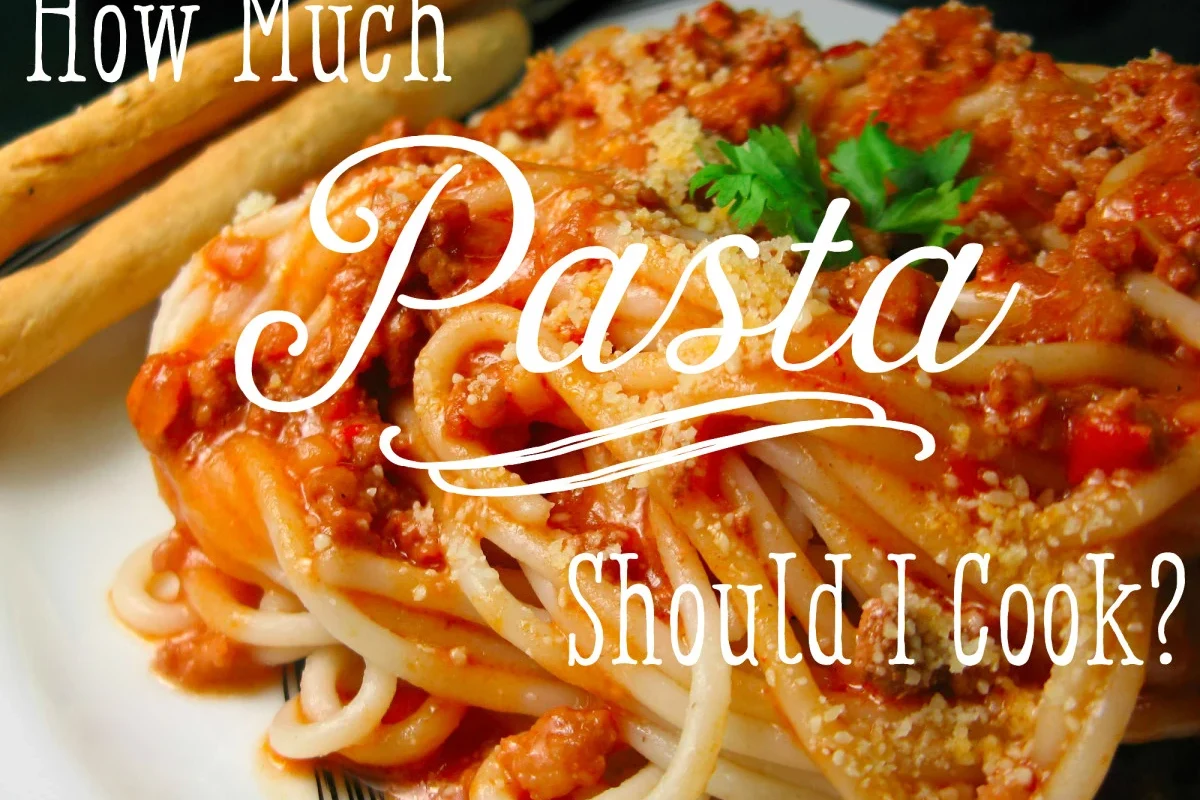
For most adults, the usual guide is 2 ounces of dry pasta per person when pasta is the main part of the meal. That roughly equals one standard serving from many boxed pasta labels, though shape, brand, and meal style can make the final portion look different once cooked.
If you are serving pasta as a side dish, a lighter 1-ounce dry portion per person is often enough. For hearty appetites, leftovers, or meals with a lighter sauce, a little extra may make sense.
What Counts as a Standard Pasta Serving in 2025?
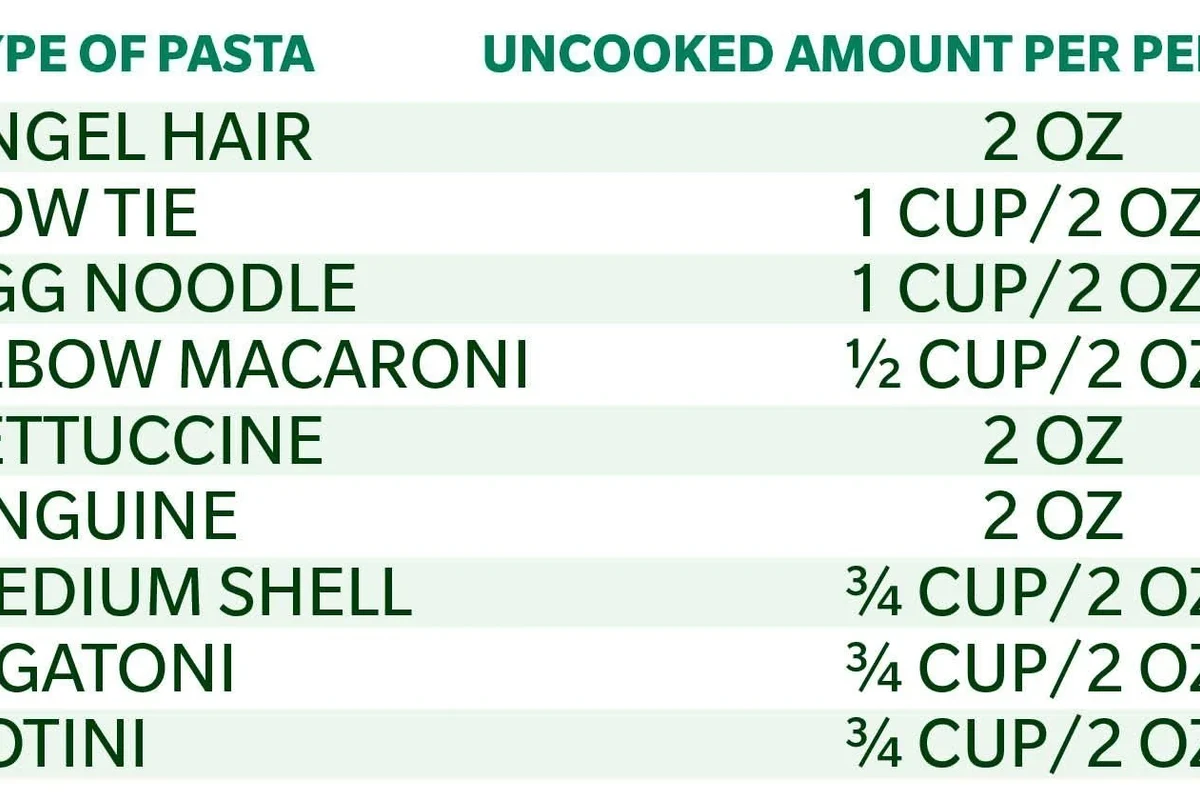
A standard serving is less about a perfect number and more about a practical baseline. In everyday cooking, the most common reference point remains 2 ounces of dry pasta, which helps keep portions consistent across weeknight dinners, meal prep, and family meals.
That said, “standard” depends on the role pasta plays in the meal. A bowl of spaghetti with a rich meat sauce may need less pasta than a simple tomato pasta with no protein, while a baked pasta dish can feel more filling because of cheese and other ingredients.
Dry Pasta vs. Cooked Pasta: Why the Portion Looks Bigger After Boiling
Dry pasta absorbs water during cooking, so the cooked amount is much larger by volume than the dry amount. That is why a small handful of dry noodles can turn into a full plate after boiling.
This is also why measuring cooked pasta by eye can be misleading. A cup of cooked pasta does not tell you the same thing as a cup of dry pasta, and the difference becomes even more noticeable with shapes like elbows, rotini, and shells.
Common Serving Sizes for Different Pasta Shapes
Most shapes follow the same general dry weight guide, but the way they look in a bowl changes a lot. Long pasta such as spaghetti and linguine tends to be measured by bundle or diameter, while short pasta like penne or fusilli is easier to portion by cup.
| Shape | Common Dry Portion | What to Know |
|---|---|---|
| Spaghetti or linguine | 2 ounces per person | Best measured by bundle or scale |
| Penne, rotini, elbows | 2 ounces per person | Easier to estimate by cup |
| Fettuccine or wide noodles | 2 ounces per person | Looks larger before cooking |
| Small pasta shapes | 2 ounces per person | Portion by weight for consistency |
How to Measure Dry Pasta Without a Scale
A kitchen scale is the most accurate way to portion dry pasta, but it is not required for everyday cooking. You can still get close using cups, your hand, or common kitchen tools.
The key is to use the same method consistently so your portions stay predictable. That matters most when you are cooking for several people or trying to avoid running short.
Using Cups, Handfuls, and Everyday Kitchen Tools
For short pasta, a rough cup measure can work well, though the exact weight varies by shape. For long pasta, a bundle about the width of a quarter is often close to one serving, but that is only a practical estimate, not a precise measurement.
- Use the pasta box serving guide as a starting point, not a strict rule.
- Keep one measuring cup or pasta server nearby for repeat meals.
- When in doubt, cook slightly less and add more next time if needed.
- For mixed-shape pasta, weigh it if you want the most consistent results.
Measuring Spaghetti, Penne, and Other Popular Shapes
Spaghetti is easiest to portion with a small bundle held between your fingers, but the exact amount depends on thickness. Penne, rotini, shells, and similar shapes are easier to scoop into a measuring cup, though you still need to account for how tightly they pack.
If you cook pasta often, it helps to learn what 2 ounces looks like in your own kitchen tools. That makes weeknight cooking faster and reduces guesswork.
Boxed pasta serving labels can vary by brand and shape, so check the package when accuracy matters. For special diets or exact portion control, a scale is still the clearest option.
How Much Dry Pasta Per Person by Situation
The right portion changes with the meal. A pasta dinner built around sauce, protein, and vegetables may need a different amount than a simple side plate or a lunch portion.
Light Meals, Main Dishes, and Side Dishes
Use 1 ounce per person for a side dish, 2 ounces per person for a main dish, and slightly more if the sauce is light and the meal is simple. Creamy sauces, meat sauces, and baked dishes often feel more filling, so the pasta itself does not always need to be increased.
Kids, Big Appetites, and Crowd-Serving Adjustments
Children usually need less than adults, but age, activity level, and what else is on the plate all matter. For bigger appetites or very active eaters, increasing the portion a bit is reasonable, especially if the meal is the main event.
When serving a crowd, it is smart to round up slightly if pasta is the centerpiece. If there are many sides, bread, or dessert, you may not need to increase the pasta much at all.
Cooking for Leftovers, Meal Prep, or Bulk Batches
If you want leftovers, plan a little extra dry pasta per person. That can be helpful for lunches, but it also means you should think about sauce quantity so the finished dish does not become dry after storing and reheating.
For meal prep, consistency matters more than a perfect restaurant-style portion. Measuring the same amount every time makes it easier to portion containers and estimate how many servings you actually have.
What Affects the Right Pasta Portion?
There is no single number that fits every meal. The best portion depends on what is served with the pasta, how hungry the people are, and the type of pasta being used.
Sauce Type, Protein, and Vegetable Add-Ins
Heavier sauces and add-ins usually make the meal more filling, which can let you keep the pasta portion moderate. If the dish includes chicken, sausage, beans, or lots of vegetables, the pasta is often just one part of a larger plate.
On the other hand, a simple garlic-and-oil or light tomato sauce may leave the pasta as the main source of substance. In that case, a slightly larger serving may feel more satisfying.
Diet Goals, Hunger Level, and Meal Timing
Portions should match the meal, not a rigid rule. A late dinner after a long day may call for a fuller serving than a small lunch or a pasta side dish at a larger spread.
If you are trying to manage intake for personal goals, the best approach is consistency. Keep your portion method steady so you can compare meals fairly from one day to the next.
Dry Pasta Type: Regular, Whole Wheat, Gluten-Free, and Fresh
Regular dried pasta is the easiest to portion because the dry-to-cooked change is familiar and predictable. Whole wheat and gluten-free versions can cook a little differently in texture and density, so the same dry weight may feel more or less filling depending on the brand.
Fresh pasta is different from dry pasta and usually needs a separate serving approach. If a recipe uses fresh pasta, follow that recipe or the package directions rather than converting it directly from dry-pasta rules.
Many pasta packages list a serving size on the nutrition panel, which is often the easiest reference when you want a quick portion guide without weighing anything.
Common Portioning Mistakes to Avoid
Most pasta portion problems come from guessing too quickly. A few small habits can make servings much more consistent.
Overestimating by Eye
Dry pasta is easy to overpour because it looks small in the package. Once cooked, it expands enough to surprise even experienced home cooks.
Using the same measuring method each time is more reliable than eyeballing it. That is especially true for long pasta and for family meals where you need several equal servings.
Confusing Dry Weight with Cooked Weight
Dry and cooked pasta are not interchangeable measurements. A 2-ounce dry portion becomes much larger after boiling, so comparing it to a cooked cup without context can lead to over-serving or under-serving.
If a recipe gives dry weight, follow dry weight. If it gives cooked volume, keep that method consistent within the same recipe.
Ignoring Shape Differences and Pack Instructions
Different shapes pack differently in a cup, and some specialty pastas cook and expand in unique ways. That is why package instructions and recipe directions are worth checking before you assume every pasta shape behaves the same.
Use care when draining hot pasta and handling boiling water. Keep children away from the stove and follow standard kitchen safety practices.
Practical Benefits of Getting Pasta Portions Right
Portioning pasta well is not just about numbers. It can make cooking simpler, reduce waste, and help meals feel more predictable.
Better Consistency, Less Waste, and Easier Budgeting
When you portion dry pasta the same way each time, your results are easier to repeat. That means fewer accidental leftovers, fewer empty pots, and less food ending up unused.
It also helps with grocery planning. If you know how many servings a box really makes in your kitchen, it is easier to buy the right amount for the week.
Improved Meal Planning for Families and Weeknight Cooking
Families benefit from portions that are easy to scale up. If one person needs a larger serving and another needs a smaller one, starting with a standard dry amount makes it easier to adjust before cooking.
For weeknight meals, a reliable pasta guide saves time because you do not have to rethink the amount every evening. That makes dinner prep faster and more relaxed.
Final Recommendation: The Best Dry Pasta Serving Guide for Most Home Cooks
For most people, the simplest and most useful rule is to start with 2 ounces of dry pasta per person for a main dish and 1 ounce per person for a side. From there, adjust based on appetite, sauce, and whether the meal includes enough protein or vegetables to make it more filling.
Simple Rule of Thumb to Use Every Time
If you want one method you can trust, use the same dry portion every time for the same kind of meal. That keeps serving sizes predictable and makes it easier to cook for one person, a family, or a group.
When to Adjust Up or Down for Real-World Meals
Increase the portion a bit for hungry eaters, leftovers, or light sauces. Decrease it slightly when pasta is only one part of a larger meal or when rich add-ins already make the dish hearty.
- Use 2 ounces of dry pasta per person for a standard main dish.
- Use 1 ounce per person when pasta is a side dish.
- Check package directions for shape-specific details and specialty pastas.
- Adjust portions based on sauce, add-ins, appetite, and whether you want leftovers.
Frequently Asked Questions
A standard starting point is 2 ounces of dry pasta per person for a main dish. Adjust up or down depending on appetite, sauce, and other ingredients in the meal.
For a side dish, about 1 ounce of dry pasta per person is usually enough. If the pasta is serving a bigger role on the plate, increase the amount slightly.
Yes. You can use cups for short pasta, a small bundle for long pasta, or a consistent handful-based method. A scale is more accurate, but everyday tools work well for routine cooking.
Dry pasta absorbs water as it cooks, so it becomes much larger in volume. That is why a small dry portion can look like a full serving after boiling.
The general serving target is usually the same, but shape changes how the portion looks and how it packs into cups. Long pasta is often measured differently from short shapes like penne or rotini.
Yes. If you want leftovers or meal-prep portions, it makes sense to cook a little extra dry pasta per person. Just keep the sauce amount balanced so the dish does not turn dry.