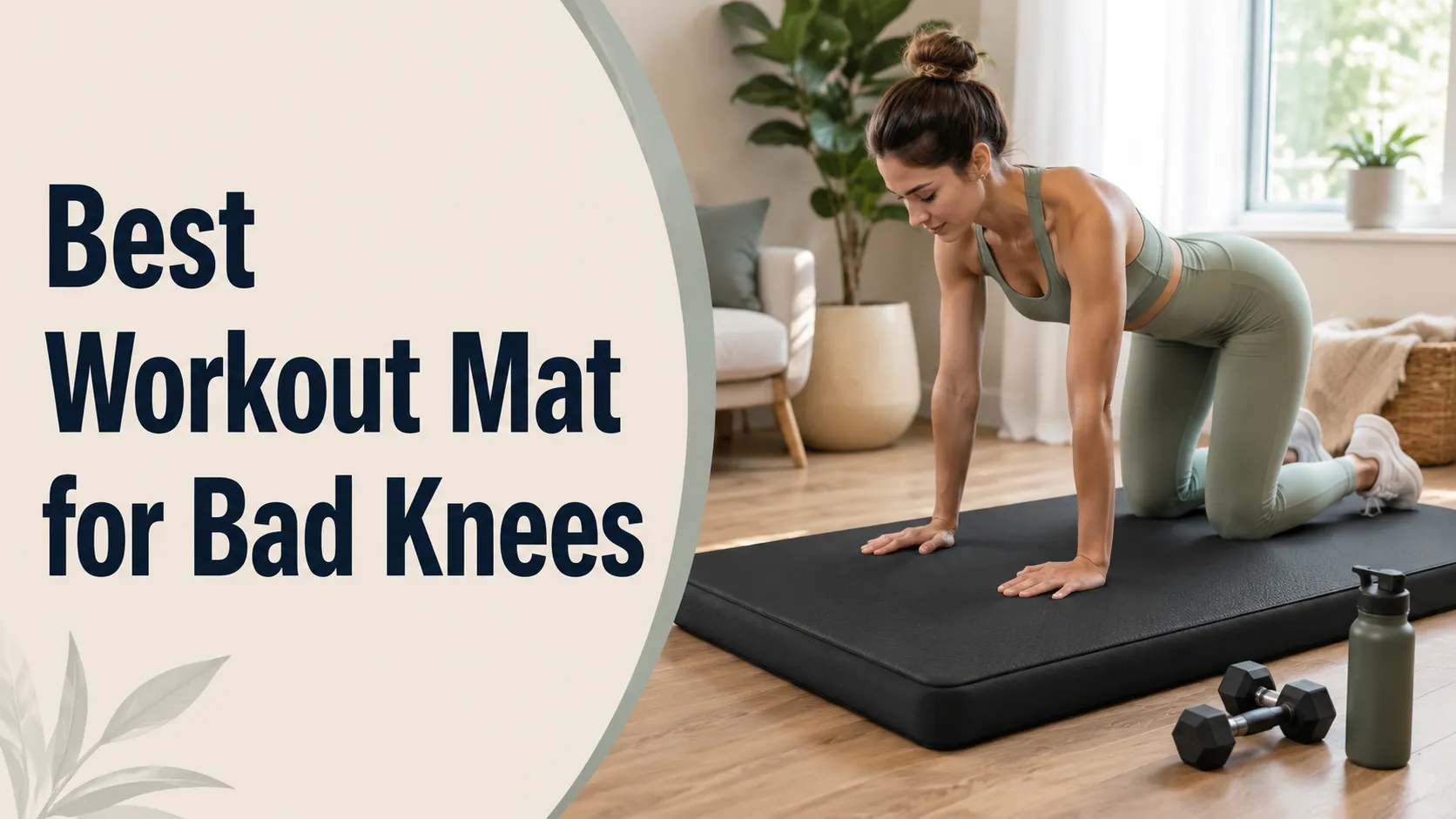
The best workout mat for bad knees is a thick, non slip, shock absorbing exercise mat that gives soft support without feeling too unstable. It should protect your knees during floor exercises, stretching, yoga, Pilates, and low-impact home workouts.
Quick Answer
If you have bad knees, choose a workout mat that is thick, dense, and stable. A mat between 10mm and 15mm works well for many people who need knee comfort during floor exercises.
For more cushion, an extra thick exercise mat can help. But do not choose a mat that is so soft that your knees, hands, or feet sink too much. You need comfort and control at the same time.
My Take on Workout Mats for Bad Knees
I am Ryan Mitchell, and I write about practical fitness gear for ProKingsEdge.com.
When I look at workout mats for bad knees, I care about more than softness. A soft mat can feel nice, but it also needs grip, support, and stability.
If a mat is too thin, your knees may press hard into the floor. If it is too soft, your body can feel wobbly. The best choice sits in the middle.
What Makes a Workout Mat Good for Bad Knees?
A good workout mat for bad knees should reduce pressure when your knees touch the floor. It should also help you stay steady during movement.
This matters for exercises like lunges, kneeling stretches, bird dogs, push ups, planks, yoga poses, and bodyweight training.
The right mat should feel cushioned, but not unstable. It should also stay flat and not slide under your body.
How a Workout Mat Supports Bad Knees
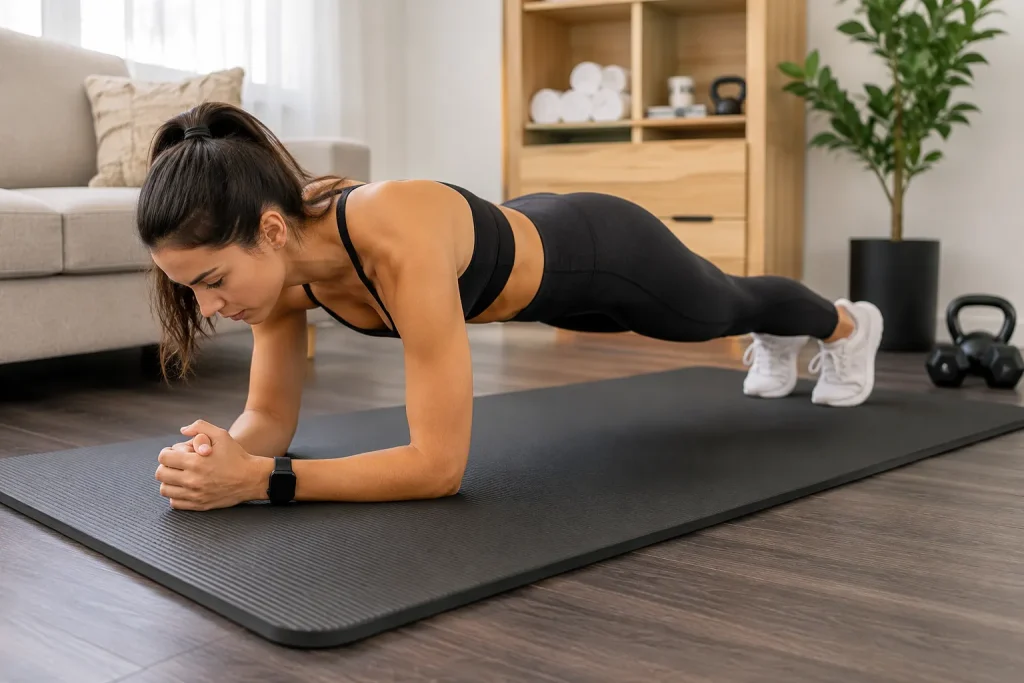
A workout mat works by adding a soft layer between your knees and the hard floor.
That layer spreads pressure across a wider area. This can make kneeling moves feel less harsh.
Thicker mats usually give more comfort. Dense mats give better support. Non slip mats help you keep control when your body shifts.
A mat does not fix knee pain. But it can make floor-based workouts more comfortable and practical.
Why the Right Mat Matters for Knee Comfort
Your knees take pressure during many home workout moves. Even simple floor exercises can feel painful on hardwood, tile, concrete, or thin carpet.
A good exercise mat can help you stay consistent because the floor feels less harsh.
If you are dealing with ongoing knee pain, I suggest reading basic movement and fitness safety guidance from Mayo Clinic. For general exercise education, the American Council on Exercise also has helpful fitness resources.
Best Workout Mat Features for Bad Knees
| Feature | Why It Helps | Best For |
|---|---|---|
| Thick cushioning | Reduces direct pressure on knees | Kneeling exercises and floor work |
| Dense foam or rubber | Supports the body without too much sinking | Strength training and bodyweight workouts |
| Non slip surface | Helps hands, feet, and knees stay stable | Planks, lunges, yoga, Pilates |
| Large size | Gives more room for full-body movement | Stretching, mobility, home workouts |
| Shock absorption | Softens impact from low-impact moves | Apartment workouts and sensitive joints |
| Easy cleaning | Keeps sweat and dust off the mat | Daily or weekly use |
Best Thickness for a Workout Mat for Bad Knees
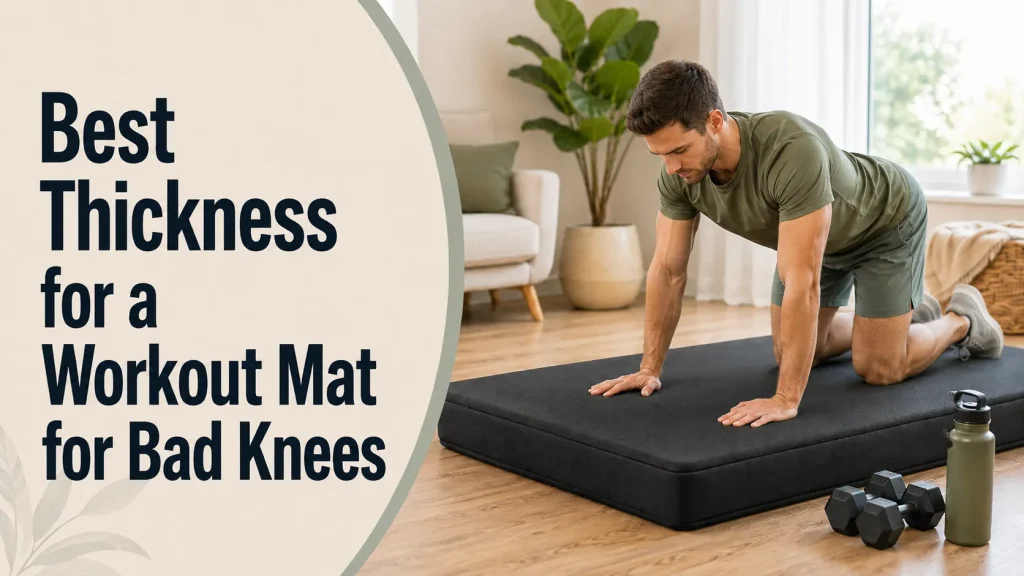
For bad knees, thickness is one of the most important things to check.
But thicker is not always better. The mat should also feel firm enough to support your joints.
| Mat Thickness | Best Use | My Recommendation |
|---|---|---|
| 3mm to 5mm | Yoga, balance, light stretching | Usually too thin for bad knees |
| 6mm to 8mm | General workouts and light floor moves | Okay for mild knee sensitivity |
| 10mm to 15mm | Kneeling exercises, Pilates, floor workouts | Best range for many people with bad knees |
| 1 inch or more | Extra cushioning and home gym comfort | Very comfortable, but may feel less stable |
Best Mat Material for Knee Support
The material affects comfort, grip, smell, durability, and support.
For bad knees, I usually prefer dense foam, rubber, or high-quality TPE over very thin PVC mats.
| Material | Feel | Good for Bad Knees? | Watch Out For |
|---|---|---|---|
| High-density foam | Soft but supportive | Yes, good for floor exercises | May dent under heavy weights |
| Rubber | Firm and durable | Yes, if thick enough | Can feel heavy and may have odor at first |
| TPE | Light, grippy, and comfortable | Good for yoga and low-impact workouts | May not be thick enough for severe knee sensitivity |
| EVA foam | Soft and lightweight | Good for comfort | Can feel unstable if too soft |
| PVC | Budget-friendly and common | Depends on thickness | Thin PVC mats may not cushion enough |
Best Workout Mat Type by Floor Surface
| Floor Type | Best Mat Type | Why |
|---|---|---|
| Hardwood floor | Thick non slip exercise mat | Protects knees and helps protect the floor |
| Tile floor | Extra cushioned workout mat | Softens a hard surface |
| Concrete floor | Dense thick mat or gym flooring | Gives stronger shock absorption |
| Carpet | Firm mat with good grip | Stops the body from sinking too much |
| Laminate floor | Non slip mat with soft backing | Helps reduce sliding and pressure |
Real-World Workout Examples for Bad Knees
For Kneeling Exercises
If you do bird dogs, kneeling hip flexor stretches, cat-cow, or modified push ups, choose a thicker mat.
A 10mm to 15mm mat usually feels much better than a thin yoga mat.
For Yoga and Stretching
Yoga can include many kneeling poses. A grippy TPE or thick yoga-style exercise mat can work well.
If your knees still hurt, place a folded towel under your knees for extra support.
For Pilates and Core Work
Pilates-style moves often put pressure on knees, hips, elbows, and spine.
A cushioned mat with a large surface can make these moves more comfortable.
For Low-Impact Strength Training
If you do glute bridges, lunges, planks, or dumbbell floor exercises, choose a stable mat.
Softness helps, but the mat should not shift or bunch up.
Common Problems and Simple Fixes
| Problem | Possible Cause | Simple Fix |
|---|---|---|
| Knees still hurt on the mat | Mat is too thin or too firm | Choose a thicker mat or add a knee pad |
| Mat feels wobbly | Mat is too soft | Choose a denser mat |
| Mat slides during exercise | Poor bottom grip or dusty floor | Clean the floor and use a non slip mat |
| Hands slip on the mat | Sweat or smooth surface | Wipe the mat and choose a textured surface |
| Mat curls at the edges | Poor storage or low-quality material | Store flat or replace if unsafe |
| Mat dents from weights | Foam is too soft | Use rubber gym flooring for heavy equipment |
Common Mistakes When Choosing a Mat for Bad Knees
Choosing Only the Thickest Mat
A thick mat can help, but it should also be stable.
If the mat is too soft, your body may sink and feel unsteady.
Using a Thin Yoga Mat for Every Workout
Thin yoga mats are easy to store, but they may not give enough knee support.
For bad knees, a thicker exercise mat is often a better choice.
Ignoring Grip
Grip matters because slipping can put stress on your knees.
Look for a non slip surface and a bottom that stays in place.
Buying a Mat That Is Too Small
A small mat can force your body into awkward positions.
A large workout mat gives more room for safe movement.
Putting Heavy Equipment on Soft Foam
Soft foam can dent or tear under heavy dumbbells or machines.
Use rubber gym flooring if you need to protect the mat from heavy equipment.
Safety Warning
A workout mat can help with comfort, but it does not treat knee pain.
If you have sharp pain, swelling, weakness, or pain that keeps coming back, stop exercising and speak with a qualified health professional.
Do not use a mat that slides, folds, curls, or tears during workouts. A damaged mat can increase the risk of slipping or tripping.
For general physical activity safety, you can review guidance from the CDC. If you want general joint-health education, Harvard Health also shares helpful fitness information.
How to Choose the Best Workout Mat for Bad Knees
Use this simple checklist before buying.
- Choose 10mm to 15mm thickness for better knee comfort.
- Pick a dense mat that does not sink too much.
- Choose a non slip surface for safer movement.
- Match the mat to your floor type.
- Choose a large mat if you do full-body exercises.
- Look for sweat-resistant and easy-clean material.
- Avoid mats that curl or slide.
- Use extra knee padding if you still feel pressure.
Tips for Using a Workout Mat With Bad Knees
- Warm up before kneeling or floor work.
- Use slow, controlled movement.
- Place a folded towel under your knees when needed.
- Avoid jumping if it causes pain.
- Keep your mat clean and dry.
- Use low-impact exercises when your knees feel sensitive.
- Replace the mat when it loses grip or cushioning.
Notes Before You Buy
The best workout mat for bad knees depends on your body, floor, and workout style.
If you only stretch, you may not need a very large mat. If you do Pilates, strength training, or full-body workouts, a large thick workout mat may feel better.
If you train on concrete or tile, choose more cushioning. If you train on carpet, choose more firmness.
And remember, knee comfort is personal. A mat that feels perfect for one person may feel too soft or too firm for another.
Key Takeaways
- The best workout mat for bad knees should be thick, dense, and non slip.
- 10mm to 15mm is a good thickness range for many people.
- Extra thick mats can help, but they may feel less stable.
- Dense foam, rubber, and TPE can all work well.
- Grip matters because slipping can stress your knees.
- A mat helps comfort, but it does not fix knee pain.
- Stop exercising if pain is sharp, serious, or ongoing.
- Replace a mat if it becomes slippery, torn, or unsafe.
FAQ
What is the best workout mat for bad knees?
The best workout mat for bad knees is a thick, dense, non slip mat that cushions your knees while keeping your body stable.
How thick should a workout mat be for bad knees?
A mat between 10mm and 15mm works well for many people with knee sensitivity. Some people may prefer an extra thick mat for more comfort.
Is a yoga mat good for bad knees?
A thin yoga mat may not be enough for bad knees. A thicker yoga mat or cushioned exercise mat is usually better for kneeling moves.
Is foam or rubber better for bad knees?
Foam usually feels softer, while rubber feels firmer and more durable. For bad knees, dense foam or thick rubber can both work well.
Can a workout mat stop knee pain?
No, a workout mat cannot stop or treat knee pain. It can only make floor exercises more comfortable by adding cushioning and support.
What exercises need extra knee cushioning?
Kneeling stretches, modified push ups, bird dogs, lunges, yoga poses, and Pilates moves often feel better with extra knee cushioning.
Why do my knees still hurt on a thick mat?
The mat may be too firm, too soft, or not supportive enough for your body. You may also need to change the exercise or speak with a professional if pain continues.
Should I use a knee pad with a workout mat?
Yes, a small knee pad or folded towel can help if you still feel pressure, even on a thick workout mat.
Conclusion
The best workout mat for bad knees should give you comfort, grip, and support at the same time.
For most people, I recommend a dense non slip mat between 10mm and 15mm thick. It should feel soft enough for kneeling but firm enough to keep you stable.
If your knees are very sensitive, consider an extra thick exercise mat or use a small knee pad for extra support.
My simple advice is this: choose the mat that makes your workout feel safer and more comfortable, but do not ignore pain that feels sharp or ongoing.