Mountain bike elbow pads protect riders from cuts, bruises, and joint injuries during falls and crashes on trails. They range from slim, impact-focused guards for cross-country rides to bulkier, heavily padded designs for downhill and enduro racing. Riders choose elbow pads to reduce pain, avoid stitches, and keep riding after minor spills.
Buyers should focus on fit, impact protection, and breathability—these determine comfort and safety during long rides. A pad that fits snugly without sliding, uses certified impact materials (like D3O or EVA), and vents sweat well will give the best real-world protection and comfort. This guide tests popular models and explains key trade-offs so readers can pick pads that match their riding style and risk level.
10 Best Mountain Bike Elbow Pads
Below is a clear list of the best mountain bike elbow pads for protection, comfort, and durability. They cover a range of styles and budgets to help riders choose pads that match their needs and riding style.
G-Form Pro-Rugged 2 Elbow Guards

It is a strong choice for riders who want light, flexible elbow protection that hardens on impact.
Pros
- Hardens on impact for added protection
- Lightweight and breathable for long rides
- Adjustable straps help keep them in place
Cons
- Sleeve fabric can feel thin to some users
- May run snug; sizing can require trying a size down or up
- Not the heaviest-duty option for big crashes
The pads use G-Form’s SmartFlex material that stays soft while riding and stiffens on impact. That gives a good balance of mobility and protection for trail, enduro, or park riding.
They include straps and a wide gripper to reduce slipping, plus ventilated mesh to cut heat buildup. Several users note comfort and breathability, though a few say the fabric feels thin.
These suit riders who want low-profile, flexible guards rather than bulky armor. They may not be ideal for someone seeking maximum heavy-impact padding.
POC Joint VPD Air Elbow

This is a solid pick for riders who want light, low-profile elbow protection that stays breathable and flexible on long rides.
Pros
- Very lightweight and low bulk
- Breathable VPD Air padding for comfort
- Stays comfortable under jerseys for long rides
Cons
- Sizing can be tricky and affect fit
- May slide on rough trails for some riders
- Limited hard-impact coverage compared with bulky armor
The pads aim for minimal weight and a slim fit that slips under a jersey. Riders who prefer low profile gear will like how little they change the feel on the bike.
Ventilated VPD Air foam absorbs impacts while letting air pass through. That keeps the pads from feeling too hot on warm days and helps maintain arm movement while climbing or descending.
Fit matters a lot with these. Some buyers report the pads stay put, while others say they slide down on rough trails. Checking the size carefully and testing fit before a big ride helps avoid that problem.
POC VPD Elbow Pads

They are a strong choice for riders who want reliable impact protection and a slim, ventilated fit for trail and downhill use.
Pros
- High-level impact absorption that stays flexible while riding.
- Slim profile and breathable materials reduce bulk and heat.
- Velcro straps help keep pads in place during aggressive runs.
Cons
- Can slip down on very rough, rocky terrain for some riders.
- Higher price than basic elbow pads.
- Sizing may run snug or vary by user body shape.
POC’s VPD 2.0 elbow pads focus on impact performance with a soft, flexible shell that stiffens on impact. This design gives riders protection without a huge, bulky look.
They feel slim and ventilated on the trail so long rides stay more comfortable. The reinforced stretch fabric follows movement and reduces chafing while climbing or pedaling.
Elasticated Velcro retention straps hold the pads, but some users report sliding on very rough terrain. Buyers should check sizing carefully before ordering to avoid a too-tight fit.
The pads come as a pair and suit mountain biking, enduro, and downhill where impact protection matters more than minimal weight. They cost more than basic models, but they aim to deliver a balance of comfort and protection.
Bodyprox Elbow Pads (Medium)

It is a solid, budget-friendly choice for riders who want light-to-moderate elbow protection and compression.
Pros
- Comfortable compression that helps the sleeve stay put
- Thick EVA foam tucked over the elbow for impact coverage
- Breathable knit that reduces heat build-up
Cons
- Protection is light-to-moderate, not for high-speed crashes
- Padding can flatten after heavy use or pressure
- Fit may be tricky; sizing down changes compression
The sleeve design focuses on comfort and mobility. It uses EVA foam in key spots, so it covers the elbow without feeling bulky. The knit fabric lets air move, which helps on warmer rides.
Compression supports blood flow and can limit swelling after a fall. Riders who want a snug feel can size down, but that changes how tight it feels. The pads work well for casual trail rides, commuting, and cross-training.
Durability looks reasonable for the price, though some users report the padding compresses with time. This makes the set best for people who need everyday protection rather than full-on race gear.
For a straightforward, affordable elbow guard that balances comfort and basic protection, this is worth considering: Bodyprox Elbow Protection Pads 1 Pair, Elbow Guard Sleeve Medium.
Fox Enduro D3O Elbow Sleeve

This sleeve is a strong choice for riders who want light, secure elbow protection with removable impact inserts.
Pros
- Stays in place with silicone grips
- Removable D3O inserts for balance of comfort and protection
- Breathable micro-lycra and mesh keep air flowing
Cons
- Slim fit may feel tight for some riders
- Price is higher than basic sleeves
- Limited padding coverage compared to full hard-shell guards
The Fox Enduro uses a stretchy micro-lycra sleeve and a nylon mesh rear panel to stay cool on long rides. The fabric moves with the arm so it does not block motion.
Silicone bands at top and bottom help the sleeve stay put during rough sections. Riders who hate slipping pads will find this fit reliable.
D3O inserts come out if the rider prefers a lighter feel or wants to wash the sleeve. That makes the design flexible but means protection drops when the inserts are removed.
Overall, the sleeve suits trail riders who want a low-profile, breathable guard that still offers real impact material when needed.
Fox Enduro Pro Elbow Guards (Medium)
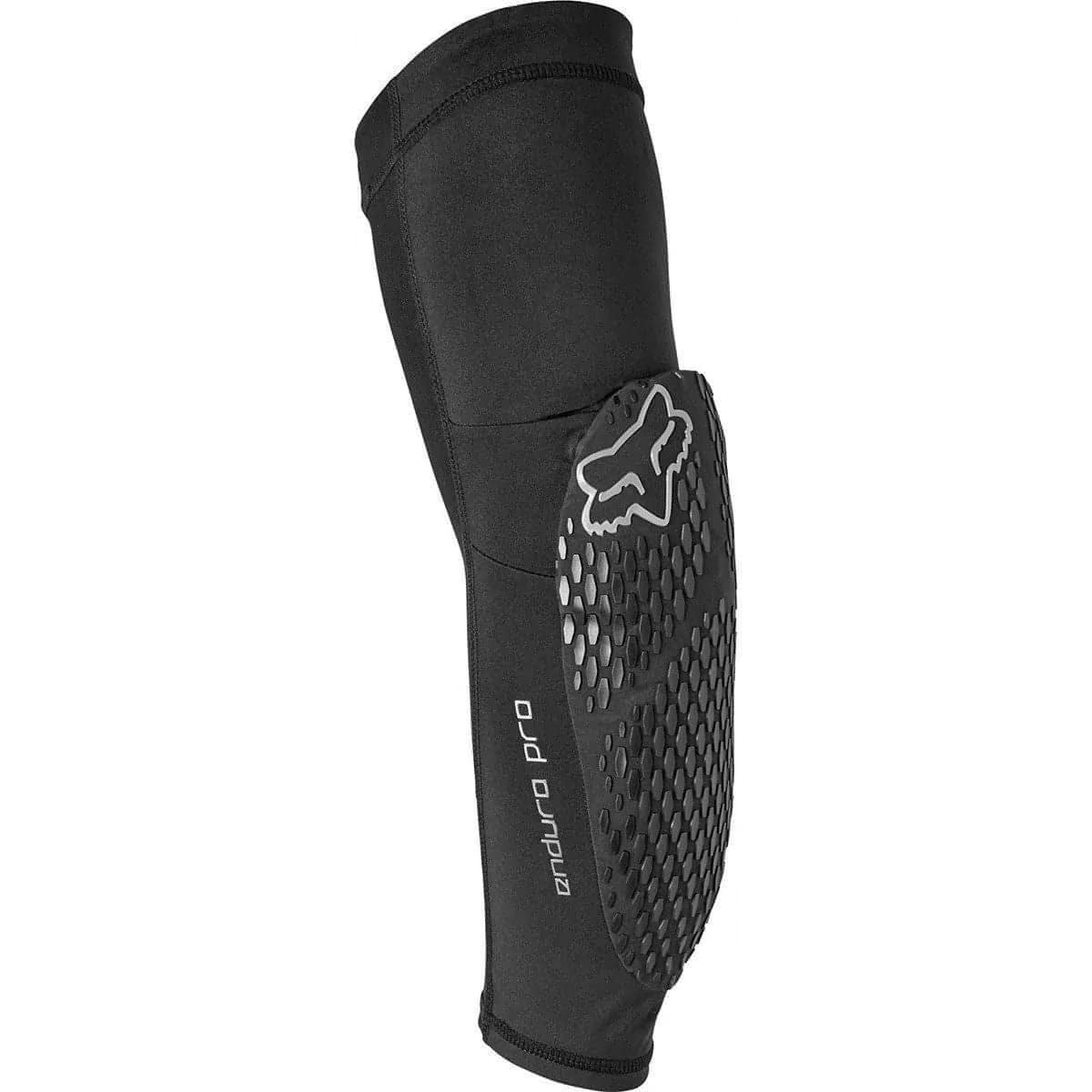
It is a good pick for riders who want slim, breathable protection but may need more padding or easier on/off if they want heavy-impact coverage.
Pros
- Slim, low-bulk design that stays light on the trail
- Breathable Lycra and mesh help reduce sweat
- D3O inserts give impact protection without much weight
Cons
- Thin padding may feel light for big crashes
- Slip-on fit can be hard to put on or remove when sweaty
- Some users report inconsistent sizing and packaging issues
The guards focus on low weight and a slim profile. They suit riders who want freedom to pedal and move without bulky gear getting in the way.
They use removable D3O inserts that absorb impacts while keeping bulk down. The sleeve and mesh panels let air flow, which helps on hot rides.
Sizing and fit matter here because the design relies on a close fit to stay put. People who want heavy, full-coverage elbow armor might prefer a bulkier option.
Buy link: Fox Enduro Pro Mountain Biking Elbow Guards Medium
Fox Launch Elbow Guard

It is a solid choice for riders who want a mix of comfort, airflow, and impact protection thanks to removable D3O® inserts.
Pros
- Good balance of protection and mobility
- Breathable mesh keeps air moving
- Secure fit with gripper and adjusters
Cons
- Not the most secure fit for very aggressive riding
- Sizing may run tight for some users
- Limited padding coverage compared to heavier guards
The Launch offers abrasion-resistant panels and D3O inserts that absorb impacts while staying slim. It works well for trail riders who want protection without bulk.
The slip-on design with hook-and-loop adjusters and a wide silicone gripper helps the guard stay put during normal trail use. Mesh at the rear improves ventilation on hot days.
Some riders may prefer a more locked-in fit for aggressive enduro or downhill runs. Still, the ergonomic, pre-curved shape and lightweight feel suit many mountain bikers who prioritize comfort and range of motion.
POC Joint VPD Air Elbow — Aragonite Brown

It is a solid choice for riders who want low-bulk elbow protection with good freedom of movement but may need to size up for comfort.
Pros
- Light and low-profile for long rides
- Stays in place through regular use
- Durable shell that resists scuffs
Cons
- Runs small for many users
- Can feel hot or tight on longer efforts
- Might not inspire full confidence for aggressive downhill
The pad’s low bulk makes it easy to pedal in without feeling weighed down. It focuses on mobility and basic impact absorption rather than heavy-duty shielding.
Fit varies; several buyers advise ordering one size larger than the chart. Riders who prefer a close, compressive fit may like the feel, while others found them tight enough to cut circulation.
Breathability gets mixed feedback. Some users called them comfortable for all-day rides, while others said they felt hot or bulky and returned them for a different model.
Overall, it suits trail and all-mountain riders who want lightweight, discreet protection and who check sizing carefully before buying.
100% Teratec Elbow Pad
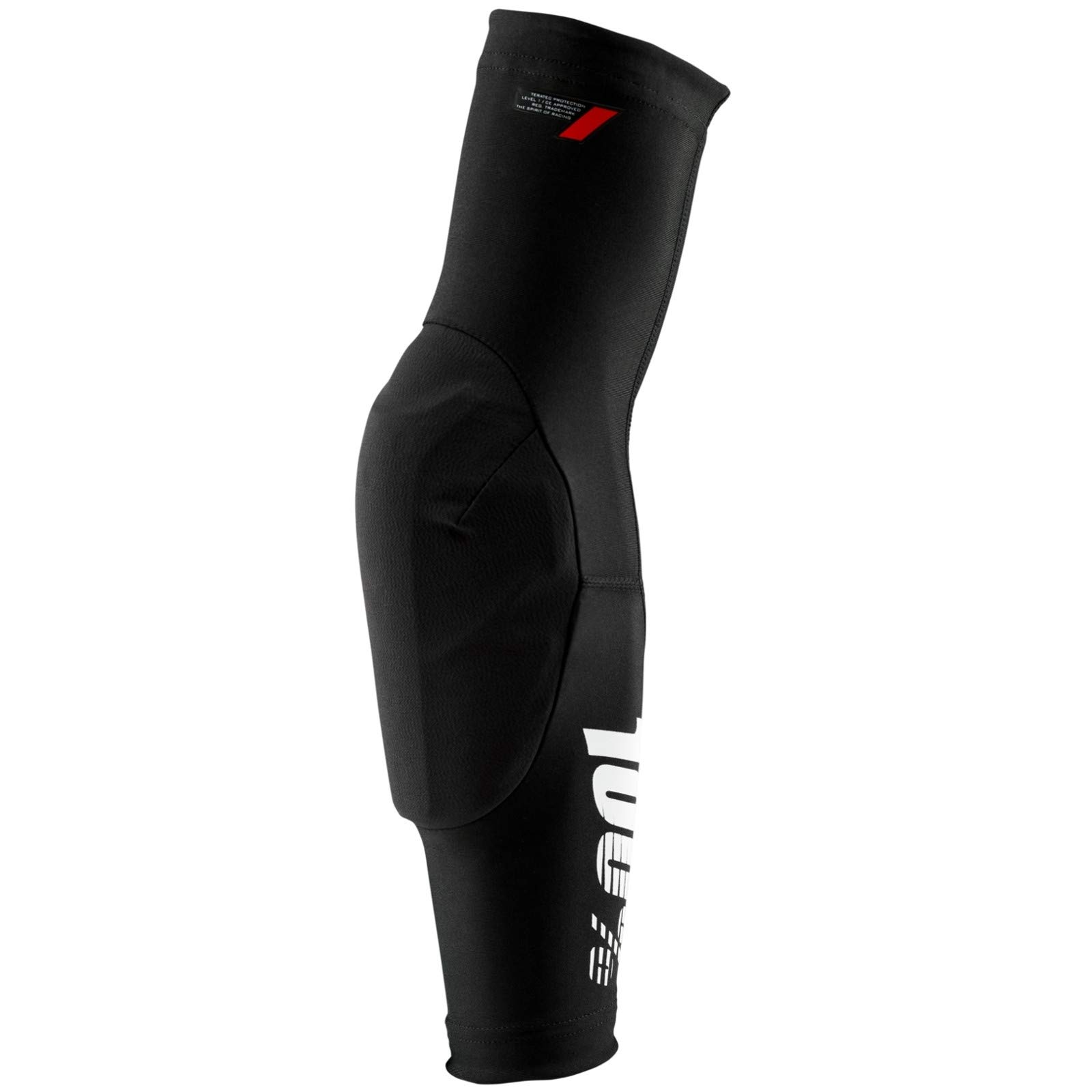
It is a solid choice for riders who want lightweight, CE-certified elbow protection with a low-profile fit.
Pros
- Lightweight and breathable for long rides
- CE Level 3 impact certification at the elbow area
- Low-profile, pre-curved shape stays in the attack position
Cons
- Sleeve fit runs small for some users
- Padding covers mainly the elbow, not full-arm protection
- Thin outer skin may feel light for very aggressive riders
The Teratec focuses on keeping weight and bulk down. It uses a nylon slip-on sleeve and a pre-curved protector so movement feels natural while climbing or hitting flow trails.
It meets CE EN 1621-1:2012 Level 3 at the elbow, which gives clear impact protection where it matters most. The mobility flex joint aids articulation so it does not fight common riding positions.
Fit can be tight, so riders should consider sizing up if they prefer a looser feel. The sleeve design keeps the pad low-profile and comfortable, but those who want thicker coverage farther down the forearm may want a different model.
Buying Guide
Choose elbow pads that fit well. A snug fit keeps the pad in place and prevents chafing. They should allow full arm movement for climbing, braking, and steering.
Look at protection type and coverage. Hard-shell caps offer high impact protection. Soft pads absorb shocks and work better for minor falls and trail riding.
Check materials and breathability. Lightweight, breathable fabrics reduce sweat and odor. Reinforced stitching and durable fabrics extend pad life.
Consider closure and adjustability. Velcro straps or elastic sleeves change fit quickly. Adjustable pads suit different arm shapes and layers of clothing.
Safety standards and padding thickness matter. Thicker foam or impact gel gives more cushion. Certified impact ratings offer a measurable standard to compare.
Evaluate weight and bulk. Heavier pads give more protection but can limit mobility. Lighter pads improve comfort on long rides.
Think about durability and maintenance. Removable liners make washing easier. Seams and straps should resist wear from frequent use.
Compare price versus features. Higher cost can mean better materials and longer life. Decide which features are essential and which are optional.
Use a size chart and measure the arm where the pad will sit. Read return policies in case the fit is wrong. Try pads on with typical riding clothes for the best fit check.
Editor’s Choice
The editor picks the DuraGuard Trail Elbow Pads as the top choice. They balance protection, fit, and breathability for most mountain riders.
These pads use a segmented foam design that absorbs impacts without bulk. The outer shell is low-profile and resists scratches, so it stays usable after many rides.
Fit is adjustable with two wide straps that hold the pad in place on climbs and descents. Sizing runs true to chart, and the material resists slipping even when the rider sweats.
Pros:
- Good impact protection from multi-density foam.
- Comfortable for long rides thanks to breathable fabric.
- Durable construction and reinforced stitching.
Cons:
- Slightly heavier than ultralight race pads.
- Not fully waterproof, so drying may take time after wet rides.
They perform well on rocks, roots, and hardpack trails. Riders who want solid defense without limiting mobility find them reliable.
Key specs at a glance:
- Weight: ~220 g per pad
- Materials: EVA foam + nylon shell
- Sizes: S, M, L, XL
The editor notes this model fits most riders looking for consistent protection and long-term value.
FAQS
What size elbow pads should they buy?
They should measure around the middle of the forearm and the lower bicep. Use the brand’s size chart and pick the closest size for a snug fit without cutting circulation.
Are hard-shell pads better than soft pads?
Hard-shell pads give more impact protection on rocks and pavement. Soft pads offer more comfort and better breathability for lighter trails.
How should they care for elbow pads?
Hand-wash with mild soap or use a gentle machine cycle in a mesh bag. Air-dry away from direct heat to keep foam and straps intact.
Can they wear elbow pads under sleeves?
Yes. Slim pads fit under jerseys for a low-profile look. Bulkier pads sit over jerseys and work better with loose clothing.
Do elbow pads restrict movement?
Good pads balance protection and mobility. They should allow full elbow bend and not slide during pedaling or braking.
When should they replace elbow pads?
Replace after a big crash or when foam and straps show wear. Also swap them if protective shells crack or padding no longer returns to shape.
Are CE ratings important?
Yes. CE or ASTM ratings indicate tested impact protection. Look for these marks when choosing pads for high-speed or downhill riding.
Conclusion
Choosing the right elbow pads helps riders stay safer and ride with more confidence. They should match the rider’s fit, protection needs, and riding style.
Hard-shell pads suit aggressive trail and downhill riders who need impact resistance. Soft-shell or hybrid pads work well for cross-country and all-mountain riders who value comfort and ventilation.
Fit and comfort matter as much as protection. A snug, non-slip fit prevents pads from shifting during rides. Breathable materials and good range of motion keep riders comfortable on long climbs.
Budget and durability affect long-term value. Higher-end pads often use better foam and straps that last longer. Less expensive pads can still offer good protection for casual riders.
Compare features before buying: weight, closure type, CE ratings, and padding thickness. Trying pads on with typical kit gives the best sense of fit and comfort.
Riders who prioritize safety should replace pads after significant impacts or noticeable wear. Regular cleaning and care extend pad life and performance.
The right elbow pads make riding safer without limiting movement. Choosing pads that balance protection, comfort, and fit helps riders perform better and enjoy more time on the trail.