
Choose an anti-theft e-bike lock that fits your frame, wheel clearance, and parking setup before you focus on brand or security claims. A lock that matches your bike and habits is usually safer and easier to use than a stronger lock that does not fit well.
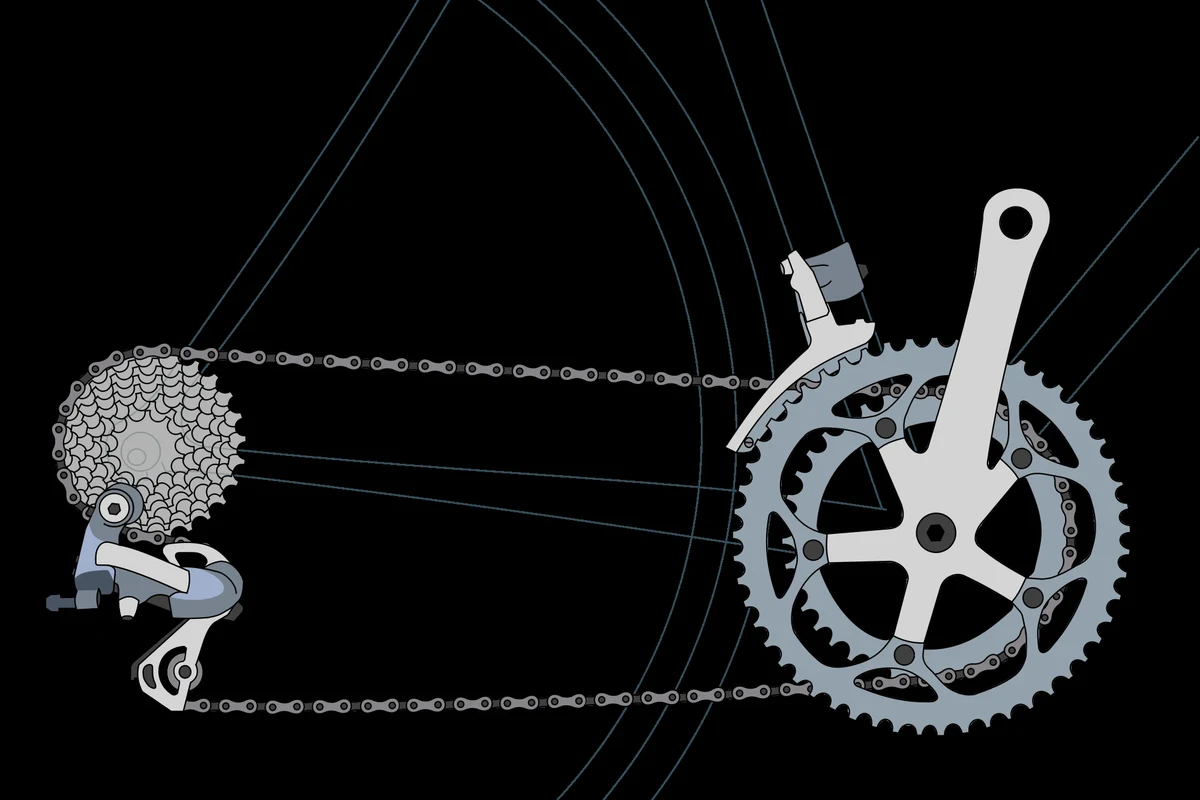
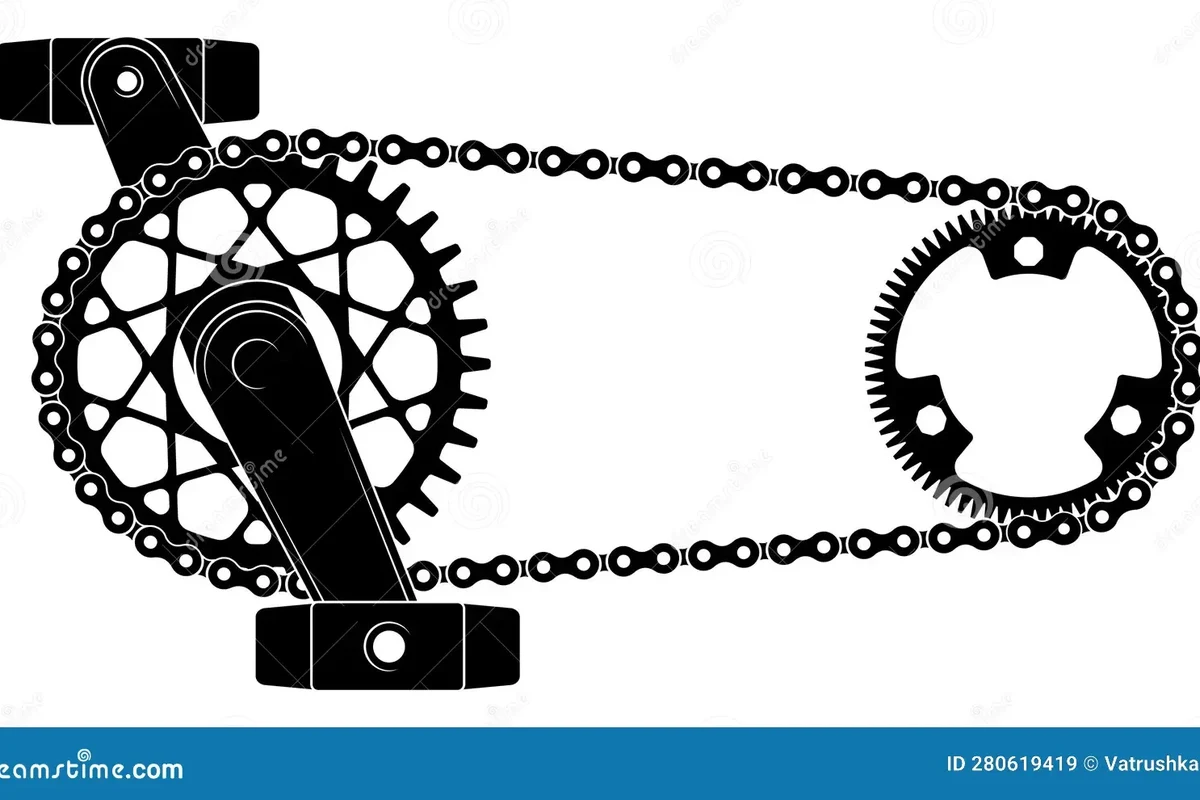
- Fit comes first: Internal dimensions and frame clearance determine whether the lock is actually usable.
- E-bike parts matter: Batteries, racks, fenders, motor housings, and disc brakes can change compatibility.
- Security is not enough: A high rating is less useful if the lock is hard to carry or.
- Layered protection helps: A primary lock plus a secondary cable or alarm can be useful for high-risk.
Frequently Asked Questions
The best lock depends on your bike’s shape, where you park, and how much weight you want to carry. U-locks, folding locks, and chain locks can all be good options if they fit your frame and parking routine.
Measure the frame opening, wheel clearance, and any space taken by racks, fenders, batteries, or motor housings. Then compare those measurements to the lock’s internal dimensions and mounting hardware.
Lock the frame first whenever possible, and include a wheel if the lock design allows it. A wheel-only setup can leave the main bike easier to steal.
They can add convenience and another layer of deterrence, but they should not replace a strong physical lock. For public parking or long stops, layered security is usually the better choice.
Wipe off dirt and moisture, follow the manufacturer’s lubrication guidance, and store the lock in a dry place when possible. Stop using it if the body, shackle, keyway, or mount is damaged.
Confirm the lock’s dimensions, security rating system, mounting compatibility, weather resistance, and care instructions. If specs vary by region or retailer, verify them before purchase.