Homemade dried pasta usually lasts about 1 to 2 months in a cool, dry pantry if it is fully dried and stored well. If it feels soft, smells off, or shows moisture, do not cook it.
Homemade dried pasta usually lasts about 1 to 2 months in a cool, dry pantry when it has been dried thoroughly and stored well. If it feels soft, bends instead of snapping, or shows any sign of moisture, treat it as a quality or safety problem and do not assume it is still good.
- Dryness matters most: Fully dried pasta stores much longer than pasta packed too soon.
- Pantry storage works best: Use a sealed container in a cool, dry place away from steam and heat.
- Watch for warning signs: Mold, dampness, sour odor, or softness means discard it.
- Quality can fade first: Pasta may still be edible after weeks but lose texture and flavor.
- Humid kitchens need extra care: Moisture control is the difference between good storage and spoilage.
How Long Does Homemade Dried Pasta Last? The Short Answer and What Affects It
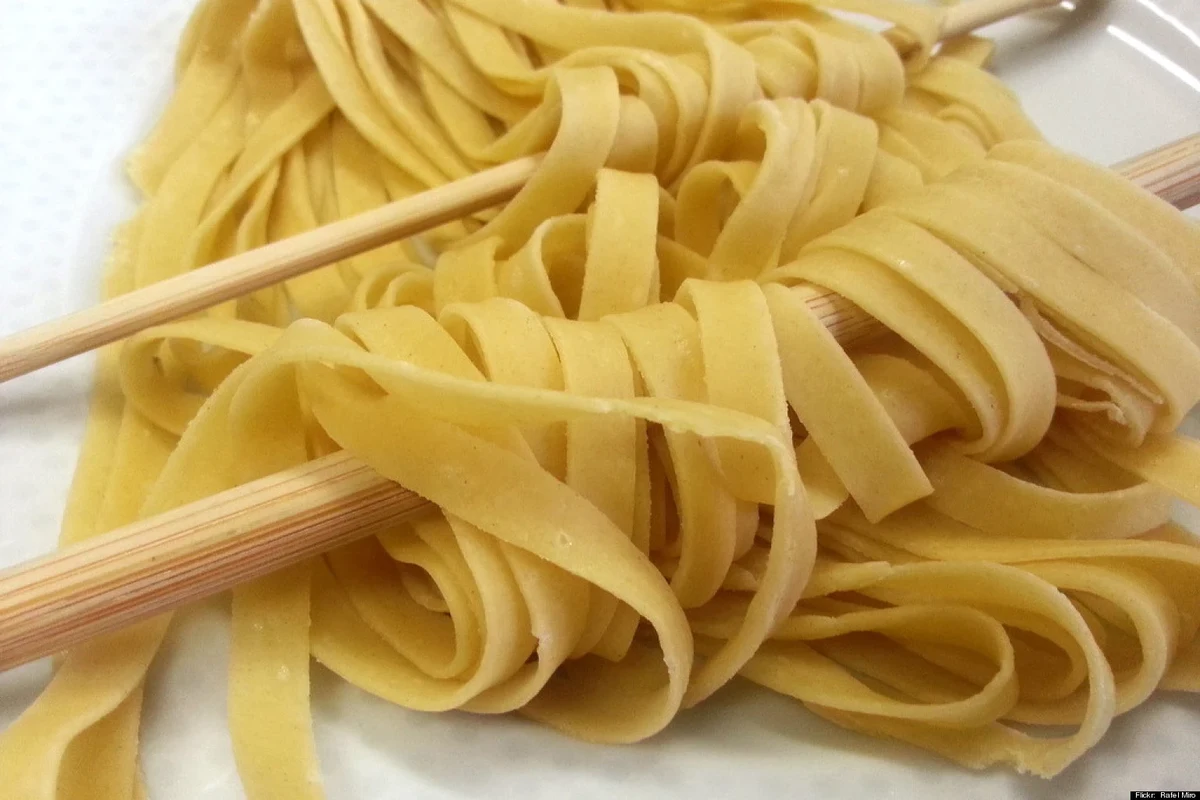
The shelf life of homemade dried pasta depends mostly on how dry it was before storage and how well it is protected afterward. A batch that is fully dried, cooled, and sealed away from heat and humidity can stay usable for weeks or even longer, while pasta packed too early can spoil much faster.
The biggest factors are moisture, storage temperature, container quality, and how often the pasta is exposed to air. Shape also matters: thicker cuts and stuffed pasta are more vulnerable than simple noodles because they dry less evenly and hold moisture in more places.
What Homemade Dried Pasta Is and How Drying Changes Shelf Life
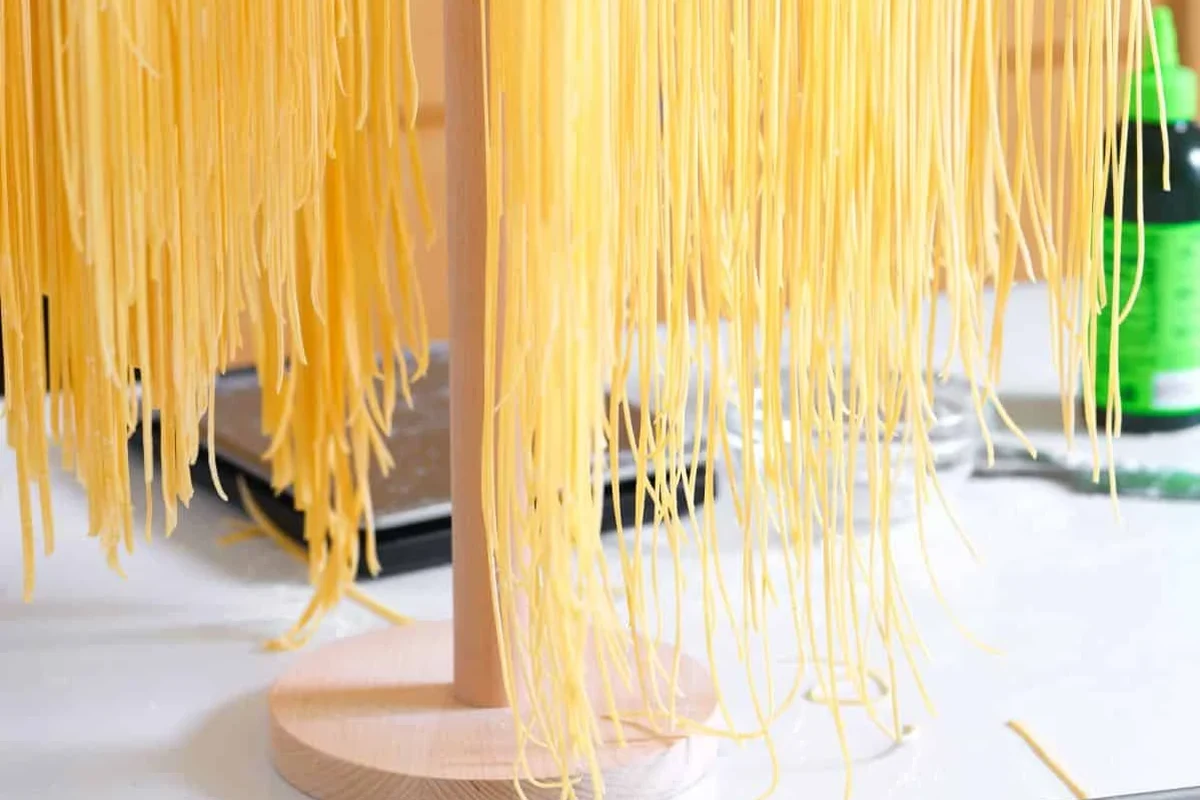
Homemade dried pasta is fresh dough that has been dehydrated enough to store at room temperature instead of the refrigerator. Drying removes the moisture that bacteria, mold, and yeast need to grow, which is why dried pasta lasts far longer than fresh pasta.
That said, homemade pasta is not identical to many store-bought dried pastas. Commercial pasta is typically produced under tightly controlled drying conditions, while home drying depends on your kitchen’s airflow, humidity, dough thickness, and how evenly the pieces were cut.
Fresh Pasta vs. Dried Pasta: Why Moisture Is the Main Factor
Fresh pasta is high in moisture and usually needs refrigeration or freezing for safe storage. Dried pasta, by contrast, is meant to have very little remaining water, so it can sit safely in a pantry much longer.
When moisture remains trapped inside the pasta, the outside may look dry while the center stays damp. That hidden moisture can lead to mold, off odors, or a sticky texture later, especially in humid homes or during warm weather.
How Proper Drying Works in 2025 Kitchen Conditions
In a typical home kitchen, proper drying means giving pasta enough time, airflow, and spacing to dry evenly. The exact time varies by thickness, shape, humidity, and room temperature, so there is no universal clock that fits every batch.
For home cooks, the practical goal is not just “feels dry on the outside.” The pasta should be firm throughout, with no cool or tacky spots, before it goes into storage. If your kitchen is humid, drying may take much longer than expected.
Room conditions matter more than most recipes admit. A dry winter kitchen and a humid summer kitchen can produce very different drying times for the same dough.
How to Tell When Homemade Dried Pasta Is Still Safe and Fresh
Before cooking stored homemade pasta, use a quick visual and tactile check. Good dried pasta should look evenly dry, feel firm, and smell neutral or faintly wheaty.
If anything seems off, do not rely on appearance alone. Moisture can hide inside pasta nests, thick shapes, or tightly packed containers.
Visual, Smell, and Texture Checks to Use Before Cooking
Look for uniform color and a hard, brittle feel. A properly dried noodle often snaps cleanly rather than bending like fresh pasta.
Smell the pasta before cooking. It should not smell sour, musty, stale, or damp. If it feels slightly soft after storage, spread it out again in a dry place and reassess rather than cooking it right away.
- Break a thicker piece in half to check whether the center is dry.
- Store a small “test portion” separately so you can compare texture later.
- If the pasta clumps together in storage, check for trapped moisture.
Signs of Moisture, Mold, or Spoilage You Should Not Ignore
Discard homemade dried pasta if you see mold, unusual discoloration, condensation inside the container, or any dampness that returns after drying. A sticky surface, fuzzy spots, or a sour smell are all red flags.
If you are unsure whether the pasta dried fully, it is safer to reject the batch than to guess. Dry pasta should not feel pliable or cool in a way that suggests hidden moisture.
If homemade pasta shows mold, persistent dampness, or a bad odor, do not taste it “to check.” When in doubt, throw it out.
Best Storage Methods for Homemade Dried Pasta
The best storage method is simple: let the pasta dry completely, cool it fully, then move it into a clean, airtight container in a dry pantry. Good storage protects the pasta from humidity, pests, odors, and frequent air exposure.
Glass jars, food-safe containers with tight lids, and sealed bags can all work if they stay dry and are not overfilled. The goal is to keep the pasta stable, not to keep opening the container every day.
Room-Temperature Storage: Containers, Bags, and Pantry Conditions
Room-temperature storage is the standard choice for fully dried homemade pasta. A pantry or cupboard away from the stove, sink, dishwasher, or direct sunlight is usually better than a counter or shelf near heat and steam.
Choose a container that closes securely and lets you inspect the pasta easily. If using bags, remove as much air as practical and avoid storing pasta in a warm, damp cabinet.
Why Humidity, Heat, and Light Affect Quality Over Time
Humidity is the biggest enemy because it can soften the pasta and reintroduce moisture. Heat can speed quality loss, while light can contribute to stale flavors over time.
That is why a sealed container in a cool, dark, dry space usually works better than a decorative jar left on the counter. Even if the pasta remains technically edible, poor storage can make it stale, brittle, or less pleasant to cook.
How Long Homemade Dried Pasta Lasts by Storage Method
There is no single expiration date for homemade dried pasta, but storage method gives you a useful range. The better the drying and storage, the longer the pasta usually holds its quality.
Use the ranges below as practical guidance, not as a guarantee. Homemade pasta can vary a lot based on dough thickness, shape, and kitchen conditions.
| Storage method | Best for | Key consideration |
|---|---|---|
| Cool, dry pantry in airtight container | Fully dried pasta for routine use | Best balance of convenience and shelf life |
| Freezer | Longer holding if dryness is uncertain or if you want extra margin | Package well to prevent moisture and odor transfer |
| Warm, humid, or loosely covered storage | Not recommended | Higher risk of softening, spoilage, or pests |
Typical Shelf-Life Ranges for Pantry, Freezer, and Improper Storage
In a dry pantry, well-dried homemade pasta often stays in good condition for about 1 to 2 months, and sometimes longer if the kitchen is especially dry and the container is well sealed. In a freezer, properly packed pasta can last longer from a quality standpoint, though freezing is usually more useful for extra caution than for standard dried-pasta storage.
Improper storage can shorten shelf life dramatically. If pasta is packed while still damp or stored in a humid area, spoilage can happen in days rather than weeks.
Dry pasta’s long shelf life comes from low moisture, not from the flour type alone. Even a good recipe cannot overcome poor drying or humid storage.
When “Still Edible” Is Not the Same as “Still Good”
Some pasta may remain safe but lose texture or flavor over time. It might cook unevenly, become fragile, or taste flat compared with a fresher batch.
That distinction matters for home cooks who want predictable results. If the pasta is safe but stale, it may still be usable in soups or baked dishes where texture matters less than in a simple plated pasta meal.
Common Mistakes That Shorten Shelf Life
Most storage failures come from avoidable process errors, not from the pasta itself. Small mistakes during drying or packing can undo the benefits of making dried pasta at home.
Focus on consistency: even drying, clean handling, and proper storage are more important than fancy equipment.
Underdrying, Storing Too Soon, and Using the Wrong Container
Underdrying is the most common problem. If pasta goes into storage before it is fully dry, trapped moisture can create spoilage risk and reduce quality fast.
Storing warm pasta in a sealed container is another mistake because condensation can form inside. Open baskets, loosely closed bags, or containers that let in humidity also shorten shelf life.
Cross-Contamination and Handling Errors During Prep
Clean hands, clean tools, and clean work surfaces matter because dried pasta can still pick up contamination before storage. If the pasta sits near wet ingredients, cooked food, or dirty utensils, you increase the chance of spoilage.
It also helps to avoid overcrowding during drying. Pasta that sticks together may dry unevenly, which creates hidden damp spots that are easy to miss until later.
- Dry pasta in a single layer or with enough spacing for air to move around it.
- Cool pasta completely before sealing it away.
- Label the storage container with the drying date if you batch-make pasta.
- Do not store pasta that still feels flexible or cool in the center.
- Do not use a container that traps visible condensation.
- Do not keep pasta near steam, dishwashers, or the stove.
Who Homemade Dried Pasta Is Best For and When It Makes Sense
Homemade dried pasta makes the most sense for people who enjoy batch cooking, want to use pantry space efficiently, or like giving edible gifts. It is also useful when you want a shelf-stable homemade staple without relying on the refrigerator.
But it is not always the best value. If you make pasta only occasionally, store-bought dried pasta may be more convenient and more consistent.
Home Cooks, Batch Preppers, and Gift-Makers
Home cooks who already make pasta dough in larger batches can benefit from drying extra portions for later. Batch preppers may appreciate the convenience of having a pantry-friendly option ready for weeknight meals.
Gift-makers also like dried pasta because it travels better than fresh pasta. Just make sure it is fully dry before packaging, and keep any decorative packaging from trapping moisture.
When Store-Bought Pasta May Be the Better Value
Store-bought pasta is often the better choice if you want maximum consistency with less effort. It usually has predictable shelf life, simpler storage, and fewer concerns about drying conditions.
If your kitchen is humid, you do not have a reliable drying setup, or you only cook pasta occasionally, buying dried pasta may save time and reduce waste. Homemade dried pasta is rewarding, but it works best when you can dry and store it correctly.
Practical Recommendation: How to Maximize Freshness, Safety, and Value
The safest approach is to dry homemade pasta until it is fully firm, cool it completely, and store it in a sealed container in a cool, dry pantry. Check it before cooking, and discard any batch that shows moisture, mold, or a sour or musty smell.
For most home cooks, the best value comes from making manageable batches, labeling the date, and using the pasta within a reasonable pantry window rather than trying to stretch it indefinitely.
Simple Storage Routine and Final Verdict for 2025 Readers
Dry the pasta evenly, let it rest until no soft spots remain, and store it only after it has fully cooled. Keep the container away from heat and humidity, and inspect the pasta again if it has been stored for a while.
Final verdict: homemade dried pasta can last a solid amount of time when handled correctly, but its shelf life is only as good as the drying step. If you want the best balance of freshness, safety, and convenience, treat dryness and storage conditions as the real deciding factors, not just the calendar.
Frequently Asked Questions
Well-dried homemade pasta often lasts about 1 to 2 months in a cool, dry pantry. It may last longer if storage conditions stay stable, but moisture and heat can shorten that window.
Yes. If it was stored while still damp or later picks up moisture, it can mold, smell off, or become unsafe to eat.
It should look evenly dry, feel firm, and smell neutral or wheaty. Discard it if you see mold, feel softness, or notice a sour or musty odor.
Usually no, if it is fully dried and stored properly in a sealed container. Refrigeration can add moisture unless the pasta is already very dry and well protected.
Yes, freezing can add extra protection if you want a longer holding option. Package it well so it stays dry and does not absorb freezer odors.
Underdrying is the biggest problem, followed by humid storage and loose containers. Heat, light, and frequent air exposure can also reduce quality over time.