Dry pasta is usually fine if it stays dry, smells neutral, and shows no signs of pests or mold. If you see moisture, clumping, webbing, or a bad odor, throw it out.
If dry pasta looks normal, smells neutral, and has stayed dry in a sealed package or airtight container, it is usually still fine to cook. The biggest warning signs are moisture, mold, pantry pests, strong off odors, or visible contamination.
- Look first: Mold, pests, moisture, and damaged packaging are the biggest red flags.
- Smell matters: Musty, sour, or oily odors are not normal for dry pasta.
- Date labels aren’t everything: Best-by dates guide quality, not the only safety decision.
- Storage changes everything: Cool, dry, airtight storage helps pasta last much longer.
How to Tell if Dry Pasta Is Bad: The Fast Answer
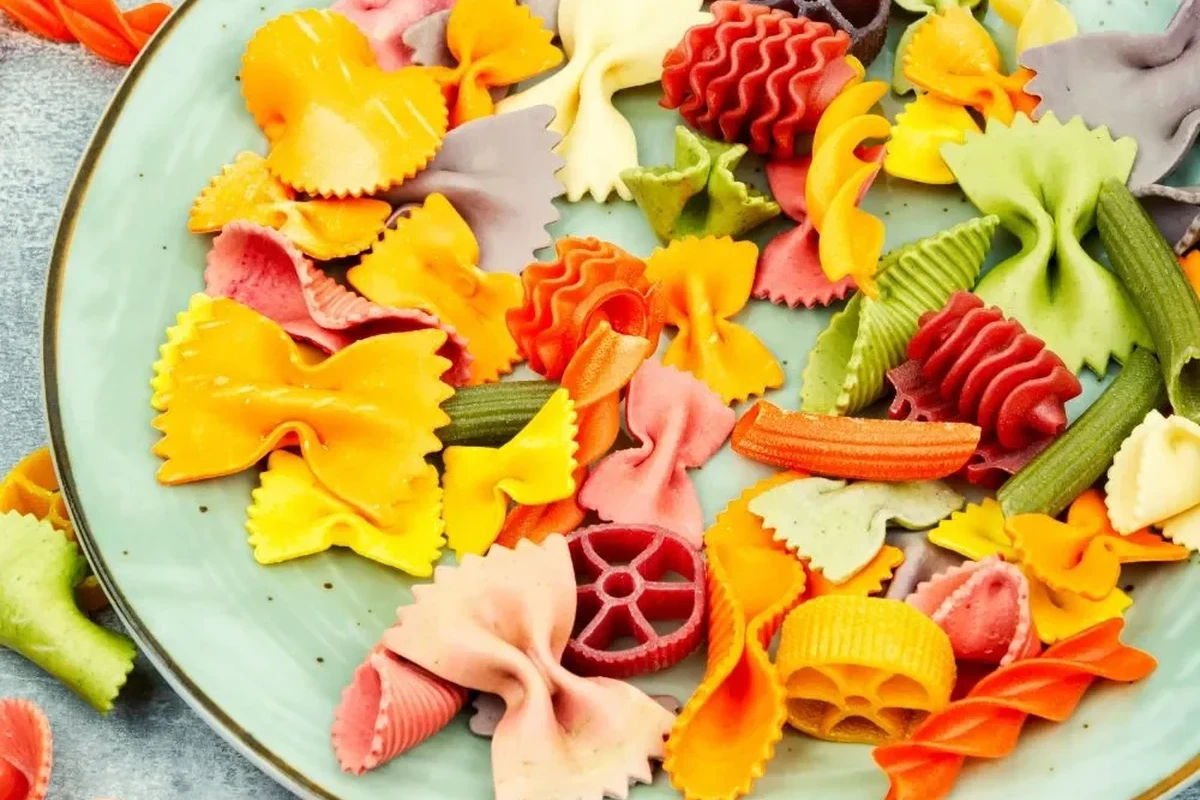
Dry pasta usually does not “spoil” the way fresh food does, but it can still go bad if it absorbs moisture, gets contaminated, or picks up pests. Before cooking, check the color, smell, texture, and packaging; if anything looks moldy, damp, musty, or insect-damaged, throw it out.
What “Bad” Means for Dry Pasta in 2025
For dry pasta, “bad” can mean two different things: it may be stale or lower quality, or it may be unsafe because it has been contaminated. That distinction matters because a best-by date is not the same thing as a hard safety deadline.
Signs of spoilage vs. signs of age
Age alone often shows up as faded flavor, a dull appearance, or pasta that breaks more easily than usual. Spoilage is more serious and usually involves moisture damage, mold, bugs, webbing, a sour or musty smell, or visible dirt and contamination.
Dry pasta can be old and still usable if it has been stored well. The key question is whether it stayed dry and uncontaminated.
Why dry pasta usually lasts so long
Dry pasta has very little moisture, which makes it hard for bacteria and mold to grow. That is why an unopened box can often sit in a pantry for a long time without any problem, as long as the package stays intact and the storage area stays dry.
Visual Checks: What to Look for Before Cooking
A quick visual inspection catches most problems before they reach the pot. Open the package and look closely under good light, especially if the pasta has been stored for months or the pantry has had humidity issues.
Color changes, spots, and powdery residue
Dry pasta should look consistent for its type, whether it is plain semolina pasta or a specialty shape. Small amounts of flour dust can be normal, but dark spots, fuzzy patches, greenish growth, or a damp-looking surface are not.
Many dry foods fail in the pantry because of moisture exposure, not because they simply got old.
Broken pieces, clumping, and unusual texture
Some breakage is normal, especially with long storage or rough handling. What matters more is whether the pasta feels sticky, soft, or clumped together, which can suggest moisture exposure or partial melting from heat and humidity.
Signs of mold, pests, or contamination
Discard the pasta if you see mold, webbing, larvae, beetles, moths, droppings, chewed packaging, or any foreign debris. If the package was torn open, stored near cleaning chemicals, or exposed to flooding, treat it as contaminated even if it still looks mostly normal.
If dry pasta shows signs of pests, mold, or chemical contamination, do not rinse it and cook it anyway. Throw it out and clean the storage area.
Smell and Texture Tests That Help Confirm Freshness
Smell and texture are useful backup checks when the pasta looks borderline. They are especially helpful for pasta that has been stored in an opened bag, a reused container, or a pantry with fluctuating temperature and humidity.
Normal dry pasta smell vs. rancid or musty odors
Fresh dry pasta usually has a very mild grain smell or almost no smell at all. A musty, sour, oily, or stale odor is a warning sign, especially if the pasta also feels damp or the package has been exposed to heat.
What a damaged or stale texture can tell you
Dry pasta should feel hard and dry, not tacky or soft. If it bends too easily, feels sticky, or leaves a moist residue on your hands, moisture may have gotten in and the pasta may no longer be a good candidate for cooking.
- Smell the pasta right after opening the package, before cooking water or kitchen odors mask anything.
- If only one section looks questionable, inspect the whole package, not just the top layer.
- When in doubt about moisture or pests, err on the side of discarding it.
How Storage Conditions Affect Dry Pasta Shelf Life
Storage conditions matter more than the calendar for most dry pasta. Heat, humidity, and repeated opening and closing of containers can shorten shelf life and make quality checks more important.
Pantry storage, humidity, and temperature
A cool, dry pantry is the best everyday storage spot. Pasta stored near the stove, dishwasher, sink, or a sunny window is more likely to absorb moisture or heat, which can lead to clumping, flavor loss, or insect problems.
Original packaging vs. airtight containers
Unopened original packaging is usually fine if it stays sealed and dry. After opening, an airtight container helps protect the pasta from humidity, odors, and pantry pests, but the container itself should also be clean and fully dry before use.
How long different pasta types typically last
Plain dried wheat pasta generally lasts longer than specialty varieties with added ingredients, but exact shelf life varies by brand, packaging, and storage conditions. Whole-wheat, gluten-free, legume-based, or egg-enriched dry pasta may be more sensitive to off odors or quality loss, so check the package guidance and look for any unusual changes before cooking.
| Storage situation | What to expect | What to check first |
|---|---|---|
| Unopened, cool pantry | Usually stable for a long time | Package integrity and date guidance |
| Opened, airtight container | Still usually fine if kept dry | Smell, texture, and pests |
| Humid or warm pantry | Higher risk of quality loss | Clumping, odor, and moisture damage |
Who This Guide Fits: Home Cooks, Bulk Buyers, and Meal Preppers
This guide is useful if you buy pasta in bulk, keep a long pantry rotation, or cook from older dry goods between grocery runs. It also helps if you are trying to decide whether a box past its date is still worth using.
When dry pasta is still safe to use after the date on the package
Dry pasta can often be fine after its best-by date if it has stayed sealed, dry, and free of pests. The date usually speaks more to quality than to immediate safety, so the real check is whether the pasta still looks, smells, and feels normal.
When to discard pasta without hesitation
Toss it immediately if you find mold, insects, webbing, moisture, a strange smell, or evidence that the package was exposed to water, heat damage, or chemicals. If you are serving children, guests, or anyone with a sensitive stomach, it is especially wise to avoid using questionable pasta.
- Check for moisture, clumping, mold, pests, and damaged packaging
- Smell for musty, sour, or oily odors
- Confirm the pasta feels dry and hard, not sticky or soft
- Use the package date as a guide, not the only decision point
Common Mistakes People Make When Judging Dry Pasta
Most pasta mistakes come from treating every old box the same. A package can be old, slightly dusty, or imperfect and still be usable, but visible contamination or moisture damage changes the decision completely.
Confusing best-by dates with safety dates
A best-by date is generally about peak quality, not an automatic discard date. People sometimes throw away perfectly usable pasta because the date passed, while overlooking actual warning signs like dampness or pests.
Ignoring pantry pests and moisture damage
Small insects, webbing, and tiny holes in packaging are easy to miss if you only glance at the box. Moisture damage can be subtler too, showing up as clumps, soft spots, or a stale smell rather than obvious mold.
Cooking questionable pasta instead of checking it first
Boiling pasta does not fix contamination from pests, mold, or chemicals. It is better to inspect the dry pasta first than to assume cooking will make it safe or improve its quality.
- Inspect the package and the pasta before cooking
- Use your eyes, nose, and hands together
- Discard anything that smells or looks wrong
- Relying only on the date printed on the box
- Cooking pasta that shows moisture or pest damage
- Assuming all discoloration is harmless flour dust
Safe Use, Storage, and Final Recommendation
The safest approach is simple: keep dry pasta dry, sealed, and away from heat and pests, then inspect it before every use if it has been sitting for a while. If it passes the visual, smell, and texture checks, it is usually fine to cook.
Best practices to keep dry pasta in good condition
Store pasta in a cool pantry, close containers tightly, and avoid leaving opened bags exposed to humidity. If you buy in bulk, divide the pasta into clean, dry, airtight containers so you can spot problems sooner and protect the rest of your supply.
When to keep it, when to toss it, and the value of checking first
Keep dry pasta when it looks clean, smells neutral, and feels hard and dry. Toss it when you see moisture, mold, pests, or contamination, because those are the signs that matter most—not the age of the package alone.
If dry pasta looks normal and has stayed dry, it is usually still usable even after the date on the package. If you notice moisture, pests, mold, or a bad smell, discard it and replace it rather than gambling on a questionable box.
Frequently Asked Questions
Yes, but it is uncommon if the package stayed dry and intact. Sealed pasta is usually more likely to lose quality than become unsafe.
Bad dry pasta may smell musty, sour, oily, or stale. Fresh dry pasta usually has little to no smell.
Often yes, if it looks, smells, and feels normal. The best-by date is usually about quality, not an automatic safety cutoff.
Look for mold, insects, webbing, clumping, moisture, damaged packaging, or unusual odors. Any sign of contamination means it should be discarded.
No. Cooking does not fix contamination from pests, mold, or chemicals, so inspect the dry pasta first.
Keep it in a cool, dry pantry in a sealed package or airtight container. Avoid heat, humidity, and containers that are not fully dry or clean.