
Bone conduction headphones send sound through the cheekbones so the ear canals stay open, letting runners hear traffic and surroundings while listening to music or podcasts. They sit outside the ear, are often sweat-resistant, and can be lighter and safer for outdoor workouts than in-ear buds. Runners who want situational awareness and comfort over long runs often choose this style.
Buyers should focus on fit, sound clarity, battery life, and water or sweat resistance. Fit matters more for running than casual use because a loose headset will bounce and lose contact. Good bone conduction headphones strike a balance between clear audio, a secure fit during movement, and enough battery life for long runs. The next sections test top models and explain how to pick the best option for different running needs.
10 Best Bone Conduction Headphones for Running
Below is a curated list of the best bone conduction headphones for running, chosen for comfort, sound clarity, battery life, and sweat resistance. The list helps runners compare reliable options for safety and performance on the road or trail.
SHOKZ OpenRun

It is a strong choice for runners who want clear audio while staying aware of traffic and surroundings.
Pros
- Keeps ears open for safety and awareness.
- Lightweight, comfortable fit for long runs.
- Sweat- and water-resistant for outdoor workouts.
Cons
- Sound can leak at high volume.
- Audio may lack deep bass compared with earbuds.
- Not suitable for swimming.
The OpenRun uses bone conduction to send sound through the cheekbones, so runners hear music without blocking their ear canals. This helps them notice cars, bikes, and other hazards while on the road.
Its wraparound frame and low weight make it easy to forget it is on during long sessions. The included sweat headband and case aim to keep the set useful for regular training and travel.
Battery life supports about eight hours of playtime and quick charging gives a short boost when needed. Call quality and Bluetooth connection are solid for most runs, though heavy wind can affect clarity.
Some runners will like the open-ear feeling and safety trade-offs. Others who want deep bass or fully private listening may prefer traditional earbuds instead.
SHOKZ OpenRun Pro 2
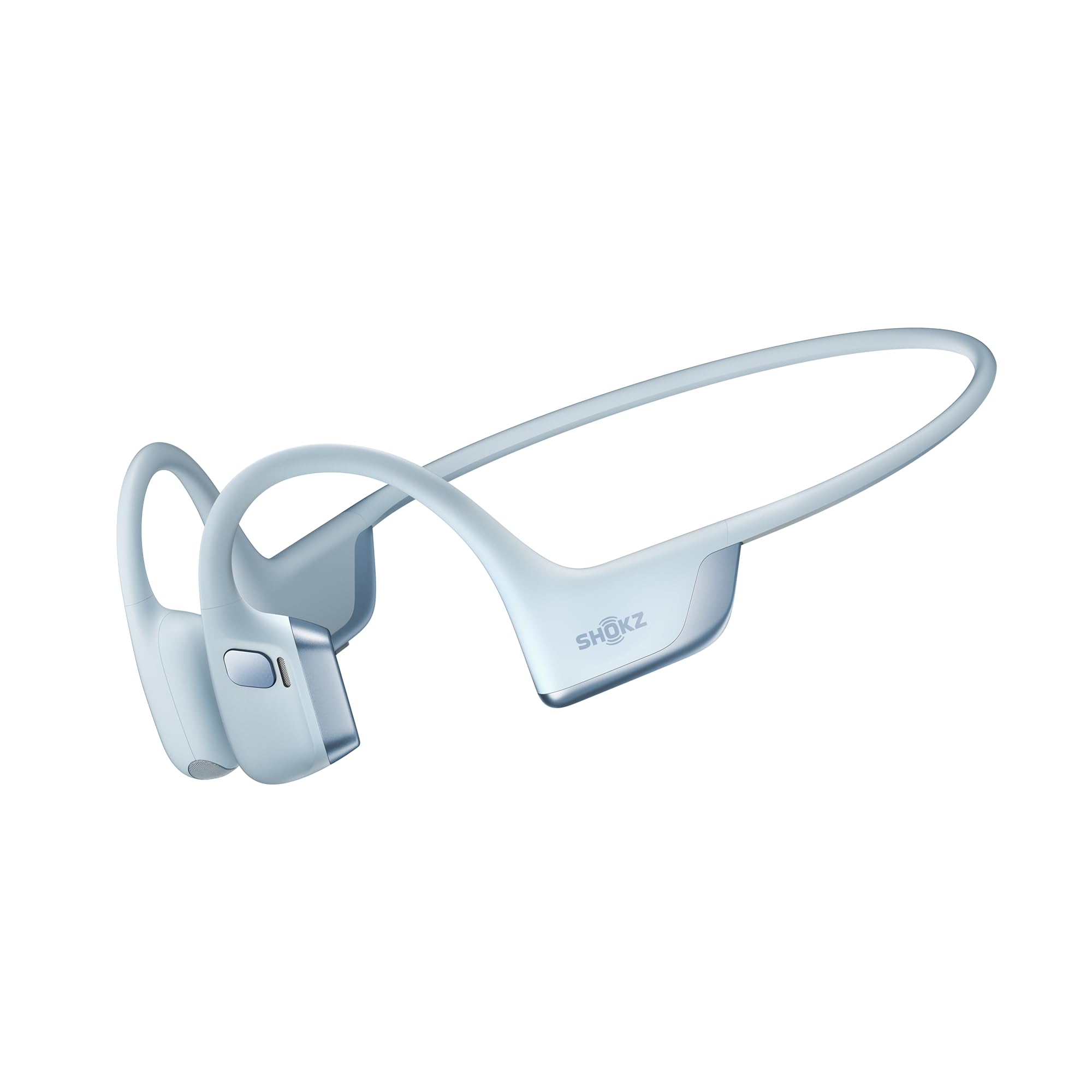
It is a strong choice for runners who want open-ear awareness, long battery life, and a secure fit without blocking outside sound.
Pros
- Open-ear design keeps runner aware of traffic and surroundings.
- Long battery life supports extended runs and long days.
- Stable, lightweight fit that stays put during activity.
Cons
- Sound won’t match sealed over-ear headphones for bass or volume.
- Open-ear design can leak audio in quiet areas.
- Higher price than basic bone conduction options.
These headphones focus on safety and comfort for outdoor use. They let sound sit outside the ear so a runner can hear cars and other hazards while listening to music or podcasts.
The fit uses a memory wire and ergonomic hooks to reduce slipping during sprints or trails. Sweat resistance and a light frame aim to make them usable in tough workouts.
Audio balances bone conduction with added air-conduction drivers for clearer highs and fuller low end than older open-ear models, though they still sound different from closed earbuds.
Call quality gets a boost from wind-resistant mics and noise-reduction software, which helps during phone calls on the move. Runners who take calls on the road will likely find this useful.
They pair across devices and offer EQ modes through an app to tweak the sound for noisy runs or quieter listening. The product backs this with a two-year warranty for added peace of mind.
SHOKZ OpenRun Pro

It is a strong choice for runners who want to hear music and stay aware of their surroundings without in-ear buds.
Pros
- Open-ear design keeps ears clear for safety.
- Secure, lightweight fit that stays put during runs.
- Long battery with quick-charge boost for short outings.
Cons
- Sound won’t match sealed earbuds at high fidelity.
- Some people find controls awkward to use.
- Others nearby can hear loud playback.
The OpenRun Pro uses bone conduction to send sound through the cheekbones, so runners keep environmental awareness while listening. It aims for clear mids and boosted bass compared with older bone conduction models.
Its wraparound titanium frame sits lightly on the head and resists sweat. The package includes a hair band and a hard case, which helps keep the fit steady and the gear protected.
Battery life supports most runs and training sessions, and a five-minute quick charge gives a useful short boost. Bluetooth connection and mic handle calls, but controls rely on a mix of buttons and touch that takes familiarizing.
These headphones suit someone who values safety and comfort over closed-ear sound isolation. They work best for outdoor runners, cyclists, and anyone who needs to hear traffic and people while listening.
SHOKZ OpenMove

The OpenMove is a solid choice for runners who want situational awareness and a comfortable open-ear fit without earbud discomfort.
Pros
- Keeps ears clear so users can hear traffic and surroundings.
- Lightweight and stays in place for light runs and daily use.
- Sweat-resistant and charges via USB-C.
Cons
- Bass and volume won’t match sealed in-ear or over-ear models.
- Battery life is moderate for long runs or all-day use.
- Not ideal for very intense workouts where a firmer fit is needed.
The OpenMove uses bone conduction to send sound through the cheekbones, so runners can stay aware of nearby sounds. It feels light and does not sit inside the ear canal, which helps people who dislike earbuds.
Sound quality works well for podcasts, calls, and casual music, though deep bass is limited compared with closed headphones. Call clarity receives consistent mention from users, but audiophiles may find it thin.
Battery lasts around six hours on a single charge, which suits most runs and workouts but might require a midday top-up for long outings. The wraparound titanium frame gives a secure fit for low-impact activities, yet some may notice movement during vigorous exercise.
For those who need open-ear safety and a simple, sweat-resistant pair for running and commuting, the OpenMove offers a practical balance of comfort and performance.
Ogogrs Bone Conduction Headphones
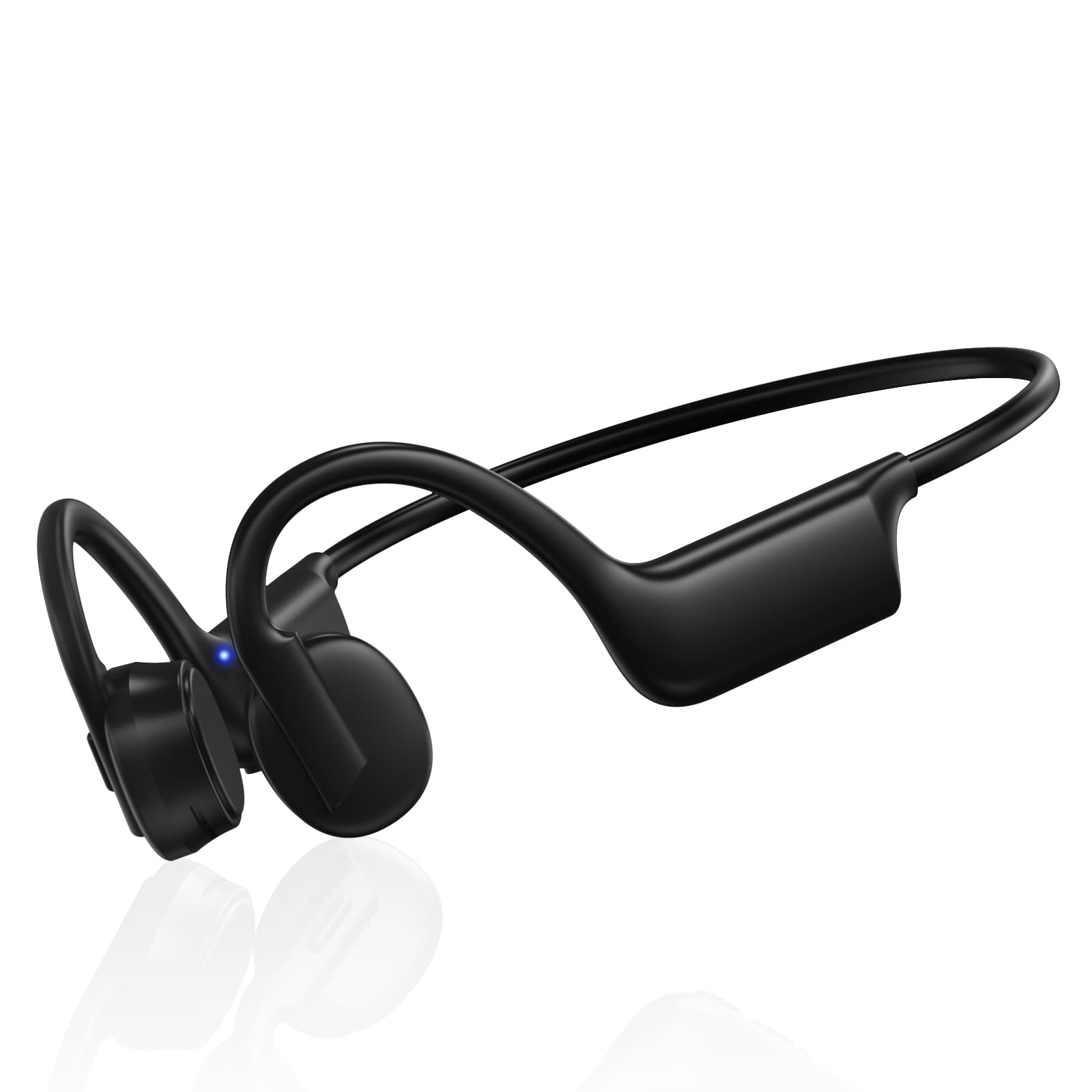
These headphones are a solid pick for runners who want to hear music and stay aware of traffic and surroundings.
Pros
- Open-ear design keeps ears free and lets ambient sound in.
- Lightweight titanium frame feels flexible and stays put during activity.
- Long battery life with Type-C fast charging.
Cons
- Sound lacks deep bass compared with in-ear models.
- Not fully waterproof—sweat and light rain only.
- Open-ear design leaks sound to people nearby at higher volumes.
The titanium frame makes these easy to wear for long runs. They sit on the temples and transmit audio through bone conduction so ears remain open for safety.
Bluetooth 5.3 promises quick pairing and stable playback. The battery claims up to 10 hours, which covers most long runs and daily use.
Runners who value situational awareness will like the fit and comfort. Those who want strong bass or total noise isolation might prefer traditional earbuds instead.
PSIER X18 Bone Conduction Headphones
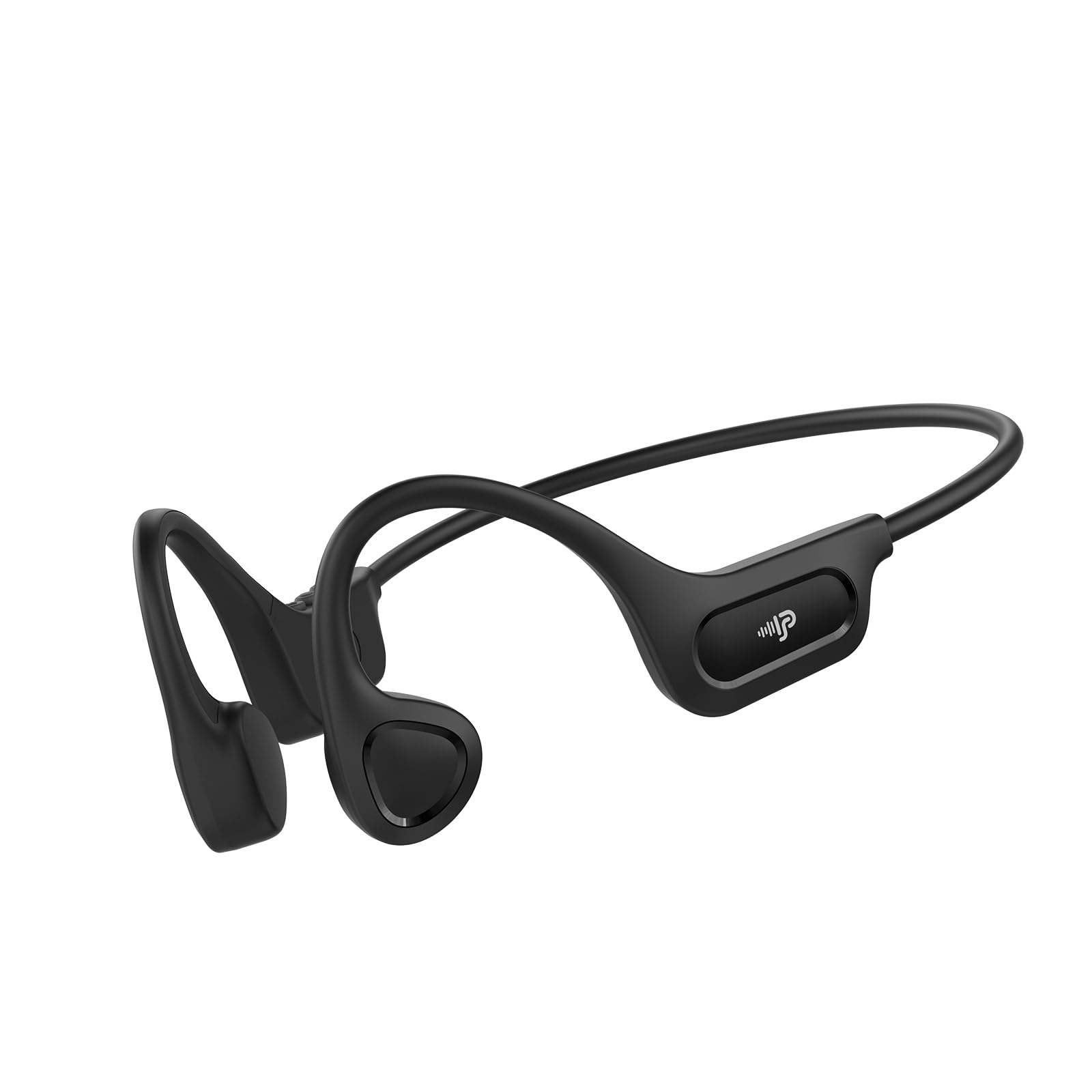
It is a solid budget-friendly option for runners who want open-ear awareness and long battery life without bulky equipment.
Pros
- Lightweight and secure fit for long runs
- Good open-ear sound with reduced leakage
- Long battery life and fast USB-C charging
Cons
- Sound may drop after weeks of use for some users
- Fit can press when leaning back or in certain seats
- Not for underwater use; limited sweat resistance
These headphones use updated bone conduction tech to deliver audio through the cheekbones, keeping the ear canals open for safety while running. The 23 g frame and titanium memory wire aim to stay put without pressing on the ears.
Bluetooth 6.0 promises steady connections and low latency, and the claimed 10 hours of playtime covers most long training sessions. A fast Type‑C charge and long standby time add convenience between runs.
Some buyers note sound or volume drop after a few weeks and occasional fit issues when leaning back. The IPX5 rating protects against sweat and light rain but does not allow swimming.
Overall, the PSIER X18 suits runners who want situational awareness and lightweight comfort at a lower price, while accepting potential durability and fit trade-offs.
Raycon Bone Conduction Headphones (Gray)
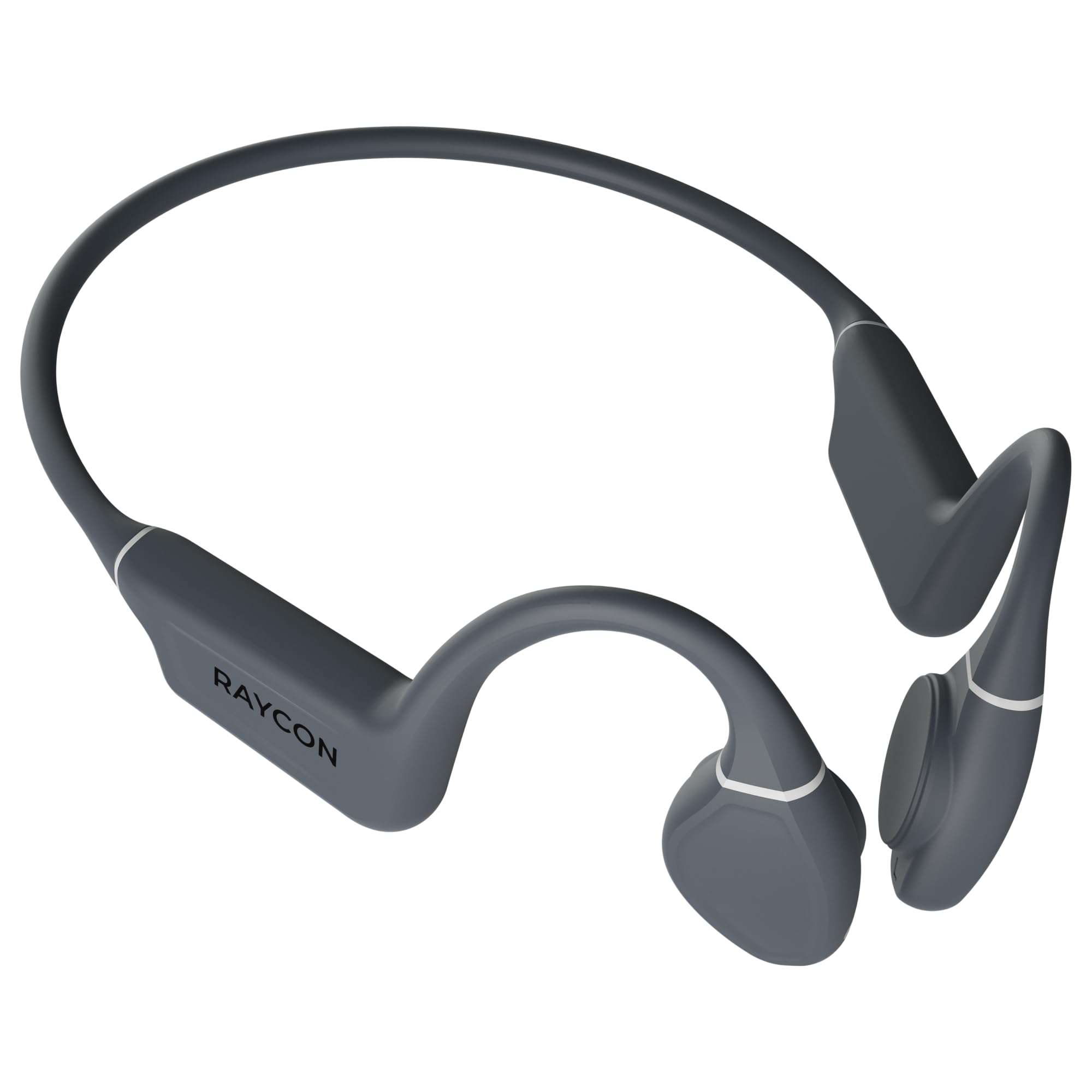
They are a solid choice for runners who want to hear music and stay aware of their surroundings without in-ear buds.
Pros
- Open-ear design keeps ears free for safety.
- Lightweight and stays secure during movement.
- Water- and sweat-resistant for outdoor runs.
Cons
- Sound can lack bass compared with in-ear options.
- Some users feel pressure after long wear.
- No active noise cancellation, so loud environments may drown audio.
The open-ear design helps runners stay aware of traffic and other hazards while listening. It fits lightly around the head so it rarely shifts during short runs.
Battery life lasts about a day of typical use, which suits most training sessions. Controls are simple, and the Bluetooth connection is modern for stable pairing.
Sound is clear for voice and many music styles, though bass lovers might notice less depth than sealed earbuds. The IP68 resistance means rain or sweat usually won’t stop a run.
Gavhaio X66 Bone Conduction Headphones
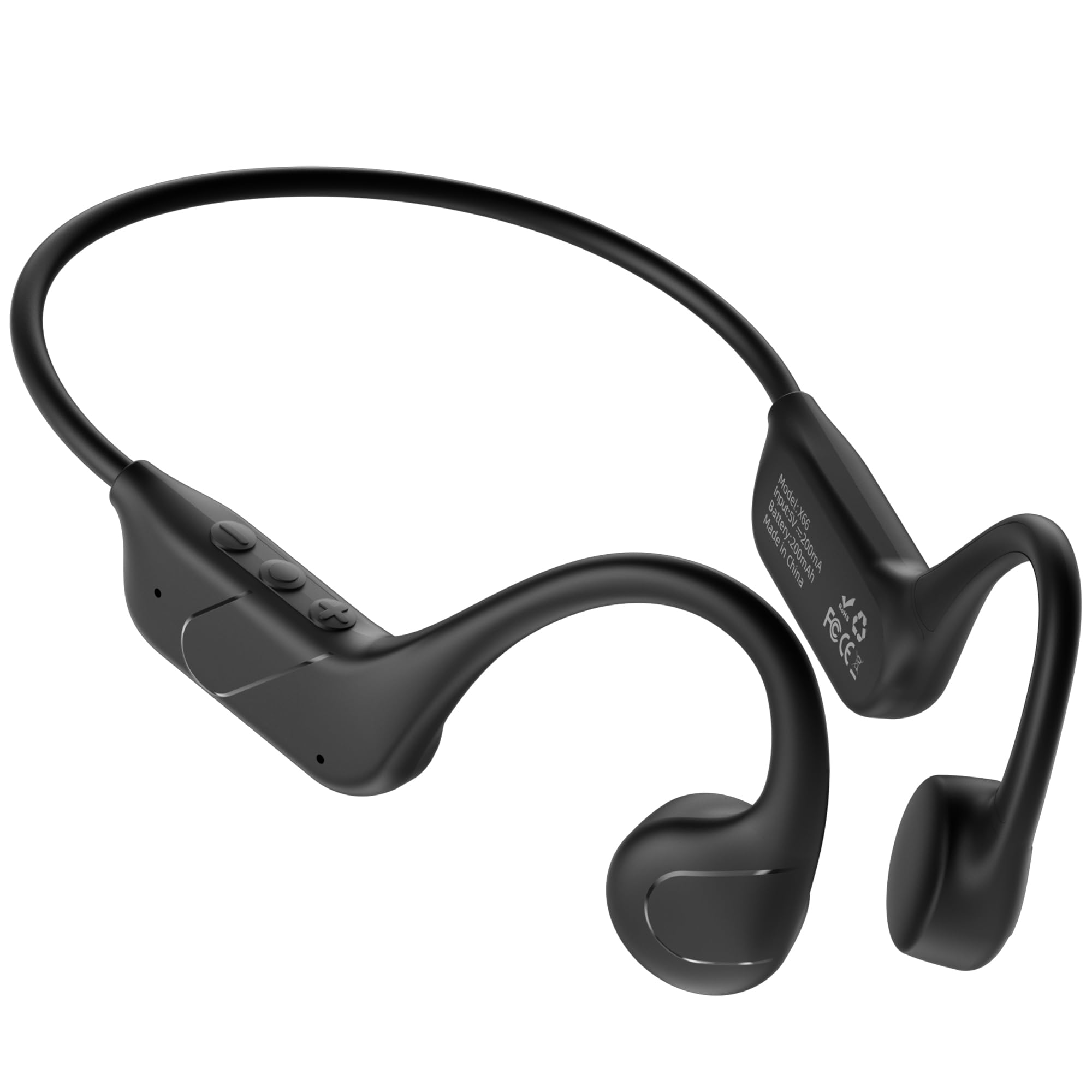
It’s a solid choice for runners who want open-ear awareness, light weight, and long battery life.
Pros
- Very light and stays comfortable during movement
- Open-ear design keeps runners aware of traffic and surroundings
- Long battery life suitable for extended activities
Cons
- Open-ear design can leak some sound at higher volumes
- Not meant for swimming or heavy water exposure
- Bone conduction audio may lack deep bass for some listeners
The wraparound frame sits lightly on the head and keeps the earpieces against the cheekbones without pressing into the ear canal. Runners will like that it stays secure and lets air flow around the ears.
Bluetooth 6.0 provides quick pairing and steady connection for runs. The 12-hour battery life at moderate volume means fewer mid-run charges and simpler use on long outings.
Audio comes through the bones rather than inside the ears, so vocals and mids sound clear but bass is softer than sealed earbuds. The IP54 rating handles sweat and light splashes, but users should avoid heavy rain or submersion.
Vulxovt L10 Bone Conduction Headphones
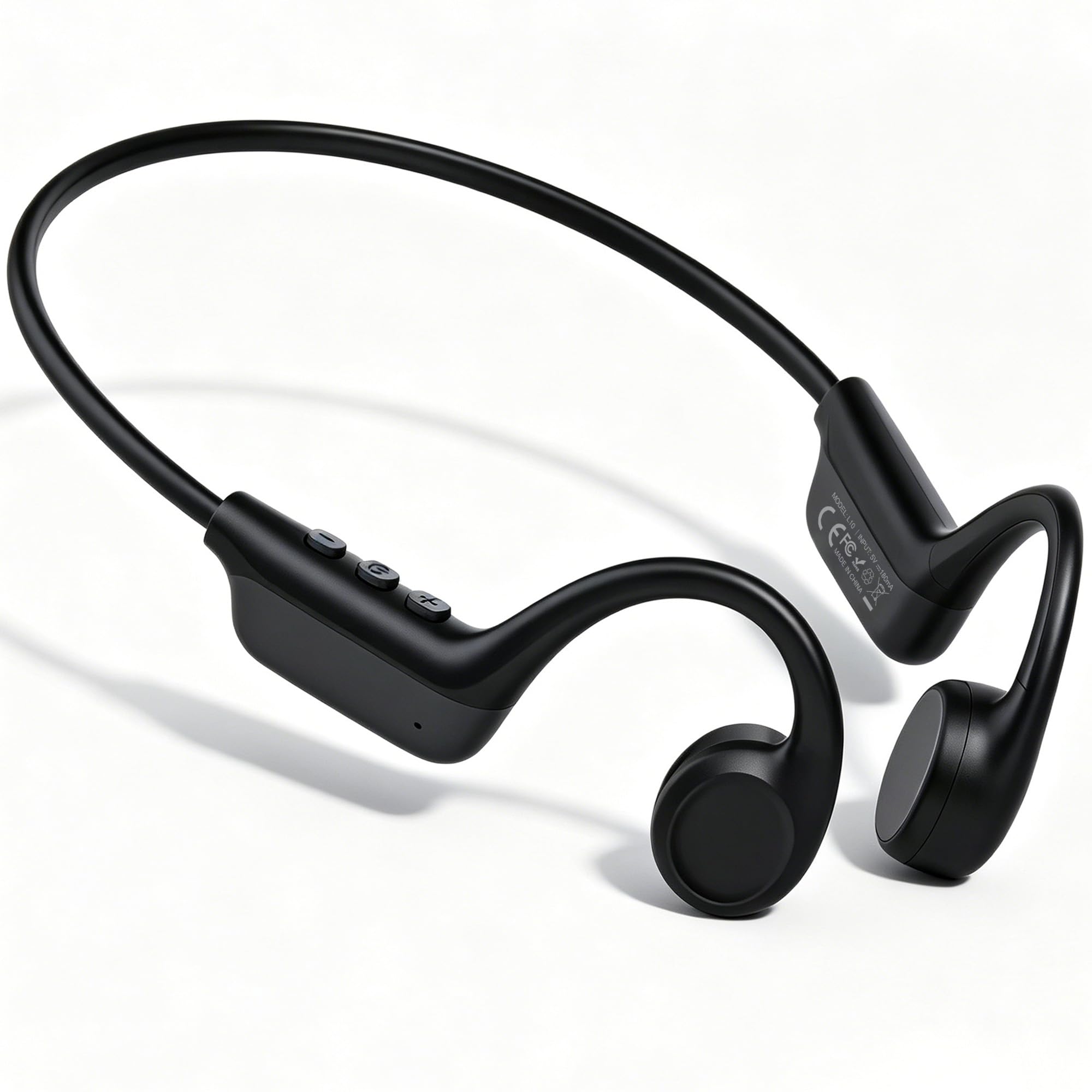
It is a strong buy for runners who want open-ear awareness, long battery life, and a very light fit.
Pros
- Very light and comfy for long runs
- Lets users hear traffic and surroundings
- Stable Bluetooth and decent 10-hour playtime
Cons
- Sound lacks deep bass compared to in-ear options
- Not rated for swimming or full water submersion
- Open-ear design can leak sound at high volume
These headphones use true bone conduction to keep ears clear while delivering audio through the cheekbones. They weigh about 27 g and sit on a flexible titanium frame that aims to stay secure without pressing on ears.
Bluetooth 6.0 helps them pair quickly and hold a steady signal during runs. The battery life claims up to 10 hours, with Type-C charging for faster top-ups between sessions.
IPX5 protection handles sweat and light rain, which makes them suitable for outdoor training but not for pool use. Runners who need to stay aware of cars and other people will likely appreciate the open-ear safety.
Buying Guide
What to prioritize
Runners should focus on fit and stability first. A secure fit keeps the headphones in place during sprints and turns. Comfort matters too; lightweight designs with soft contact points prevent irritation on long runs.
Sound and awareness
Bone conduction gives ambient sound, so balance clarity and environmental awareness. Look for models with clear midrange and sufficient volume without blocking external noise. Good microphones and wind-reduction help for calls and safety.
Battery and charging
Battery life affects training length. Choose battery life that covers typical runs plus extra for music and calls. Fast charging and a reliable case or cable make daily use easier.
Water and sweat resistance
Sweat and rain exposure is common while running. Check for an IP rating that covers sweat and light rain. Durable materials and corrosion-resistant contacts extend longevity.
Controls and connectivity
Physical controls work better while moving than touch panels. Stable Bluetooth and multi-device pairing help when switching from watch to phone. Easy-to-reach buttons reduce distractions.
Fit testing and return policy
Try products with a trial period or flexible return policy. Personal head shape affects comfort and fit. A clear warranty and support options protect against defects.
Additional features
Consider strap design, weight, and how the device sits near the ears. Look for audio customization, voice prompts, and compatible fitness integration if those features matter.
Editor’s Choice
The Editor’s Choice picks the best balance of sound, fit, and safety for runners. It names a model that works well for short sprints and long runs, with reliable battery life and stable fit.
This pick uses open-ear design to keep runners aware of surroundings. It offers clear mids and highs, and acceptable bass without covering the ear. The fit stays secure during movement and sweat.
Battery life lasts through multiple runs. Charging is fast enough to get back on the road quickly. Controls sit within easy reach and respond reliably while running.
Durability matters for outdoor use. The chosen headphones resist sweat and light rain, and they hold up to repeated use. That reduces the need for frequent replacements.
Key features at a glance:
- Comfort: lightweight, flexible frame
- Sound: clear vocals and instruments, safe ambient awareness
- Battery: 6–10+ hours typical
- Durability: water-resistant rating and sturdy build
The Editor’s Choice favors a model that performs well for most runners. It does not claim to be the absolute best for every niche, but it offers the most balanced value for everyday running.
FAQs
Are bone conduction headphones safe for running?
They are generally safe because they keep ears open to ambient sound. Runners can hear traffic and warnings while listening to music.
Do bone conduction headphones fit well while running?
Most models have a behind-the-head band that stays put during movement. Fit can vary, so trying them on before long runs helps.
How is sound quality compared to regular earbuds?
They usually have less bass and a thinner sound than in-ear buds. For spoken audio and podcasts, they work very well.
Will sweat damage them?
Many running models have water or sweat resistance ratings like IPX5 or IP67. Check the rating to be sure it matches the expected conditions.
Can bone conduction headphones cause hearing damage?
They reduce ear canal pressure, but loud volumes can still harm hearing. Keeping volume at moderate levels protects hearing.
Do they work with glasses or helmets?
Yes, they often work with glasses and helmets since they sit outside the ear. Comfort may depend on frame shape and helmet fit.
How long does the battery last?
Battery life varies from about 6 to 12+ hours depending on the model. Faster charging and case capacity affect total runtime.
Are they good for phone calls?
Many models include microphones and noise reduction. Call quality can be adequate but sometimes less clear in windy conditions.
What should a runner look for when buying?
Look for stable fit, sweat resistance, battery life, and clear mic quality. Sound profile and price are also important.
Conclusion
Bone conduction headphones let runners hear music and stay aware of surroundings. They work best for people who value situational awareness, comfort, and sweat resistance.
Choose a model based on fit, battery life, sound clarity, and durability. If safety while running near traffic matters most, prioritize open-ear designs with clear ambient sound.
Top picks balance secure fit and long battery life. Mid-range options often give the best mix of price and features, while premium models add better bass and longer warranty.
Consider these quick checks before buying:
- Fit and stability for the runner’s stride.
- Sweat and water resistance rating.
- Battery life that matches typical run length.
- Sound quality and microphone performance for calls.
A trial run or return policy helps confirm the choice. If a model feels loose or the sound distracts, trying another is wise.
Final decisions depend on what the runner values: safety, sound, price, or comfort. Each factor guides them to the most suitable pair for their runs.