Running watches help people track distance, pace, time, and heart rate so they can run smarter and stay motivated. Many models add GPS, step counting, and coaching features. For beginners, a running watch should make data easy to read and avoid extra features that confuse more than help.
The most important thing to consider is simplicity and battery life: a watch should show clear pace and distance, last through several runs, and pair reliably with a phone or heart-rate strap. Other useful factors are comfort, screen readability in daylight, and basic coaching or guided workouts that help new runners improve without overload. This guide tests approachable, easy-to-use running watches to find models that help beginners build consistency and confidence.
10 Best Running Watches for Beginners
Below is a curated list of the best running watches for beginners. It highlights easy-to-use models with reliable GPS, clear displays, and helpful training features to get new runners started.
Forerunner 165

It is a solid choice for new runners who want easy training guidance, clear metrics, and long battery life.
Pros
- Bright AMOLED screen that’s easy to read.
- Simple training plans and suggested workouts.
- Long battery life for everyday use and runs.
Cons
- Some advanced features need the phone or app to work.
- Touchscreen plus buttons can take a little time to get used to.
- GarminPay and incident features depend on region and phone setup.
This watch shows pace, distance, and heart rate on a bright display that stays legible in daylight. The training plans adapt to progress, so beginners get guided runs without guessing what to do next.
It offers daily morning reports that combine sleep, recovery, and training outlook to help plan rest. Safety tools and smart notifications appear on the wrist when paired to a phone, though they need a phone connection for full use.
Battery life lasts many days between charges, which cuts down on charging anxiety for new users. The design is light and focused on running, with extra activity modes if someone wants to cross-train.
Forerunner 55

It is a solid choice for beginners who want easy GPS tracking, guided workouts, and long battery life without extra smartwatch clutter.
Pros
- Simple training guidance and daily suggested workouts.
- Long battery life that lasts multiple runs between charges.
- Lightweight and comfortable for regular wear.
Cons
- No touchscreen, so controls rely on side buttons.
- Lacks advanced smartwatch features like calls and apps on the watch itself.
- Some functions take time to learn for first-time users.
The Forerunner 55 focuses on running basics with useful coaching features. It gives suggested workouts and pace help so a new runner can train without guessing.
Its wrist heart-rate and GPS track pace, distance, and routes. Users can also try HIIT, pool swim, and breathwork profiles for variety.
Battery life stretches over many days in smartwatch mode and still gives long GPS use, so charging becomes less of a hassle. The watch stays light and wearable for daily activity tracking.
Controls use buttons rather than touch, which reduces accidental taps but can feel odd at first. The watch connects to Garmin’s apps for extra faces and data, so customization happens through the phone.
Garmin vívoactive 5

It is a strong beginner running watch because it blends easy training tools, long battery life, and clear health tracking.
Pros
- Bright AMOLED screen that is easy to read.
- Long battery life for several days between charges.
- Simple guided workouts and sleep coaching help new runners build habits.
Cons
- Some phone notifications may be limited compared to full smartwatches.
- A few advanced metrics are estimates, not medical-grade data.
- Touchscreen plus buttons can take a short time to learn.
The vívoactive 5 gives new runners useful features without a steep learning curve. It shows runs with built-in GPS, offers guided training plans, and tracks sleep and energy so beginners can pace themselves.
Battery life stands out. Users can go days without charging, which makes it feel less like a daily chore and more like a tool they can rely on during training blocks.
Health metrics like Body Battery and sleep coaching add context to workouts. These help new runners know when to push and when to rest, but they should treat numbers as helpful estimates, not precise medical readings.
For someone who wants music, contactless payments, and basic smartphone alerts on the wrist, the vívoactive 5 covers those needs while keeping fitness features front and center.
Buy it on Amazon: Garmin vívoactive 5, Health and Fitness GPS Smartwatch, AMOLED Display, Up to 11 Days of Battery, Ivory
Amazfit Bip 6

The Bip 6 is a solid pick for beginners who want long battery life, clear sensors, and easy GPS without a high price.
Pros
- Very long battery life so users skip daily charging.
- Bright, easy-to-read AMOLED screen outdoors.
- Built-in GPS and many workout modes for varied training.
Cons
- Maps and GPS can take time to load in some cases.
- Some advanced features may be complex for first-time users.
- Charging uses a magnetic base instead of USB-C cable.
The watch looks sleek and stays light on the wrist, which helps new runners who do not want bulk while training. The large screen shows stats clearly, so people can glance at pace and heart rate without stopping.
Health tracking runs all day and night, offering heart rate, sleep, and SpO2 data that beginners can use to learn patterns. The device also supports over 140 workout modes, so a new runner can try different activities without buying another tracker.
Battery life reaches about two weeks in typical use, which reduces hassle for someone just starting. GPS and downloadable maps help with route tracking, though map loading speed varies. Overall, the Bip 6 suits beginners who want reliable tracking, long battery life, and a clear display without a big cost.
Forerunner 935 (Renewed)

This is a solid pick for beginners who want strong training data, long battery life, and a lightweight watch.
Pros
- Long battery life that lasts days to weeks on a charge.
- Lightweight and comfortable for all-day wear.
- Offers advanced training metrics that can grow with the runner.
Cons
- Many features may be more than a true beginner needs.
- Renewed units may show minor signs of use.
- Button-based interface can feel old-fashioned to some users.
The Forerunner 935 gives clear training feedback without weighing the user down. It tracks runs, swims, and bike rides, and adds data like training status and VO2 max that help guide progress.
Beginners will like the long battery and simple, durable design. The watch focuses on performance instead of flashy touchscreens, which keeps it reliable on long runs.
Some buyers may not use all the advanced metrics at first. Choosing a renewed model can save money but might mean slight cosmetic wear.
Amazfit Active Max
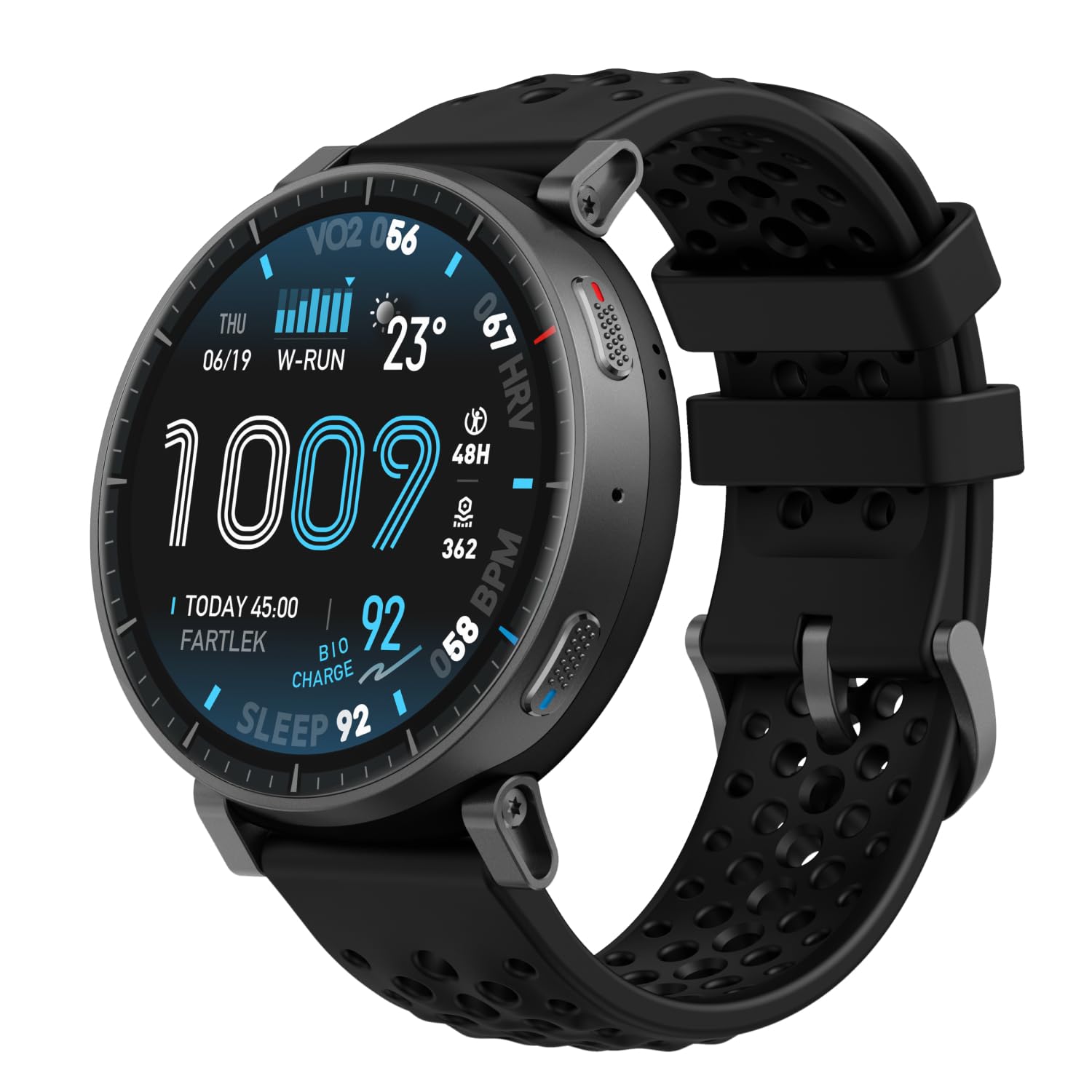
It is a strong pick for beginners who want a bright screen, long battery, and easy navigation features without a high price.
Pros
- Very bright, easy-to-read 1.5″ AMOLED display.
- Long battery life so charging is infrequent.
- Offline maps and music storage for phone-free runs.
Cons
- Large size may feel bulky for small wrists.
- Some features need the phone or specific apps to work fully.
- Advanced runners may want more detailed training metrics.
The watch shows data clearly in bright daylight, which helps beginners check pace and time at a glance. The large screen makes menus simple to navigate and reduces accidental taps.
Battery life keeps the device running through many days of training and rest, so new users can focus on running instead of charging. Storing maps and music on the watch makes outdoor routes and tunes available without carrying a phone.
Zepp Coach offers guided plans that suit new runners working toward 5K or 10K goals. BioCharge energy monitoring gives basic recovery hints, but those who need deep performance analysis may find it limited.
Overall, the Active Max fits someone starting a running habit who values ease of use, clear display, and long battery life without advanced pro-level data.
Garmin Forerunner 55 (Renewed)

It is a solid choice for beginners who want reliable GPS, simple training tools, and long battery life at a lower price.
Pros
- Easy-to-use training guidance and daily suggested workouts.
- Long battery life that lasts through many runs and days.
- Lightweight and simple interface for new runners.
Cons
- Lacks music storage and advanced smartwatch features.
- Screen can be dim and looks small on larger wrists.
- Renewed unit warranty is limited to 90 days.
The Forerunner 55 focuses on the essentials most new runners need: GPS pace, heart-rate tracking at the wrist, and guided workouts. It does not overwhelm with extras, which helps keep setup and use straightforward.
Its battery life and suggested workouts make planning runs easy without daily charging. The PacePro and finish-time predictions help with pacing for races or timed goals.
Buyers should expect a renewed device that looks and works like new but comes with a short warranty. Those who want music or a bright large display may prefer a different model.
COROS Pace 4
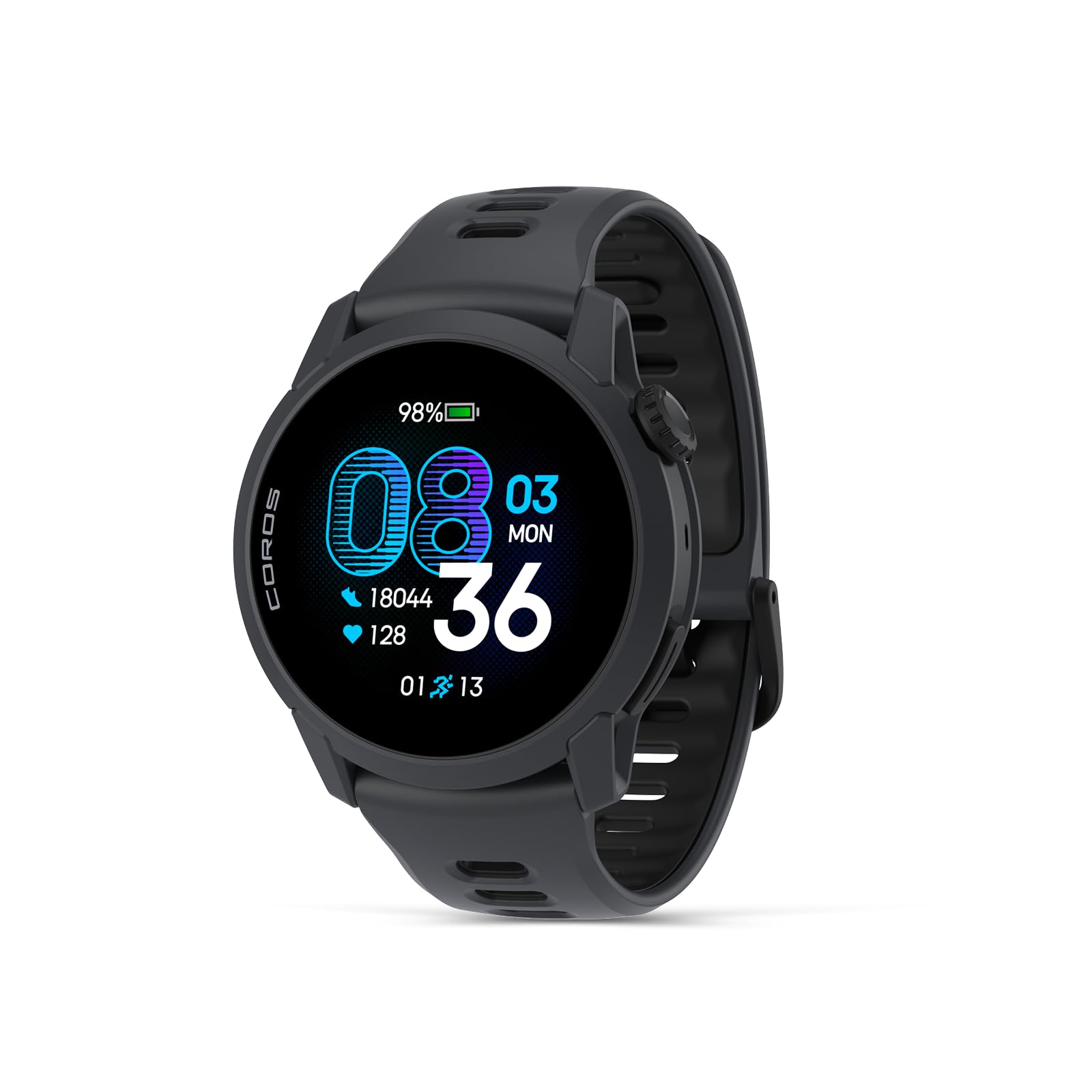
It is a strong choice for beginners who want a light, long-lasting GPS watch with clear training tools.
Pros
- Very light and thin for all-day comfort
- Long battery life for extended runs and daily use
- Bright AMOLED screen and simple controls
Cons
- Some advanced features may be more than a new runner needs
- Voice features and touchscreen can be fiddly during hard workouts
- Optical sensors may struggle with certain skin types or tattoos
The COROS Pace 4 focuses on comfort and battery life. It keeps things simple with a clear AMOLED display, tactile crown, and two buttons so users can start a run quickly.
It tracks basic training and recovery metrics like heart rate, sleep, and HRV, which helps beginners learn how their body responds to workouts. The COROS app pairs with the watch to show those stats without needing to dig through menus on the watch.
Beginners will like the long GPS time and light feel during runs. However, some may not use all the advanced training options or the voice features, and wrist sensors can be less reliable on dark tattoos or certain skin tones.
Buy link: COROS Pace 4
Garmin Forerunner 255

The Forerunner 255 is a strong pick for beginners who want clear training guidance, long battery life, and reliable GPS.
Pros
- Helpful daily workout suggestions and training status.
- Long battery life for multi-day use.
- Clear display that stays readable in sunlight.
Cons
- Many features can feel overwhelming at first.
- Some advanced metrics need extra accessories to work.
- Occasional learning curve for app settings and notifications.
The watch gives guided workouts and recovery advice that adapt as someone trains. It makes planning runs easier by offering race tools and a morning summary of sleep and readiness.
Battery life lasts a long time in normal use, so users do not need to charge every day. The screen stays visible outdoors, which suits people who run in bright conditions.
Beginners may find the many settings and metrics confusing at first. Extra gear adds cost for power and advanced running dynamics. Still, the core GPS, heart rate, and suggested workouts serve most new runners well.
Buying Guide
Choosing a running watch starts with the runner’s goals. They should decide if they want basic distance and pace tracking or coaching and advanced metrics. Short runs need different features than training for a race.
Battery life matters. A watch with longer battery life is better for long runs and multi-day use. Understand expected hours of GPS use so it fits how often they run.
Look at GPS accuracy and sensors. Accurate GPS and a reliable heart-rate sensor give better pace and training data. Some watches also track cadence and stride length for deeper insight.
Consider comfort and screen readability. A lighter watch is easier to wear during long runs. A clear screen that’s visible in daylight helps when checking pace on the go.
Check software and app features. A helpful app should sync workouts, show progress, and let them set goals. Good route mapping and easy workout setup save time and reduce frustration.
Evaluate durability and water resistance. A durable case and sufficient water rating protect the watch from sweat and rain. This keeps the device working through regular use.
Compare price to needed features. They should list must-haves and nice-to-haves before shopping. Spending more is not always better; the best value matches features to real needs.
Use a simple checklist when comparing models:
| Feature | Why it matters |
|---|---|
| Battery life | Fits run length and frequency |
| GPS & sensors | Accuracy of pace and heart rate |
| Comfort | Wearable for long sessions |
| App ecosystem | Easy tracking and training plans |
| Durability | Survives weather and wear |
Editor’s Choice
The Editors pick the Garmin Forerunner 55 as the best running watch for beginners. It balances easy-to-use features with accurate GPS and long battery life, so new runners get reliable data without a steep learning curve.
It shows pace, distance, and heart rate clearly on the screen. The watch also offers guided workouts and recovery advice that help beginners build safe routines.
Key reasons for the choice:
- Simple interface: Menus are straightforward and quick to navigate.
- Essential metrics: Pace, distance, cadence, and wrist heart rate are all included.
- Battery life: Lasts days on a single charge, reducing interruptions.
The watch pairs with a phone app that stores runs and offers basic training plans. That makes it easy for someone new to track progress and stay motivated.
Design stays light and comfortable for daily wear. It also handles rain and sweat well, so runners don’t worry about weather or sweat damage.
FAQS
What features should a beginner look for in a running watch?
They should look for GPS, heart rate monitoring, basic workout tracking, and good battery life. Simplicity in the menu and clear display help new runners use the watch easily.
Is GPS accuracy important for beginners?
Yes, GPS gives accurate distance and pace data. It helps beginners track progress and plan routes but does not need elite-level precision.
Do all running watches track heart rate on the wrist?
Most do, but wrist sensors vary in accuracy. Chest straps give better heart-rate data, especially for intervals or high-intensity runs.
How long does the battery last on average?
Battery life varies from about 5 hours (with GPS on) for simple models to over 20 hours for higher-end watches. Battery life in smartwatch mode can be several days to weeks.
Are running watches waterproof?
Many are water-resistant and handle sweat and rain. Not all are suitable for serious swimming; check the model’s water-resistance rating.
Can a running watch sync with phone apps?
Yes, most sync with apps like Strava, Garmin Connect, or Apple Health. Syncing helps store runs, analyze data, and share results.
Is price a big factor for beginners?
Price matters but does not define usefulness. Affordable watches often include core features needed to start running confidently.
How long will a beginner need to use a watch before deciding to upgrade?
It depends on goals and training intensity. After several months, they can judge if they need advanced metrics or longer battery life.
Conclusion
Choosing a first running watch comes down to needs, comfort, and budget. They should pick a model that tracks the basics — distance, pace, and heart rate — and fits comfortably during runs.
Beginner runners benefit from easy setup and clear data. Simple apps and long battery life make training less frustrating and keep focus on progress.
For those who want guidance, watches with built-in coaching or guided workouts help establish habits. Others may prefer lightweight, low-cost options that cover the essentials without extra features.
A small checklist helps decide:
- Comfort and screen readability
- Battery life for typical use
- Accurate GPS and heart-rate tracking
- App ease and phone compatibility
A good first running watch supports consistency and learning. It should encourage steady improvement without overwhelming the runner with too many features.