Your saddle usually hurts because the fit, padding, or bike setup does not match your body and riding style. Start with saddle height, tilt, and width before replacing the saddle.
If your saddle hurts when mountain biking, the problem is usually a mix of fit, bike setup, riding posture, and trail movement—not just the saddle itself. The fastest fix is to check saddle height, tilt, and width first, then match the saddle shape and padding to your riding style and body anatomy.
- Fit first: Saddle height, tilt, and reach often matter more than the saddle brand.
- Padding isn’t everything: Too much softness can increase friction and pressure.
- Trail use is different: Mountain biking demands more movement and position changes than smooth riding.
- Short-nose and cutout designs: These help some riders, but they are not universal fixes.
Why Your Saddle Hurts When Mountain Biking: The Main Causes and the Fastest Fixes
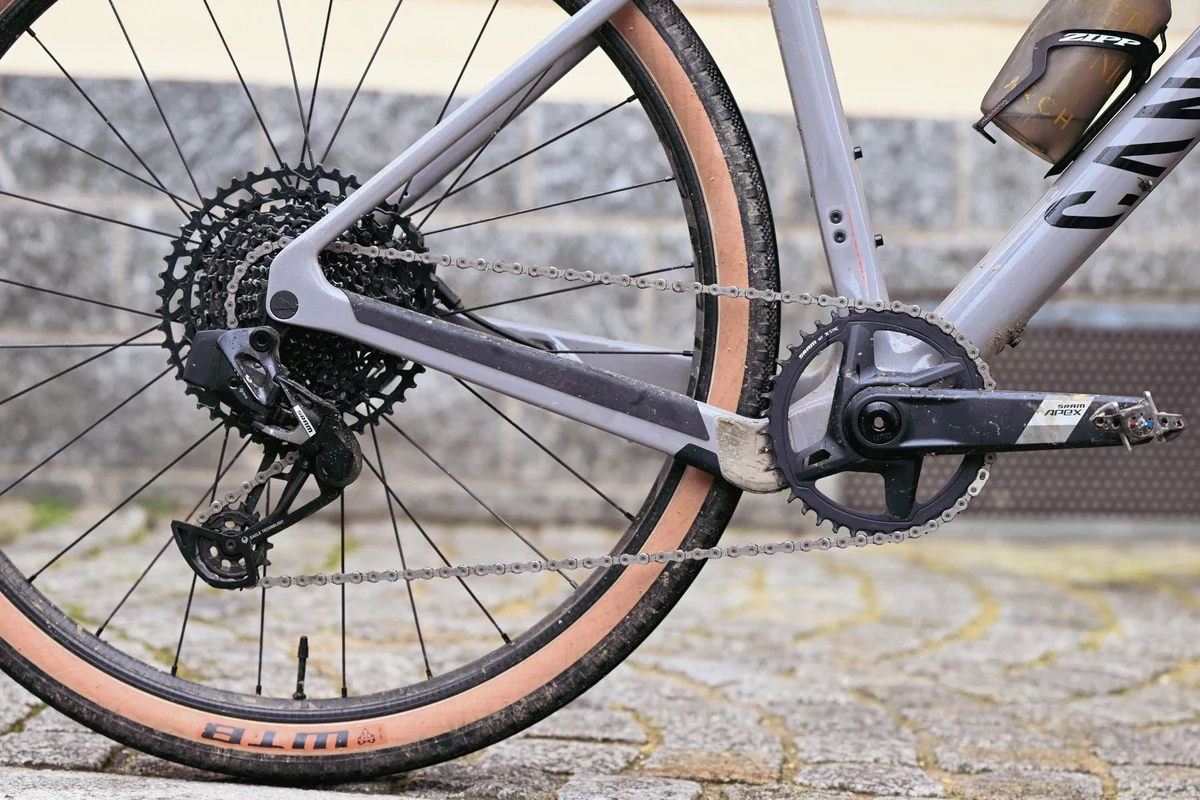
Mountain biking changes how pressure moves through your body. Unlike steady road riding, trail riding includes standing, dropping, braking, climbing, and absorbing bumps, so a saddle that feels fine on smooth pavement can feel wrong off-road.
The most common causes are simple: the saddle is too high, too low, too narrow, too wide, tilted incorrectly, or paired with shorts that do not support long rides well. In some cases, the issue is also a mismatch between the rider’s posture and the bike’s geometry.
Fastest fixes usually start with the saddle itself. Check that you are sitting on the sit bones rather than soft tissue, keep the saddle level as a baseline, and make sure the handlebar reach is not forcing too much forward pressure onto your hands and pelvis.
How Mountain Bike Saddles Work: Pressure, Position, and Why Comfort Changes on Rough Terrain
A mountain bike saddle is not meant to behave like a couch. Its job is to support the rider during seated pedaling while still allowing quick movement, control, and clearance when terrain gets rough.
Weight distribution, sit bones, and soft-tissue pressure
Your sit bones are the bony points designed to carry most of your seated weight. When a saddle is too narrow, too soft, or shaped poorly for your pelvis, pressure shifts to soft tissue, which often creates soreness, numbness, or chafing.
That is why “more padding” is not always better. Too much squish can let the pelvis sink, increasing friction and pressure in the wrong places.
Many riders feel more comfortable on a firmer saddle than on a heavily padded one because firmer support can spread pressure more predictably.
How suspension, vibration, and body movement affect saddle comfort
Trail vibration adds repeated micro-shocks, and your body constantly shifts to stay balanced. Even with full-suspension bikes, the saddle still has to manage pressure during seated climbing and flatter sections.
That means comfort depends on the whole system: saddle shape, shorts, suspension setup, tire pressure, and how much time you spend seated versus standing.
Who This Problem Usually Affects: Rider Fit, Riding Style, and Bike Setup Factors
Saddle pain can affect nearly any rider, but the pattern often depends on how and where you ride. Some riders feel pain only on long climbs, while others notice it after short, technical rides because they are seated in a tense posture.
Cross-country, trail, enduro, and downhill riders
Cross-country riders often sit more and pedal longer, so saddle shape and width matter a lot. Trail and enduro riders may spend less time seated overall, but when they do sit, the angle and movement demands can make a poor saddle feel worse.
Downhill riders usually spend less time seated, so saddle pain may be less about long-duration support and more about interference, nose shape, or how the saddle affects movement on descents.
Men, women, and unisex fit considerations
Fit is not as simple as “men’s” or “women’s” labels. Pelvis shape, sit bone width, soft-tissue sensitivity, and riding posture matter more than the label on the box.
Some riders benefit from a wider platform, a central cutout, or a shorter nose, but the right choice depends on anatomy and position, not gender alone.
Beginners vs. experienced riders: posture and adaptation differences
Beginners often sit too upright or shift too much weight onto the saddle because they have not yet learned efficient trail posture. Experienced riders may tolerate firmer saddles better because they move around the bike more naturally and stand when the terrain demands it.
There is also an adaptation factor. A new saddle may feel different for the first few rides, but numbness, burning, or sharp pain should not be ignored as “normal break-in.”
Saddle Fit and Sizing Guide: What to Measure Before You Buy or Adjust Anything
Before replacing a saddle, measure and observe. The right size and shape can solve more discomfort than any amount of trial and error with random padding levels.
Sit bone width, saddle width, and shape selection
Sit bone width helps guide saddle width, but it is only one part of the decision. A saddle that is too narrow can concentrate pressure, while one that is too wide can interfere with leg movement and cause inner-thigh rubbing.
Shape also matters. Flat saddles suit some riders who move around a lot, while curved saddles can feel more supportive for others who stay planted in a steady climbing position.
Padding level, cutouts, nose length, and profile height
Padding level should match ride duration and terrain, not just comfort in a store. Moderate padding often works better for mountain biking because it supports the sit bones without letting the rider sink too deeply.
Cutouts can reduce central pressure for some riders, but they are not universal solutions. Nose length and profile height matter too, especially if you shift forward on climbs or need easy movement behind the saddle on descents.
Short-nose vs. traditional saddles for mountain biking
Short-nose saddles can help some riders maintain a more open hip angle and reduce pressure when climbing or riding aggressively. Traditional saddles may feel better for riders who prefer more fore-aft room or a familiar shape.
The best choice depends on your reach, flexibility, and how much time you spend changing position on the bike.
- Confirm sit bone width, riding posture, and preferred saddle shape
- Check compatibility with your seatpost, dropper post, and bike geometry
- Review the manufacturer’s fit guidance, care instructions, and warranty terms
Setup Guide: How to Adjust Your Saddle for Better Comfort and Control
Even a good saddle can feel wrong if the setup is off. Small changes in height, tilt, and reach can significantly alter pressure points on the trail.
Saddle height, fore-aft position, and tilt
Saddle height affects how much your hips rock and how much pressure lands on soft tissue. If it is too high, you may overreach and shift side to side; if too low, you may compress the pelvis and lose pedaling efficiency.
Fore-aft position changes where your body balances over the bike. A saddle that sits too far forward or back can force extra load onto your hands, lower back, or sit bones. Start with a level saddle and make only small tilt changes unless the manufacturer recommends otherwise.
How handlebar position and reach influence saddle pain
Handlebar reach changes how much weight you carry through your upper body. If the cockpit is too long, you may slide forward on the saddle and create more pressure on sensitive areas.
A shorter stem, different bar rise, or revised cockpit position can sometimes improve comfort more than swapping the saddle itself. This is especially true on modern mountain bikes with aggressive geometry.
Why shorts, chamois, and bibs matter as much as the saddle
Bike shorts and chamois help manage friction, moisture, and pressure. Poorly fitting shorts can bunch, rub, or shift, making a good saddle feel worse.
For longer rides, clean, well-fitting cycling shorts often matter just as much as saddle shape. Moisture management becomes especially important in hot, humid, or wet conditions.
- Make one adjustment at a time so you can tell what actually helped.
- Check saddle tilt with the bike on level ground, not while leaning against a wall.
- Use clean chamois cream only if it suits your skin and riding routine.
- Recheck setup after changing shoes, pedals, or cockpit parts.
What to Look For in a Better Mountain Bike Saddle: Key Specs and Decision Criteria
When shopping for a replacement, prioritize the features that affect support and movement rather than chasing the softest feel. The right saddle should support your sit bones, stay stable under pedaling, and not interfere with technical riding.
Shell stiffness, rail material, and durability
A saddle shell that is too flexible can feel vague or unstable, while one that is too stiff may transmit more vibration. The sweet spot depends on rider weight, terrain, and personal sensitivity.
Rail material affects weight, durability, and compatibility with seatpost clamps, but exact choices vary by model. Always confirm the manufacturer’s rail material and clamp requirements before buying.
Padding density, cover grip, and weather resistance
Padding density matters more than padding thickness. A supportive saddle with the right density often rides better than a thickly padded one that collapses under load.
Cover grip can help keep you from sliding during climbs, while weather resistance matters if you ride in rain, mud, or heavy sun exposure. Check the saddle’s care guidance because some covers clean more easily than others.
Compatibility with riding terrain, dropper posts, and bike geometry
Mountain bikes with dropper posts need saddles that work well when the post is lowered and when the rider is moving behind the saddle. Shorter noses and smoother side profiles may help with maneuverability, but compatibility still depends on frame clearance and your riding style.
Bike geometry also affects comfort. A modern steep-seat-tube bike can place you in a different seated position than an older frame, which changes the feel of the same saddle.
For mountain biking, comfort is not just about softness. It is about support, movement, and how the saddle works with your posture on rough terrain.
Common Mistakes That Make Saddle Pain Worse on the Trail
Many riders accidentally make the problem worse by choosing comfort features that look good on paper but do not match trail use. Avoiding these mistakes can save time and money.
Choosing too much padding
Excess padding can create more friction, trap heat, and let the rider sink into the saddle. That often increases chafing on longer rides.
For mountain biking, a moderately firm saddle is often more practical than a plush one.
Ignoring bike fit and core riding posture
If the cockpit is too long, the saddle may feel like the problem when the real issue is posture. Likewise, if the saddle is too high or tilted incorrectly, no amount of padding will fully fix it.
Core stability and relaxed upper-body position also matter because tension can shift pressure downward.
Riding through numbness, chafing, or persistent pain
Numbness, burning, or persistent soreness should not be brushed off. If symptoms continue, stop and reassess the setup rather than trying to “tough it out.”
Persistent numbness, sharp pain, skin breakdown, or symptoms that continue off the bike may indicate a fit issue or medical concern. Seek qualified professional guidance when needed.
Safe Use, Care, and When to Replace Your Saddle or Seek Professional Help
Like any cycling component, saddles wear out and should be inspected regularly. Dirt, moisture, UV exposure, and repeated flexing can all affect comfort and safety over time.
Cleaning, storage, and inspection for wear or damage
Wipe the saddle clean after muddy or wet rides, and follow the manufacturer’s cleaning instructions for the cover and rails. Store the bike out of prolonged sun and damp conditions when possible.
Inspect the saddle for loosened cover material, unusual flex, rail corrosion, or damage around the clamp area. If anything looks compromised, stop using it until it is checked.
Replacement signs: collapsed padding, broken rails, cover tears
Collapsed padding can make a saddle feel hard, uneven, or unstable. Broken rails, deep cover tears, or visible separation between the shell and cover are stronger signs that replacement is needed.
Stop using a saddle with visible structural damage and follow the manufacturer’s inspection or replacement guidance.
When pain may signal a fit issue or medical concern
If pain continues after setup changes, the saddle may not match your anatomy or riding position. In some cases, the issue may be outside the saddle entirely and related to bike fit, posture, or a health concern that deserves professional evaluation.
That is especially important if pain is severe, recurring, or paired with numbness or skin irritation that does not improve.
Practical Verdict: How to Choose the Right Saddle Comfort Solution for Your Riding Goals
The best comfort solution depends on how you ride, how long you stay seated, and how much movement you need on the trail. For most riders, the smartest path is to fix setup first, then choose a saddle that matches sit bone support, riding posture, and terrain demands.
Best option by rider type and budget
If you are on a tight budget, start with fit adjustments before buying anything. If you ride long seated climbs, look for a saddle with measured support and a shape that matches your pelvis and posture. If you ride aggressive trail or enduro, prioritize movement freedom and compatibility with a dropper post.
Real-world trade-offs: comfort, support, durability, and performance
More comfort can sometimes mean more bulk, and more grip can sometimes mean more friction. Durability, weather resistance, and support often matter more than the softest feel in the showroom.
- Better pressure distribution when the saddle matches your anatomy
- Improved control when shape and cockpit fit work together
- Less chafing when shorts, saddle, and position are aligned
- Wrong padding or width can make pain worse
- Comfort gains may require cockpit or fit changes, not just a new saddle
- Some “comfortable” saddles limit movement on technical terrain
Final recommendation for ProKingsEdge readers in 2025
Start with the basics: saddle height, tilt, reach, and shorts. If those are close and the pain still shows up, choose a mountain bike saddle based on sit bone support, riding style, and terrain—not on padding alone.
For most riders, the right saddle is the one that supports your sit bones, allows movement on the trail, and fits your bike setup without forcing pressure onto soft tissue. If pain persists after careful setup, consult a qualified bike fitter or healthcare professional and verify model-specific guidance from the manufacturer before making bigger changes.
Frequently Asked Questions
Mountain biking adds bumps, standing, and frequent position changes, which can make pressure feel worse than on smoother rides. A saddle that works on pavement may not suit your trail posture or movement needs.
If the saddle feels like it presses on soft tissue, rubs your inner thighs, or leaves you shifting around to find support, the width may be off. Sit bone width and riding posture are the main clues, but fit can vary by model.
Not always. Too much padding can increase friction and let you sink into the saddle, which may cause more discomfort on longer rides.
Start with saddle height, tilt, and fore-aft position, then check handlebar reach and shorts fit. Make one change at a time so you can tell what actually improves comfort.
Replace it if the padding has collapsed, the rails are damaged, or the cover is torn. If the saddle is structurally fine but still causes pain after proper setup, it may simply be the wrong shape for you.
If pain is persistent, severe, or paired with numbness, skin breakdown, or symptoms that continue off the bike, get qualified professional guidance. A bike fitter or healthcare professional can help rule out fit or medical concerns.