Your feet usually slip off MTB pedals because the shoe, pedal pins, setup, or trail conditions are not creating enough traction. The best fix is to inspect wear, clean the contact points, and match the pedal-and-shoe system to your riding style.
If your feet keep slipping off MTB pedals, the problem is usually a mix of shoe grip, pedal pins, foot placement, and trail conditions—not just “bad pedals.” The fix is to match the right pedal-and-shoe setup to your riding style, then keep the contact points clean, adjusted, and inspected.
- Contact matters: Grip depends on shoe rubber, pedal pins, and how much of the sole touches.
- Wear is common: Smooth soles, damaged pins, and loose cleats often cause slipping.
- Conditions change things: Mud, rain, and dust can reduce traction even on good gear.
- Setup helps: Correct cleat position, pin condition, and foot placement improve stability.
- Start simple: Clean, inspect, and adjust before replacing the whole pedal system.
Why Your Feet Slip Off MTB Pedals: The Short Answer and What It Means
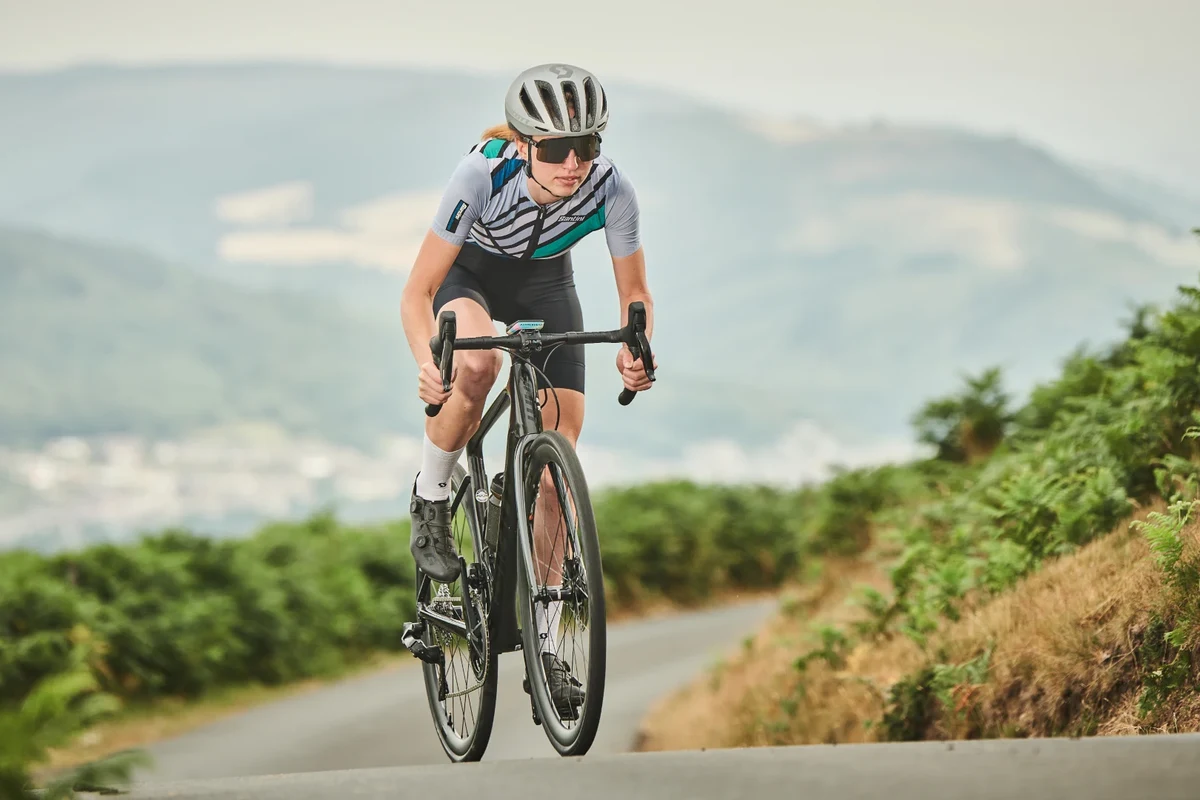
Most pedal slip happens when the contact between your shoe sole and pedal platform is not strong enough for the terrain, weather, or riding style. That can mean the shoes are too smooth, the pins are worn or damaged, the pedals are dirty, or your feet are landing slightly off-center and sliding under load.
On the trail, slipping feet are more than an annoyance. They can reduce confidence, make climbs feel less efficient, and increase the chance of a missed pedal stroke or awkward body position on rough descents.
How MTB Pedal Grip Actually Works on the Trail
MTB pedal grip comes from friction, pin engagement, shoe rubber, and how well your foot loads the pedal surface. The goal is not just “sticking” your shoe to the pedal, but creating enough controlled traction that your foot stays stable when the bike moves under you.
Platform pedals vs clipless pedals: where slip happens differently
With flat or platform pedals, your shoe relies on rubber traction and pedal pins to resist movement. Slip usually comes from poor shoe contact, weak pin engagement, or mud and debris filling the spaces between the sole and pedal.
With clipless pedals, your foot is connected to the pedal through a cleat and release mechanism. Slip is less about sliding off the top of the pedal and more about poor cleat engagement, incorrect cleat setup, or a system that is not matched to the rider’s needs.
Pin height, shoe rubber, and contact patch explained
Pedal pins are meant to bite into the shoe’s rubber, not puncture it or damage the sole. The best grip usually comes from a combination of a large enough platform, a grippy sole compound, and pins that are in good condition and set to a usable height for that shoe.
The contact patch matters too. If only a small part of the sole touches the pedal, pressure is concentrated and the foot can shift more easily. A stable setup spreads force across a broader area, especially on rough trails and steep terrain.
Many MTB shoes are designed with softer rubber around the pedal contact area so the sole can grip pins more effectively than a typical casual shoe.
The Most Common Reasons Your Feet Slip Off MTB Pedals
There is rarely one single cause. In many cases, the rider notices the slip only on steep climbs, rough descents, wet roots, or after the pedals and shoes have already started to wear.
Wrong shoe tread or worn-out soles
Shoes with shallow tread, hard rubber, or worn-down lugs often lose grip on flat pedals. Even a good shoe can feel unstable once the contact area is rounded off or polished from repeated use.
If your shoes have become smooth where they contact the pedal, the pins have less material to grab. That can make the foot feel like it is drifting, especially when you are standing and pedaling hard.
Pedal pins that are too short, too long, or damaged
Short pins may not engage the shoe enough to hold you in place, while overly aggressive pins can feel harsh and make foot movement awkward. Damaged, bent, or missing pins reduce consistent contact and can create uneven grip across the pedal.
Pin condition matters just as much as pin length. If one side of the pedal grips differently from the other, your foot may keep rotating or sliding until you reset your position.
Stop using damaged pedals or cleats if pins, threads, bodies, or release parts are visibly worn, loose, cracked, or missing. Follow the manufacturer’s inspection and replacement guidance.
Wet mud, dust, and trail debris reducing traction
Moist mud can pack into the sole and pedal, while dry dust can act like a fine layer between the shoe and platform. Both reduce the friction that keeps your foot planted.
Trail debris also changes how the pedal feels from one ride to the next. A setup that grips well on dry hardpack may feel much less secure after a wet ride or a long stretch of loose terrain.
If your grip changes suddenly mid-ride, stop and check for packed mud, a loose cleat, or a broken pin before assuming the pedal itself is the problem.
Poor foot placement, fatigue, and riding technique
Even the best pedal setup can feel slippery if your foot lands too far forward, too far back, or angled inconsistently. Small placement errors become more obvious when the trail gets rough or when you are trying to generate power quickly.
Fatigue also affects grip. As your legs tire, you may stop weighting the pedal evenly, bounce more through rough sections, or shift your feet after every obstacle instead of holding a stable stance.
How to Choose the Right Pedal-and-Shoe Setup for Your Riding Style
The right setup depends on where you ride and how much control you need. A cross-country rider, a bike park rider, and a weekend trail rider may all want different levels of grip, freedom, and pedal feel.
Trail, enduro, XC, and downhill: what grip needs change
Trail riders often want a balanced setup that offers enough grip for technical sections without feeling locked in. Enduro and downhill riders usually prioritize stronger hold and more secure foot placement for steep, rough terrain.
XC riders may care more about efficiency, lighter feel, and frequent pedaling than maximum pin bite. That does not mean slip is acceptable; it just means the ideal amount of grip may be different from a gravity-focused setup.
| Riding style | Best grip priority | What to watch |
|---|---|---|
| XC | Efficient, predictable contact | Comfort on long efforts and easy repositioning |
| Trail | Balanced traction | Versatility in mixed terrain |
| Enduro | Strong foot security | Control on steep and rough sections |
| Downhill | Maximum stability | Grip under impact, mud, and high speed |
Key specs to compare: platform size, pin layout, axle quality, and shoe stiffness
Platform size affects how much of your sole can contact the pedal. Pin layout changes how evenly the grip is distributed, and axle quality affects how smoothly the pedal spins and how durable it may feel over time.
Shoe stiffness matters too. A very soft shoe can feel grippy but may flex more under pressure, while a stiffer shoe can spread force better but still needs good tread and sole rubber to avoid slipping.
- Check whether you need flat pedals or clipless pedals for your riding style
- Verify shoe compatibility, cleat system, and pedal platform size
- Inspect pin condition, sole wear, and any manufacturer warnings
- Confirm return policy and replacement part availability for pins or cleats
When clipless pedals may reduce slip and when they may not
Clipless pedals can reduce the chance of your foot sliding off the pedal platform because the cleat mechanically connects shoe and pedal. They can be a strong choice for riders who want consistent foot placement and efficient pedaling.
They may not solve every problem, though. If the cleats are worn, the release tension is inappropriate, or the system is not set up correctly, you can still feel unstable or hesitate to unclip when you need to.
Setup Guide: Dialing In Pedals, Pins, and Cleats for Better Contact
A good setup does not have to be complicated, but it should be intentional. Small adjustments often make a bigger difference than buying a completely new pedal right away.
Adjusting pin length and replacing worn hardware safely
Many flat pedals allow pin replacement or height changes, but the exact process varies by model. Follow the manufacturer’s instructions for the correct tool, thread direction, and torque guidance, and do not force hardware that is seized or stripped.
If pins are worn down, missing, or loose, replacing them can restore consistency. If the pedal body or threads are damaged, replacement may be the safer option than trying to salvage the part.
Checking cleat position, float, and release tension on clipless systems
Cleat position affects where your foot sits on the pedal and how naturally your knee tracks through the stroke. Float and release tension should be set according to the pedal system’s official guidance and your comfort, not guessed at from another rider’s setup.
If a clipless pedal feels unpredictable, the issue may be cleat wear, debris in the mechanism, or a setup that is too tight for your skill level. When in doubt, consult the manufacturer’s manual or a qualified bike shop mechanic.
Foot placement habits that improve stability on descents and climbs
Try to place the ball of the foot or the shoe’s primary contact zone consistently where the pedal is designed to support it. On technical descents, a centered stance with even pressure often helps the shoe stay planted better than a rushed repositioning.
On climbs, avoid overcorrecting every time the trail kicks up. A stable, repeatable foot position usually works better than constant micro-adjustments that can make the shoe slide across the pedal.
- Clean pedals and shoes after muddy rides before judging the setup’s grip.
- Replace worn pins or cleats before the contact becomes inconsistent.
- Match softer, grippier rubber to flat pedals if slipping is your main complaint.
- For clipless systems, verify cleat wear and release settings with the official manual.
Safety, Control, and Real-World Trade-Offs of Better Pedal Grip
More grip can improve confidence, but it can also make foot repositioning harder if the setup is overly aggressive. The best solution is usually the one that keeps your feet stable without making it difficult to react when the trail changes.
How improved traction affects confidence, power transfer, and bike control
When your feet stay planted, you can focus more on line choice and body position. That often helps with power transfer on climbs and control through rough sections because you are not wasting attention on keeping a foot from moving.
At the same time, too much grip can make it harder to adjust your stance mid-trail. The right amount of traction should feel secure, not sticky in a way that limits movement.
- Better stability on rough terrain
- More confident pedaling under load
- Less foot readjustment on descents
- Overly aggressive grip can slow foot repositioning
- Worn shoes or pins can create inconsistent traction
- Mud and debris can still reduce contact
Limitations of grip in mud, rain, and technical terrain
No pedal system offers perfect traction in every condition. Mud can fill tread, rain can reduce friction, and very technical terrain can force your foot to shift suddenly no matter how good the setup is.
That is why riders should think in terms of improved control, not guaranteed no-slip performance. Weather and trail conditions can change the feel of the same pedal from one ride to the next.
Common mistakes that increase the risk of slips and pedal strikes
Riding with worn shoes, ignoring loose hardware, or setting pins too aggressively can all create problems. Another common mistake is assuming a slip means you need a completely different pedal when a small adjustment would help more.
Pedal strikes can also happen when riders focus too much on foot security and forget pedal clearance on technical trails. A stable setup should support control without encouraging careless line choice or low pedal positioning.
Maintenance, Care, and When to Replace MTB Pedals or Shoes
Maintenance is often the cheapest way to restore grip. Clean contact points, fresh hardware, and intact shoe rubber can make a noticeable difference before you spend money on a full replacement.
Cleaning pedals after wet or muddy rides
Use a soft brush or cloth to remove dirt, mud, and grit from the pedal body and shoe lugs after wet rides. Let the parts dry fully before storage so moisture does not sit in the mechanism or around the hardware.
Be careful with strong sprays or aggressive cleaning methods that could drive grit deeper into bearings or damage seals. If the manufacturer gives specific cleaning instructions, follow those first.
Inspecting pins, bearings, cleats, and sole wear
Look for rounded pins, loose screws, bent hardware, and any play in the pedal body. On clipless pedals, inspect cleats for wear and check whether engagement feels less secure than usual.
Shoes should be checked for flattened tread, torn rubber, or uneven wear under the main contact area. If the sole is no longer engaging the pedal evenly, grip will usually keep getting worse.
Do not keep riding damaged pedals, cracked shoes, or cleats that no longer release or engage correctly. If the part feels unsafe, replace it or have it inspected by a qualified bike mechanic.
Storage tips to preserve traction and prevent corrosion
Store pedals and shoes in a dry, ventilated place rather than leaving them wet in a car trunk or garage corner. Moisture and trapped dirt can accelerate corrosion and shorten the life of hardware and moving parts.
If you ride in salty, wet, or very muddy conditions, routine drying and inspection matter even more. That habit can help preserve grip and keep small problems from becoming expensive ones.
Best Value Fixes and Final Recommendation for ProKingsEdge Readers
If your feet slip off MTB pedals, start with the least expensive fixes first: clean the contact points, inspect wear, and confirm that the shoe and pedal system match your riding style. In many cases, a better shoe sole or fresh pins solves more than a full pedal swap.
Budget upgrades vs premium options: what gives the most grip per dollar
For many riders, replacing worn shoes or pins delivers the best immediate value. A midrange pedal with a solid platform and replaceable pins can also be a smart step up if your current pedals are small, damaged, or inconsistent.
Premium options may offer better materials, smoother bearings, or more refined platform shapes, but they are not a guarantee of better grip for every rider. The most useful upgrade is the one that improves contact in the conditions you actually ride.
Best when the rest of your setup is fine but tread or pin engagement has worn down. The limitation is that they cannot fix a badly sized platform or poor technique.
Best for riders who want a mechanical connection and consistent foot placement. The limitation is that it requires correct cleat setup and practice.
Who should upgrade now, who can keep riding, and the best next step
Upgrade now if your shoes are worn smooth, pins are damaged, or your current setup feels unstable in the terrain you ride most. Keep riding if the issue is occasional and clearly tied to mud, dust, or a setup that only needs cleaning and adjustment.
The best next step is to inspect the whole system in order: shoes, pedals, pins or cleats, and then foot placement habits. That approach is safer, cheaper, and usually more effective than guessing at a single cause.
Feet slipping off MTB pedals usually comes down to worn contact points, mismatched gear, or inconsistent setup—not one universal pedal flaw. Start with the shoe-and-pedal interface, then choose a flat or clipless system that fits your terrain, skill level, and maintenance habits.
Frequently Asked Questions
The most common causes are worn shoe soles, damaged pedal pins, muddy or dusty contact points, and poor foot placement. In some cases, the pedal system may simply not match your riding style or terrain.
Flat pedals rely on shoe rubber and pins, while clipless pedals connect the shoe to the pedal mechanically. Clipless can reduce platform slip, but both systems still depend on correct setup and wear condition.
If the tread is rounded, polished, or flattened where the pedal contacts the shoe, grip may be reduced. Uneven wear or torn rubber can also make foot placement less stable.
Worn, bent, or missing pins can reduce traction and make grip feel inconsistent. Check the manufacturer’s guidance for the correct replacement parts and installation method.
Yes. Mud, water, and trail debris can reduce friction and fill the spaces between the shoe and pedal, so even a good setup may feel less secure in wet conditions.
Replace them when the pedal body, pins, cleats, or shoe soles are visibly worn, damaged, or no longer engaging consistently. If the part feels unsafe, stop using it and inspect it according to the manufacturer’s guidance.