Upgrade your mountain bike helmet after a crash, when it no longer fits securely, or when age and wear have reduced confidence in the helmet. If your riding style has changed, replace it with a model that better matches your coverage, comfort, and certification needs.
If your mountain bike helmet has taken a crash, no longer fits securely, shows visible damage, or is simply old enough that the materials may be past their best, it is time to replace it. For many riders, the right answer is not “wait until it looks bad,” but “upgrade when protection, fit, or standards no longer match how you ride.”
- Crash history matters: Replace a helmet after any impact that could have stressed the shell or foam.
- Fit is non-negotiable: A helmet that shifts, pinches, or rides too high should be replaced or resized.
- Age and wear count: UV, sweat, heat, and storage conditions can shorten usable life.
- Check current standards: Verify the exact certification required for your region and riding type.
- Upgrade for your terrain: More technical riding may call for more coverage and better retention.
When Should You Upgrade Your Mountain Bike Helmet? The Short Answer for 2025
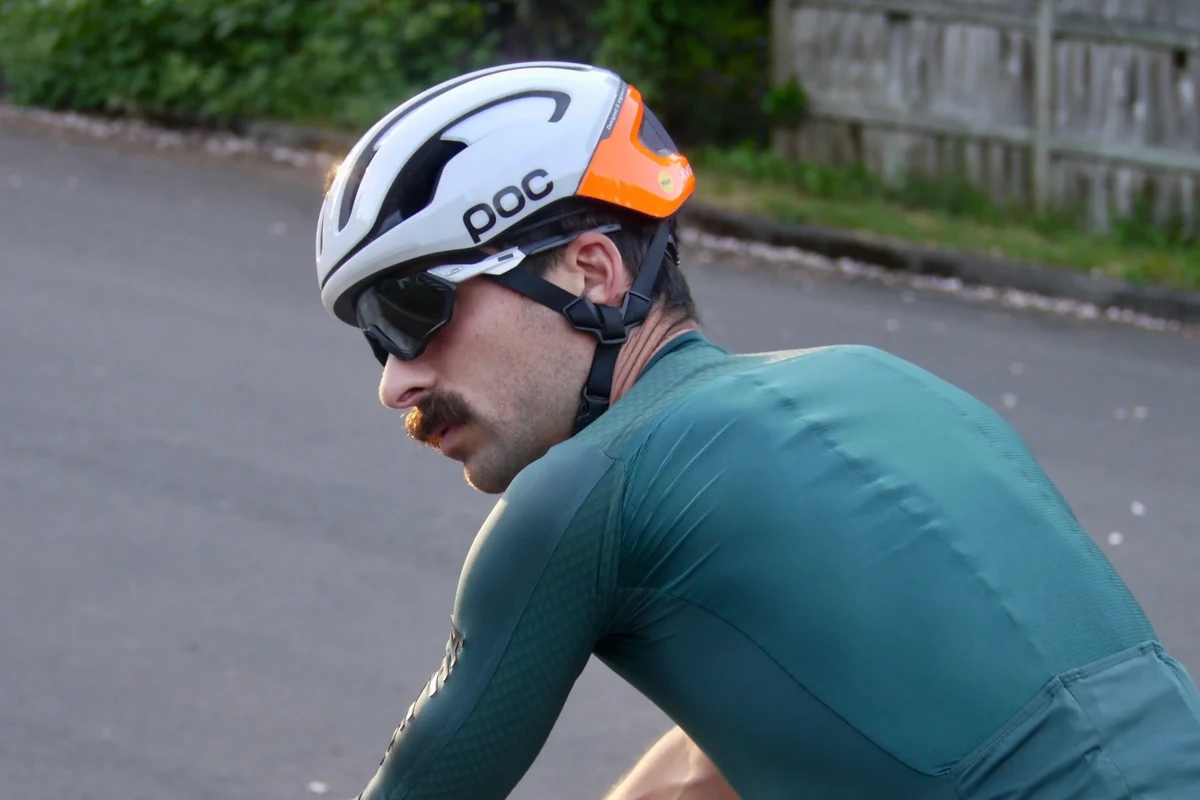
The simplest rule is this: upgrade your mountain bike helmet after any meaningful impact, when the fit is no longer secure, when the helmet shows wear or damage, or when the model no longer meets the protection features you want for your riding style. Even if a helmet looks fine from the outside, its protective performance can be reduced by age, repeated exposure, and hidden damage.
For riders in 2025, the best time to replace a helmet is often before it becomes a problem. That means checking the helmet regularly, confirming it still matches your head shape and riding discipline, and verifying current safety certifications and manufacturer guidance before you decide to keep using it.
Why Helmet Upgrades Matter: Protection Limits, Aging Materials, and Crash History
Mountain bike helmets are designed to reduce risk, not eliminate it. Their protective performance depends on the condition of the shell, foam liner, retention system, straps, and overall fit, and those parts can age differently depending on storage, sweat, sun exposure, and how often the helmet is used.
How mountain bike helmet materials and foams degrade over time
Most helmets use a combination of a hard outer shell, energy-absorbing foam, and internal parts that help hold the helmet in place. Over time, foam can compress, adhesives can weaken, straps can fray, and adjustment parts can loosen or become less reliable. UV exposure, heat, moisture, and repeated handling can all contribute to wear, even when the helmet has never been crashed.
Because degradation is not always visible, age alone can be a valid reason to replace a helmet if the manufacturer recommends it or if the helmet has lived a hard life. If you ride frequently, store gear in a hot car, or sweat heavily into the helmet, it is smart to inspect more often and replace sooner when condition starts to decline.
What a crash does to a helmet, even when damage is not visible
After an impact, the helmet may have hidden compression or cracking inside the foam. That damage can reduce its ability to absorb energy in a future crash, even if the shell still looks intact. This is why most helmet makers advise replacing a helmet after any crash that could have stressed the protective structure.
If a helmet has been in a crash, follow the manufacturer’s replacement guidance. Do not assume it is safe to keep using just because the shell looks normal.
How to Tell If Your Helmet Still Fits and Functions Properly
A helmet can only do its job if it stays in the right position on your head. A poor fit can make even a newer helmet less useful, especially on rough trails where movement, vibration, and repeated head turns are common.
Fit checks: stability, retention system, strap placement, and pressure points
Start with a stability check. The helmet should sit level, cover the forehead properly, and stay in place when you shake your head or move your jaw. The retention system should tighten smoothly and hold the helmet without needing constant readjustment during a ride.
Check the straps next. They should form a secure, comfortable V shape around the ears, and the chin strap should be snug without pinching. If you notice pressure points, hot spots, or the need to overtighten the dial just to keep the helmet from shifting, the fit may no longer be right.
Signs the sizing or shape no longer matches your riding needs
Sometimes the issue is not wear but head shape, hairstyle changes, or a shift in how you ride. A helmet that once felt fine may now feel too shallow, too narrow, or too bulky with goggles, glasses, or a newer riding position.
Riders who move from casual trail rides to more aggressive terrain often want more coverage at the back of the head, better visor compatibility, or a retention system that stays stable on steeper descents. If the helmet no longer matches those needs, upgrading is often more practical than forcing an old model to work.
Standards and Safety Features to Verify Before Replacing Your Helmet
Before you buy a replacement, confirm that the helmet meets the standards relevant to your region and riding style. Standards and feature names can vary by market and model, so it is worth checking the label, the product page, and the manufacturer’s manual rather than relying on assumptions.
Current certifications to look for in 2025
Look for the certification marks required in your market, along with any mountain-bike-specific standards that apply. In the United States, riders commonly look for CPSC compliance, while other regions may use different requirements. Some riders also look for rotational-impact systems or newer performance standards, but those features should be verified on the exact model rather than assumed from marketing language.
Certification requirements vary by country, event, and model. Always verify the exact label and the current manufacturer documentation before purchase or continued use.
Useful features for trail and enduro riders: MIPS, extended coverage, visor design, and ventilation
For trail and enduro riding, useful upgrades often include extended rear coverage, a secure retention system, and ventilation that balances airflow with shell coverage. Many riders also consider rotational-impact systems such as MIPS-style designs, but the value of any added feature depends on the helmet’s overall fit and construction.
Visor design matters too. A visor that adjusts easily can help with sun and trail spray, while a fixed visor may be simpler and lighter. Ventilation is important, but more vents do not automatically mean better protection; the right balance depends on your climate, effort level, and how much coverage you want.
Helmet features are only useful when the helmet fits correctly. A well-fitting basic helmet can be a better choice than a feature-rich helmet that shifts on your head.
Key Reasons to Upgrade: Age, Wear, Fit Changes, and Riding Style
The best upgrade decision usually comes from a mix of factors, not just one. A helmet may still be usable in one sense but no longer be the right choice for the way you ride today.
Typical replacement timelines and when age alone is enough to replace
Many manufacturers recommend replacing helmets after a certain number of years, even without a crash, because materials age over time. The exact timeline varies by brand, model, storage conditions, and usage frequency, so the manufacturer’s guidance should always take priority over a generic rule.
Age alone is often enough to replace a helmet if the foam feels brittle, the straps are worn, the adjustment system is unreliable, or the helmet has spent years exposed to heat and sunlight. If you cannot confirm the helmet’s history or original purchase date, replacement is usually the safer choice.
Ride-type changes: XC, trail, enduro, e-MTB, and bike park use
Riding style changes can justify an upgrade even if the helmet is still technically serviceable. Cross-country riders often prioritize light weight and ventilation, while trail and enduro riders may want more coverage and a more secure fit for rough terrain. Bike park and aggressive descending often call for even more coverage or a different helmet category altogether.
E-MTB riders may also prefer helmets that stay stable at higher average speeds and provide better coverage for longer descents, but the right choice still depends on local rules, terrain, and personal comfort. If your riding has become more technical or more frequent, a helmet designed for that use is often the better investment.
- Match the helmet to your most common terrain, not your rarest ride.
- Check whether you need room for goggles, glasses, or winter headwear.
- Revisit fit after changing hairstyles, pads, or retention settings.
Common Mistakes Riders Make When Delaying a Helmet Replacement
Many riders wait too long because the helmet still “looks okay.” The problem is that visible condition is only one part of the safety picture, and some of the most important issues are hidden.
Ignoring small impacts, hairline cracks, UV exposure, and sweat damage
Small knocks can matter if they stress the foam or shell, and hairline cracks can spread over time. UV exposure can age plastics and finishes, while sweat can affect padding, straps, and adjustment parts. A helmet that has been stored poorly can degrade faster than one that has been used carefully and cleaned regularly.
Stop using a helmet that has visible cracks, crushed foam, loose retention parts, or straps that no longer hold securely. Follow the manufacturer’s inspection guidance.
Choosing style over coverage, ventilation, or safety certification
It is easy to focus on color, graphics, or a low profile, but those should come after fit, coverage, and certification. A helmet that looks great but rides high, shifts around, or lacks the protection features you need is the wrong trade-off.
Ventilation matters, but so does the type of riding you do. If you ride in hot weather, a cooler helmet may be worth prioritizing; if you ride steeper trails, added coverage may matter more than a few extra vents.
How to Inspect, Clean, Store, and Maintain a Mountain Bike Helmet
Good maintenance will not make a damaged helmet safe, but it can help you spot problems earlier and extend usable life when the helmet is still in good condition. Keep the manufacturer’s care instructions close, because some pads, adhesives, and finishes require specific handling.
Step-by-step inspection checklist before each season
Look for cracks, dents, crushed areas, separation, or any spot that feels softer or uneven compared with the rest of the helmet.
Turn the dial or retention adjuster and confirm it tightens and releases smoothly without slipping or sticking.
Check for fraying, stretching, broken stitching, or a buckle that does not latch cleanly.
Make sure pads are secure and the visor is not loose, cracked, or missing hardware.
Cleaning, drying, and storage practices that help extend usable life
Clean the helmet with mild soap and water unless the manufacturer says otherwise. Avoid harsh solvents, strong cleaners, or high heat, because they can damage the shell, foam, or adhesives.
After washing or sweaty rides, let the helmet air-dry fully before storing it. Keep it out of direct sun, hot car interiors, and damp storage spaces. A cool, dry shelf or gear bin is usually better than tossing it into a trunk or leaving it near a heater.
- Air-dry completely before storage
- Use gentle cleaners approved by the manufacturer
- Store in a cool, dry place away from direct sunlight
- Using solvents or abrasive cleaners
- Leaving the helmet in a hot vehicle
- Storing it wet or compressed under heavy gear
Best Upgrade Decision Criteria: Value, Comfort, Compatibility, and Real-World Trade-Offs
The best helmet upgrade is not always the most expensive one. It is the one that gives you the right fit, the right coverage, and the right features for your riding without creating new comfort or compatibility problems.
What to prioritize for your budget and riding conditions in 2025
Start with the basics: correct size, secure retention, current certification, and a shape that matches your head. After that, prioritize the features that solve your actual riding problems, such as more coverage for technical descents, better ventilation for hot climates, or visor compatibility for bright, dusty trails.
If you ride in wet, cold, or mixed conditions, comfort details can matter more than they first appear. A helmet that works with your eyewear, winter cap, or goggles may be more useful than one with a flashy feature list that does not suit your setup.
When a helmet upgrade is worth it versus when a simple replacement is enough
A simple replacement is enough when your current helmet is damaged, expired by manufacturer guidance, or no longer fits. An upgrade is worth it when your riding has changed, your current helmet lacks the coverage or features you want, or comfort issues are making you less likely to wear it consistently.
If you are unsure, compare your current helmet against the manufacturer’s guidance, current certification requirements, and the demands of your most common trails. When the helmet no longer matches the rider or the ride, it is time to move on.
Common Questions
Replace it after a crash, when the fit is no longer secure, or when visible wear and age suggest the materials are past their best.
Yes. Even a minor impact can compress the foam or damage the structure in ways you cannot see.
Looks can be misleading. Check the fit, straps, retention system, and manufacturer guidance, not just the exterior.
Replace it if the helmet is damaged or worn out. Upgrade if your riding style, terrain, or comfort needs have changed.
Verify the correct fit and the certification required for your region and riding use.
Frequently Asked Questions
It should sit level, stay stable when you move your head, and feel snug without pressure points. If the retention system has to be overtightened or the helmet shifts on trail, it may be time to replace it.
Yes, if the crash could have stressed the foam or shell, most manufacturers recommend replacement. Hidden damage is possible even when the outside looks normal.
Check the certification required in your region and any mountain-bike-specific standards listed by the manufacturer. Always verify the exact model label and current documentation before buying.
The timeline varies by manufacturer, use, storage, and riding frequency. If the helmet is old, heavily used, or the manufacturer’s recommended service life has passed, replacement is usually the safer choice.
Look for secure fit, appropriate coverage, good ventilation, and a visor that works with your eyewear or goggles. Rotational-impact systems may be useful, but fit and overall helmet design matter first.
No, visible cracks, crushed foam, or worn straps are signs to stop using the helmet. Follow the manufacturer’s inspection and replacement guidance before riding again.