A sleeping bag liner is a thin insert that improves comfort, cleanliness, and sometimes warmth inside your sleeping bag. It is most useful when matched to your bag shape, weather, and trip style.
A sleeping bag liner is a thin inner layer that you place inside your sleeping bag to add a little warmth, keep the bag cleaner, and make sleep more comfortable. In simple terms, it acts like a removable sheet for your sleep system, and the best choice depends on your weather, bag shape, and how you camp.
- Definition: A liner is a removable inner layer for a sleeping bag.
- Main benefit: It helps keep your bag cleaner and easier to wash.
- Warmth: Any temperature boost is usually modest and material-dependent.
- Fit matters: Shape and size should match your sleeping bag or quilt.
- Best use: Great for travel, long trips, and comfort-focused camping.
What Is a Sleeping Bag Liner? A Quick Definition for Campers
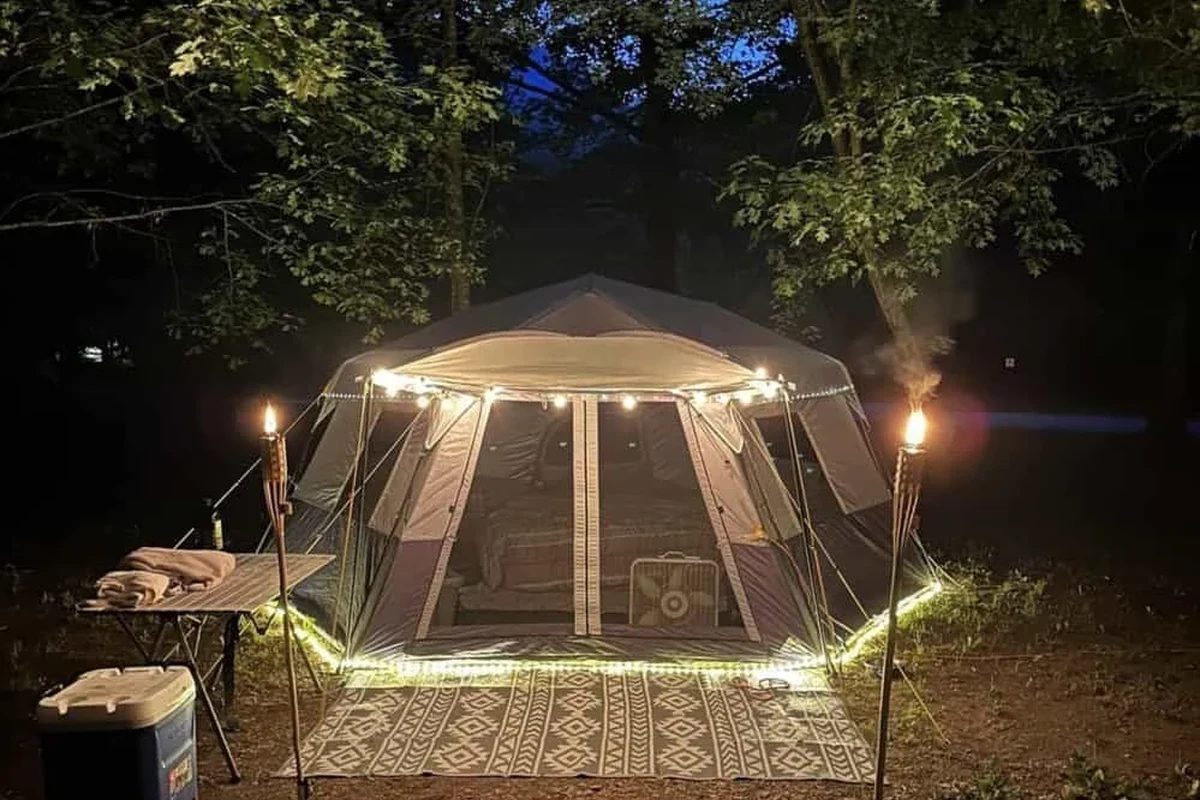
A sleeping bag liner is a lightweight insert designed to sit between you and your sleeping bag. Campers use it to create a cleaner sleep surface, make bedtime feel less clammy, and sometimes squeeze a bit more warmth out of an existing bag.
Unlike a sleeping bag, a liner is not usually your main insulation layer. It is best thought of as a support piece that can improve comfort and extend the usefulness of the sleep setup you already own.
If you are trying to decide whether you need a liner, focus first on your climate, your sleeping bag shape, and whether you value easier cleaning or a small warmth boost more than minimal pack weight.
How a Sleeping Bag Liner Works in Real Camping Conditions
In camp, a liner works by adding a thin barrier inside the bag. That barrier can slow heat loss a little, absorb sweat before it reaches the sleeping bag, and reduce direct skin contact with the bag’s inner fabric.
Temperature Boost and Moisture Management
Some liners are marketed as adding warmth, but the actual benefit varies by material, fit, and how much room is inside the sleeping bag. A snug liner can help reduce drafts and make the sleep system feel warmer, while a loose liner may do less.
Moisture control is often the more reliable benefit. If you tend to sleep warm, sweat at night, or camp in humid conditions, a liner can help keep body oils and moisture from soaking into the sleeping bag lining.
For warmth, look at the liner as a small upgrade, not a replacement for an appropriately rated sleeping bag or quilt.
Hygiene, Comfort, and Sleeping Bag Protection
Many campers choose a liner because it is easier to wash than a sleeping bag. That makes it useful on longer trips, road trips, hostel stays, and any trip where laundry access is limited but cleanliness still matters.
It can also protect the sleeping bag from sunscreen, dirt, deodorant, and skin oils. Over time, that protection may help reduce how often the sleeping bag itself needs a full wash, which is helpful because sleeping bags usually require more careful cleaning than liners.
Who Needs a Sleeping Bag Liner in 2026?
Not every camper needs one. A liner makes the most sense when you want a cleaner sleep setup, a little extra warmth, or a versatile layer that works across different trips.
Backpackers, Car Campers, and Thru-Hikers
Backpackers often care about weight and pack size, so a liner only makes sense if the comfort or hygiene trade-off is worth carrying it. Car campers usually have more space and may appreciate the added comfort more than ultralight users.
Thru-hikers and long-distance trekkers may value a liner if it helps stretch the usefulness of one sleeping bag across a wider temperature range. Still, the liner should not be treated as a substitute for proper insulation in cold weather.
Travelers, Hostel Users, and Budget Campers
Travelers and hostel users often like liners because they can serve as a cleaner sleep layer in shared bedding situations. Budget campers may also use a liner to refresh an older sleeping bag or make an entry-level bag feel more comfortable.
For occasional campers, the liner can be a practical, lower-cost comfort upgrade compared with buying a second sleeping bag. The downside is that it only helps if the rest of the sleep system already fits the conditions.
Key Types, Materials, and Specs to Compare Before Buying
Sleeping bag liners are not all the same. Material, shape, and size can change how warm, breathable, and easy to pack the liner feels in real use.
Cotton, Silk, Fleece, and Synthetic Liners
Cotton liners are usually comfortable and familiar, but they tend to be heavier and bulkier than premium lightweight options. Silk liners are often chosen for low weight and compact packing, though exact feel and durability vary by model.
Fleece liners are typically warmer and softer, which can be appealing in cooler conditions, but they usually take up more space. Synthetic liners are common because they can balance cost, durability, and ease of care, though performance differs by fabric blend and construction.
| Material | Best For | Key Consideration |
|---|---|---|
| Cotton | Comfort-focused camping | Usually heavier and slower to dry |
| Silk | Travel and backpacking | Light and compact, but model quality varies |
| Fleece | Cooler nights | Warmer, but often bulkier |
| Synthetic | General use | Check breathability and care instructions |
Shape, Weight, Packability, and Temperature Rating
Shape matters because a liner that matches your bag will feel more natural and less restrictive. Weight and packed size matter most for backpackers, while car campers may care more about comfort and washability.
Some brands list a temperature rating or warmth claim, but those numbers are not always standardized across the industry. Treat them as model-specific guidance, not a universal promise, and compare them with your sleeping bag’s own rating and the conditions you expect.
Any warmth claim can vary with clothing, humidity, wind exposure, tent ventilation, and how much room you have inside the bag.
Compatibility With Mummy Bags, Rectangular Bags, and Quilts
Mummy bags usually work best with mummy-shaped liners because the fit is closer and the liner is less likely to bunch up. Rectangular liners are more common for roomy bags and car-camping setups.
Quilt users should check whether the liner can stay positioned without creating uncomfortable folds. In any sleep system, compatibility is mainly about whether the liner stays where you want it without making the bag feel cramped.
Real-World Benefits and Trade-Offs of Using a Liner
The value of a liner depends on how you camp. For some people, it is a smart comfort upgrade; for others, it is just extra gear to pack and manage.
When a Liner Adds Value
A liner adds the most value when you want easier washing, a cleaner sleep surface, or a modest boost in comfort. It can also be useful when you sleep in shared spaces, move between climates, or want to protect a more expensive sleeping bag from frequent laundering.
- Helps keep the sleeping bag cleaner
- Can improve comfort against the skin
- May add a small amount of warmth
- Adds another item to pack and wash
- Warmth gains are usually limited
- Poor fit can feel cramped or bunchy
Common Limitations and When It Is Not Enough
A liner is not a fix for an underbuilt sleep system. If your sleeping bag is too cold for the conditions, a liner alone usually will not solve the problem.
It can also feel unnecessary if you already sleep in clean base layers and use a bag with a washable liner fabric. In that case, the liner may offer only a small comfort gain relative to the added weight and maintenance.
How to Choose the Right Sleeping Bag Liner for Your Trip
The best liner is the one that matches your trip style. Start with your weather, then check fit, then decide whether warmth, hygiene, or packability matters most.
Match the Liner to Weather, Season, and Sleep System
For warm-weather trips, prioritize breathability and low weight. For shoulder-season or cooler trips, a warmer fabric like fleece may make more sense, especially if your sleeping bag is already close to the conditions you expect.
Also consider how the liner works with the rest of your sleep system. A liner can complement a sleeping bag, quilt, sleeping pad, and tent ventilation setup, but it should not be chosen in isolation.
Fit, Size, and Comfort Considerations
Fit is one of the biggest comfort factors. A liner that is too tight can twist at night, while one that is too loose can bunch up and reduce the benefit you were hoping for.
Check whether the liner has a hood, side opening, zipper, or stretch fabric. Those features can change how easy it is to get in and out of the liner, especially if you move around a lot while sleeping.
What to Look for in Durability, Care, and Storage
Read the care instructions before buying, because washing requirements vary by material. Some liners are simple machine-wash items, while others need gentler handling to avoid damage.
Durability matters if you camp often, travel frequently, or expect repeated washing. A good storage sack or compact stuff sack can help with packing, but long-term storage should avoid unnecessary compression when the liner is not in use.
- Check shape, size, and compatibility with your sleeping bag or quilt
- Compare material, breathability, and care instructions
- Confirm whether the liner’s warmth claim is relevant to your conditions
- Review warranty, return policy, and manufacturer guidance before purchase
How to Use, Clean, and Store a Sleeping Bag Liner Safely
Using a liner is simple, but a few habits can make it last longer and feel better in camp. The main goals are to keep it clean, avoid damage, and store it in a way that preserves the fabric.
Setup and Packing Tips
Open the liner fully before bed so it lays flat inside the sleeping bag. If it has a hood or drawcord, adjust it gently so it does not restrict movement or create pressure points around your face or neck.
When packing, avoid stuffing it aggressively into a small space if the manufacturer recommends a gentler fold or roll. Small care differences can make a big difference in how long the fabric holds up.
- Match the liner to the bag shape
- Air it out after trips when possible
- Follow the care label for washing and drying
- Forcing a tight liner into a bag that is too small
- Using harsh cleaning methods that the label does not allow
- Storing it damp or compressed for long periods
Washing, Drying, and Long-Term Storage
Wash the liner according to the manufacturer’s instructions, since fabric type and construction can change what is safe. Dry it fully before storing to reduce odor and fabric wear.
For long-term storage, keep it clean, dry, and loosely stored if the care label allows. If you notice tearing, stretched seams, or damaged closures, stop using it until you confirm whether the issue affects safe function or just comfort.
Inspect seams, zippers, drawcords, and fabric before each trip. If the liner is damaged enough to affect fit or function, follow the manufacturer’s guidance for repair or replacement.
Final Verdict: Is a Sleeping Bag Liner Worth It for ProKingsEdge Readers?
For many campers, yes—a sleeping bag liner is worth it when cleanliness, comfort, and a little extra versatility matter more than absolute minimal weight. It is especially useful if you camp often, travel through shared sleeping spaces, or want to protect a sleeping bag from frequent washing.
Best Use Cases and Final Recommendation
The best candidates are backpackers who want a compact comfort layer, car campers who value easy cleaning, travelers who sleep in hostels or mixed accommodations, and anyone trying to extend the life of a sleeping bag. If your main goal is real cold-weather warmth, choose a properly rated sleeping bag or quilt first and treat the liner as a secondary upgrade.
Before buying, confirm the liner shape, fabric, care instructions, and compatibility with your sleep system. That simple check usually matters more than any marketing claim on the package.
A sleeping bag liner is a practical add-on for campers who want easier cleaning, better comfort, and a small boost in sleep-system flexibility. It is not a substitute for the right sleeping bag, but it can be a smart companion piece when matched to your trip and fit needs.
Frequently Asked Questions
A sleeping bag liner adds a thin layer inside your sleeping bag to improve comfort, keep the bag cleaner, and sometimes add a little warmth. It is best viewed as a support layer, not a replacement for a properly rated sleeping bag.
The best material depends on your trip. Silk and some synthetics are often chosen for low weight, cotton for comfort, and fleece for cooler conditions.
They can add some warmth, but the amount varies by material, fit, and conditions. A liner usually offers a modest boost rather than a major temperature change.
Check the liner shape and size against your sleeping bag shape, such as mummy, rectangular, or quilt-compatible designs. A good fit should stay in place without feeling tight or bunchy.
Follow the care label for washing and drying because instructions vary by material. Make sure the liner is fully dry before storing it.
It is worth buying if you want easier cleaning, better comfort, or a small warmth boost. If you only need serious cold-weather insulation, a proper sleeping bag or quilt should come first.