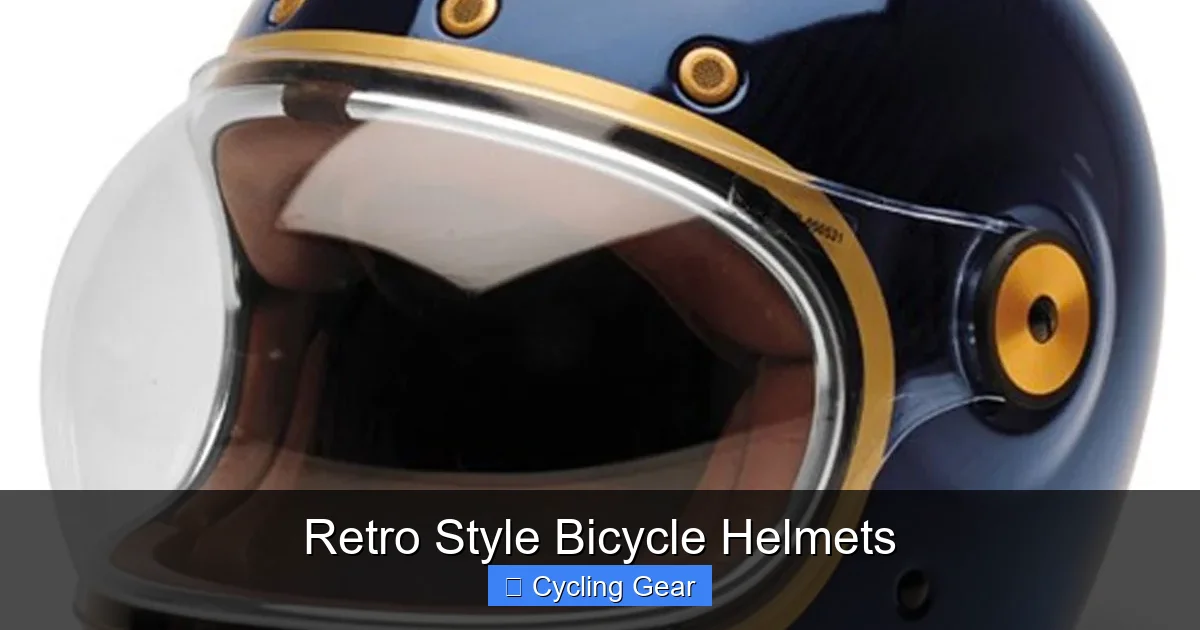
Retro style bicycle helmets are a good choice if you want classic looks with modern safety features. The best option is one that is certified, fits well, and feels comfortable enough to wear on every ride.
Retro style bicycle helmets have become a favorite for riders who want a classic look without giving up modern safety features. For commuters, casual riders, and e-bike users, the appeal is simple: a helmet that feels more stylish, less bulky, and easier to wear every day.
At ProKingsEdge, we see this category as a balance between design and protection. The best retro style bicycle helmets look vintage on the outside but still meet current safety standards, fit correctly, and stay comfortable enough for regular use.
- Fit first: A helmet should sit level and feel snug without pressure points.
- Check certification: Vintage-inspired style should never replace current safety standards.
- Match your ride: Commuting, casual rides, and hot-weather cycling have different needs.
- Compare value: Pay for comfort and build quality, not just looks.
- Replace after impact: Follow the product manual or brand guidance after any crash.
Retro Style Bicycle Helmets: Why Riders Want Vintage Looks with Modern Protection
Retro helmets stand out because they blend old-school styling with newer materials and construction. Many riders like the cleaner shape, softer color palette, and less “sporty” appearance compared with traditional road helmets.
That matters for everyday cycling. If a helmet looks good with commuter clothes, casual outfits, or a simple city bike, riders are often more likely to wear it consistently. And consistency matters more than fashion alone, because the best helmet is the one you actually put on every ride.
Modern retro style bicycle helmets usually include foam impact protection, adjustable retention systems, and safety certifications that were not common in older vintage helmets. In other words, they aim to deliver the look of the past with the protection expectations of today.
A true vintage helmet is not the same as a retro-inspired modern helmet. Older helmets may not meet current safety standards, so check the product manual, brand guidance, or a qualified professional before buying or wearing one.
How to Choose the Right Retro Style Bicycle Helmet in 2026
Choosing a helmet is not just about style. Fit, ventilation, weight, and certification all affect how safe and comfortable the helmet feels during real-world riding.
Fit, sizing, and head shape considerations
Start with size, then check head shape. Some helmets suit rounder heads, while others fit better on oval shapes, and that difference can change comfort a lot.
The helmet should sit level on your head, not tilted back. It should feel snug all around without pressure points, and the retention dial or strap system should hold it steady when you shake your head.
- Measure your head using the brand’s sizing guide
- Try the helmet on if possible before buying
- Confirm the helmet sits low enough on the forehead
- Make sure the straps form a secure “V” under the ears
Ventilation, weight, and everyday comfort
Retro helmets often have fewer vents than aggressive road helmets, but that does not automatically make them uncomfortable. For city riding, moderate ventilation is often enough, especially if the helmet is light and well-shaped.
Weight also matters more than many shoppers expect. A helmet that feels fine in the store can become annoying on longer rides if it pulls on your neck or traps heat.
If you ride in warm weather, look for a retro helmet with hidden or low-profile vents. That keeps the classic look while improving airflow.
Safety certifications and what to check before buying
Before buying, check the label or product page for the safety certification used in your region. Certifications vary by country and product model, so do not assume a helmet is approved just because it looks sturdy.
Also inspect the shell, straps, buckle, and retention system. A stylish helmet with weak hardware or poor adjustment options is not a good value, even if it looks great in photos.
Never use a helmet that has been involved in a crash, even if damage is not obvious. Follow the product manual or ask a qualified professional if you are unsure whether a helmet should be replaced.
Popular Retro Helmet Styles and the Riders They Suit Best
Retro style bicycle helmets come in a few common design directions. Knowing the differences helps you pick one that matches your bike, your commute, and your personal style.
Classic leather-inspired commuter helmets
These helmets borrow visual cues from older cycling gear, often using stitched details, faux-leather accents, or soft neutral colors. They are popular with commuters who want a polished look that works well with street clothes.
They suit riders who value a calm, understated appearance over a race-inspired design. If you ride to work, stop for coffee, or use a city bike for errands, this style often fits the setting well.
Minimalist urban and cafe-racer designs
Minimalist retro helmets usually have a smooth shell, simple strap layout, and fewer visual distractions. They pair well with single-speed bikes, urban cruisers, and e-bikes used for short city trips.
These models often appeal to riders who want something modern but not overly technical. The clean shape can also make the helmet feel less bulky, which is a plus for daily wear.
Glossy colorways, matte finishes, and vintage details
Finish changes the whole look. Glossy helmets can feel more polished and eye-catching, while matte finishes tend to look more muted and modern.
Vintage-inspired details like chrome accents, contrast straps, or color-matched trim can add personality without making the helmet look dated. Just remember that design details should never distract from fit, coverage, or certification.
Many riders choose retro helmets because they feel easier to wear in everyday clothes, which can improve how often the helmet gets used.
Retro Style Bicycle Helmets vs. Standard Modern Helmets: What You Gain and What You Give Up
There is no perfect helmet for every rider. Retro style bicycle helmets offer real advantages, but they can also involve trade-offs depending on your priorities.
Aesthetics, visibility, and road presence
The biggest advantage is appearance. Retro helmets often look more approachable and less “sport gear” focused, which many riders prefer for commuting and casual rides.
On the other hand, some standard modern helmets use brighter colors, larger vents, or more angular shapes that can improve visibility in traffic. If you ride at dawn, dusk, or in heavy traffic, visibility should be part of the decision.
Protection features, coverage, and ventilation trade-offs
Most modern helmets, including retro styles, use similar basic impact-absorbing foam construction. The difference is often in coverage, vent layout, and added features rather than the core idea of protection.
Some retro helmets have less airflow or slightly less aggressive coverage than performance-oriented helmets. That does not make them unsafe, but it does mean they may not be the best choice for long climbs, hot weather, or high-intensity riding.
- More stylish for everyday wear
- Often easier to pair with casual clothes
- Can encourage more consistent helmet use
- May have less ventilation
- Can cost more for the same safety level
- Not always ideal for aggressive riding
Price differences and value comparison
Retro helmets can range from budget-friendly to premium, and the price often reflects materials, finish quality, brand positioning, and design details. A higher price does not always mean better safety.
Value comes from the full package: certified protection, reliable fit, comfortable wear, and durable construction. If a helmet looks premium but fits poorly, it is not a smart buy.
Common Mistakes Buyers Make When Shopping for Retro Style Bicycle Helmets
Most buying mistakes are easy to avoid once you know what to look for. The main issue is that style can distract shoppers from the features that actually matter.
Choosing looks over certified safety
Some helmets look vintage but are not built to current standards. That is a serious problem, especially if the product is marketed as “fashion” gear rather than protective cycling equipment.
Always confirm the certification before you buy. If the listing is vague, skip it and choose a model with clear safety information from the brand or retailer.
Ignoring fit adjustments and retention systems
Even a certified helmet can perform poorly if it does not fit well. Loose straps, weak dials, or poor adjustment range can make the helmet shift during a ride.
Take time to adjust the fit before deciding. If you cannot get a stable, comfortable fit, try another model or size.
Overpaying for style without checking materials and build quality
Some retro helmets charge extra for visual details that do not improve protection or comfort. That can be fine if style is your top priority, but it is not the best route for value-focused buyers.
Look at the shell finish, strap quality, buckle feel, and overall construction. Follow the product manual or ask a qualified professional if you are uncertain about durability or compatibility.
Best Use Cases for Retro Style Bicycle Helmets
Retro helmets are especially appealing in everyday riding situations. They are often a strong fit for people who want one helmet they can wear often without feeling over-geared.
City commuting and e-bike cruising
For short city trips, errands, and e-bike cruising, retro helmets make a lot of sense. They usually look natural with casual clothing and can feel less intimidating than a race-style helmet.
That said, e-bike riders should pay attention to local rules and speed-related helmet recommendations, since requirements may differ by area and bike type.
Weekend rides, casual touring, and social group rides
Retro helmets also work well for relaxed weekend rides and social group outings. Their style fits low-pressure riding where comfort and appearance both matter.
If your rides are longer or more demanding, compare ventilation and fit carefully. A helmet that looks great for a coffee ride may feel too warm on a longer tour.
When a retro helmet may not be the best choice
Retro style is not ideal for every rider. If you race, ride hard in hot weather, or want maximum airflow, a more performance-focused helmet may be a better match.
Riders with specific head shape challenges, sensitivity to pressure, or neck discomfort should be extra careful. If a helmet causes pain, pressure, or dizziness, stop using it and check the product manual, brand guidance, or a qualified professional.
If you have a history of head injury, balance problems, fainting, or neck pain that worsens when wearing a helmet, speak with a doctor or qualified professional before riding again.
Expert Tips for Getting the Best Value in 2026
The best value is usually not the cheapest helmet or the most expensive one. It is the model that fits well, meets the right safety standard, and feels comfortable enough to wear regularly.
What Ryan Mitchell recommends checking before purchase
As an editorial rule at ProKingsEdge, I recommend starting with the basics: certification, fit, strap quality, and comfort. Then compare the finish, color, and overall look.
If the helmet passes the practical checks, then style becomes the deciding factor. That order helps prevent impulse buys that look good online but disappoint in real use.
- Certified protection comes first
- Fit should feel secure without pressure points
- Ventilation should match your climate and ride length
- Style should support regular wear, not replace safety
When to spend more and when a budget helmet is enough
Spend more if you want better finish quality, lighter weight, improved comfort, or a more refined retention system. These upgrades can matter if you ride often.
A budget helmet can be enough for occasional riders, short commutes, or backup use, as long as it is certified and fits properly. Do not pay extra just for a trendy label if the build quality is average.
Care, replacement timing, and keeping the helmet looking sharp
Clean the helmet gently with mild soap and water, then let it air dry. Harsh cleaners can damage the shell, straps, or padding over time.
Replace the helmet after a crash, if the fit system fails, or if the manufacturer recommends replacement based on age or wear. The exact timing varies by product, so follow the product manual or brand guidance.
Store your helmet away from direct sun, car heat, and heavy moisture. That helps preserve the finish and may extend the life of the padding and straps.
Final Recap: Choosing a Retro Helmet That Looks Great and Protects Well
Retro style bicycle helmets are a smart option for riders who want everyday comfort with a classic look. The best models combine certified protection, a secure fit, and enough ventilation for the way you actually ride.
If you shop carefully, you do not have to choose between style and safety. Focus on fit first, then check certification, comfort, and build quality so you end up with a helmet you will want to wear again and again.
- Retro helmets are best when style and daily wear matter.
- Fit and certification should matter more than appearance alone.
- Ventilation and weight affect comfort on longer rides.
- Choose the model that matches your riding habits and climate.
Frequently Asked Questions
Are retro style bicycle helmets safe?
They can be safe if they meet current certification standards and fit correctly. Always check the label, brand guidance, or a qualified professional before buying.
What should I look for in a retro bicycle helmet?
Focus on certification, fit, strap quality, ventilation, and comfort. Style matters too, but it should come after safety and sizing.
Do retro helmets have less ventilation than regular helmets?
Some do, especially models designed for a smoother vintage look. That may be fine for commuting, but riders in hot climates should compare airflow carefully.
Can I use a retro helmet on an e-bike?
Often yes, but local rules and e-bike speed may affect what is recommended or required. Check your local regulations, product manual, or a qualified professional.
How do I know if a retro helmet fits correctly?
It should sit level, feel snug, and stay stable when you move your head. The straps and retention dial should hold it securely without pressure points.
When should I replace a bicycle helmet?
Replace it after a crash, if the fit system is damaged, or if the manufacturer recommends replacement due to age or wear. Follow the product manual or brand guidance.