Choose mountain bike shoes by matching them to your pedals, your foot shape, and the terrain you ride most often. For most new riders, a comfortable all-around flat pedal or trail shoe is the safest starting point.
If you’re buying your first mountain bike shoes, focus on pedal compatibility, fit, and traction before style or brand names. The right pair should help you feel secure on the bike, comfortable off it, and confident on mixed terrain.
- Pedal match first: Flat shoes and clipless shoes solve different problems, so start with your pedal system.
- Fit beats hype: Heel hold, toe room, and width matter more than brand or style.
- Grip and stiffness matter: The outsole should suit both riding control and short walking sections.
- Weather changes the choice: Ventilation, drainage, and water resistance should match your climate.
- Inspect and maintain: Clean, dry, and check shoes regularly to keep them comfortable and reliable.
Mountain Bike Shoes Explained: What New Riders Need Right Away
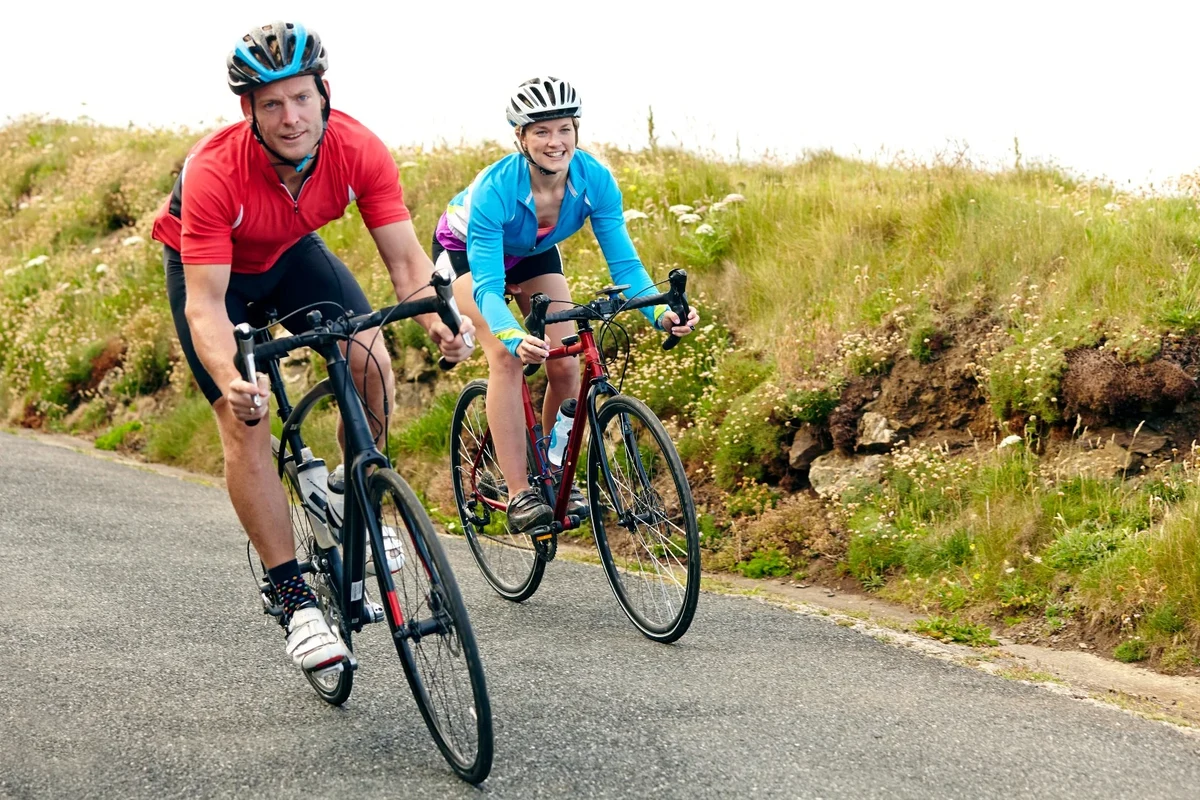
Mountain bike shoes are built to connect your foot to the pedal more securely than regular sneakers. That connection can improve control, reduce foot slip, and make it easier to stay stable on rough trails, wet pavement, or short walk sections.
How MTB shoes work with pedals and why they matter for control
MTB shoes are designed around two common pedal systems: flat pedals and clipless pedals. Flat pedal shoes use grippy rubber soles and a tread pattern that helps the shoe stick to the pedal pins, while clipless shoes use a cleat that locks into a matching pedal for a more fixed connection.
For new riders, the main benefit is consistency. A shoe that matches the pedal system can make starting, braking, cornering, and climbing feel more controlled, especially when the trail gets loose, muddy, or uneven.
Who this guide is for: casual trail riders, commuters, and first-time buyers
This guide is for riders who want one pair of shoes that can handle beginner trail rides, bike-path commuting, or weekend exploring. It also helps parents buying for teens, riders switching from sneakers, and anyone who wants a simple starting point without overbuying performance features they may not need yet.
For first-time buyers, the best shoe is usually the one that matches your pedals, fits your foot shape, and feels secure enough to ride confidently without making walking awkward.
How to Choose the Right MTB Shoe Type for Your Riding Style
The best shoe type depends on how you ride, where you ride, and how often you expect to walk in them. Beginners usually do best by choosing the pedal system first, then narrowing the shoe style based on comfort and versatility.
Flat pedal shoes vs. clipless shoes: key differences, benefits, and trade-offs
Flat pedal shoes are the easiest starting point for many new riders because they let you place a foot down instantly. They are often more forgiving for stop-and-go riding, short errands, and technical terrain where frequent dab-steps are common.
Clipless shoes can improve connection to the bike once you learn the system, but they also require compatible pedals and cleats. That setup can feel more efficient to some riders, yet it comes with a learning curve, especially when starting, stopping, or moving through crowded areas.
- Flat shoes are simple and beginner-friendly
- Clipless shoes offer a secure mechanical connection
- Both can improve control when matched to the right pedals
- Flat shoes depend heavily on pedal grip and sole quality
- Clipless shoes require setup and practice
- Wrong pedal-shoe pairing can feel unstable or awkward
Trail, cross-country, enduro, and beginner-friendly options
Trail shoes are often the most practical all-around choice because they balance grip, walking comfort, and durability. Cross-country shoes tend to emphasize pedaling efficiency and lighter construction, while enduro shoes usually lean toward more protection and a sturdier feel.
Beginner-friendly models often sit in the middle: enough stiffness for pedaling, enough tread for walking, and enough upper protection for casual trail use. If you are not yet sure how you ride most often, an all-around trail shoe is usually the safest category to start with.
When to choose versatility over performance
Choose versatility if you ride a mix of pavement, gravel, bike paths, and easy trails. A shoe that is slightly less specialized often makes more sense for new riders than a highly performance-focused model that feels stiff, narrow, or uncomfortable off the bike.
The Key Specs to Check Before You Buy
Product descriptions can sound similar, so it helps to focus on the few specs that change how a shoe actually feels. For mountain bike shoes, the most useful details are grip, stiffness, closure, breathability, and protection.
Outsole grip, tread pattern, and pedal compatibility
On flat pedal shoes, outsole rubber and tread design matter a lot because they help the shoe stay planted on pedal pins. Look for a sole that is meant for flat pedals rather than a smooth outsole made mainly for casual walking.
On clipless shoes, the outsole still matters for walking traction, but cleat compatibility is the key issue. Always confirm that the shoe matches your pedal system and cleat standard before buying, since compatibility varies by model and brand.
Stiffness, power transfer, and walking comfort
More stiffness can help transfer pedaling effort more directly, but it may feel less comfortable when walking or standing off the bike. Softer shoes usually walk better, though they may feel less supportive during longer rides or rougher terrain.
New riders often do best with moderate stiffness instead of the stiffest option available. That balance usually gives enough support for riding without making short hikes, trail-side stops, or commuting feel clunky.
Closure systems: laces, Velcro, BOA, and hybrid designs
Laces are simple, familiar, and easy to adjust, but they can be slower to tighten and may need a lace keeper. Velcro straps are quick and easy to use, while dial systems such as BOA-style closures can make fine adjustments easier during the day.
Hybrid designs combine more than one closure type for a blend of convenience and hold. There is no single best system for everyone; the right choice depends on whether you value speed, micro-adjustment, or minimal fuss.
Weight, ventilation, weather resistance, and toe protection
Lighter shoes can feel less bulky, but weight alone should not override fit and durability. Ventilation helps in warm weather, while more weather-resistant materials can be helpful for wet climates, cold rides, or shoulder-season commuting.
Toe protection is worth considering if you ride rocky trails, share paths with obstacles, or tend to bump things when walking the bike. The level of protection varies by model, so check the product details rather than assuming every MTB shoe has the same reinforcement.
If you ride in mixed weather, look for a shoe that dries reasonably well and has enough drainage or ventilation for your climate. A shoe that stays soggy for days is frustrating even if it looks durable on paper.
Fit and Sizing: How Mountain Bike Shoes Should Feel
Fit matters as much as pedal type. A shoe that is technically “right” for MTB can still feel wrong if the toe box is too narrow, the heel slips, or the arch support does not match your foot.
Measuring your foot and comparing brand size charts
Measure both feet and use the larger one as your reference. Brand size charts can differ, so compare your measurements to the specific manufacturer’s chart instead of assuming your usual sneaker size will translate perfectly.
When possible, check retailer return rules before ordering, especially if you are between sizes. Sizing can vary by model, region, and even closure style within the same brand.
Toe room, heel hold, arch support, and width considerations
Your toes should have enough room to move slightly without sliding forward into the front of the shoe. The heel should feel secure, with minimal lift when you walk or pedal, and the midfoot should feel supported without pressure points.
Width matters more than many new riders expect. If you have a wide forefoot or high instep, look for models known for a roomier fit or a closure system that allows more adjustment across the top of the foot.
Trying shoes on with riding socks and insoles
Try shoes on with the socks you actually plan to ride in, because thickness changes fit. If you use aftermarket insoles or orthotic inserts, test the shoe with those too, since they can affect volume and arch feel.
Common sizing mistakes new riders make
One common mistake is buying shoes too large for comfort and then dealing with heel slip. Another is choosing a size based only on casual sneakers, which can lead to a fit that is too tight in the toes or too loose in the midfoot.
Do not rely on “breaking in” a shoe that is clearly the wrong size. Persistent numbness, hot spots, or heel movement can make riding less controlled and more distracting.
Real-World Performance: Comfort, Safety, and Everyday Use
In real use, the best mountain bike shoe is the one you forget about while riding. It should support your feet, match the terrain, and avoid creating new problems like slipping, pinching, or excessive fatigue.
How shoe choice affects traction, confidence, and bike control
Traction affects how confidently you can stand, steer, and shift your weight on the bike. Shoes with better grip can help new riders feel more stable on flat pedals, while clipless shoes can give a more connected feeling once the rider is comfortable with the system.
Confidence matters because tense riders often make more mistakes. A shoe that feels secure but not restrictive can make it easier to focus on line choice, braking, and balance instead of worrying about your feet.
Terrain and weather considerations: mud, rain, heat, and mixed surfaces
Mud and rain can reduce grip and make some shoes feel heavier or slower to dry. In hot weather, ventilation becomes more important, while in cooler or wetter conditions, weather resistance and easier cleanup may matter more than maximum airflow.
If your rides include pavement, dirt, and occasional walking, look for a shoe that handles mixed surfaces well. Very aggressive tread can be helpful in mud, but it may feel less natural on hard ground or indoors.
How much protection new riders actually need
Most new riders do not need the most armored shoe available, but some protection is useful. Toe bumpers, reinforced uppers, and durable outsoles can help with trail contact, curb strikes, and general wear.
The right amount depends on where you ride. A commuter who rides short city routes may prioritize comfort and weather resistance, while a trail beginner may want more toe and side protection.
Limitations of MTB shoes and what they cannot prevent
Mountain bike shoes improve grip and control, but they cannot prevent crashes, ankle twists, or impacts on their own. They are one part of a larger setup that also includes proper bike fit, safe riding habits, and appropriate protective gear where needed.
Stop using shoes with separated soles, damaged closures, or worn-out tread that no longer grips well. Follow the manufacturer’s care and replacement guidance for your specific model.
Setup and Compatibility Tips for a Better First Ride
A good shoe still needs to be matched correctly to the rest of your setup. Small compatibility checks before your first ride can prevent avoidable frustration on the trail or in traffic.
Matching shoes to flat pedals or clipless pedals
Flat pedal shoes should pair with pedals that have a grippy surface or pins designed to hold the sole. Clipless shoes must match the pedal and cleat system, so verify the interface before installation or purchase.
Cleat placement basics for clipless beginners
Cleat position affects how your foot sits over the pedal, but small changes can make a noticeable difference in comfort. If you are new to clipless systems, start with the manufacturer’s guidance and consider professional help if you are unsure about alignment or stance.
Breaking in new shoes safely before longer rides
Wear new shoes on short rides first so you can notice pressure points, hot spots, or looseness before committing to a longer outing. This is also a good time to confirm that laces, straps, or dials stay secure once you start pedaling and walking.
Simple checks before heading onto the trail
Before you ride, check that the shoes feel snug, the soles are clean enough for traction, and the closures are secured evenly. If you use clipless pedals, make sure release and engagement feel normal on a safe, low-risk practice area before tackling technical terrain.
- Confirm pedal compatibility and cleat standard if applicable
- Check size charts, width, and return policy
- Match the shoe to your most common terrain and weather
- Inspect closures, tread, and upper materials before every season
Care, Storage, and Maintenance to Extend Shoe Life
Mountain bike shoes last longer when they are cleaned and dried properly. Regular care also helps preserve grip, reduce odor, and make it easier to spot wear before it becomes a safety or comfort issue.
Cleaning mud, dust, and moisture after rides
Brush off dry dirt first, then wipe the shoes with a damp cloth or follow the manufacturer’s cleaning instructions. If mud gets packed into the tread, clean it out sooner rather than later so the outsole can keep doing its job.
Drying methods that protect materials and adhesives
Air drying is usually the safest approach. Avoid high heat, radiators, or direct heat sources unless the manufacturer specifically says otherwise, because heat can damage adhesives, soften materials, or shorten the life of the shoe.
When to inspect soles, uppers, closures, and cleats
Check the outsole for worn tread, the upper for tears, and the closure system for fraying or weak points. If you ride clipless, inspect cleats regularly as well, since wear can affect engagement and release.
Storage tips for off-season and wet-weather gear
Store shoes in a dry, ventilated place away from trapped moisture. For wet-weather use, make sure the shoes are fully dry before putting them away so odor and material breakdown do not build up over time.
Best Value Choices for New Riders: What to Prioritize in 2025
For most beginners, value does not mean the cheapest shoe. It means getting the best mix of fit, compatibility, comfort, and durability for the way you actually ride.
Where to spend more and where to save
Spend more on fit, outsole quality, and the closure system if those features affect your comfort or control. You can often save on premium branding, race-focused stiffness, or advanced features you are unlikely to notice as a new rider.
Budget, mid-range, and premium feature trade-offs
Budget shoes can be perfectly workable if they fit well and match your pedals, but they may use simpler materials or less refined closures. Mid-range options often offer the best balance for new riders, while premium models may add lighter construction, better adjustability, or more specialized performance.
All-around trail shoe
Good for new riders who want one pair for short trails, commuting, and casual riding. The main limitation is that it may not be the lightest or most specialized option.
Flat pedal shoe with sticky rubber
Best if you want simple setup and easy foot-down confidence. It is less ideal if you later decide you want the locked-in feel of clipless pedals.
Common mistakes to avoid when buying your first pair
Avoid buying based only on appearance, assuming all MTB shoes fit the same, or choosing a pedal system before you understand how you ride. Also avoid ignoring return policies, because fit issues are one of the most common reasons a first pair disappoints.
Final recommendation: the safest and smartest starting point for most beginners
For most new riders, the smartest first purchase is a comfortable all-around MTB shoe that matches your current pedals, fits your foot shape, and has enough grip for your most common terrain. If you are unsure whether to go flat or clipless, the simpler and more forgiving setup is usually the better place to start.
Choose the shoe that fits well, matches your pedal system, and feels stable enough for the rides you will actually do most often. If you want maximum simplicity, start with a well-fitting flat pedal shoe; if you are ready for a learning curve and have compatible pedals, clipless can be a later upgrade.
Frequently Asked Questions
Most beginners do well with flat pedal shoes because they are simpler and easier to manage at stops. Clipless shoes can work too, but they require compatible pedals and a learning period.
They should feel snug at the heel and midfoot with enough toe room to avoid pressure. Fit can vary by brand, so compare your foot measurements to the brand’s size chart.
Focus on outsole grip, pedal compatibility, stiffness, closure system, and weather suitability. Toe protection and ventilation also matter depending on where and how you ride.
Yes, many all-around MTB shoes work well for commuting, especially if you walk in them often. Look for comfort, traction, and weather resistance rather than race-focused stiffness.
Brush off dirt, wipe them clean, and let them air dry away from direct heat. Check the tread, upper, and closures regularly for wear or damage.
Verify pedal compatibility, size chart details, width, return policy, and intended terrain. If you ride clipless, also confirm cleat and pedal compatibility before purchase.