MIPS can add rotational-impact protection, but it is not required for every beginner. The best helmet is the one that fits well, meets the right safety standard, and suits your riding style.
If you are choosing your first mountain bike helmet, the short answer is simple: a MIPS helmet can add an extra layer of rotational-impact protection, while a non-MIPS helmet can still be a solid choice if it fits well, meets the right safety standard, and suits your budget. For beginners, the best helmet is usually the one that fits correctly, feels stable, and matches the type of riding you actually do.
- Fit first: A helmet that stays stable and covers the right areas is more important than.
- MIPS adds a layer: It may help with certain angled impacts, but it does not prevent all injuries.
- Non-MIPS can still work: A certified, well-fitting standard helmet can be a smart value choice.
- Match the terrain: Trail, enduro, XC, and e-MTB riders may need different coverage and ventilation priorities.
Mips vs Non-Mips Mountain Bike Helmets: The Short Answer for Beginners
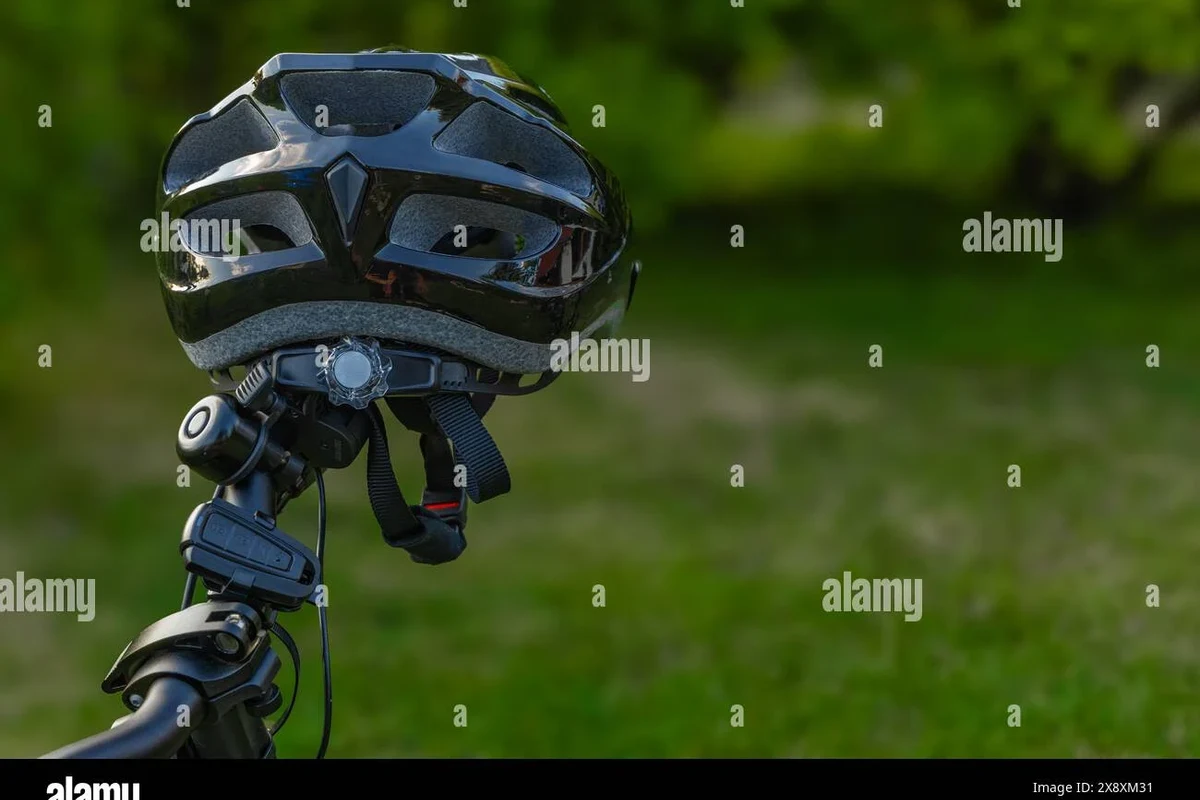
MIPS is not a magic safety upgrade, and non-MIPS does not mean unsafe. The real decision is whether the added rotational protection, often at a higher price, is worth it for your riding style, terrain, and comfort preferences.
For many new riders, a well-fitting non-MIPS helmet from a reputable brand may be perfectly reasonable. For riders on steeper trails, faster descents, or mixed terrain, MIPS is often worth considering because it addresses one type of crash force that standard helmet designs may not reduce as directly.
How MIPS Works and What It Actually Changes in a Crash
MIPS stands for Multi-directional Impact Protection System. In simple terms, it is a low-friction layer inside the helmet that is designed to let the helmet shift slightly around your head during certain angled impacts.
Rotational Impact Protection Explained in Simple Terms
Many bike crashes are not straight-on hits. When your head strikes the ground or an obstacle at an angle, your head can be forced to rotate quickly, which may increase stress on the brain. MIPS is intended to reduce some of that rotational movement by allowing a small amount of slip between the helmet and the head.
That does not mean MIPS eliminates brain injury risk. It is one design approach meant to address one category of impact, not every possible crash scenario.
Helmet safety standards typically focus on impact attenuation, but they do not guarantee protection in every crash or prevent all head injuries.
What MIPS Can Help With—and What It Cannot Prevent
MIPS may help reduce rotational forces in certain angled impacts, but it cannot stop all injuries, and it does not replace proper fit, correct strap tension, or a helmet that covers the right parts of your head. It also cannot compensate for a helmet that is too loose, too small, or damaged.
It is also important not to overread marketing claims. MIPS is one feature among several, and the overall helmet design, shell shape, coverage, ventilation, retention system, and certification matter too.
Non-MIPS Helmets: How They Compare on Safety, Weight, and Price
Non-MIPS helmets can still meet recognized safety standards and offer good protection for everyday trail use, commuting, and casual riding. They often cost less, and some riders prefer their simpler feel or slightly lighter setup, depending on the model.
Where Standard Helmets Still Make Sense
A standard helmet makes sense when your priority is value, simple construction, or you want a model that fits your head better than the nearest MIPS option. A great fit can matter more than an extra feature that does not sit comfortably on your head shape.
Non-MIPS helmets are also common in entry-level price ranges, which can help beginners spend more on gloves, lights, eyewear, or a better bike fit. If the helmet meets the right certification and fits securely, it may be all you need for moderate riding.
Common Trade-Offs Beginners Should Expect
The main trade-off is usually feature count versus price. MIPS helmets may cost more, and some riders notice a slightly different internal feel because of the slip liner or low-friction layer.
Non-MIPS helmets may offer fewer rotational-impact design features, but they are not automatically lower quality. The key is to compare the whole helmet, not just whether the label says MIPS.
- Usually lower cost
- Simpler internal design
- Can still meet safety certifications
- No MIPS-style rotational layer
- Fewer feature options in some price ranges
- Value depends heavily on fit and construction
How to Choose the Right Helmet for Your Riding Style and Terrain
Beginners often choose by price first, but riding style should come first. A helmet for smooth cross-country paths may feel very different from one designed for rougher trail or enduro terrain.
Cross-Country, Trail, Enduro, and E-MTB Considerations
Cross-country riders usually prioritize light weight and ventilation. Trail riders often want a balance of coverage, comfort, and airflow. Enduro riders may prefer more rear coverage and a visor, while e-MTB riders may look for better stability, more coverage, and stronger all-day comfort because speeds and ride times can differ from traditional riding.
The more technical or faster the terrain, the more sense it makes to look closely at coverage, fit security, and rotational-impact features like MIPS. For mellow rides, a basic certified helmet may be enough if it is comfortable and well fitted.
Weather, Ventilation, and Storage Needs in 2025
Hot weather and long climbs make ventilation a real factor. If you ride in warm climates or spend time climbing slowly, look closely at airflow, brow venting, and how the helmet feels when you sweat.
Storage also matters. If you keep your helmet in a car, garage, or gear bin, avoid leaving it in extreme heat for long periods, and follow the manufacturer’s care guidance. Heat, UV exposure, and rough storage can shorten the useful life of helmet materials.
When comparing helmets online, check whether the brand lists the intended riding category, head shape guidance, and size chart. A helmet that is “better” on paper is not better if it presses on your forehead or rocks side to side.
Fit, Sizing, and Comfort: What Matters Most Before You Buy
Fit is the biggest factor in real-world helmet performance. A helmet can have MIPS, advanced vents, and premium materials, but if it sits too high, shifts when you shake your head, or leaves gaps in coverage, it is the wrong choice.
How to Measure Your Head and Check Helmet Coverage
Use a soft measuring tape around the widest part of your head, usually just above the eyebrows and around the back of the skull. Compare that measurement to the brand’s size chart, since sizing varies by model and manufacturer.
Coverage should feel secure without pressing painfully. The front edge should sit low enough to protect the forehead, and the rear should cradle the back of the head without interfering with your neck movement.
- Match your head measurement to the brand’s current size chart
- Check that the helmet sits level and does not rock side to side
- Verify that the front edge covers the forehead properly
- Confirm the helmet stays stable with the retention system adjusted
Retention Systems, Padding, and Eyewear Compatibility
A good retention system should let you fine-tune the fit without creating pressure points. Padding can improve comfort, but padding should not be used to “fix” a shell that is too large.
If you wear glasses or cycling eyewear, check that the helmet’s shape works with your frames and that the visor does not interfere. Beginners often overlook this and end up with a helmet that feels fine until they try to ride with sunglasses.
Safety Standards, Specifications, and Features to Verify
For helmets, the certification label matters more than marketing language. Before buying, verify the current safety standard that applies in your region and riding category by checking the product label, manufacturer specs, or the retailer’s official listing.
Certifications to Look For and Why They Matter
Look for the certification required or commonly accepted in your market, such as bicycle helmet standards recognized by your local authorities or governing bodies. Standards help confirm that the helmet passed specific impact and retention tests, but they do not guarantee protection in every crash.
If you are racing or riding in an event, check the event rules as well. Some events may have specific helmet requirements, especially for downhill, enduro, or e-bike-related formats.
Standards, labeling, and regional approval requirements can vary by country and even by retailer listing. Confirm the exact certification on the helmet you plan to buy, not just the product family name.
Visors, Coverage, Chin Straps, and Other Practical Features
Visors can help with sun and branch glare, but they should not block your view or make the helmet awkward with eyewear. More coverage can be helpful on trail and enduro rides, though extra coverage may come with more weight or less airflow.
Chin straps should lie flat and tighten securely without pinching. If the strap hardware or buckle feels flimsy, or if the helmet cannot stay centered during normal head movement, look for a different model.
Current size chart
Eyewear you ride with
Manufacturer spec sheet
Real-World Benefits, Limitations, and Common Beginner Mistakes
Beginners often focus on the wrong details, like color or the number of vents, before checking fit and certification. Those details matter less than whether the helmet stays in place and matches your riding conditions.
When Paying Extra for MIPS Is Worth It
MIPS is often worth the extra cost if you ride faster trails, ride in technical terrain, or simply want an added rotational-impact design feature for peace of mind. It can also make sense if the price difference is small and the helmet still fits well.
If you are a very casual rider on smooth paths, a non-MIPS helmet may be the smarter value choice. The best purchase is the one that balances fit, safety standard, comfort, and budget without sacrificing any one of them too much.
Overconfidence, Poor Fit, and Other Risks to Avoid
Do not assume a premium helmet makes risky riding safe. Helmets reduce risk, but they cannot prevent every injury, and they do not make up for poor trail judgment, speed, or ignoring worn gear.
Also avoid buying a helmet that is “close enough” in size. If it shifts, pinches, or sits too high, keep looking. A less expensive helmet that fits properly is usually better than a more expensive one that does not.
- Choose the helmet that fits your head shape best
- Verify the current safety certification
- Replace a helmet after a significant impact or visible damage
- Buying only by brand name or vent count
- Using a helmet with cracks, crushed foam, or damaged straps
- Assuming MIPS eliminates the need for proper fit
Care, Inspection, Replacement, and Final Buying Recommendation
Helmet care is simple, but it matters. Clean, inspect, and store it properly so the shell, foam, straps, and retention system stay in good condition as long as possible.
Cleaning, Storage, and Damage Checks After Rides
Use mild soap and water, then let the helmet air dry away from direct heat. Avoid harsh chemicals, paint, adhesives, or solvents unless the manufacturer specifically says they are safe.
After rides, check for cracks, dents, crushed foam, loose straps, damaged buckles, or a retention system that no longer holds position well. If something looks off, follow the manufacturer’s inspection guidance and stop using the helmet until you are sure it is safe.
Stop using damaged gear and follow the manufacturer’s inspection or service guidance. If the helmet has taken a hard hit, replace it according to the brand’s instructions even if the damage is not obvious.
When to Replace a Helmet and Which Type Offers the Best Value
Replace a helmet after a significant impact, visible structural damage, or when the manufacturer’s guidance says it is no longer safe to use. Also replace it if the fit no longer works because padding is worn out or the retention system no longer adjusts properly.
For best value, beginners should usually pick the helmet that fits best, carries the right certification, and matches the terrain they ride most. If MIPS is available at a reasonable price and the helmet still fits comfortably, it is a sensible upgrade. If not, a well-fitting non-MIPS helmet from a trusted brand remains a practical choice.
Choose MIPS if you want an added rotational-impact feature and the helmet still fits you well without stretching your budget too far. Choose non-MIPS if you find a better-fitting, properly certified helmet that suits your riding style and costs less. For beginners, fit, coverage, and certification should come first; MIPS is the bonus, not the baseline.
Common Questions
No, not always. Beginners can do well with either MIPS or non-MIPS if the helmet fits properly and meets the right safety standard.
It can be, especially if you ride technical trails or the price difference is small. If budget is tight, a good non-MIPS helmet may be the better value.
Fit, coverage, and certification matter more. A poorly fitting MIPS helmet is still a poor choice.
Sometimes, but mountain bike helmets often offer more rear coverage and a visor. Choose the helmet that matches your terrain and comfort needs.
Yes, if the impact was significant or the manufacturer says to replace it. Also replace any helmet with visible damage.
Frequently Asked Questions
No. Many beginners can use a non-MIPS helmet safely if it fits well and meets the correct certification for their region. MIPS is an added feature, not a requirement for every rider.
It should sit level on your head, cover the forehead properly, and stay stable when you move your head. If it rocks, pinches, or sits too high, try another size or model.
Look for the current standard required or commonly accepted where you ride. Check the helmet label and the manufacturer’s official specifications rather than relying on marketing terms.
Clean it with mild soap and water, then air dry it away from direct heat. Avoid harsh chemicals and inspect the shell, foam, straps, and buckle regularly.
It is often worth considering if you ride faster trails, technical terrain, or want an added rotational-impact feature. If the budget difference is large, a good non-MIPS helmet may be the better buy.
Stop using it after a significant impact, visible damage, or if straps and retention parts are no longer secure. Follow the manufacturer’s replacement guidance if you are unsure.