Choose a mini pump if you want the most reliable all-around roadside backup. Choose CO2 if you value the fastest inflation and are willing to carry cartridges and accept limited retries.
Choosing between a mini pump and a CO2 inflator comes down to one question: do you want unlimited, slower inflation or very fast, single-use inflation? For most cyclists, a mini pump is the safer all-around backup; for riders who care most about speed and compact carry, CO2 often makes more sense.
- Reliability: Mini pumps are reusable and better for repeated flats.
- Speed: CO2 inflators are faster and more compact for roadside use.
- Cost: Mini pumps usually have lower ongoing costs than cartridge-based systems.
- Fit: Check valve compatibility, pressure range, and carry comfort before buying.
- Best practice: Many riders benefit from carrying a pump plus a backup repair kit.
Mini Pump vs CO2 Inflator: The Quick Answer for Cyclists in 2025
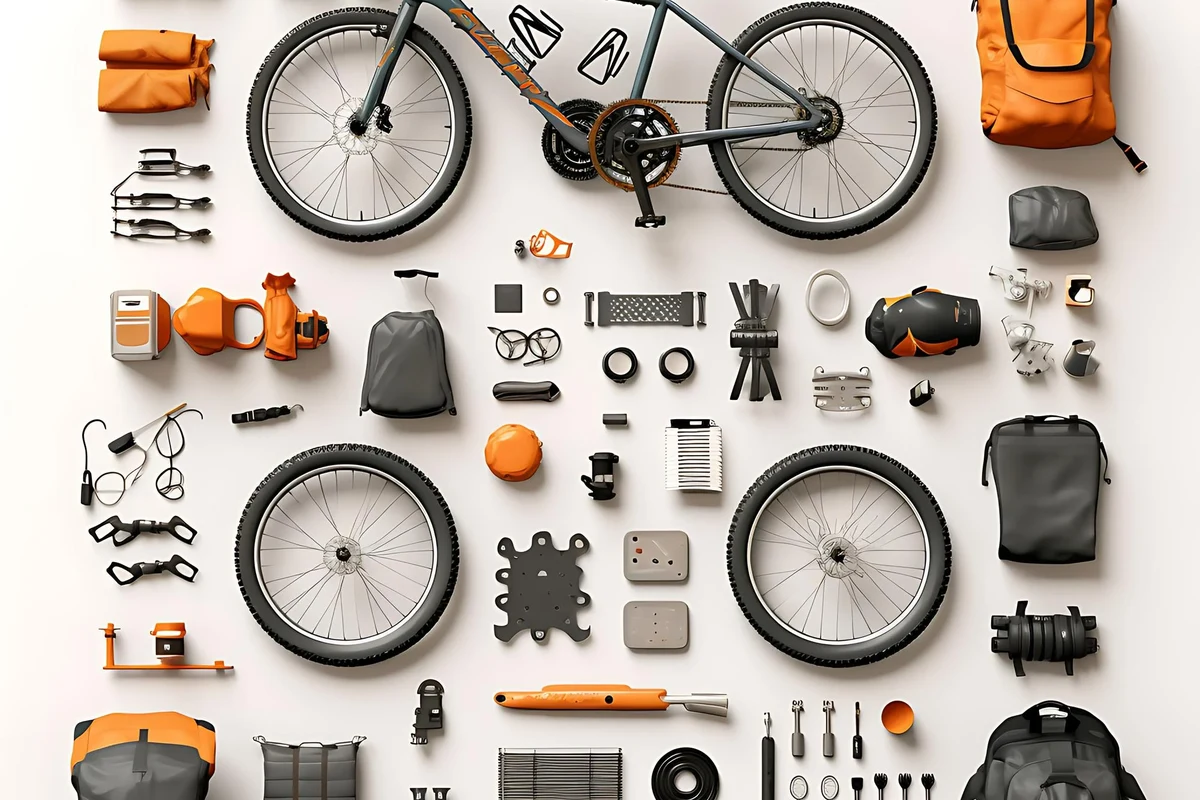
A mini pump is usually the better choice if you want one tool that can handle repeated flats, minor pressure top-ups, and unpredictable rides. A CO2 inflator is usually the better choice if you need to get rolling quickly and do not mind carrying cartridges and accepting a little more risk if the first inflation is not perfect.
When a mini pump is the better choice
Choose a mini pump if you ride long distances, commute daily, tour, or want a backup that works as many times as needed. It is also a smart option if you do not want to depend on cartridges, especially on remote rides where a second puncture is possible.
When a CO2 inflator makes more sense
Choose CO2 if you race, ride hard in groups, or want the smallest possible roadside repair kit. It is also attractive for riders who value speed over convenience, especially when a quick return to the road matters more than having unlimited inflation.
The simplest decision rule for roadside repairs
If you want the most reliable “get-home” tool, buy a mini pump. If you want the fastest inflation and are willing to carry spare cartridges, buy CO2 or keep one as a backup to a pump.
How Each Tool Works: Manual Air vs Instant Gas Inflation
These tools solve the same problem in different ways. A mini pump compresses outside air and pushes it into the tire with repeated strokes, while a CO2 inflator releases compressed carbon dioxide from a cartridge in a very short burst.
How a mini pump adds pressure over time
A mini pump relies on your hand or arm strength. Each stroke moves a limited amount of air, so getting a tire back to riding pressure takes longer, especially on higher-pressure road tires or larger-volume tires that need more total air.
How a CO2 inflator releases compressed gas
A CO2 inflator opens a cartridge and sends gas into the tire quickly. That speed is the main appeal, but the cartridge is single-use, and the amount of pressure you end up with depends on cartridge size, tire volume, and how carefully you control the release.
Why inflation speed, control, and repeatability differ
Mini pumps give you more control because you can stop, check pressure, and keep going. CO2 is faster, but the margin for error is smaller: once the cartridge is discharged, your options are limited unless you carry another cartridge or also have a pump.
Exact inflation performance varies by pump design, cartridge size, tire volume, and valve setup. Check the manufacturer’s instructions for your specific model before relying on it in the field.
Who Each Option Fits Best: Rider Type, Terrain, and Riding Style
The better choice is not only about the tool itself. It also depends on how you ride, where you ride, and how much space you want to give up in a pocket, saddle bag, or frame bag.
Mini pump users: commuters, touring riders, and backup-focused cyclists
Mini pumps fit riders who value self-sufficiency. Commuters often like the peace of mind of a reusable tool, and touring riders usually appreciate having a solution that does not depend on carrying enough cartridges for a long trip.
CO2 inflator users: racers, performance riders, and weight-conscious setups
CO2 tends to suit riders who care about fast roadside recovery and compact carry. It is especially common in performance-oriented kits where every second matters and the rider is comfortable managing cartridges and pressure carefully.
How road, gravel, mountain, and e-bike riding changes the choice
Road riders often want higher pressure and may prefer CO2 for speed, though a good mini pump can still work. Gravel and mountain riders usually deal with lower pressures and larger tire volumes, which can make a mini pump more practical for flexibility, while e-bike riders may prioritize reliability and the ability to handle heavier setups or repeated stops.
A mini pump is easier to understand and keeps working after the first flat.
CO2 can be convenient if you already know how to manage cartridges and pressure.
Many experienced riders carry both: CO2 for speed and a pump for backup.
Key Buying Criteria to Compare Before You Choose
Before you buy, compare the details that affect real roadside use. Small differences in valve fit, pressure range, and carry comfort can matter more than brand names or marketing claims.
Valve compatibility: Presta, Schrader, and multi-valve designs
Check whether the tool fits your valve type without awkward adapters or loose seals. Many pumps and inflators support Presta and Schrader, but the quality of the connection matters just as much as compatibility.
Pressure range and real-world inflation capacity
Do not assume every mini pump can easily bring every tire to riding pressure. Higher-pressure road tires can be harder to top off, while larger tires may require more strokes or a cartridge with enough capacity to be useful.
Size, weight, and frame-bag or jersey-pocket carry comfort
Compact tools are easier to carry, but the smallest option is not always the most usable. A tiny pump may save space but be tiring to use, while a CO2 setup may be compact but still require cartridges and a head that is easy to handle with cold or gloved hands.
Durability, materials, and weather resistance
Look for a tool that can handle being bounced around in a bag, exposed to rain, or used with cold fingers. Metal parts, secure threads, and a solid valve head often matter more than flashy styling, but material claims should be verified by the manufacturer.
Cost of ownership: pump price, CO2 cartridge cost, and ongoing replacements
A mini pump is usually a one-time purchase, aside from wear parts. CO2 systems have ongoing cartridge costs, so the long-term expense depends on how often you ride, how often you puncture, and whether you practice with cartridges before you need them in an emergency.
- Confirm valve compatibility with your tubes or tubeless setup.
- Check the pressure range against your tire type and riding style.
- Make sure the tool fits your carry system and hand size.
- Review cartridge compatibility, replacement parts, and return policy.
Real-World Benefits and Limitations of Each Option
Both tools can work well, but each has tradeoffs that become obvious when you are standing on the side of the road. The best choice is the one that matches your tolerance for effort, risk, and inconvenience.
Mini pump advantages: unlimited inflation and no consumables
The biggest advantage of a mini pump is that it keeps working as long as you can keep pumping. That makes it useful for repeated flats, pressure adjustments, and situations where you cannot predict how much air you will need.
Mini pump drawbacks: effort, slower roadside repairs, and hand fatigue
Mini pumps take more time and effort, and smaller models can be tiring to use. If you are already stressed from a puncture or riding in bad weather, the extra work can feel significant.
CO2 advantages: speed, compactness, and race-day convenience
CO2 is appealing because it is fast and tidy. It can be especially convenient when you want to minimize roadside downtime and carry the smallest possible repair kit.
CO2 drawbacks: single-use cartridges, temperature sensitivity, and limited retries
Once a cartridge is used, it is gone. CO2 also requires careful handling because the cartridge and inflator head can become very cold during use, and the pressure you end up with may drop after inflation depending on the setup and conditions.
- Fast inflation with minimal effort
- Very compact roadside kit
- Useful for race or event situations
- Single-use cartridges add ongoing cost
- Less forgiving if the first attempt is imperfect
- Cold cartridge handling can be awkward
Common Mistakes Cyclists Make With Mini Pumps and CO2 Inflators
Many roadside problems come from simple setup errors rather than the tool itself. A good purchase can still feel useless if the valve connection is poor or the rider is not prepared for the limits of the system.
Choosing the wrong valve head or failing to secure the seal
A poor seal can leak air before the tire is fully inflated. Make sure the head is matched to your valve and locked on correctly, especially if you switch between bikes or wheel types.
Overinflating tires or not checking recommended PSI/pressure range
Do not rely on guesswork. Check the tire sidewall, rim guidance, or manufacturer instructions for the correct pressure range, then use a gauge when available instead of assuming “more is better.”
Using CO2 without accounting for pressure loss after inflation
CO2 can behave differently from regular air, and pressure may change after the initial inflation. That is one reason many riders practice at home or keep a pump as a backup rather than treating CO2 as a one-step cure-all.
Forgetting to carry a backup plan for repeated punctures
If you ride far from help, one cartridge may not be enough. A mini pump, spare tube, patch kit, tire plugs for compatible setups, and a way to remove the wheel can matter more than the inflation tool alone.
- Practice attaching the tool before you need it roadside.
- Carry the right valve adapter or inflator head for your setup.
- Check pressure against the tire’s recommended range.
- Assuming every cartridge or pump head works the same way.
- Skipping a backup plan on long or remote rides.
- Using damaged valves, threads, or seals.
Safe Use, Care, and Storage for Reliable Roadside Performance
Good storage and basic maintenance help both tools stay dependable. The goal is not just to own a pump or inflator, but to keep it ready when a flat happens in poor weather, at night, or far from home.
How to store a mini pump to prevent damage and rattling
Store the pump where it will not rub against frame paint, rattle loose, or get crushed in a crowded bag. If the model includes a mount, confirm that it is secure and does not interfere with bottle cages, cables, or suspension movement.
How to carry CO2 cartridges safely and protect the inflator head
Keep cartridges secured so they do not bang around or puncture packaging. Protect the inflator head from dirt and moisture, and do not leave cartridges loose in a pocket where they can be hard to find in an emergency.
Maintenance checks: seals, threads, valves, and cartridge compatibility
Inspect O-rings, seals, valve interfaces, and threads periodically. If the tool feels loose, leaks air, or shows visible wear, follow the manufacturer’s service guidance rather than forcing a repair in the field.
When to replace worn parts or retire unreliable gear
If a pump head no longer seals, a cartridge head sticks, or the tool has damaged threads or cracked parts, replace it or retire it. Roadside repair gear should be dependable, not something you have to fight with when you are already dealing with a flat.
Stop using damaged gear and follow the manufacturer’s inspection or service guidance. If a valve, thread, or seal looks worn, replace the part before your next ride.
Final Recommendation: Which One Should You Buy in 2025?
The best choice depends on whether you value certainty or speed more. If you want one tool that can keep working no matter how many times you need it, a mini pump is the safer default. If you want the fastest roadside fix and are comfortable carrying cartridges, CO2 is the more convenient option.
Best overall choice for most cyclists
For most riders, a mini pump is the best standalone purchase because it is reusable, predictable, and less dependent on consumables. It is especially strong for commuting, touring, and backup-focused riding.
Best choice if speed matters most
If your priority is getting back on the bike as quickly as possible, CO2 is the better pick. It is most appealing for racing, group rides, and riders who want the smallest possible repair kit.
Best choice if reliability and versatility matter most
If you want the most flexible setup, consider carrying both: a mini pump for guaranteed backup and a CO2 inflator for fast initial inflation. That combination is especially useful for long rides, remote routes, and riders who do not want a single point of failure.
Practical verdict for ProKingsEdge readers
Ryan Mitchell’s editorial recommendation is simple: choose a mini pump if you are buying one tool for everyday reliability, and choose CO2 if your riding style rewards speed and compactness. If you are unsure, start with the pump and add CO2 later only if you have a clear reason to prioritize faster roadside inflation.
Most cyclists should buy a mini pump first because it is reusable, versatile, and dependable in repeat-flat situations. CO2 is the better specialist option for riders who want fast inflation and are willing to manage cartridges, pressure control, and limited retries.
Frequently Asked Questions
A mini pump is usually better for most cyclists because it is reusable and works for repeated flats. CO2 is better when speed matters most and you are comfortable carrying cartridges.
Yes, many riders carry both for flexibility. CO2 gives fast initial inflation, while a mini pump provides a reliable backup if a cartridge runs out or a second puncture happens.
Check valve compatibility, pressure range, carry comfort, durability, and whether replacement parts or cartridges are easy to get. Also confirm the manufacturer’s instructions for your tire type and valve setup.
CO2 inflators can work well on many bike tires, but exact results depend on tire size, cartridge size, and the inflator head. Always verify compatibility and follow the manufacturer’s instructions.
Keep the tool clean, inspect seals and threads, and store it so it does not get damaged in a bag or on the frame. Replace worn parts or retire the tool if it no longer seals or functions reliably.
A mini pump is more useful for repeated inflation because it does not rely on cartridges. For long or remote rides, carry a backup plan such as a spare tube, patch kit, or tire plugs if your setup supports them.