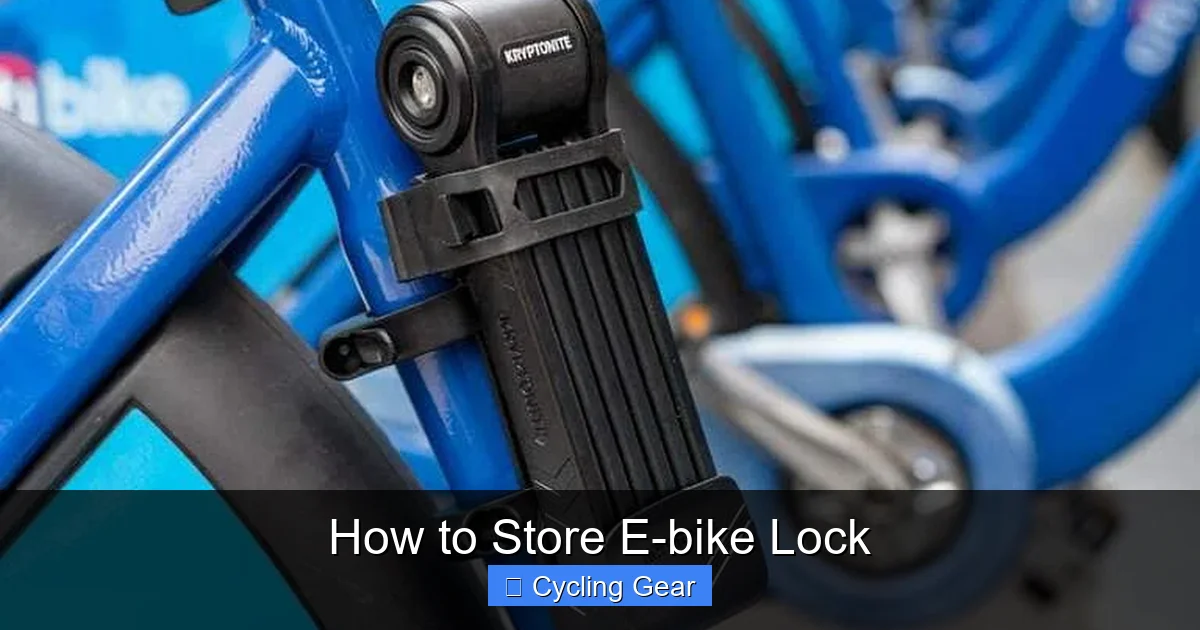
Store an e-bike lock in a dry, secure, easy-to-reach place that fits your lock type and riding routine. Clean and dry it after wet rides, and avoid loose storage that can scratch the bike or wear out the lock.
If you ride an e-bike every day, the best way to store your lock is the one that keeps it dry, easy to reach, and protected from damage. A good storage setup also helps you stay consistent, which matters just as much as the lock itself when it comes to everyday security.
- Dry storage: Keep the lock away from rain, salt, and damp air.
- Secure fit: Use a mount, bag, or hook that prevents rattling and rubbing.
- Routine matters: Store it in the same place so you do not forget it.
- Lock-specific care: U-locks, chains, and folding locks need different storage habits.
- Inspect often: Check for rust, stiffness, cracks, or loose hardware.
How to Store an E-bike Lock Safely and Keep It Ready for Daily Rides
Storing an e-bike lock well starts with a simple goal: make it easy to grab without letting it scratch your bike, wear out early, or become a hassle. Whether you use a U-lock, chain lock, or folding lock, the right storage method depends on your lock’s shape, weight, and how often you ride.
For most riders, the best setup is a balance between convenience and protection. If a lock is too hard to carry, people stop using it properly. If it is stored loosely, it can rattle, rub paint, or get forgotten at home.
Why Proper E-bike Lock Storage Matters for Security, Convenience, and Lock Lifespan
Proper storage is about more than neatness. A lock that is stored in the right place is faster to use, less likely to be left behind, and less likely to suffer from rust, sticky mechanisms, or broken mounts.
Security also improves when your lock has a clear home. If you always keep it in the same place, you are less likely to misplace it before a ride or leave your bike underprotected because the lock is inconvenient to carry.
Lock design, bike frame shape, and storage space vary a lot. Always check the product manual or brand guidance before mounting a lock on your e-bike, especially if you use a heavy battery-equipped frame or a nonstandard carrier.
Best Places to Store an E-bike Lock at Home, at Work, and on the Go
The best storage location depends on your routine. A commuter may want a fast grab-and-go setup, while a casual rider may care more about keeping the lock out of the weather and away from clutter.
Garage, mudroom, or entryway storage for quick grab-and-go use
At home, the smartest option is usually a dry, visible place near the door you use most often. A hook, shelf, wall bracket, or small basket can work well if the lock is not left loose on the floor.
This setup helps you remember the lock before leaving. It also reduces the chance of rust or grime buildup compared with storing it outside or in a damp shed.
Office desk, locker, or cargo setup for commuting riders
If you commute, storing the lock at work can be a practical choice. A locker, under-desk bin, or secure drawer keeps the lock out of sight and easier to manage during the workday.
Some riders keep a second lock at the office, but that only makes sense if your commuting pattern is predictable and your workplace allows it. Otherwise, a dedicated bag or frame mount may be simpler.
On-bike storage options for U-locks, chain locks, and folding locks
On-bike storage is popular because it keeps the lock with the bike. The challenge is that e-bikes often have less open frame space than standard bikes, especially if the battery, motor, or step-through design limits mounting points.
How to Store Different Types of E-bike Locks Without Damaging Them
Different lock styles need different storage habits. A method that works for one lock can create noise, rubbing, or mechanical wear on another.
U-lock storage tips to avoid frame scratches and rattling
U-locks are compact, but they can be harsh on paint if they touch the frame directly. A padded mount, rubber-coated bracket, or bag can help reduce rubbing and noise during rides.
If you carry a U-lock in a bottle-cage-style mount, check that it fits securely. A loose fit can rattle over rough roads and may wear the finish on both the lock and the bike.
If your U-lock has a keyway cover or dust cap, keep it closed during storage. It helps reduce dirt buildup and can make the locking mechanism smoother over time.
Chain lock storage to prevent kinks, dirt buildup, and noisy transport
Chain locks are flexible, but they are also heavy and can collect grime easily. The chain should be folded or coiled in a way that does not force sharp twists into the links.
A dedicated bag, pannier pocket, or frame bag works better than letting the chain hang loosely. Loose chains can swing, scratch paint, and create a lot of noise on bumpy rides.
- Easy to wrap around many bike shapes
- Can store in a bag or pannier
- Often flexible for awkward frame space
- Heavier to carry
- Can trap dirt and moisture
- May rattle if not secured well
Folding lock storage for compact carry and hinge protection
Folding locks are designed for compact storage, but the hinges and rivets still need care. Store them in the included case or holder when possible, since that helps protect the moving parts from dust and impact.
Do not force the lock into a tight space that bends the frame or presses on the hinges. If the case or mount feels too tight, check the product manual or ask a qualified professional about a better mounting option.
Cleaning and Drying Your E-bike Lock Before Storage
Before storing any lock, make sure it is clean and dry. That simple habit can prevent rust, sticky keyholes, and unpleasant buildup that makes the lock harder to use later.
When moisture, road salt, and grime can shorten lock life
Wet weather is hard on locks, especially in winter or near coastal areas where salt and damp air can accelerate corrosion. Even if the lock still works, hidden moisture can slowly damage the internal mechanism.
Road grit can also work its way into the keyway or hinge area. Over time, that can make the lock feel rough or stiff, which is a sign it needs attention.
Simple cleaning routine after wet rides or winter commutes
Use a dry cloth to remove water, mud, and surface dirt after the ride.
Pay attention to hinges, shackle ends, and the keyway area so moisture does not sit inside.
Leave the lock open briefly if needed, then put it in a dry, ventilated storage spot.
Do not use harsh cleaners or heavy oil unless the product manual recommends them. Some products can attract dirt, damage finishes, or interfere with the lock mechanism.
Common E-bike Lock Storage Mistakes to Avoid
Most storage problems come from rushing. A few small habits can shorten the life of a lock or make it less convenient to use.
Leaving the lock outside in rain or extreme heat
Outdoor storage may seem convenient, but it is usually the worst choice for long-term lock health. Rain can lead to corrosion, while extreme heat can damage plastics, coatings, or holders over time.
If you must leave a lock in a shed or outdoor area, keep it protected from direct weather and check it regularly for rust or wear.
Wrapping it loosely around the frame where it can rub paint
Some riders wrap the lock around the frame because it feels simple, but loose contact can wear down paint and create annoying rattling. This is especially common with heavy U-locks and chains.
If you use frame wrapping, make sure the lock is snug, padded, and positioned where it will not strike the top tube, battery housing, or cables.
Storing it in a way that makes it easy to forget or lose
A lock that lives in a random bag pocket or hidden corner is easy to misplace. That can lead to skipped rides, last-minute stress, or leaving the bike unsecured because the lock is not where you expected it.
Choose one consistent storage place at home and one consistent travel method. Routine is often the simplest security upgrade.
Storage Accessories and Setup Ideas Worth Considering in 2026
There are many ways to carry and store an e-bike lock, and the right choice depends on your bike, your budget, and how much space you have available. Compatibility matters more than trendiness.
Mounts, brackets, bags, and frame carriers: cost and convenience comparison
Mounts and brackets are usually the fastest option for regular riders, but they must fit the frame well. Bags and carriers are often more protective, though they may add bulk or take up cargo space.
| Option | Best For | Note |
|---|---|---|
| Frame mount | Daily commuters | Fast access, but fit varies by frame and lock size |
| Bag or pannier | Riders who want less frame contact | Good protection, but adds carry space needs |
| Wall hook or shelf | Home storage | Simple and affordable if space is available |
| Locker or desk bin | Work storage | Best when you need a secure, dry place during the day |
What to choose based on lock weight, e-bike frame space, and commute style
Heavier locks are often better stored in a bag, rack, or pannier rather than clipped directly to the frame. Lighter locks may work well in a bracket or compact mount if the holder is designed for that model.
Step-through frames, integrated batteries, and smaller commuter frames may leave less room for mounting hardware. In those cases, test the setup carefully and follow the product manual or ask a qualified professional if you are unsure about fit.
Expert Tips for Keeping Your Lock Secure, Accessible, and Long-Lasting
The best storage habits are the ones you can repeat without thinking. A few minutes of upkeep can help your lock stay reliable for years.
When to inspect the lock, lubricate the mechanism, or replace worn parts
Check your lock regularly for signs of stiffness, cracked plastic, bent hardware, or loose mounting parts. If the key does not turn smoothly or the hinge feels rough, it is worth addressing sooner rather than later.
Lubrication should be light and only used if the brand recommends it. Too much lubricant can collect dirt, so follow the product manual or ask a qualified professional if the mechanism seems unusual.
- Key turns smoothly without sticking
- Mount or case holds the lock firmly
- No rust, cracks, or bent parts
- No rubbing marks on the bike frame
Warning signs that the lock needs professional attention or replacement
If a lock jams frequently, the key bends, the shackle does not seat properly, or the mechanism feels unsafe, do not ignore it. A lock that fails when you need it defeats the point of carrying one.
For serious mechanical issues, check the product manual, brand guidance, or a qualified professional. If the lock is badly corroded, damaged after a crash, or no longer secures cleanly, replacement is usually the safer choice.
Many riders get better daily lock use from a simple, consistent storage routine than from buying a more complicated accessory. Convenience often improves security because the lock is more likely to be used every time.
Final Recap: The Smartest Way to Store an E-bike Lock
The smartest way to store an e-bike lock is to keep it dry, secure, and easy to reach without letting it damage the bike. A good home spot, a clean on-bike setup, or a simple bag can make daily use much easier.
Choose the storage method that matches your lock type, your e-bike frame, and your riding routine. If anything feels uncertain, follow the product manual or ask a qualified professional before making changes to the setup.
Frequently Asked Questions
What is the best way to store an e-bike lock at home?
Store it in a dry, visible place near your main exit, such as a hook, shelf, or basket. That makes it easy to grab and helps prevent rust or loss.
Can I leave my e-bike lock on the bike all the time?
Yes, if the mount or holder fits securely and does not rub the frame. Check for rattling, paint wear, and fit issues regularly, and follow the product manual.
How do I keep a chain lock from getting dirty in storage?
Wipe it dry after wet rides and store it in a bag, pannier, or dedicated holder. This helps reduce grime, noise, and moisture buildup.
Should I lubricate my e-bike lock before storing it?
Only if the product manual recommends it. Too much lubricant can attract dirt, so use a light amount and only on the parts the brand approves.
Is it okay to store an e-bike lock outside?
It is not ideal for long-term storage because rain, heat, and dirt can shorten the lock’s life. If you must store it outdoors, protect it from the weather and inspect it often.
When should I replace my e-bike lock?
Replace it if it jams, the key bends, the mechanism feels unsafe, or the lock is badly corroded or damaged. If you are unsure, check the brand guidance or ask a qualified professional.