Store CO2 cartridges in a cool, protected, non-loose place such as a dedicated holder or secure pack pocket. Check compatibility, inspect for damage before each ride, and carry a mini pump if you want a more reliable long-ride backup.
If you carry CO2 on mountain bike rides, store the cartridges in a way that keeps them dry, secured, and protected from heat, sharp edges, and accidental puncture. The safest setup is usually a compatible inflator plus a dedicated holder, sleeve, or well-organized pack pocket that prevents rattling and keeps the cartridge from being crushed or exposed to extreme temperatures.
- Secure storage matters: Keep cartridges from rattling, heat, sharp tools, and abrasion.
- Compatibility first: Match thread type and inflator design before packing a cartridge.
- Inspect every ride: Look for dents, rust, leaks, and worn seals or threads.
- CO2 is fast, not unlimited: Carry a pump if you want a backup that never runs out.
How to Store CO2 Cartridges Safely for MTB Rides: The Short Answer
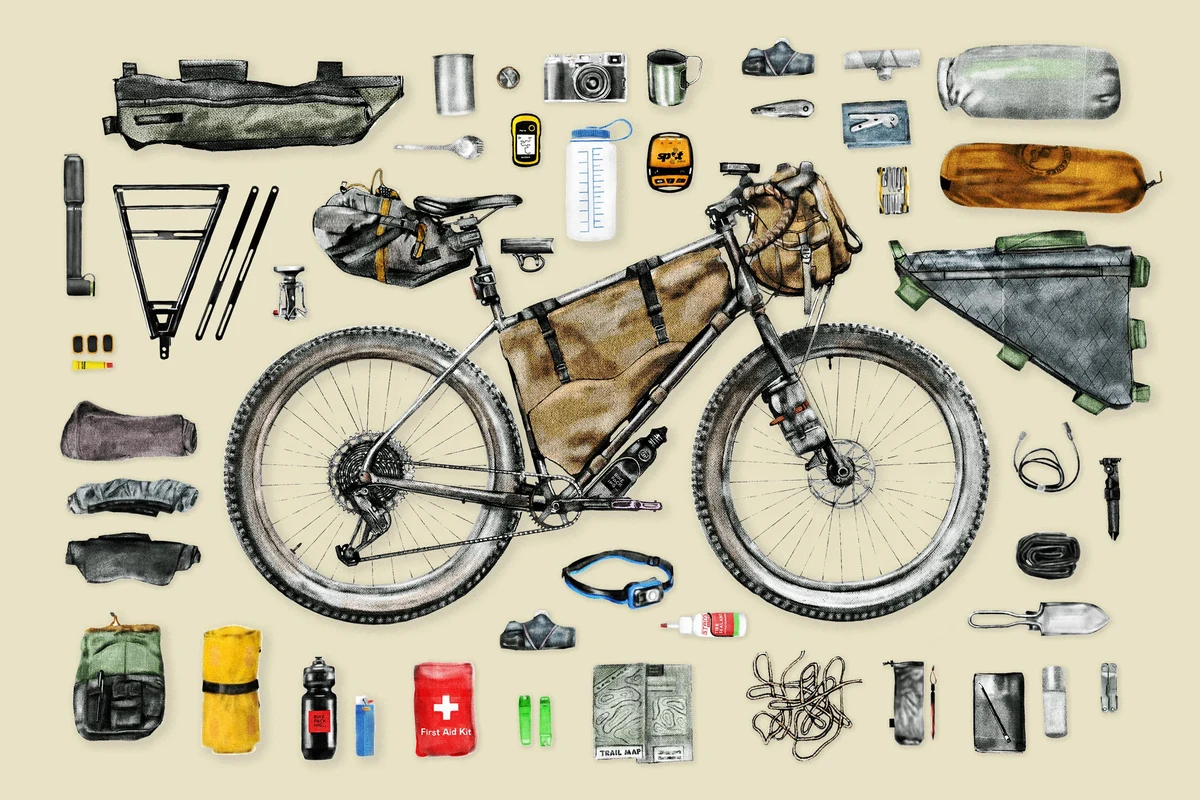
Store CO2 cartridges in a cool, shaded place, inside a holder or pocket that prevents movement and contact with sharp tools. Before every ride, confirm the cartridge thread type matches your inflator, the cartridge body is undamaged, and your storage method keeps it from loosening or getting hit.
For MTB riders, “safe storage” is less about fancy accessories and more about preventing heat buildup, impact, and compatibility mistakes. The best option is the one that keeps the cartridge secure, easy to access, and protected from trail abuse.
How CO2 Cartridges Work on the Trail and Why Storage Matters
CO2 cartridges are compact pressure vessels filled with compressed gas. When you attach one to a compatible inflator head, the gas releases quickly into the tire, which makes them useful for fast trail-side repairs when time and space are limited.
What the cartridge does during a flat repair
In a flat repair, the cartridge is the air source. The inflator controls the release, while the cartridge supplies the pressure needed to bring the tire up enough to continue riding or to finish seating a tubeless bead, depending on the tire, rim, and inflator setup.
Because the gas leaves the cartridge very quickly, the cartridge can become extremely cold during use. That is normal, but it is one reason riders should avoid bare-hand contact right after deployment and should store spare cartridges where they will not be damaged by repeated vibration or impact.
Why pressure, temperature, and impact risk matter
CO2 cartridges are designed to hold pressure, so they should be treated as pressurized equipment rather than ordinary bike accessories. Heat can raise internal pressure, while dents, corrosion, or rough handling can compromise the cartridge body or the threads.
For MTB riders, the trail adds extra stress: vibration, mud, pack abrasion, crashes, and repeated removal from storage. That is why storage choice matters as much as the cartridge itself.
Do not expose CO2 cartridges to fire, direct high heat, or intentional puncture outside of the intended inflator system. If a cartridge is dented, heavily corroded, leaking, or otherwise damaged, stop using it and follow the manufacturer’s disposal guidance.
Which MTB Riders Should Carry CO2 Cartridges
CO2 is not mandatory for every rider, but it makes sense for many mountain bikers who want a compact emergency inflation option. The right choice depends on ride length, terrain, tire setup, and whether you prioritize speed or self-sufficiency.
Cross-country, trail, enduro, and gravel crossover riders
Cross-country riders often appreciate the small size and fast inflation. Trail and enduro riders may carry CO2 as a backup to plugs or a mini pump, especially if they ride remote terrain where a quick inflation can help after a repair.
Gravel crossover riders who occasionally leave pavement for rougher routes may also like CO2 for its compactness. Still, if your rides regularly involve multiple flats, low-pressure tire setups, or long self-supported days, a pump can be more dependable over time.
When a mini pump may be the better backup
A mini pump is usually the better choice when you want unlimited air, less concern about cartridge count, and a backup that works even if a cartridge gets lost, damaged, or used up. It is also useful for riders who prefer slower, more controlled pressure changes.
Key Storage Criteria to Check Before You Buy or Pack
Before you buy a cartridge holder or pack one for a ride, check compatibility, exposure risk, and where it will live on the bike or on your body. The goal is to keep the cartridge secure without making it hard to reach in a hurry.
Cartridge size, thread type, and inflator compatibility
CO2 cartridges are not universally interchangeable. The most important check is thread type and inflator compatibility, followed by cartridge size if your inflator or mounting system is designed for a specific format.
- Confirm the cartridge thread matches the inflator head exactly
- Check whether your holder fits the cartridge size you plan to carry
- Verify the inflator, cartridge, and any mount are intended for cycling use
- Review the manufacturer’s instructions for storage and use limits
Temperature limits, pressure considerations, and material quality
Storage in a hot vehicle, direct sun, or near other heat sources is a bad idea for any pressurized cartridge. If the manufacturer lists temperature guidance, follow that guidance rather than guessing based on feel.
Material quality also matters for holders and sleeves. A flimsy strap or brittle plastic clip may let the cartridge rattle, wear through, or work loose on rough terrain.
Storage location on the bike, in a pack, or in a pocket
On-bike storage is convenient, but it should not put the cartridge in the path of rocks, chain grime, or crash impact. Pack storage can be safer if the cartridge is isolated in a sleeve or zip pocket away from tools and keys.
Jersey pocket carry is possible for some riders, but it is usually best when the cartridge is protected from abrasion and kept from bouncing around. If the cartridge can move freely, it is not stored well enough for trail use.
Safe Storage Methods for MTB Rides
The safest storage method is the one that keeps the cartridge stable, cool, and separated from sharp objects. For most riders, that means a dedicated holder or a pocket setup that prevents movement.
Using a dedicated CO2 sleeve, holder, or mount
A purpose-built sleeve, strap, or mount can reduce rattling and keep the cartridge easy to find. This is especially useful if you ride technical terrain where you do not want to dig through a cluttered pack after a flat.
Look for a holder that secures the cartridge without forcing it into a bend or pinch point. If the mount depends on elastic tension, check that it still holds firmly when wet, muddy, or cold.
Keeping cartridges away from direct sun, heat, and abrasion
Cartridges should be kept out of direct sun whenever possible, especially in summer or during long parking periods before the ride. Avoid storing them against metal tools, pump bodies, or anything with sharp edges that could scratch the cartridge.
If your ride starts from a vehicle, do not leave cartridges in a hot car for long periods. If you use a pack, place the cartridge in a protected compartment rather than loose at the bottom.
Use a small sleeve, zip pouch, or dedicated tool pocket to separate the cartridge from multitools, tire levers, and keys. That simple step reduces abrasion and makes the cartridge easier to grab fast.
Securing cartridges so they do not rattle, puncture, or loosen
Rattle is more than an annoyance on rough trails. It can wear down packaging, loosen fittings, and make it harder to notice when a cartridge or cap has shifted.
If your holder allows movement, add a better fit rather than stuffing the pocket with random gear. The cartridge should stay put even when the bike is shaken, lifted, or carried.
How to Use CO2 Cartridges Safely Mid-Ride
Safe storage matters, but safe use matters just as much. A well-packed cartridge can still become a problem if the inflator head is worn, the seal is damaged, or the rider releases gas too quickly.
Pre-ride checks for inflator heads, seals, and cartridge condition
Before heading out, inspect the inflator head and any O-rings or seals for cracks, dirt, or wear. Check the cartridge body for rust, dents, or other visible damage, and make sure the thread area is clean.
Stop using damaged gear and follow the manufacturer’s inspection or service guidance. If a cartridge or inflator shows corrosion, deformation, or leaking, replace it instead of trying to force it to work.
Controlled inflation to avoid overfilling or freezing issues
CO2 inflates fast, which is helpful but also easy to overdo. Use the inflator in a controlled way and follow the cartridge and inflator instructions rather than assuming one burst is always enough.
Because the cartridge cools rapidly during discharge, avoid touching cold metal directly after use. If the inflator design allows it, pause and handle it carefully rather than forcing a second release immediately.
What to do after deployment and how to carry the spare safely
After a cartridge is used, it should not go back into a “ready” storage slot as if it were full. A spent cartridge is still a piece of metal that should be carried or discarded according to local rules and the manufacturer’s guidance.
If you carry a spare, keep it isolated so it does not rub against the used one or against tools that could damage the threads. Repack your gear before rolling out again so the next stop is not a scramble.
- Inspect the cartridge and inflator before each ride
- Store the spare in a secure, shaded, protected place
- Follow the inflator’s instructions for controlled release
- Leaving cartridges loose with sharp tools or keys
- Using damaged, rusty, or questionable cartridges
- Assuming all cartridges and inflators are interchangeable
Common Mistakes MTB Riders Make When Storing CO2 Cartridges
Most storage mistakes are simple, but they can still create avoidable risk. The biggest problems are loose packing, heat exposure, and ignoring visible damage.
Leaving cartridges loose in a hydration pack or jersey pocket
A loose cartridge can bounce, scratch, and collide with other gear. In a hydration pack, it may also be hard to find quickly when you need it most.
Jersey pockets are fine for some riders, but only if the cartridge is protected and the pocket is not overloaded. If the cartridge can roll around, it is not truly secured.
Storing near sharp tools, chain lube, or wet gear
Sharp tools can damage the cartridge body or thread area. Wet gear can encourage corrosion, especially if the cartridge sits in a pocket or bag long enough to stay damp between rides.
Chain lube and dirty rags are not ideal neighbors either. Keep the cartridge with clean, dry emergency items instead of mixing it into a greasy tool pile.
Ignoring expired, damaged, or corroded cartridges
Some riders keep cartridges far longer than they should because they seem “fine.” But visible corrosion, dents, or questionable condition are reasons to replace the cartridge, not reasons to gamble on the trail.
If the manufacturer gives a service life, storage condition guidance, or disposal instructions, follow those details. When in doubt, check the current product documentation rather than relying on old forum advice.
Maintenance, Care, and Replacement Guidance
CO2 storage is not a set-it-and-forget-it task. A few quick checks before and after rides can keep your kit organized and reduce the chance of failure when you need it.
Inspecting threads, seals, and cartridge bodies before each ride
Look at the threads, sealing surfaces, and the outside of the cartridge. Any sign of cross-threading, damaged seals, or rust should be treated seriously because these parts are central to safe operation.
If the inflator head feels gritty or sticky, clean it according to the manufacturer’s instructions. Do not improvise with aggressive chemicals or force if the mechanism does not seat properly.
Cleaning and drying storage accessories after muddy or wet rides
After muddy rides, remove the cartridge and dry the holder or pouch before putting it away. Mud and moisture can shorten the life of straps, elastic loops, and zippers.
If the mount is on the bike, inspect it for grit or wear where the cartridge contacts the holder. A few minutes of drying and cleaning can prevent a sloppy fit on the next ride.
Keep your CO2 kit in one place after every ride: cartridge, inflator, and any spare seals or caps. That makes pre-ride checks faster and lowers the chance of leaving a key piece behind.
When to replace cartridges, inflators, or storage mounts
Replace any cartridge that is visibly damaged, heavily corroded, or no longer fits securely in the holder. Replace inflators or mounts if the threads strip, the seal wears out, or the retention system no longer holds firmly.
Because product designs vary, confirm replacement parts and compatibility through the manufacturer or retailer before ordering. A mount that looks close enough may still be the wrong size or attachment style.
Practical Verdict: Best Storage Approach for Different MTB Riders
The best storage approach depends on how you ride and how much emergency simplicity you want. In general, the safest plan is to store CO2 in a dedicated, protected place and carry a backup strategy that matches your terrain and ride length.
Best lightweight setup for race-focused riders
Race-focused riders usually benefit from the smallest secure holder or sleeve that keeps the cartridge accessible without adding clutter. The priority is fast access, low bulk, and a setup that will not rattle through rough sections.
Best balanced setup for trail and enduro riders
Trail and enduro riders often do best with a protected pack pocket or a sturdy mount plus a spare carried separately. That balance gives you quick access while reducing the chance of damage during crashes, hike-a-bike sections, or long descents.
When to choose a mini pump instead of relying on CO2 alone
Choose a mini pump if you want a backup that does not depend on cartridge count, temperature concerns, or thread compatibility. For longer self-supported rides, mixed tire setups, or riders who dislike single-use consumables, a pump may be the more reliable primary backup.
For most MTB riders, the safest way to store CO2 cartridges is in a dedicated holder or protected pocket that keeps them cool, dry, and isolated from sharp objects. If your rides are long, remote, or rough enough that one cartridge may not be enough, pair CO2 with a mini pump instead of depending on cartridges alone.
Frequently Asked Questions
A special holder is not required, but it often makes storage safer and more organized. The main goal is to keep the cartridge from rattling, getting scratched, or being exposed to heat.
Yes, if the cartridge is protected and cannot bounce around with keys or tools. A loose cartridge in a crowded pocket is more likely to get damaged.
Check for dents, rust, leaks, or damaged threads before each ride. If anything looks questionable, follow the manufacturer’s guidance and replace the cartridge.
No. Thread type and inflator design must match, so verify compatibility before buying or packing cartridges.
A mini pump is better if you want unlimited inflation and fewer storage concerns. CO2 is better if you value speed and compactness, but it depends on the ride and your backup plan.
Treat it as a spent pressurized item and store or discard it according to the manufacturer’s and local guidance. Do not leave it loose with tools or assume it can be reused.