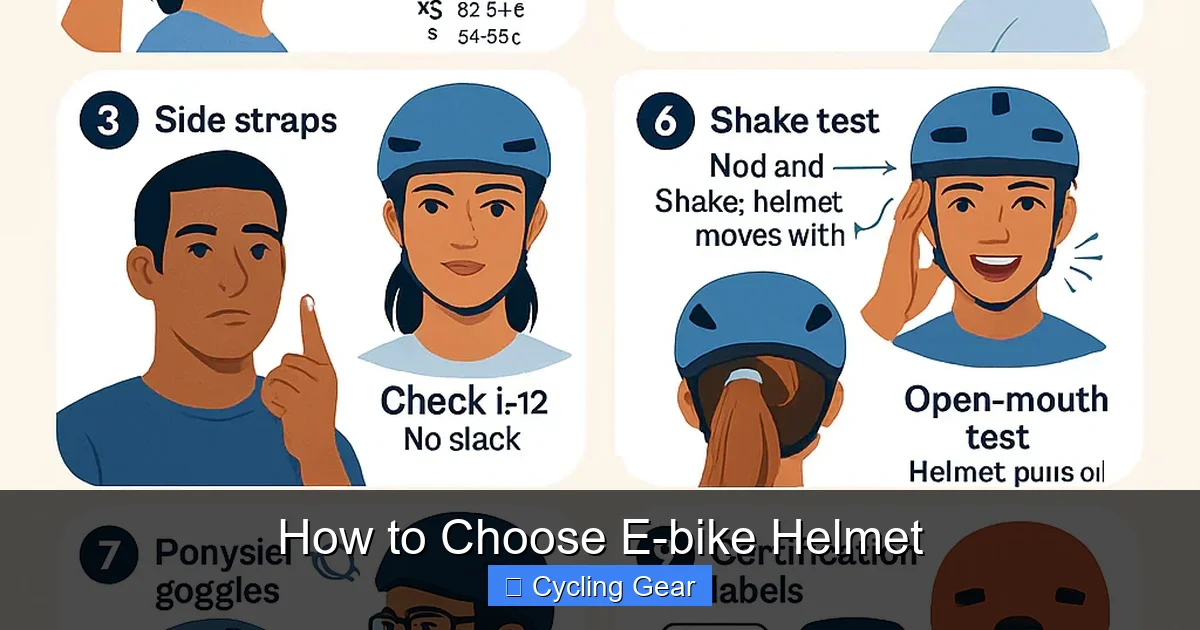
Choose an e-bike helmet by starting with real safety certification, then prioritize fit, coverage, and comfort for your riding style. For faster commutes or Class 3 riding, consider added coverage and standards like NTA 8776.
Choosing an e-bike helmet is not just about picking the lightest or best-looking model on the shelf. E-bikes often move faster, weigh more, and get used in traffic-heavy daily riding, so the right helmet should match your speed, route, fit, and comfort needs. This guide from ProKingsEdge walks through what actually matters so you can buy with more confidence and fewer regrets.
- Start with safety: Look for clear CPSC certification, and consider NTA 8776 for faster riding.
- Fit comes first: A helmet must sit low, feel snug, and stay stable.
- Match your use: Commuting, cargo hauling, and trail riding need different features.
- Pay for value: Better fit, visibility, and coverage matter more than flashy extras.
- Replace on time: Swap out any helmet after a hard impact or visible wear.
Why Choosing the Right E-Bike Helmet Matters More Than a Standard Bike Lid
An e-bike helmet does the same basic job as any bicycle helmet: it helps reduce injury risk in a crash. But e-bike riding can add a few extra demands that make helmet choice more important.
Higher average speeds, heavier bikes, and different crash scenarios
Many e-bike riders cruise faster than they would on a regular bike, especially on Class 3 models or longer commutes. Even if your top speed is modest, your average speed is often higher because the motor helps you keep momentum through intersections, hills, and headwinds.
E-bikes are also heavier. That can change how crashes happen, especially during sudden stops, low-speed tip-overs, or awkward falls while carrying bags, groceries, or a child seat. Riders may hit the ground differently than they would on a lighter analog bike.
That does not mean a standard certified bike helmet is automatically unsafe. It means you should be more deliberate about coverage, retention, visibility, and the safety standard that best fits your riding style.
What riders searching “how to choose e-bike helmet” usually want to solve
Most shoppers are trying to answer a few practical questions. Do I need a special e-bike helmet? Is Mips worth it? Should I buy a commuter lid, a more protective speed pedelec model, or a full-face helmet?
They also want to avoid common mistakes: buying by looks alone, choosing the wrong size, trusting vague safety claims, or getting a helmet that feels so hot or awkward that it ends up hanging on a hook instead of being worn.
The best e-bike helmet is the one you will wear on every ride. A slightly less flashy helmet with better fit and easier adjustment is usually the smarter buy.
Know the Safety Standards Before You Buy
Before comparing vents, visors, and colors, check the safety label. This is the first filter that matters.
How CPSC certification works for everyday U.S. riding
For everyday bicycle riding in the U.S., CPSC certification is the baseline standard most riders should expect. If a helmet is sold for bike use in the U.S., it should clearly state that it complies with CPSC requirements.
This standard covers impact performance, strap strength, and basic construction requirements. For many casual riders, neighborhood trips, and moderate-speed commutes, a properly fitting CPSC-certified helmet may be a reasonable starting point.
Still, not all certified helmets feel or fit the same. Certification is the minimum threshold, not a guarantee that every model is equally comfortable or equally suited to faster e-bike use.
When NTA 8776 matters for Class 3 e-bikes and faster urban commutes
NTA 8776 is a more demanding helmet standard often discussed for faster e-bike riding, especially Class 3 use and urban commuting where speeds are higher and interactions with traffic are more frequent. These helmets often have more coverage around the temples and lower rear head area.
If you regularly ride at higher assisted speeds, spend a lot of time in busy streets, or simply want more coverage than a typical bike helmet offers, an NTA 8776-rated model may be worth serious consideration.
Not every rider needs one. Local laws, bike class, route type, and rider preference all matter. Check your local rules and the product manual, brand guidance, or a qualified bike shop professional if you are unsure what standard best matches your setup.
What Mips and other rotational-impact systems actually do
Mips and similar systems are designed to help manage certain rotational forces in angled impacts. In simple terms, they add a low-friction layer or similar design feature intended to let the helmet move slightly relative to the head during some crashes.
That does not make a helmet crash-proof, and it does not replace proper fit. But many riders see rotational-impact systems as a worthwhile upgrade, especially for commuting, higher-speed riding, and mixed traffic conditions.
Different brands use different names and designs. Focus less on the marketing phrase and more on whether the helmet is certified, fits well, and suits your actual riding.
A premium safety feature is only helpful if the helmet sits correctly on your head and the straps are adjusted properly. Poor fit can reduce protection even on a well-rated helmet.
Match the Helmet to Your E-Bike Riding Style
Helmet choice gets easier when you think about how and where you ride most often.
Commuting, cargo hauling, trail riding, and all-weather city use
A weekday commuter usually needs different features than a weekend trail rider. Commuters often benefit from better visibility, easier strap adjustments, cleaner styling for office use, and compatibility with glasses or a light rain cap.
Cargo bike riders may want extra coverage and a very stable fit, especially if they ride with children or heavy loads. Trail and adventure riders may prefer more ventilation, a visor, and deeper rear coverage for rougher terrain.
All-weather city riders should think about year-round comfort. A helmet that works with a thin beanie, winter cap, or ear cover can be more practical than an ultra-racey model that only feels good in warm weather.
Examples of the best helmet features for short city trips vs long high-speed rides
For short city trips, useful features include easy on-off buckles, integrated lights, reflective details, moderate ventilation, and a shape that looks normal off the bike. Convenience matters when you are stopping often.
For longer or faster rides, look more closely at extended coverage, stronger retention systems, better airflow, lower wind noise, and higher-end fit adjustment. Comfort problems show up faster on a 45-minute ride than on a 10-minute grocery run.
| Option | Best For | Note |
|---|---|---|
| Basic commuter helmet | Short urban trips | Good if certified, comfortable, and visible |
| NTA-style commuter helmet | Faster daily e-bike rides | Often offers more coverage |
| Trail helmet | Mixed surfaces and paths | Usually has visor and deeper rear shape |
| Full-face helmet | Aggressive riding or higher-risk terrain | More protection, but hotter and bulkier |
How to Get the Right Fit, Coverage, and Head Shape Compatibility
Fit is where many buyers go wrong. A great helmet that does not match your head shape or size is a poor choice.
Measuring your head correctly and reading size charts without guessing
Use a soft measuring tape around the widest part of your head, usually about an inch above your eyebrows. Compare that number to the brand’s size chart, not just a generic small-medium-large label.
Brand sizing varies. A medium in one helmet can fit very differently from a medium in another. If you are between sizes, read the brand guidance carefully and, if possible, try both.
Head shape matters too. Some helmets fit rounder heads better, while others feel better on more oval shapes. If a helmet creates pressure points within a few minutes, it is probably not the right match.
Signs a helmet fits properly at the forehead, sides, and retention system
The front edge should sit low enough to protect the forehead without blocking your vision. A common rule of thumb is that it should rest just above the eyebrows, not tilted far back like a cap.
The sides should feel snug and even, not painfully tight. When you turn your head, the helmet should stay stable. The rear retention dial or cradle should hold the helmet securely without creating a hot spot.
Straps should form a clean V shape around the ears, and the chin strap should be snug but comfortable. You should be able to open your mouth without the helmet shifting too much.
Common fit mistakes that make even certified helmets less protective
One major mistake is wearing the helmet too high on the forehead. Another is over-tightening the chin strap while leaving the retention system loose, which can make the helmet feel secure when it really is not.
Bulky hats under the helmet can also interfere with fit. If you ride in cold weather, check the product manual or brand guidance for compatible liners, pads, or winter accessories instead of improvising with thick layers.
Do not assume a helmet “breaks in” like shoes. If it is unstable, pinches badly, or rocks forward and back in the store, it is unlikely to become a great fit later.
Use a tape measure and compare your number to the exact brand size chart.
Place the helmet low on the forehead, not tipped back.
Tighten the rear system until the helmet feels secure and even.
Make sure the straps sit flat and form a neat V around each ear.
Key Features That Improve Real-World E-Bike Safety and Comfort
Once certification and fit are handled, the best features are the ones that improve everyday use without creating new annoyances.
Extended coverage, visor design, ventilation, and weight balance
Extended coverage around the back and sides of the head is one of the most useful differences in many e-bike-focused helmets. It can add confidence for riders mixing with traffic or riding at higher assisted speeds.
Visors can help with sun, light rain, and road spray, but a very large visor may catch wind or interfere with your field of view in a tucked riding position. For commuting, a smaller integrated visor is often a practical middle ground.
Ventilation matters more than many buyers expect. A helmet that runs hot can become irritating fast, especially in stop-and-go traffic. Weight balance matters too. A slightly heavier helmet that sits well can feel better than a lighter one that shifts around.
Integrated lights, reflective details, and winter-cap compatibility
Integrated rear lights and reflective panels can improve visibility, especially for dawn, dusk, and bad-weather riding. They are not a substitute for proper bike lights, but they can add another layer of visibility.
If you ride year-round, check whether the helmet works with thin cold-weather layers. Some helmets have enough adjustment range for a light cap, while others get tight quickly. This varies a lot by model.
Why buckle design and easy adjustability matter for daily riders
Daily riders benefit from simple buckles and easy-to-reach adjustment systems. If the buckle pinches, the straps twist constantly, or the dial is hard to use with gloves, that annoyance adds up.
Small convenience details often decide whether a helmet becomes a favorite. For commuting, easy use is not a luxury feature. It is part of safety because it makes correct wear more likely.
Some of the most useful commuter helmet features are not flashy at all. Better strap management, stable fit, and strong visibility details often matter more day to day than exotic styling.
Full-Face, Commuter, or Speed Pedelec Helmet: Which Type Makes Sense?
There is no single best helmet type for every e-bike rider. The right choice depends on how much protection you want, how fast you ride, and what comfort trade-offs you can accept.
Practical comparisons by protection level, comfort, and typical use case
Standard commuter helmets are the easiest entry point. They are usually lighter, cooler, and less bulky, which makes them a good fit for casual commuting and errands.
Speed pedelec or NTA-style helmets often offer more coverage and a more robust feel for faster road use. They can be a strong choice for Class 3 riders or anyone doing longer urban miles at higher average speeds.
Full-face helmets make the most sense for off-road riding, high-risk terrain, or riders who prioritize jaw and face coverage. For normal city commuting, many people find them too hot and cumbersome.
When a more protective helmet is worth the trade-off in heat and bulk
A more protective helmet can be worth it if you ride fast, commute in dense traffic, descend often, or simply want added confidence. The trade-off is usually more weight, more heat, and a less casual feel off the bike.
That trade-off is personal. Some riders are happy to accept more bulk for more coverage. Others need a lighter, cooler helmet they will reliably wear every day. The smart choice is the one that matches your real-world riding, not an idealized version of it.
- More protective helmets often add coverage
- NTA-style models can suit faster commuting
- Full-face options can protect the jaw area
- More bulk and heat
- Heavier feel on longer rides
- Less convenient for quick stop-and-go errands
What You Should Spend on an E-Bike Helmet in 2026
Price matters, but the goal is value, not just spending more. A helmet should be certified, fit properly, and suit your riding before any premium feature starts to matter.
Budget vs mid-range vs premium helmets and what changes at each price point
Budget helmets usually cover the basics: certification, standard retention systems, and simple vent layouts. They can be perfectly reasonable if the fit is good and the build quality is solid.
Mid-range helmets often improve comfort, adjustability, padding quality, ventilation, and visibility features. This is where many commuters find the best balance between price and daily usability.
Premium helmets may add lighter construction, cleaner integration of lights or rotational-impact systems, better aerodynamics, and more refined fit systems. Those upgrades can be worthwhile, but only if they solve a real need for your riding.
Features worth paying for and marketing extras you can skip
Features worth paying for include better fit, stronger visibility, improved coverage, dependable buckle design, and a safety standard that matches your riding speed. Rotational-impact systems may also be worth the extra cost for many buyers.
Features you may be able to skip include overly aggressive styling, detachable gadgets you will never use, or premium finishes that do little for comfort or safety. Fancy does not always mean better.
Expert Buying Warnings, Replacement Rules, and a Final Checklist
Even a good helmet can be the wrong buy if it is damaged, counterfeit, or badly adjusted.
Red flags: counterfeit certifications, used helmets, crash damage, and poor strap setup
Be cautious with unusually cheap marketplace listings, vague certification claims, or helmets that do not clearly identify their standard. If the labeling looks incomplete or suspicious, walk away.
Used helmets are risky because you may not know their crash history, age, or storage conditions. Foam can be damaged in ways that are hard to see from the outside.
Poor strap setup is another hidden problem. A quality helmet with twisted, loose, or badly placed straps may not stay in position when needed most. Follow the product manual carefully.
Replace any helmet after a significant impact, even if damage is not obvious. Also replace helmets that show cracks, crushed foam, failing straps, or worn retention parts.
When to replace your helmet after impact, age, or daily wear
If you crash and the helmet takes a hit, replacement is usually the safest move. Daily use, sun exposure, sweat, and rough storage can also wear down pads, straps, and plastic parts over time.
Replacement timing varies by brand and model, so check the product manual, brand guidance, or ask a qualified professional. If you are unsure whether a helmet is still safe after an impact, do not guess.
Final recap: a simple checklist for choosing the best e-bike helmet
The best approach is simple: start with a real safety standard, match the helmet to your riding style, make fit your top priority, and then compare comfort features that matter for daily use.
- Clear CPSC certification at minimum for U.S. bike use
- NTA 8776 if you ride faster Class 3 routes or want more coverage
- Stable fit with the helmet sitting low on the forehead
- Comfort that matches your climate and ride length
- Useful visibility features like reflective details or integrated lights
- No signs of crash damage, age-related wear, or questionable labeling
If you have a history of head injury, balance issues, neck pain, or comfort problems with helmet weight, it may help to talk with a qualified medical professional or bike fit professional before choosing a model. When in doubt, safer and simpler is usually better than trendier and more complicated.
Common Questions
Do e-bike riders need a different helmet?
Not always, but faster riders often benefit from more coverage and stronger standards. Fit and certification matter most.
Is Mips worth it for commuting?
For many riders, yes. It can be a useful extra feature, especially in traffic-heavy urban riding.
What helmet is best for Class 3 e-bikes?
Many riders look at NTA 8776-rated helmets for Class 3 use. They often provide more coverage for higher-speed commuting.
Can I wear a winter hat under my helmet?
Sometimes, but only if the fit stays correct. Check the product manual or brand guidance first.
Should I buy a used e-bike helmet?
Usually no. You often cannot confirm crash history, age, or hidden damage.
Frequently Asked Questions
Do I need a special helmet for an e-bike?
Not always, but you do need a properly fitting certified helmet. Riders using faster Class 3 e-bikes or busy urban routes may want an NTA 8776-rated helmet for added coverage and higher-speed use.
Is CPSC enough for e-bike riding?
CPSC is the basic U.S. standard for everyday bicycle helmets and may be suitable for many riders. If you ride faster, longer, or in heavier traffic, an NTA 8776 helmet may be worth considering.
What does Mips do in an e-bike helmet?
Mips and similar systems are designed to help manage some rotational forces in angled impacts. They can be a useful extra feature, but they do not replace proper fit, correct adjustment, or certification.
How should an e-bike helmet fit?
It should sit low on your forehead, feel snug around the sides, and stay stable when you move your head. The straps should form a V around your ears, and the chin strap should be secure without being overly tight.
When should I replace my e-bike helmet?
Replace it after a significant impact or if you see cracks, crushed foam, worn straps, or failing adjustment parts. Also check the product manual and brand guidance for age-related replacement advice.
Are more expensive e-bike helmets safer?
Not automatically. Higher prices often bring better comfort, fit systems, ventilation, and added features, but a lower-cost certified helmet that fits well can still be the better choice for some riders.