Choose a sleeping bag by matching its temperature rating, shape, and insulation to your camping conditions. Fit, packed size, and weather resistance matter just as much as warmth.
Choosing a sleeping bag comes down to three things: the temperature range you actually need, the shape that fits your sleep style, and the insulation that matches your climate and pack size. If you get those right first, the rest of the specs become much easier to compare.
- Temperature first: Use the comfort rating as your main guide, not the extreme rating.
- Shape matters: Mummy bags save heat and space; rectangular bags favor comfort and room.
- Insulation choice: Down packs smaller, while synthetic handles damp conditions better.
- Fit affects warmth: Too much extra space can make a bag feel colder than expected.
- Care extends life: Dry, clean, and store the bag loosely to help preserve loft.
How to Choose a Sleeping Bag: The Fast Answer for Campers
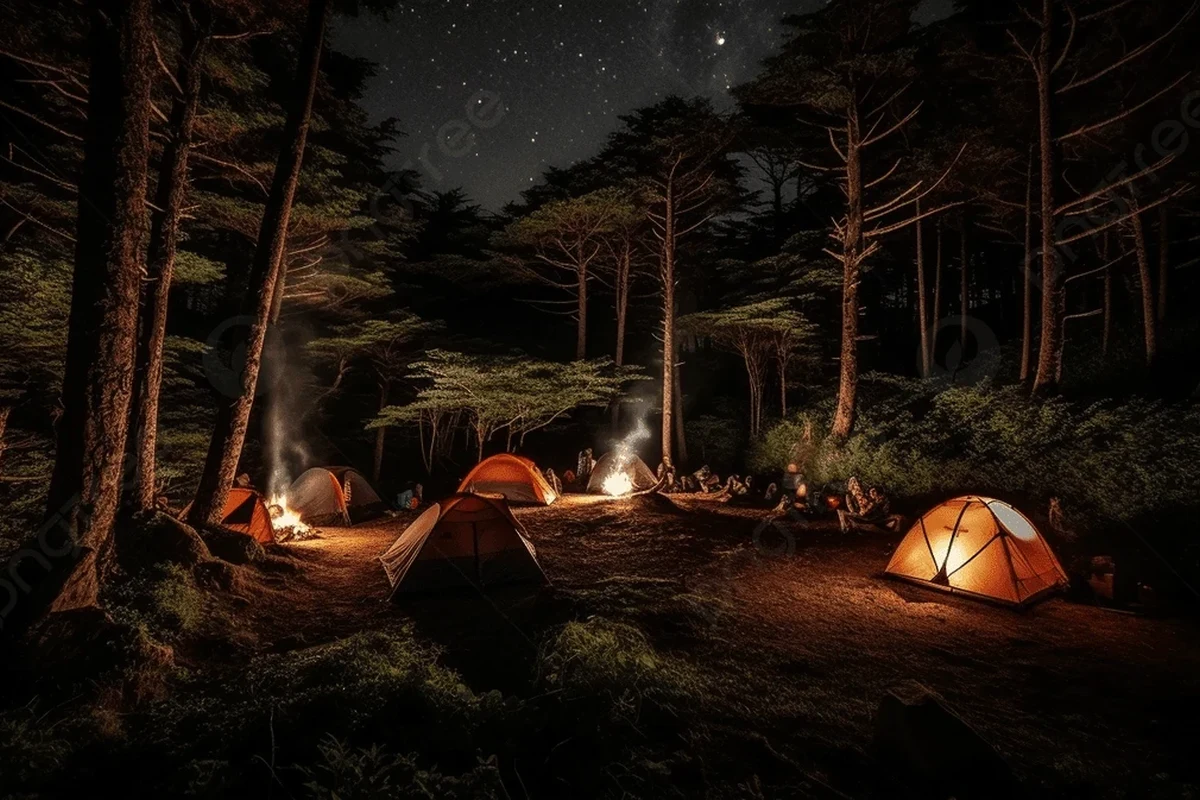
Start by matching the bag to your coldest likely conditions, not just mild summer nights. Then decide whether you care more about packability, comfort room, or moisture resistance, because no sleeping bag is best at all three.
For most campers, a three-season bag with a realistic comfort rating, a shape that does not feel restrictive, and insulation suited to local moisture conditions is the safest starting point. If you camp in wet weather or are new to buying gear, a slightly warmer synthetic bag can be more forgiving than an ultralight down model.
Sleeping Bag Basics: Temperature Ratings, Shapes, and Insulation Types

Before comparing brands, it helps to understand what the main sleeping bag specs actually mean. Many shoppers focus on one number, but the best choice depends on how those numbers work together in real use.
EN Ratings and What They Really Mean in 2026
Many reputable sleeping bags use EN or ISO-style temperature testing, but the label can still be confusing. In plain English, the most useful number is usually the comfort rating, because it is the closest guide to the temperature where an average sleeper may feel reasonably warm, while lower-limit ratings are more about surviving colder conditions.
Temperature ratings vary by model, sleeping pad, clothing, wind exposure, metabolism, and how you sleep. Always confirm the manufacturer’s current rating method before buying.
Do not treat the extreme rating as a normal-use target. That figure is generally a survival-style reference, not a comfortable sleeping temperature for most people.
Rectangular vs. Mummy vs. Semi-Rectangular Bags
Rectangular bags usually feel the roomiest and are popular for car camping, cabin trips, and casual summer use. Mummy bags taper toward the feet and often trap heat more efficiently, which is why they are common for backpacking and colder weather.
Semi-rectangular bags sit in the middle. They can be a smart compromise if you want more comfort than a mummy bag but still want better warmth efficiency than a full rectangle.
- Rectangular: most spacious and easy to move in
- Mummy: usually more efficient for warmth and packing
- Semi-rectangular: balance of comfort and thermal efficiency
- Rectangular: bulkier and often less efficient in cold weather
- Mummy: can feel restrictive to some sleepers
- Semi-rectangular: still not as roomy as a true rectangle
Down vs. Synthetic Insulation: Warmth, Weight, and Moisture Resistance
Down insulation is prized for excellent warmth-to-weight and strong compressibility, which makes it appealing for backpacking. Its main drawback is moisture sensitivity: if it gets soaked, it can lose loft and take longer to dry.
Synthetic insulation is usually heavier and bulkier for the same warmth, but it tends to handle damp conditions better and is often easier to care for. That makes it a practical option for humid climates, rainy trips, kids’ gear, and campers who want lower-maintenance insulation.
- Choose down when pack size and weight matter most.
- Choose synthetic when wet weather, easy care, or budget flexibility matter more.
- Check whether the bag uses treated down or a water-resistant shell, but do not assume those features make it waterproof.
Match the Sleeping Bag to Your Camping Style and Weather
The right sleeping bag for a weekend car camper is not always the right bag for a long backpacking trip. Think about how you travel, where you sleep, and how often you expect cold, wet, or windy nights.
Backpacking, Car Camping, and Overlanding Needs
Backpacking usually rewards lower weight, smaller packed size, and a shape that does not waste heat. Car camping and overlanding often allow larger, heavier bags with more room, softer lining, and extra comfort features because storage space is less limited.
| Camping Style | Best Bag Type | Main Trade-Off |
|---|---|---|
| Backpacking | Mummy or compact semi-rectangular | Less room, better packability |
| Car camping | Rectangular or roomy semi-rectangular | More bulk, more comfort |
| Overlanding | Warm, durable synthetic or down depending on climate | Space and weather exposure vary by setup |
Three-Season vs. Winter Use
Three-season bags are intended for spring, summer, and fall conditions, though the exact range varies by model. Winter bags are built for colder temperatures and often include more insulation, better draft control, and a tighter fit to help retain warmth.
If you camp in shoulder seasons where nighttime temperatures can swing sharply, it is usually better to choose a bag with a little extra warmth margin than to rely on layering alone.
Humidity, Rain, and Cold-Weather Considerations
Humidity and rain change the equation because damp air can make a bag feel colder and reduce insulation performance over time. In wet climates, look closely at shell fabric, insulation type, and how quickly the bag can dry after use.
A sleeping bag is not a substitute for proper shelter, a suitable sleeping pad, or weather awareness. In severe cold, wind, or wet conditions, use the full sleep system recommended for the trip.
Cold-weather campers should also pay attention to draft collars, hood design, and zipper baffles, since small heat leaks matter more as temperatures drop.
Key Specs to Check Before You Buy
Once you know the style you need, compare the details that affect comfort and performance night after night. These are the specs that usually make the biggest difference in real camping use.
Comfort Temperature, Lower Limit, and Extreme Ratings
When a bag lists multiple temperature ratings, the comfort rating is the most useful starting point for most people. Lower-limit ratings are more relevant if you sleep warm, layer carefully, and want a colder-weather margin.
Extreme ratings should not be used as a buying target. They are not a promise of comfort and should be treated cautiously.
Two sleeping bags with the same temperature rating can still feel very different because fit, insulation loft, and sleeping pad quality all affect warmth.
Weight, Packed Size, and Storage Space
Weight matters most when you carry your gear far from the car. Packed size matters when you have a small backpack, limited vehicle storage, or a packed-overlanding setup.
At home, proper storage matters too. Many bags last longer when they are kept loosely stored rather than compressed for months at a time, because long-term compression can reduce loft over time.
Shell Fabric, Lining, Draft Collars, and Zippers
The shell fabric affects durability, noise, and moisture handling, while the lining affects next-to-skin comfort. Draft collars, draft tubes, and well-designed hoods help reduce heat loss, especially in colder weather.
Zipper quality also matters more than many shoppers expect. A snag-prone zipper or poorly placed zipper can become annoying quickly, especially when you are tired, wearing gloves, or trying to get in and out at night.
- Confirm the current temperature rating method and what the rating actually represents
- Check the packed size against your pack, vehicle, or storage space
- Inspect the zipper, seams, and shell fabric for construction quality
- Review care instructions, warranty terms, and return policy before purchase
Fit and Sizing Guide: Getting the Right Length, Width, and Hood
A sleeping bag that is too short can compress insulation at your feet or shoulders, while one that is too large can leave extra dead air that is harder to warm. Fit is not just about comfort; it also affects heat retention.
Height, Shoulder Room, and Footbox Comfort
Check the stated length against your height and remember that sleeping style matters too. Side sleepers and people who move around often may prefer a little extra room in the shoulders or knees, while colder sleepers may prefer a closer fit.
The footbox should feel spacious enough that your feet are not pressed against the insulation. If your toes feel compressed, the bag may seem colder than its rating suggests.
Women’s, Men’s, and Unisex Sizing Differences
Women’s, men’s, and unisex sleeping bags are not just marketing labels; they often differ in length, shoulder width, hip room, and insulation placement. The best choice is the one that matches your body dimensions and sleeping habits, regardless of the label.
If you fall between sizes, compare the actual measurements rather than relying on the category name. Model-specific sizing can vary a lot by brand.
Layering Space Without Losing Warmth
Some campers want room for a base layer, socks, or a liner. That can be helpful in colder weather, but too much extra space can reduce efficiency because your body must warm more air inside the bag.
A good compromise is enough room to move naturally without feeling loose. If you plan to layer, make sure the bag still fits well with those layers on.
Real-World Trade-Offs: Comfort, Warmth, Durability, and Value
The best sleeping bag is rarely the one with the most features. It is the one that balances warmth, comfort, durability, and cost for the way you actually camp.
When to Prioritize Warmth Over Weight
Prioritize warmth when you camp in cold, windy, or unpredictable conditions, or when you know you sleep cold. A slightly warmer bag is often the smarter choice if the alternative is waking up uncomfortable and unable to rest well.
Prioritize weight and packed size when you carry your bag long distances or have very limited storage. In that case, every ounce and inch matters more.
How Much Features Are Worth Paying For
Features like water-resistant coatings, premium zippers, draft collars, and higher-quality insulation can be worth paying for if they solve a real problem in your camping style. But not every feature matters to every camper, and extra features can increase cost and complexity.
For most shoppers, the smartest spend is on the features that improve sleep quality in the weather you actually face, not on extras you may never notice.
If you mostly camp in mild weather, you may not need the most technical model. If you camp in cold or damp conditions, durability and moisture handling can be worth more than a flashy spec sheet.
Common Buying Mistakes to Avoid
One common mistake is choosing a bag based only on the lowest advertised temperature number. Another is buying a bag that is too small, too bulky, or poorly matched to the climate.
It is also easy to overlook the sleep system as a whole. A sleeping bag works best with an appropriate sleeping pad, because the ground can pull heat away faster than many beginners expect.
- Compare comfort rating, shape, insulation, and packed size together
- Match the bag to your sleep style and climate
- Read the current manufacturer specs and care instructions
- Buying based only on extreme temperature claims
- Ignoring fit in the shoulders, hood, or footbox
- Storing the bag compressed for long periods
Safe Use, Care, and Storage to Extend Sleeping Bag Life
Good care can help a sleeping bag stay warmer, cleaner, and more reliable over time. Maintenance is especially important if you camp often, travel in damp conditions, or store gear between seasons.
How to Use It Safely in Cold or Wet Conditions
Use the sleeping bag as part of a complete sleep setup, not as the only source of warmth. A suitable pad, dry base layers, and a shelter that blocks wind all matter when temperatures drop.
If the bag becomes wet, dry it as soon as conditions allow and follow the manufacturer’s guidance for the insulation type. Wet insulation can reduce warmth, and a damp bag packed away for too long can develop odor or damage.
Cleaning, Drying, and Long-Term Storage
Always check the care label before washing. Down and synthetic bags often need different cleaning methods, and some detergents or heat settings can damage insulation or shell coatings.
For long-term storage, keep the bag loosely stuffed or hung in a large breathable storage sack if the manufacturer recommends it. Avoid leaving it tightly compressed in a stuff sack for months at a time.
Repairing Small Issues Before They Become Big Problems
Small tears, loose seams, and zipper problems are easier to handle early. If the damage is beyond basic care, follow the manufacturer’s repair guidance or use a qualified gear repair service rather than improvising a structural fix.
Stop using a bag with serious shell damage, broken zippers that compromise closure, or insulation loss that leaves cold spots. Confirm repair and warranty guidance with the manufacturer.
Final Recommendation: How to Narrow Down the Best Sleeping Bag for You
If you want the simplest way to choose, start with your coldest realistic trip, then pick the lightest and most comfortable bag that still covers that temperature range. After that, narrow by shape, insulation, and packed size based on whether you backpack, car camp, or camp in wet weather.
For most campers, the best sleeping bag is the one that fits your body well, matches your climate, and is easy to care for over time. If you are between two options, choose the one that gives you a little more warmth margin and a better fit, because those are the details you are most likely to notice on a real trip.
—
Frequently Asked Questions
Beginners usually do best with a bag that matches their coldest likely trip, fits well, and is easy to care for. A synthetic three-season bag is often a practical starting point for mixed or damp conditions.
Use the comfort rating as your main guide, then add a little margin for colder nights or if you sleep cold. Do not rely on the extreme rating for normal camping.
Down is usually lighter and packs smaller, while synthetic insulation is often better in damp conditions and easier to maintain. Choose based on your climate, pack size, and care preferences.
It should fit your height without compressing insulation at the feet or hood, and it should leave enough room to sleep comfortably. Too much extra space can make the bag feel colder.
Store it loosely in a large breathable sack or hung up if the manufacturer allows it. Avoid keeping it compressed for long periods because that can reduce loft.
Check the current temperature rating method, packed size, fit, insulation type, care instructions, warranty, and return policy. Also confirm any model-specific details directly with the manufacturer or retailer.