Mountain bike gloves can last from a few months to several seasons depending on riding frequency, terrain, and glove construction. Replace them when the palms, seams, padding, or fit no longer support secure control and comfort.
Mountain bike gloves usually last anywhere from one season to several seasons, depending on how often you ride, where you ride, and how hard you treat them. For many riders, the real answer is not a fixed number of months but the point when the palms, seams, or fit stop doing their job well.
- Wear depends on use: Frequent rides, rough terrain, and crashes shorten glove life fast.
- Palms fail first: Thin palms, loose seams, and worn fingertips are the most common replacement signs.
- Fit matters: A glove that twists, stretches, or bunches usually wears and performs worse.
- Care extends lifespan: Mild cleaning, air-drying, and dry storage help preserve fabric and stitching.
How Long Do Mountain Bike Gloves Last? The Short Answer for Riders in 2025
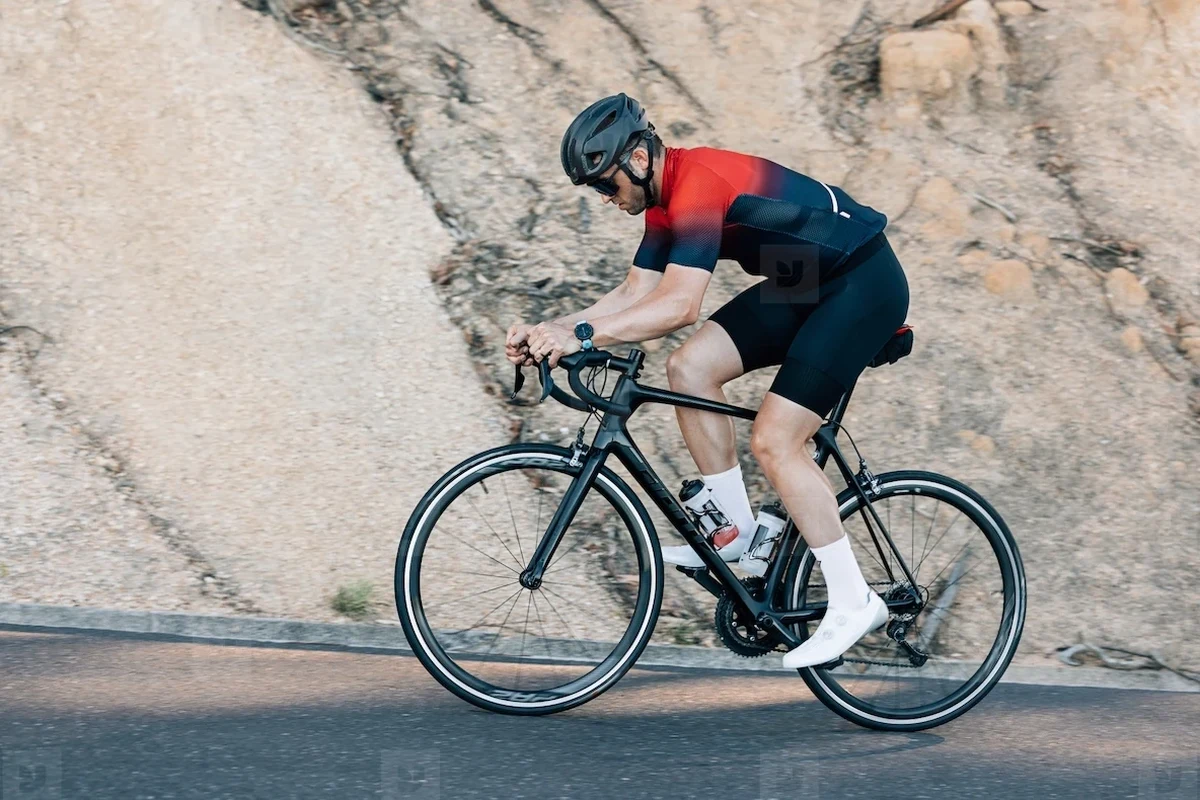
Most mountain bike gloves wear out faster than jerseys or shorts because your hands are constantly gripping, braking, and absorbing trail vibration. Light summer gloves may show noticeable wear after a few months of frequent riding, while tougher full-finger or cold-weather gloves can last longer if the materials and stitching are well made and the gloves are cared for properly.
The best way to judge lifespan is by function, not just calendar time. If the gloves still fit securely, the palm material is intact, and the grip feels reliable, they may still be usable; if not, replacement is usually the safer and more comfortable choice.
What Actually Determines Mountain Bike Glove Lifespan?
Glove life depends on how quickly the palm fabric, stitching, padding, and closures break down under real riding conditions. Two riders can buy the same pair and get very different results because usage patterns matter as much as the glove itself.
Riding frequency and mileage
More rides mean more abrasion from brake levers, grips, hydration packs, branches, and repeated hand flexing. A rider who trains several times a week will usually wear through gloves much faster than someone who rides occasionally on weekends.
Long rides also matter because sweat, friction, and pressure build over time. Even if the gloves look fine from the outside, the palm may thin out or lose structure sooner than expected.
Terrain, weather, and trail conditions
Dry, smooth trails are easier on gloves than rocky descents, muddy climbs, or brush-heavy routes. Wet conditions can speed up wear because damp fabric rubs differently and may weaken seams or adhesives over time.
Hot weather can also shorten lifespan indirectly by increasing sweat buildup, while cold-weather riding can stress thicker materials that need more flexing. Trail conditions matter just as much as temperature.
Glove material, stitching, and palm construction
Durability often comes down to the palm material, the quality of the stitching, and whether high-wear areas are reinforced. Thin, lightweight gloves may feel great and breathe well, but they typically sacrifice longevity compared with more robust trail or enduro designs.
Manufacturer material claims vary by model, and “durable” can mean different things across brands. Check the product page or packaging for palm construction, reinforcement zones, and care instructions before assuming one glove will outlast another.
Crash frequency, grip style, and wash habits
Gloves that hit the ground in a crash often fail sooner, even if the damage is not dramatic at first. Riders who clamp the bars tightly, drag fingers on rough terrain, or frequently pull gloves on and off can also shorten their lifespan.
Washing habits matter too. Overwashing, harsh detergents, high heat, and aggressive drying can break down fabrics and reduce stretch. Poor care can make a decent glove wear out like a cheap one.
Typical Lifespan by Glove Type and Riding Style
Different glove categories are built for different priorities, so lifespan is tied to the trade-off between comfort, ventilation, weather protection, and durability. The categories below are general patterns, not guarantees.
| Glove Type | Typical Durability Trend | Best For |
|---|---|---|
| Lightweight summer gloves | Usually shorter | Hot weather, high ventilation |
| Full-finger trail and enduro gloves | Usually moderate to longer | Mixed terrain, more protection |
| Padded long-ride gloves | Moderate, depends on foam wear | Comfort on rough trails |
| Cold-weather and waterproof gloves | Varies widely | Cold, wet, or shoulder-season riding |
Lightweight summer gloves
These tend to wear out faster because they use thinner fabrics to maximize airflow and bar feel. They are a good match for riders who prioritize breathability, but they may show palm thinning, seam fraying, or fingertip wear sooner than heavier models.
If you ride often in heat, expect to replace them more frequently than a more reinforced glove. That is not necessarily a flaw; it is often the trade-off for better ventilation and dexterity.
Full-finger trail and enduro gloves
Full-finger trail and enduro gloves often last longer because they usually include tougher palms, more coverage, and extra reinforcement in key zones. They are a better fit for riders who want a balance of protection, grip, and durability.
Still, longevity varies a lot by brand and construction. A lightweight “race” full-finger glove may wear faster than a heavier trail glove even if both cover the whole hand.
Padded gloves for long rides and rough terrain
Padded gloves can stay comfortable for a long time, but foam or gel inserts may compress, flatten, or shift with use. Once padding loses its structure, the glove may still work, but it may no longer feel supportive on rough descents or all-day rides.
When padding starts feeling uneven or “dead,” compare both gloves in a pair. If one side feels noticeably thinner or less supportive, replacement may be due even if the outer fabric still looks acceptable.
Cold-weather and waterproof gloves
These can last a long time physically, but performance often drops before the fabric fully fails. Waterproof membranes, insulation, and outer shells may still look fine while breathability, warmth, or dexterity declines.
For winter riders, comfort and control matter more than appearance alone. If your fingers get cold quickly or brake feel becomes unreliable, the gloves may be past their useful life for your conditions.
How to Tell When Mountain Bike Gloves Need Replacing
The clearest signs are usually visible wear, reduced grip, and a fit that no longer feels secure. If the gloves no longer support safe, confident control of the bars and brakes, it is time to look for a new pair.
Visible wear on palms, fingers, and seams
Look for holes, thinning fabric, loose threads, split seams, and worn patches near the thumb, palm heel, or fingertips. These are the areas that usually fail first because they take the most friction.
Small cosmetic marks are not always a problem, but structural wear is. Once a seam starts opening or the palm starts wearing through, the glove is on borrowed time.
Stop using gloves with torn palms, separated seams, or damaged closures if they no longer fit securely or protect your hands during riding.
Loss of grip, padding, or bar feel
Gloves should help you control the bike without making the bars feel vague or slippery. If the palm has become slick, stretched out, or compressed, the glove may no longer provide the feedback you want on technical trails.
Padding that has flattened or shifted can also change how the glove feels under braking and on rough terrain. Comfort loss often shows up before complete failure.
Fit changes, odor, and fabric breakdown
Gloves that have stretched out may twist on your hand, bunch at the fingers, or feel loose at the wrist. That can reduce control and make them more annoying to wear on longer rides.
Persistent odor after proper cleaning can be a sign that the fabric has absorbed too much sweat and grime. When the material feels stiff, brittle, or permanently misshapen, replacement is usually the better option.
Safety signs after crashes or hard falls
After a crash, inspect the gloves closely even if they still look wearable. Abrasion, hidden seam damage, or stretched closures can reduce protection and make the fit less reliable on the next ride.
Protective gear can reduce risk, but it cannot guarantee protection. If a glove has taken a hard hit or no longer stays in place, replace it rather than hoping it will hold up again.
What to Look For When Buying Gloves That Last Longer
If durability matters most, look at the design details that take abuse first. The goal is to find gloves that balance toughness with enough comfort and control for your riding style.
Durable palm materials and reinforced high-wear zones
Reinforced palms, thumb overlays, and extra stitching in high-contact areas usually help gloves last longer. Riders who brake hard, ride rough terrain, or spend a lot of time on rocky trails should pay close attention to these zones.
That said, more reinforcement can mean less ventilation or more bulk. The best choice depends on whether you value durability, feel, or all-day comfort most.
Breathability versus protection trade-offs
Thin gloves often breathe better but may wear sooner. Heavier gloves usually last longer, but they can feel hotter and less precise on technical terrain.
Closure systems, sizing, and secure fit
A glove that fits correctly often lasts longer because it does not shift, twist, or rub in the wrong places. Secure closures, proper finger length, and a snug wrist area can all reduce premature wear.
Fit also affects safety and comfort. A loose glove may bunch under the grip, while an overly tight glove can stress seams and wear out faster.
Touchscreen compatibility, knuckle coverage, and storage convenience
Touchscreen fingertips are convenient, but they should not come at the expense of weak seams or delicate fabric in high-wear areas. Knuckle coverage can be useful for trail protection, though it may add bulk and reduce airflow.
For riders who commute, travel, or pack gear into a small bag, gloves that dry quickly and store flat can be easier to live with. Convenience matters when it helps you actually use and care for the gloves consistently.
Care and Maintenance Tips to Extend Glove Life
Good care will not make gloves last forever, but it can delay wear and preserve fit. Small habits after each ride often matter more than any single cleaning method.
Cleaning after muddy, sweaty, or wet rides
Rinse or wash gloves after muddy rides so grit does not keep grinding into the fabric. Sweat and trail grime can also break down material over time if they are left sitting in the glove.
- Follow the manufacturer’s care label first.
- Use mild cleaning methods when possible.
- Wash only when needed, not after every short ride.
Drying and storage best practices
Air-dry gloves in a ventilated area and avoid high heat unless the care label specifically allows it. Heat can damage adhesives, shrink fabrics, and shorten the life of elastic materials.
Store gloves fully dry in a cool, clean place. Storing damp gloves in a closed bag can encourage odor and fabric breakdown.
How to avoid premature fabric and seam damage
Pull gloves on and off gently instead of yanking on the fingertips. Repeated rough handling can stress seams, especially around the cuff and fingers.
Also avoid using gloves for tasks they were not designed for, like workshop work, gardening, or carrying rough gear. Those jobs can wear them out much faster than riding alone.
When Replacement Is Worth It: Value, Comfort, and Safety Trade-Offs
Replacement is worth it when the glove no longer supports confident control, comfort, or basic hand protection. The cheapest option is not always the best value if it fails quickly or becomes uncomfortable before the season is over.
Cost per ride versus buying cheap and replacing often
A low-priced glove can be a good buy if it fits well and lasts long enough for your riding volume. But if it wears out quickly, the cost per ride may end up higher than a more durable pair.
Instead of focusing only on purchase price, think about how often you ride, how rough your trails are, and how much wear your hands put on the gloves. That gives a more realistic value picture.
When old gloves are still usable for light riding
Some worn gloves can still work for gentle rides, commuting, or backup use if the damage is minor and the fit remains secure. They may be fine for casual spins where maximum protection is less important.
However, once the palm is compromised or the glove slips on the hand, it is no longer a good choice for technical terrain or aggressive riding. Keep older gloves only if they still function safely for the use you have in mind.
Final recommendation for different rider types
Frequent trail and enduro riders should lean toward reinforced gloves with durable palms and secure fit. Casual riders may get enough life from lighter gloves if they ride less often and keep them clean and dry.
Mountain bike gloves usually last until the palms, seams, padding, or fit stop working well for your riding style. Choose durability if you ride often or on rough trails, and choose lighter gloves if breathability and feel matter more than maximum lifespan.
Common Questions
Not necessarily. Mountain bike gloves often use more reinforcement, but rough trails and crashes can wear them out faster.
Sometimes, if the damage is minor and the glove still fits securely. Once the palm or seams start failing, replacement is usually the better choice.
Often yes, because they are usually lighter and more breathable. Thin materials can trade durability for comfort in hot weather.
Follow the care label and use gentle cleaning when possible. Air-dry them and avoid high heat unless the manufacturer says it is safe.
Loss of grip, torn palms, or a loose fit are the biggest warning signs. If control feels off, it is time to replace them.
Frequently Asked Questions
It depends on how often you ride, the terrain, and the glove’s construction. Frequent riders on rough trails usually wear through gloves faster than casual riders on smoother routes.
The palms, fingertips, and seams are usually the first areas to show damage. High-friction zones around the thumb and brake fingers are especially vulnerable.
Inspect them carefully after any hard fall. If the fabric is torn, the seams are damaged, or the fit is no longer secure, replacement is the safer option.
Not always, but they may feel more substantial because they use more material. Padding can compress or shift over time, so performance may decline before the glove fully falls apart.
Clean them after muddy or sweaty rides, air-dry them, and store them fully dry. Avoid high heat, harsh detergents, and rough handling when putting them on or taking them off.
Stop using them when the palms are thin or torn, seams separate, closures fail, or the glove no longer fits securely. If grip or control feels compromised, it is time to replace them.