Flat pedals help beginner mountain bikers learn balance, braking, cornering, and body position with less pressure to stay clipped in. They are often the easiest and most forgiving starting point before deciding whether clipless pedals are worth the switch later.
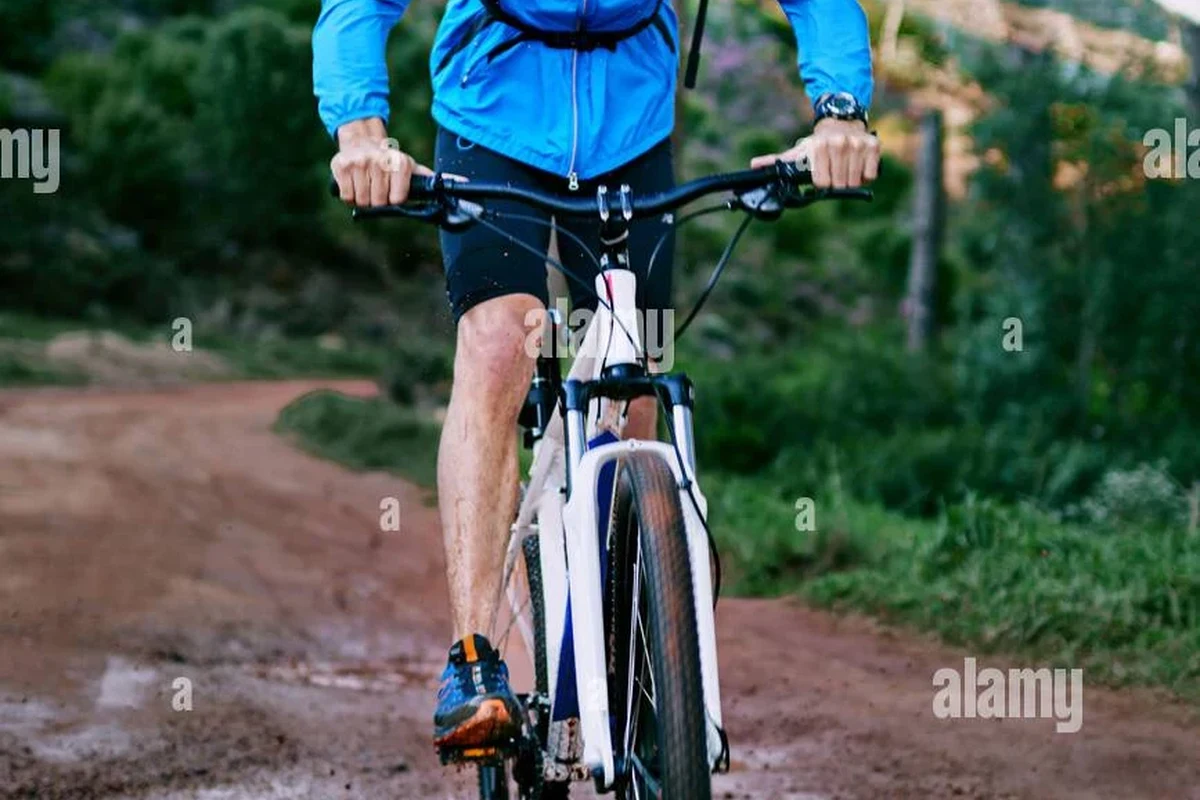
- Skill first: Flat pedals make it easier to practice MTB fundamentals without a release mechanism.
- Confidence boost: New riders can put a foot down quickly in awkward or technical moments.
- Setup matters: Grippy shoes, good platform shape, and proper stance improve control.
- Not a cure-all: Pedals help, but technique still determines most trail performance.
Frequently Asked Questions
Yes. Flat pedals usually make it easier to learn balance, braking, and foot placement because you can step off or reset quickly. They are often the simplest starting point for new riders.
Shoes with sticky rubber soles and a tread pattern that grips pedal pins usually work best. Avoid smooth soles or very soft casual shoes if you want more control.
Not usually. They can help beginners build technique first, which often makes later progression easier. The main trade-off is less fixed foot connection than clipless pedals.
Look for a stable platform, reliable grip pins, comfortable pedal shape, and durable bearings. The best choice depends on shoe size, terrain, and how often you ride.
Clean them after muddy rides, inspect pins for wear, and check for bearing play or unusual noise. Follow the manufacturer’s service guidance for your exact model.
Clipless pedals may make sense once your balance, cornering, and braking feel consistent and your goals shift toward more sustained climbing or racing. If you switch, confirm compatibility and learn the release system on easy terrain first.