A GPS tracker e-bike lock is worth it if you park in higher-risk places or own a valuable bike. If your bike stays indoors or you already use a strong lock in a low-risk area, a standard lock may be enough.
If your e-bike is expensive, parked outdoors, or left in shared urban areas, a GPS tracker e-bike lock can be a smart upgrade. If your bike stays indoors or in a low-risk spot, a strong standard lock may be enough.
- Best fit: Commuters, premium e-bike owners, and riders who park outside often.
- Main value: Faster theft alerts and better recovery potential, not theft proofing.
- Buy first for security: The physical lock must still be strong and cut-resistant.
- Check before purchase: Battery life, app quality, signal needs, and subscription terms.
Do You Need a GPS Tracker E-Bike Lock? The Short Answer for 2026 Riders
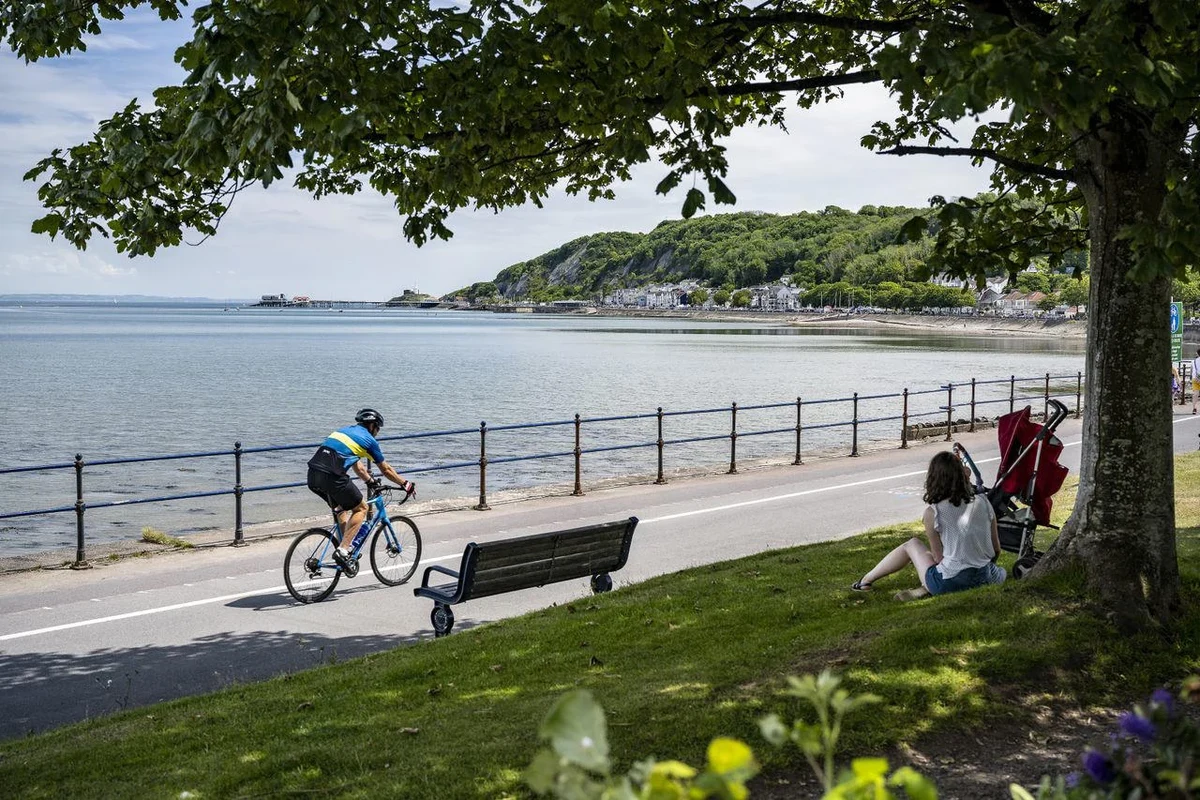
The real question is not whether GPS tracking is useful, but whether it adds meaningful protection for your situation. A tracker-equipped lock can improve recovery odds and give you faster theft alerts, but it does not replace good locking habits, secure parking, or a lock that is difficult to cut.
Think of a GPS tracker e-bike lock as a security layer, not a guarantee. The best choice depends on where you park, how long the bike sits unattended, and how much risk you are trying to reduce.
Who benefits most from a tracker-equipped lock
Riders who leave their e-bike outside for work, errands, classes, or delivery shifts usually get the most value. The same goes for anyone storing a premium e-bike in a garage, apartment entryway, or other shared space where theft risk is higher than average.
These locks also make sense for riders who want app-based alerts, live location tracking, or a record of movement after a theft event. That extra visibility can be especially helpful if you are away from the bike for long stretches.
When a standard lock may be enough
If your bike is stored indoors most of the time, a heavy-duty standard lock may be the more practical buy. The same is often true for riders who park in low-risk areas, keep the bike within sight, or use it only for short trips.
In those cases, spending more on a tracker may not be the best use of budget if the lock itself is weak or the bike is rarely exposed to theft risk. A better lock, better parking habits, or both may deliver more value.
How a GPS Tracker E-Bike Lock Works

Most tracker-equipped locks combine physical security with electronic location tools. The lock still does the basic job of securing the bike, while the tracker tries to help you monitor movement after the bike is locked or stolen.
Built-in GPS, cellular, and app-based tracking explained
Many systems use GPS to estimate location and cellular connectivity to send that location to a phone app. Some also use Bluetooth or nearby device networks for short-range communication or setup, though the exact feature set varies by model.
In simple terms, GPS tells the lock where it is, cellular service sends that information to you, and the app is where you view alerts and settings. If any one of those pieces is weak, tracking performance can drop.
Some tracker systems work best only when they have both satellite positioning and a data connection. Without signal, the lock may still secure the bike but may not update location in real time.
Hidden tracker vs lock-integrated tracker vs add-on device
A hidden tracker is usually tucked into the bike or lock area and is designed to be less obvious to thieves. A lock-integrated tracker is built directly into the lock body, which can simplify use but may limit placement flexibility.
An add-on tracker can be mounted separately on the bike, which may help if you want to use it with more than one lock. The trade-off is that separate devices can be easier to overlook during setup, charging, or account management.
What happens after a theft alert is triggered
Depending on the system, a theft alert may notify you when the bike is moved, shaken, or taken outside a geofence. Some apps also let you share location details with law enforcement or a recovery service, but outcomes vary widely and depend on how quickly you respond.
If a theft alert fires, do not confront a suspect or attempt a recovery alone. Follow local law enforcement guidance and use the app’s sharing tools only if the manufacturer provides them safely and clearly.
What to Look for Before You Buy
Buy the lock for its weakest point, not its marketing headline. A tracker is only helpful if the lock is also strong, the app works reliably, and the battery lasts long enough for your normal parking routine.
Lock security level, shackle material, and cut resistance
The physical lock should be the first filter. Look for the manufacturer’s stated security level, shackle or chain material, and any third-party testing or certification the brand can verify in its current documentation.
Because standards and labeling vary by region, confirm what the rating actually means before you buy. A tracker does not make a flimsy lock secure.
- Check whether the lock body, shackle, or chain matches your theft-risk level
- Confirm whether the tracker is built in or requires a separate device and app
- Verify charging method, battery life claims, and whether backup power exists
- Review the current warranty, return policy, and app support terms
Battery life, charging method, and backup power options
Tracker locks need power, and that means maintenance. Some charge through USB, some through a proprietary cable, and some use replaceable batteries or a combination of internal and backup power.
Longer battery life is useful, but only if the lock is easy to charge and easy to remember. If the tracker dies often, the security feature becomes less dependable than the box suggests.
Signal quality, subscription costs, and app reliability
Tracking usually depends on cellular coverage, and some models require an ongoing subscription for data service or premium app functions. Confirm the current plan structure before buying, since pricing and included features can change.
App reliability matters just as much as hardware. If the app is slow, buggy, or hard to set up, alerts may arrive late or be harder to act on.
Weather resistance, weight, and mounting compatibility
E-bike locks often live outdoors, so weather resistance matters. Check the manufacturer’s guidance for rain, dust, temperature range, and storage, and avoid assuming a lock is fully weatherproof unless the documentation says so.
Weight and mounting compatibility also matter for daily use. A bulky lock may be secure but annoying to carry, while an awkward mount can lead to leaving the lock at home.
Real-World Benefits and Trade-Offs
A tracker-equipped lock can be useful, but it works best when you understand what it can and cannot do. The biggest benefit is not magical prevention; it is better information and a better chance of response.
Theft deterrence, recovery potential, and peace of mind
The visible presence of a serious lock can deter opportunistic theft, especially when the bike is parked in a busy area. If the bike is taken anyway, tracking may help you identify movement sooner and improve recovery potential.
That said, peace of mind is only real if the system is reliable and maintained. A dead battery or missed alert removes much of the value.
- Can improve theft alerts and recovery chances
- Adds visibility when the bike is parked away from you
- Useful for high-value e-bikes and shared parking areas
- Depends on battery life, app quality, and signal
- Can cost more than a standard lock
- Does not prevent cutting, tampering, or all theft scenarios
Convenience on commutes, errands, and long-term parking
For commuters and errand riders, quick alerts and app-based status checks can be convenient. For longer parking periods, location history and geofencing may help you notice movement that would otherwise go unseen.
If you park in the same place every day, convenience can become a real advantage. But if you rarely leave the bike unattended, the extra features may go unused.
Limitations: dead zones, false alerts, battery drain, and false confidence
Tracker systems can struggle in garages, dense buildings, underground parking, or remote areas with weak coverage. Motion alerts can also be too sensitive, creating false alarms from normal handling or vibration.
The biggest risk is false confidence. A tracker is not a substitute for a strong lock, smart parking, and regular maintenance.
- Use the tracker as a backup layer, not your only security plan
- Test alerts and app settings before relying on the lock for daily parking
- Keep the battery charged on a schedule that matches your commute routine
- Save proof of purchase, serial numbers, and account details in a secure place
Who a GPS Tracker E-Bike Lock Fits Best
The best fit depends on theft risk, parking habits, and how much you value convenience versus cost. Some riders need the extra layer; others would get more value from a better physical lock or better storage.
Urban commuters and high-theft parking situations
Urban riders who park near transit hubs, busy streets, campuses, or apartment corridors are strong candidates. These are the situations where quick alerts and recovery tools can matter most.
If the bike is left outside for several hours at a time, the tracker’s value rises because the window for theft risk is larger.
Premium e-bike owners and fleet or delivery riders
Owners of expensive e-bikes often have more to lose if the bike disappears. Fleet operators and delivery riders may also benefit because multiple bikes, repeated stops, and frequent parking create more opportunities for theft.
For these users, the tracker can support asset management as well as theft response. Still, the lock should be chosen for durability and daily usability, not just app features.
Casual riders, indoor storage users, and budget-conscious buyers
If you mostly ride for recreation, keep the bike indoors, or lock it only briefly in safer places, a tracker may be more than you need. Budget-conscious buyers may be better served by spending on a stronger standard lock and a second lock point instead.
That approach often gives better security per dollar when theft risk is moderate rather than high.
Good if you want simple theft alerts, but only if the app and charging routine are easy to manage.
Often a strong fit for commuting, errands, and shared parking where the bike sits unattended.
Useful if you want layered security, but you may prefer a separate tracker plus a top-tier lock.
How to Use It Safely and Effectively
The lock works best when it is part of a broader anti-theft routine. That means locking the bike correctly, parking smartly, and setting up the app before you need it.
Best locking technique for e-bikes, frames, and wheels
Use the lock to secure the frame to a fixed object whenever possible. If the design allows, include a wheel as well, but do not assume the wheel alone is enough.
Choose a stable anchor point that cannot be lifted, cut easily, or disassembled. A strong lock on a weak object still leaves the bike vulnerable.
- Lock the frame first, then secure additional parts if the lock design allows
- Park in visible, well-lit areas with steady foot traffic
- Keep the tracker charged and the app logged in
- Locking only a wheel or only a removable accessory
- Leaving the bike in isolated areas for long periods
- Assuming a tracker will recover a bike without your follow-up
Where to park, what to avoid, and how to reduce theft risk
Try to park where the bike is visible, monitored, or naturally busy. Avoid poorly lit corners, isolated racks, and places where thieves can work without being noticed.
Whenever possible, vary parking habits and use more than one security layer. A tracker, strong lock, and smart parking location are more effective together than any one feature alone.
How to set alerts, geofences, and emergency contacts
Before leaving the bike unattended, set up motion alerts, movement sensitivity, and any geofence options the app offers. Save emergency contacts and review whether the app can share live location data if theft is suspected.
Set up and test the app at home first. It is much easier to fix notification settings before you are standing next to a locked bike in a parking lot.
Care, Storage, and Maintenance Tips
Electronic locks need routine care just like the bike itself. A few simple habits can keep the tracker, lock body, and app working more reliably over time.
Charging routine and battery health basics
Charge the device before it gets critically low, especially if you commute daily. If the manufacturer gives charging guidance, follow it rather than guessing based on other electronics.
Battery life can vary with temperature, signal use, and alert frequency, so check the official guidance for your model. Cold weather, frequent notifications, and weak signal can all affect performance.
Cleaning, lubrication, and weather exposure precautions
Keep the lock clean and follow the manufacturer’s care instructions for moving parts. If lubrication is recommended, use only the type and amount specified in the manual.
Do not assume every lock can live outdoors in all conditions. Water exposure, road grime, and salt can shorten service life if the product is not designed for that environment.
Stop using the lock if the shackle, latch, housing, charging port, or mounting hardware shows damage, corrosion, or unreliable operation. Follow the manufacturer’s inspection and service guidance.
Firmware updates, app permissions, and account security
If the lock uses firmware updates, install them only through the official app or manufacturer instructions. Keep account credentials secure, enable two-factor authentication if available, and review app permissions periodically.
That matters because the tracker is only as useful as the account behind it. If someone gains access to your app, they may be able to see your bike’s location or change settings.
Final Verdict: Is a GPS Tracker E-Bike Lock Worth It?
For riders who park in higher-risk areas, own a valuable e-bike, or want faster theft alerts, a GPS tracker e-bike lock is often worth considering. For low-risk storage or tight budgets, a strong standard lock and smart parking may deliver better value.
Choose a tracker-equipped lock when theft risk is real, the app is reliable, and you are willing to keep it charged and updated. Choose a different solution when your bike is mostly indoors, your parking is low risk, or the extra cost would force you to compromise on physical lock quality.
Best-value use cases and when to choose a different solution
The best-value use cases are daily commuting, campus parking, apartment storage, delivery work, and premium e-bike ownership. In those situations, the tracker adds meaningful response tools on top of the lock itself.
Choose a different solution when the bike is rarely unattended, when subscription costs are not acceptable, or when the physical lock quality is not strong enough to justify the electronics.
Recommended buying approach for ProKingsEdge readers
Start with the lock’s security rating and construction, then verify tracker features, battery behavior, app support, and current subscription terms. If any of those details are unclear, confirm them with the official manual or manufacturer before buying.
For most riders, the smartest purchase is the one that matches real parking risk, not the flashiest feature list.
Frequently Asked Questions
It is a strong fit for commuters, premium e-bike owners, and riders who park in higher-risk areas. It is less useful if the bike stays indoors or is only left unattended briefly.
No. The tracker can help with alerts and recovery, but the physical lock still needs to resist cutting, tampering, and everyday misuse.
Check the lock’s security construction, battery life, charging method, app reliability, signal requirements, and any subscription costs. Also confirm weather resistance and mounting compatibility for your bike.
Battery life varies by model, signal use, and alert frequency, so there is no single answer. Confirm the manufacturer’s current specs and charging guidance before buying.
Some features may still work locally, but real-time tracking usually depends on a data connection. In weak-signal areas, location updates and alerts can be delayed or unavailable.
Set up the app, test alerts, review geofence settings, and save account details in a secure place. Also follow the manual for charging, cleaning, firmware updates, and inspection checks.