You do not strictly need lights on an e-bike helmet, but they can improve visibility in traffic, at night, and in low-light conditions. The best setup is a properly fitted certified helmet plus strong bike lights and reflective gear.
If you ride in traffic, at dawn or dusk, or on dark paths, a lighted e-bike helmet can be a smart visibility upgrade. But you do not strictly need lights on the helmet itself as long as you have reliable front and rear lighting, good fit, and reflective visibility from multiple angles.
ProKingsEdge may earn a commission from qualifying purchases, at no extra cost to you. Recommendations remain editorially independent.
- Short answer: Helmet lights are helpful, but they are not mandatory for most riders.
- Priority order: Fit and certification come before lighting features.
- Best use case: Commuting, night riding, and busy urban traffic.
- Main limitation: Helmet lights do not replace front/rear bike lights or reflective gear.
Do You Need Lights on an E-Bike Helmet? The Short Answer and What Actually Matters
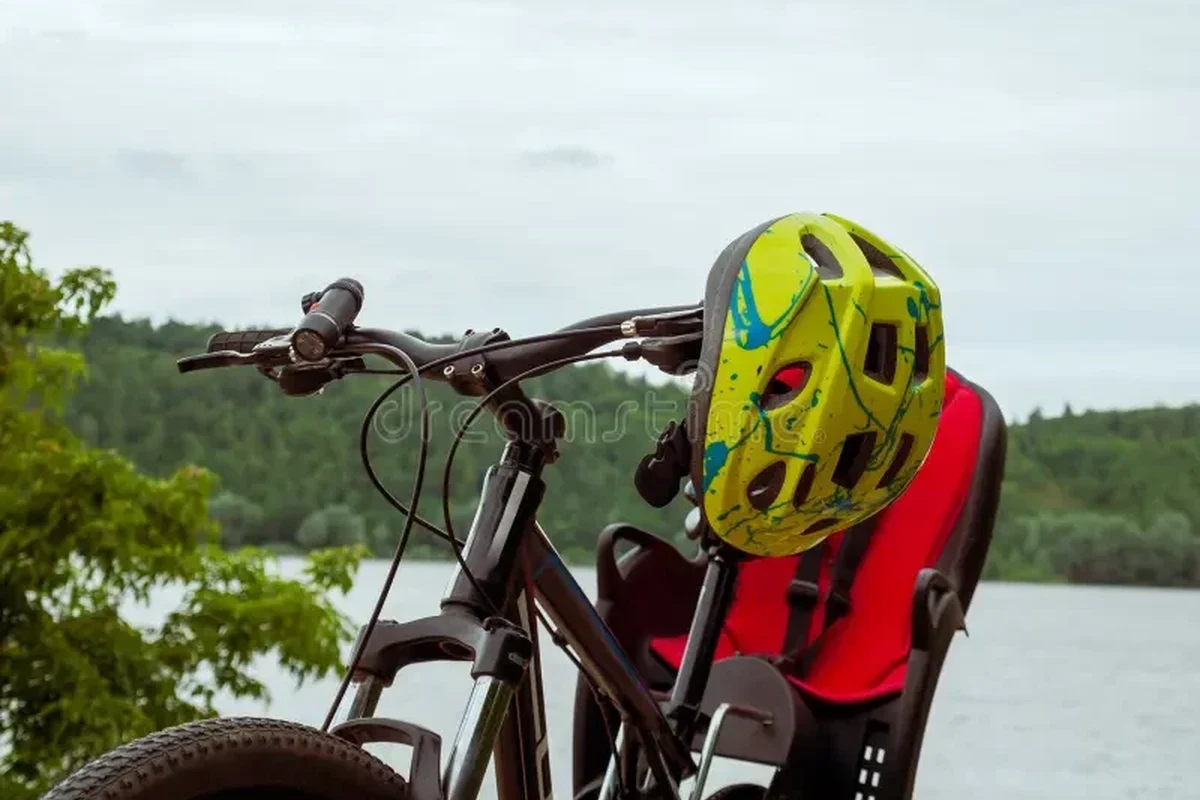
The short answer is: not always. For most riders, helmet lights are a helpful add-on, not a requirement, because visibility depends on your full setup—bike lights, reflective clothing, route choice, riding speed, and how much traffic you face.
What matters most is being seen from the directions drivers and other road users actually approach from. A helmet light can improve how noticeable you are, especially where your head turns with your line of sight, but it should never be treated as your only safety measure.
On an e-bike, the question becomes even more practical because many riders travel faster than they would on a standard bike. Faster movement can make visibility and reaction time more important, especially in busy city environments or low-light conditions.
How E-Bike Helmet Lights Work: Built-In vs. Clip-On vs. Bike-Mounted Lighting
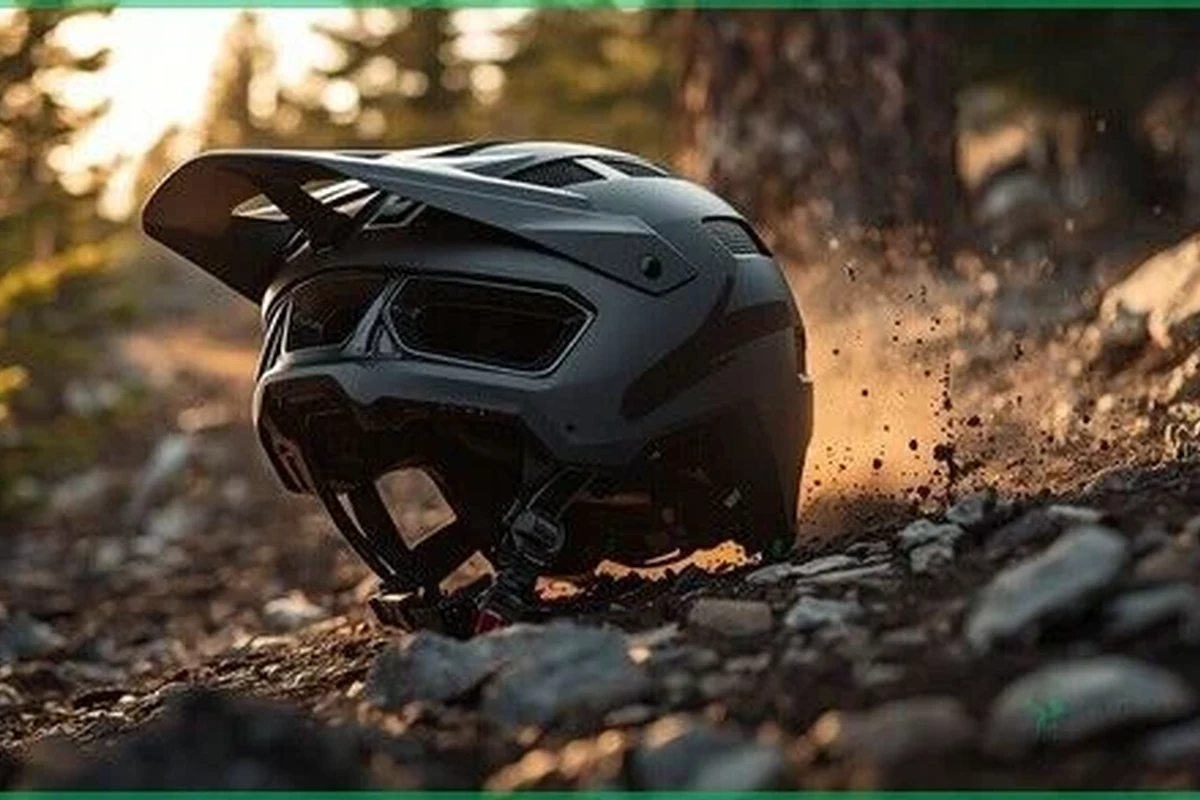
Helmet lights generally fall into three categories. Some helmets have built-in LEDs, some accept removable clip-on lights, and many riders rely mostly on lights mounted to the bike itself.
Each setup serves a different purpose. Bike-mounted lights help illuminate the road and make the bike visible from the front and rear, while helmet-mounted lights follow your head movement and can help direct attention where you are looking.
Front visibility, rear visibility, and side visibility explained
Front visibility helps oncoming traffic notice you. Rear visibility matters most for vehicles approaching from behind, especially in lanes, intersections, and bike paths shared with pedestrians or riders.
Side visibility is often overlooked, but it matters at intersections, driveways, and crosswalks. A helmet light can help here because your head is usually higher than the bike frame and may be easier to spot through car windows, mirrors, and cluttered street scenes.
| Option | Best For | Key Consideration |
|---|---|---|
| Built-in helmet light | Convenience and quick setup | Check battery access, weight, and replacement parts |
| Clip-on helmet light | Flexibility and easy swapping | Verify secure mounting and compatibility with vents |
| Bike-mounted lights | Primary visibility and road illumination | Usually the most essential lights for riding |
When helmet lights help more than handlebar or seatpost lights
Helmet lights are especially useful when your head movement matters. If you are scanning for cars, reading signs, or navigating a trail turn, the beam or flash follows where you look instead of staying fixed to the bike.
They can also help in crowded urban spaces where a higher light source stands out. That said, handlebar and seatpost lights still do the heavy lifting for road visibility, so helmet lights work best as a supplement.
If you can only prioritize one setup, make sure your bike has a strong front light and a rear light first. Add a helmet light after that if you want extra visibility or head-directed illumination.
Who Benefits Most From a Lighted E-Bike Helmet in 2026
Lighted helmets are not for every rider, but they make a lot of sense for people who ride in mixed traffic, low light, or unpredictable conditions. The value depends less on trend and more on how often you need to be noticed from multiple angles.
Commuters, urban riders, and low-light city traffic
Commuters often benefit the most because they ride near cars, buses, crosswalks, and intersections. In that environment, being visually distinct can help other road users notice you sooner, especially at dawn, dusk, or after sunset.
Urban riders also deal with visual clutter—streetlights, storefronts, brake lights, and reflections. A helmet light can make you stand out a bit more in that busy environment, but it should still be paired with legal, properly aimed bike lights.
Night riders, trail riders, and riders in bad-weather conditions
Night riders may appreciate the added head-level visibility and the ability to point light where they are looking. Trail riders often like helmet lights because the beam can help with cornering and scanning the path ahead.
In rain, fog, and mist, visibility becomes more complicated. A helmet light may help you be seen, but weather can also scatter light and reduce effectiveness, so riders should keep expectations realistic and follow local rules and the official helmet and light manuals.
Who may not need helmet lights at all
If you mostly ride in daylight, on quiet streets, or on separated paths with little traffic, a helmet light may be optional rather than necessary. Riders who already have a strong bike-light setup and reflective gear may not see much extra benefit from a lighted helmet.
Some riders also prefer a simpler helmet with fewer electronics to charge and maintain. That can be the better choice if your rides are short, predictable, and mostly in good visibility.
Good if you want extra visibility without changing your riding style, but only after you cover the basics.
Useful for commuting and mixed-condition riding where head-level visibility adds value.
Best as a supplement to a tuned lighting system, not as a substitute for road-ready equipment.
What to Look for Before Buying: Safety Standards, Fit, and Key Specifications
Before buying any e-bike helmet with lights, verify the helmet itself first. Lighting is useful, but the helmet still needs to fit correctly and meet the safety standard relevant to your riding type and region.
Helmet safety standards to verify for e-bike use
Check the product listing and the helmet label for the exact certification claims. Standards vary by country and helmet category, and you should confirm what applies to your e-bike, speed class, and local regulations before buying.
If a manufacturer mentions a specific certification, confirm it in the official manual or on the helmet shell or packaging. Do not assume “bike helmet” automatically means “e-bike appropriate,” because some regions have separate requirements or recommendations.
Do not rely on marketing language alone. Verify the helmet’s actual certification, size range, and intended use in the manufacturer’s documentation or your local safety rules.
Fit, sizing, retention system, and comfort for long rides
A helmet only helps if it stays stable on your head. Look for a snug fit, an adjustable retention system, and straps that sit comfortably without twisting or pinching.
For longer rides, comfort matters more than many shoppers expect. If a helmet feels too heavy, traps heat, or interferes with glasses or headphones, you may stop wearing it consistently—which defeats the purpose.
- Confirm the correct size range and fit adjustment system
- Check how the light is powered and whether charging is practical for your routine
- Verify the helmet certification and intended riding use
- Make sure the light does not block vents, straps, or accessory compatibility
Battery life, brightness modes, charging, and weather resistance
Battery life is one of the biggest practical differences between models. Look for a runtime that matches your commute or ride duration, and check whether the light has multiple modes so you can balance visibility with battery use.
Charging convenience matters too. If the port is awkward to reach or the helmet takes too long to recharge for your schedule, the light may become annoying rather than helpful. Weather resistance is also important, but the exact level varies by model, so confirm the manufacturer’s claim rather than assuming it is fully waterproof.
Weight, ventilation, visibility angle, and mounting quality
Extra electronics add weight, and that can affect comfort on longer rides. Ventilation also matters because some built-in lights reduce airflow or take up vent space.
Angle and mounting quality are easy to overlook. A light that points too high, too low, or shifts during riding may not help much. Secure mounting is especially important for clip-on accessories, which should stay attached without rattling or slipping.
For e-bike riders, the best helmet is usually the one you will actually wear every ride: correct fit first, visibility second, convenience third.
Real-World Benefits and Trade-Offs of Helmet Lights for E-Bike Riders
Helmet lights can improve visibility and communication, but they also add complexity. The right choice depends on whether the added awareness is worth the extra charging, maintenance, and cost for your riding style.
Improved visibility and communication with drivers
A helmet light can help drivers notice that you are a human rider, not just another object in the street. Because the light sits higher than the bike frame, it may be easier to spot in traffic, at intersections, or when your body turns toward a lane change.
Some riders also use helmet lights as a communication tool. Turning your head toward a hazard or route choice can make your movement more obvious, which may help nearby road users anticipate your direction.
Convenience versus added weight, charging, and maintenance
The convenience of a built-in light is clear: fewer separate accessories to manage and less setup before a ride. But convenience comes with trade-offs, including battery charging, possible electronics failure, and more parts to inspect.
For riders who already have a busy routine, any added maintenance can become a burden. If you know you will forget to charge another device, a simpler helmet plus strong bike lights may be the better long-term system.
- Higher visibility than bike-only lighting in some situations
- Light follows your head movement for scanning and signaling
- Useful for commuting, urban riding, and trail navigation
- Adds weight, charging, and maintenance
- Does not replace front and rear bike lights
- Effectiveness depends on fit, angle, and weather
Why lights improve visibility but do not replace reflective gear
Lights help others notice you, but reflective gear helps reflect light back to drivers’ eyes. Those are different functions, and the safest setup usually combines both.
Even a bright helmet light cannot guarantee that every road user will see you in time. Use bright clothing, reflective accents, and legal bike lights as part of a layered visibility strategy.
Common Mistakes Riders Make With E-Bike Helmet Lights
Most problems with lighted helmets come from unrealistic expectations or poor setup. A few simple mistakes can reduce the benefit of the light or create avoidable frustration.
Assuming helmet lights make you fully “seen”
This is the biggest mistake. A helmet light can improve visibility, but it cannot force a distracted driver, poor weather, or a blind intersection to work in your favor.
Think of it as one layer in a larger safety system. Bike lights, reflective details, route choice, and defensive riding habits still matter just as much.
Choosing the wrong brightness or flashing pattern
Too dim, and the light may be easy to miss. Too aggressive, and it may be distracting or uncomfortable for other road users, depending on the setting and local rules.
Steady and flashing modes can both be useful, but the best choice depends on the environment. A steady beam may help with road illumination, while a flash may improve attention-getting in traffic. Check your local regulations before using any mode that could be restricted.
Poor fit, blocked vents, or incompatible accessories
If the helmet fit is off, the light may not point where it should or the helmet may shift during riding. Accessories can also interfere with vents, visors, glasses, or other gear.
Compatibility matters more than many shoppers expect. A light that works well on one helmet may be awkward on another, especially if the shell shape or vent layout is different.
Ignoring battery checks, damage, or outdated helmet replacement
Battery neglect is common. A light that is not charged when you need it is just dead weight, and a damaged helmet should not stay in service simply because the light still works.
Also watch for wear over time. Helmets age, straps degrade, and electronics can fail. Follow the manufacturer’s replacement guidance and inspect the full system regularly.
Stop using any helmet that has been in a crash, shows cracks or deep damage, or has a failing retention system. Follow the manufacturer’s replacement guidance for both the helmet and the lighting components.
Safe Use, Care, and Replacement Guidance
Good care keeps the helmet comfortable and the light dependable. Safe use starts before the ride and continues with regular cleaning, charging, and inspection.
Daily pre-ride checks for helmet, light, and straps
Before riding, check that the helmet sits level, the straps are adjusted correctly, and the buckle closes securely. Make sure the light turns on, changes modes if needed, and remains firmly attached.
If anything feels loose, cracked, or unreliable, fix it before leaving. A quick check takes less time than dealing with a failed accessory in traffic.
- Inspect the helmet shell, straps, and light mount before each ride
- Keep the battery charged according to the manual
- Store the helmet where heat and moisture are limited
- Using a helmet with a cracked shell or damaged straps
- Relying on a dead light as your only visibility tool
- Modifying the helmet or electrical parts outside the manual
Cleaning, charging, storage, and moisture protection
Clean the helmet with mild soap and water if the manufacturer allows it, and avoid harsh chemicals that may damage the shell, foam, straps, or electronics. Let the helmet dry completely before storage or charging if the design requires it.
For charging, use the recommended cable and power source. If the helmet or light is not designed for heavy rain or full immersion, keep it protected from moisture and store it in a dry place after wet rides.
When to replace the helmet or lighting system after impact or wear
Replace the helmet after any significant impact, even if the damage is not obvious. Foam damage is not always visible, and a compromised helmet may not protect as intended in a future crash.
Lighting components also deserve replacement when they stop holding charge, lose brightness, crack, or no longer mount securely. If the helmet is still fine but the light is failing, check whether the manufacturer sells a compatible replacement rather than forcing an improvised fix.
- Helmet lights help, but they are not a substitute for front and rear bike lights.
- Fit, certification, and comfort matter more than flashy features.
- Use reflective gear and proper lighting together for better visibility.
Verdict: Is a Lighted E-Bike Helmet Worth It for You?
A lighted e-bike helmet is worth considering if you ride in traffic, at night, at dawn or dusk, or anywhere extra head-level visibility may help. It is less compelling if you ride mostly in daylight on low-traffic routes and already have a strong lighting and reflective setup.
Best-value situations and the riders who should skip it
The best value usually goes to commuters, city riders, and trail riders who want added visibility and head-directed lighting in one package. Riders who are highly budget-conscious, ride rarely after dark, or prefer the lightest possible helmet may be better off with a standard helmet plus quality bike lights.
Final recommendation based on visibility needs, riding environment, and budget
If your riding environment includes traffic, poor lighting, or frequent head turns, a helmet with lights can be a practical upgrade. If not, prioritize a properly fitted certified helmet, strong front and rear bike lights, and reflective gear first; then add a lighted helmet only if it solves a real visibility problem for your rides.
You do not strictly need lights on an e-bike helmet, but they can be a smart visibility add-on for commuters, night riders, and urban cyclists. Choose one only after confirming fit, certification, battery practicality, and compatibility with your normal riding conditions.
Frequently Asked Questions
Not necessarily. Strong front and rear bike lights are the priority, and a helmet light is usually an added visibility tool rather than a must-have.
Verify the helmet fit, the exact safety certification, battery life, charging method, weather resistance, and whether the light mount is secure and comfortable.
They do different jobs. Handlebar lights help illuminate the road, while helmet lights follow your head movement and can improve visibility in traffic or on trails.
Check it before each ride for fit, strap condition, shell damage, battery charge, and secure mounting. Stop using it if anything is cracked, loose, or unreliable.
No. Lights help you stand out, but reflective gear adds another layer by bouncing light back toward drivers and other road users.
Replace the helmet after a significant impact or when the shell, straps, retention system, or light components are damaged or no longer function properly. Follow the manufacturer’s replacement guidance.