A 2-liter hydration bladder is the best starting point for most trail riders. Choose 1.5 liters for shorter, lighter rides or 2.5 to 3 liters for hot, long, or remote trail days.
Choosing the right hydration bladder size for trail riding usually comes down to ride length, weather, terrain, and how much gear you already carry. For most riders, a 2-liter bladder is the best starting point, while 1.5 liters works well for shorter, lighter rides and 2.5 to 3 liters makes more sense for hot days, long loops, and remote trails.
- Best all-around size: A 2-liter bladder fits most trail riding needs.
- Short rides: 1.5 liters works well when you ride close to home or keep trips brief.
- Long or hot rides: 2.5 to 3 liters gives more reserve when water stops are limited.
- Fit matters: Pack compatibility, hose length, and comfort can matter as much as capacity.
- Maintenance counts: Clean and dry the bladder carefully, especially after sports drinks.
How to Choose the Right Hydration Bladder Size for Trail Riding
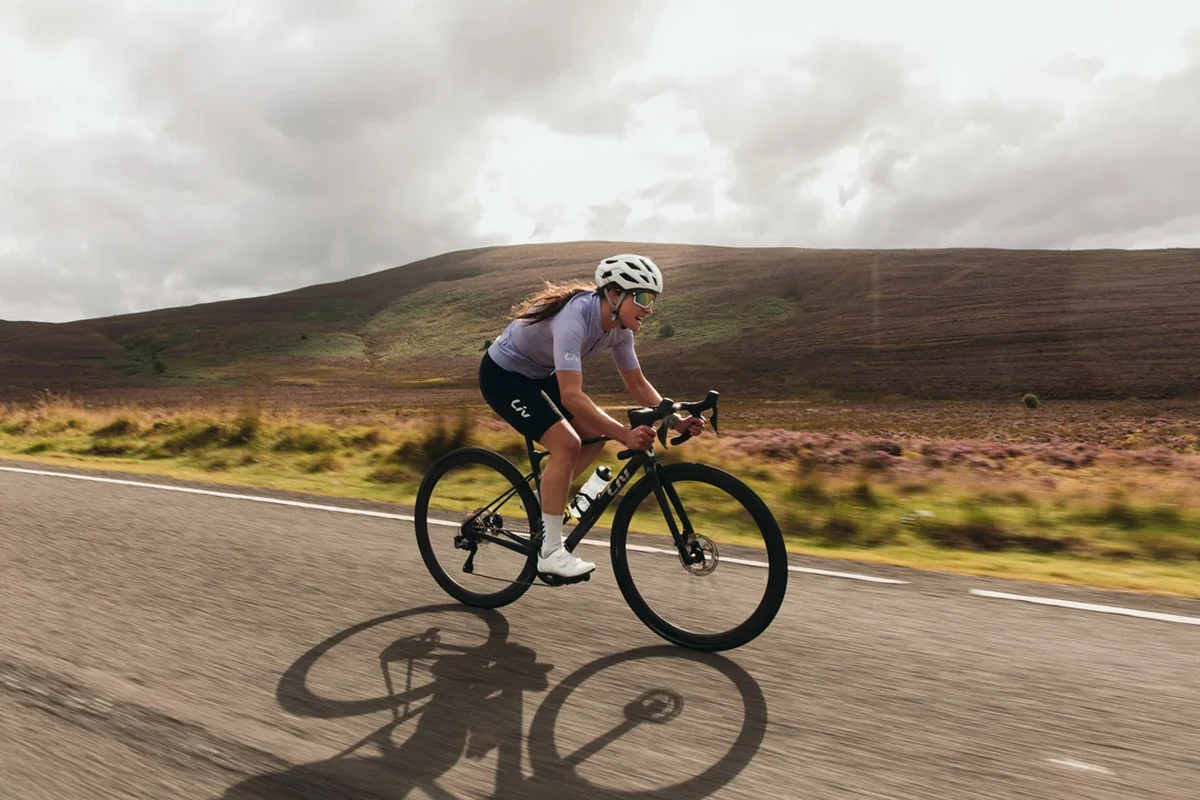
The best bladder size is the one that gives you enough water without turning your pack into extra baggage. If you ride short local trails, a smaller bladder may feel more comfortable; if you spend hours far from refill points, a larger reservoir can be the safer, more practical choice.
Think of bladder size as a balance between hydration, pack comfort, and the type of trail day you actually ride. The goal is not to carry the biggest reservoir possible, but the one that fits your route and conditions.
What Hydration Bladder Size Actually Means on the Trail
Hydration bladder size refers to the reservoir’s total capacity, usually listed in liters. That number is helpful, but it does not always equal the exact amount of drinkable water you will carry in a real pack setup.
Bladder capacity vs. usable water volume
Manufacturer capacity is the maximum the bladder can hold, but usable volume can vary slightly depending on the fill line, shape, and pack design. Some riders also leave a little air space so the bladder sits more comfortably and is easier to manage inside the pack.
Exact usable volume can vary by model and how the bladder is loaded into the pack. Always check the manufacturer’s specifications and fit guidance for your specific hydration pack.
How bladder size affects pack weight, fit, and ride feel
More water means more weight, and more weight changes how a pack rides on your back. A larger bladder can make a pack feel fuller and less flexible, while a smaller one often sits flatter and is easier to manage on technical climbs, fast descents, and warmer days when you want less bulk.
How Much Water Trail Riders Really Need in 2025
There is no single number that fits every rider. Water needs change with heat, effort, elevation gain, humidity, pace, and how long you expect to be out before you can refill.
Ride duration, heat, elevation, and intensity factors
A slow one-hour ride in cool weather is very different from a three-hour climb-heavy loop in the sun. Steeper terrain, higher intensity, and hot or dry conditions usually increase how much fluid you want to bring.
If you are unsure, plan around the longest likely stretch between water stops, not just the total ride time. That approach is especially useful on unfamiliar trail systems.
Short rides, half-day rides, and full-day trail sessions
For shorter rides, many trail riders prefer a lighter setup and do not need a full reservoir. Half-day outings often call for a middle-ground bladder, while full-day rides usually benefit from more capacity or a refill plan.
If your route includes long climbs, exposed ridgelines, or limited access to water, the practical need for capacity goes up quickly. In those cases, a larger bladder can be more useful than carrying a smaller one and hoping to make it back early.
When to carry more than just water
Some riders carry electrolyte mix or sports drinks, especially on long or hot rides. That can be helpful, but it also means the bladder needs more careful cleaning afterward because flavored drinks can leave residue and odors behind.
Do not assume sports drinks replace water needs on their own. Hydration strategy depends on the ride, weather, and your personal tolerance, and riders with medical concerns should get guidance from a qualified professional.
Hydration Bladder Size Guide by Rider Type and Terrain
The most useful way to choose a bladder is to match it to your riding style. The table below gives a simple starting point, but pack fit and climate can push you toward a different size.
| Bladder size | Best for | Main trade-off |
|---|---|---|
| 1.5L | Short rides, light packs, quick loops | Less reserve water |
| 2L | Most trail riders and mixed ride lengths | May still be short for long hot rides |
| 2.5L to 3L | Long rides, heat, remote trails | More weight and bulk |
1.5L bladders: lightweight rides and shorter loops
A 1.5-liter bladder is a good fit for riders who keep trips short, ride close to home, or want the lightest possible pack. It can also work well for smaller packs that do not have much room for a larger reservoir.
The limitation is simple: it does not leave much margin for heat, delays, or unexpected detours. If you regularly ride farther than planned or spend a lot of time climbing, 1.5 liters may feel too tight.
2L bladders: the most versatile all-around choice
A 2-liter bladder is often the most balanced option for trail riding. It usually gives enough capacity for many local rides without adding as much bulk as a larger reservoir.
This size is especially appealing if you ride different trails throughout the week and want one setup that handles most situations reasonably well. The main drawback is that very long or very hot rides may still require more water than 2 liters can comfortably provide.
2.5L to 3L bladders: long rides, hot weather, and remote trails
Larger bladders make sense when refill points are uncertain or conditions are demanding. Riders who spend hours on backcountry-style trails, desert routes, or summer rides often appreciate the extra buffer.
- More water for long gaps between refills
- Better for hot, dry, or high-effort rides
- Heavier when full
- Can take up more pack space
How terrain and climate change the best size
Hot weather, steep climbs, and dry air usually favor a larger bladder. Cooler temperatures, shaded forest trails, and short local loops often make a smaller reservoir more practical.
Terrain also matters because technical riding can make a bulky pack feel less stable. If your trails are rough and dynamic, comfort may matter as much as total capacity.
Key Buying Criteria Beyond Capacity
Capacity matters, but it is not the only thing that determines whether a bladder works well on the trail. Compatibility, hose design, material quality, and overall pack comfort can matter just as much.
Pack compatibility and hydration sleeve fit
Check whether the bladder fits the hydration sleeve in your pack and whether the pack is designed for the reservoir shape you want. A bladder that is technically the right size can still ride awkwardly if it is too tall, too wide, or difficult to secure.
- Confirm the bladder dimensions match your pack sleeve
- Check whether the pack supports the bladder’s capacity range
- Review the manufacturer’s fit notes before relying on it for long rides
Tube length, bite valve, and easy-access design
A bladder can have the right capacity and still be annoying to use if the hose is too short or the valve is awkward to reach. For trail riding, easy access matters because you want to drink without stopping or taking your eyes off the trail for long.
Material quality, taste resistance, and leak prevention
Material quality affects durability, odor retention, and how easy the bladder is to clean. Many riders prefer bladders that resist taste transfer and are designed to reduce leaks at the seams, cap, and hose connection points.
Stop using a bladder that shows cracking, persistent leaks, or mold that does not come out with normal cleaning. Follow the manufacturer’s inspection and replacement guidance.
Weight, bulk, and ride comfort trade-offs
More capacity usually means more weight and a larger profile in the pack. If you value quick handling, ventilation, or a low-profile fit, a smaller bladder may feel better even if it means planning refills more carefully.
Real-World Benefits and Limitations of Different Bladder Sizes
The best bladder size is usually the one that disappears into the ride rather than distracting from it. That is why comfort, access, and ride style matter as much as raw liters.
Why smaller bladders can feel faster and lighter
Smaller bladders often reduce pack bulk and keep the load from shifting as much on technical terrain. For riders who value agility, that lighter feel can make a noticeable difference in how a pack sits during repeated climbs and quick direction changes.
Why larger bladders reduce refill stops but add bulk
Larger reservoirs are convenient when the trail is long and water is scarce. The trade-off is that they can make the pack feel more crowded, especially when you also carry tools, layers, snacks, or a first-aid kit.
Many riders choose a bladder size based on the longest realistic gap between water sources, not on the average ride. That often prevents underpacking on unfamiliar routes.
Common mistakes riders make when sizing up or down
One common mistake is buying the largest bladder available even when the pack is small or the rides are short. Another is choosing a compact bladder for comfort, then realizing there is not enough reserve water for heat, elevation, or delays.
- Match capacity to ride length, heat, and refill access
- Check pack compatibility before you buy
- Consider cleaning effort if you use mixes or flavored drinks
- Choosing size based only on the biggest number
- Ignoring hose length and valve access
- Assuming a larger bladder always means a better setup
Safe Use, Maintenance, and Storage for Trail Riding Hydration Bladders
Good maintenance helps a bladder stay cleaner, last longer, and perform more reliably. It also reduces the chance of bad taste, odor buildup, and unexpected leaks.
Cleaning after sweat, sports drinks, and muddy rides
Rinse the bladder after each ride when possible, especially if you used sports drink mix. More thorough cleaning is usually needed after hot rides, muddy conditions, or any drink that leaves residue.
If your bladder has a wide opening, it is usually easier to clean and dry. That can matter more over time than a small difference in capacity.
Drying, freezing, and storage best practices in 2025
Follow the manufacturer’s care instructions for drying and storage. In general, a bladder should be cleaned, fully dried as much as possible, and stored in a way that avoids trapped moisture and odor buildup.
Inspection points for leaks, mold, and worn parts
Check seams, hose connections, bite valves, and closures regularly. If you see persistent moisture, visible damage, or mold that keeps returning, it may be time to replace the part or the entire bladder depending on the design.
If a bladder leaks inside a pack, it can soak tools, electronics, or food. Inspect your setup before longer rides and do not ignore recurring leaks.
Final Recommendation: The Best Hydration Bladder Size for Most Trail Riders
For most trail riders, a 2-liter bladder is the best overall choice because it balances capacity, comfort, and pack compatibility. It is large enough for many rides without becoming so bulky that it feels overbuilt for everyday use.
Best overall pick for most riders
Choose 2 liters if you want one bladder that handles a wide range of trail rides. It is the most practical middle ground for riders who split their time between short local loops and longer weekend outings.
When to choose a smaller or larger bladder instead
Go smaller if your rides are short, your pack is compact, or you care most about a light, low-profile feel. Go larger if you ride in hot weather, cover long distances, or often travel where water access is limited.
Value-focused conclusion for ProKingsEdge readers
The smartest purchase is not the biggest reservoir on the shelf; it is the size that matches your real trail routine. If you start with a 2-liter bladder, then adjust upward or downward based on your routes, climate, and pack fit, you are more likely to end up with a setup you actually enjoy using.
Common Questions
A 2-liter bladder is the best starting point for most riders. It offers a strong balance of comfort and capacity.
Not if you ride long, hot, or remote trails. It can be too bulky for short or technical rides.
Often yes, especially in compact packs. Fit still depends on the pack’s hydration sleeve and shape.
Use both, but focus on time between refill points. Heat, climbing, and intensity can raise water needs quickly.
Check hose length, bite valve access, material quality, and how easy the bladder is to clean. Those details affect daily use.
Frequently Asked Questions
A 2-liter bladder is the best all-around starting point for most trail riders. It balances capacity, comfort, and pack compatibility better than smaller or larger options for many rides.
Choose 1.5 liters for short, lighter rides and 3 liters for long, hot, or remote trail days. The best choice depends on ride length, weather, and how far you are from water.
No. Larger bladders add weight and bulk, and they can make a pack feel less comfortable on technical trails. The right size is the one that fits your route and pack well.
Check pack compatibility, hose length, valve access, material quality, and cleaning ease. Also confirm the manufacturer’s fit guidance and care instructions for your specific model.
Rinse it after rides, clean it more thoroughly after sports drinks or muddy conditions, and dry it as much as possible before storage. Always follow the manufacturer’s care instructions.
Replace it if you see persistent leaks, cracks, mold that will not come out, or worn parts that no longer seal properly. Follow the manufacturer’s inspection and replacement guidance.