Yes, you can run on some walking pads, but only if the model is rated for it and has enough belt length and stability. For most people, walking pads are better for walking, brisk walking, or light jogging than for regular running workouts.
Yes, sometimes—but only if the walking pad is built for it, rated for your body weight, and stable enough for your pace. For many people, a walking pad is best treated as a fast-walking or light-jogging tool rather than a true running machine.
- Not all models qualify: Check the manual, speed range, belt length, and weight limit before trying to run.
- Stability matters: A compact frame can feel fine for walking but cramped or shaky at running.
- Best for light use: Walking pads fit beginners, office setups, and short cardio sessions better than serious runners.
- Standard treadmills win for running: Longer strides, higher intensity, and frequent runs usually call for a larger machine.
Can You Run on a Walking Pad? Short Answer, Safety, and What to Expect
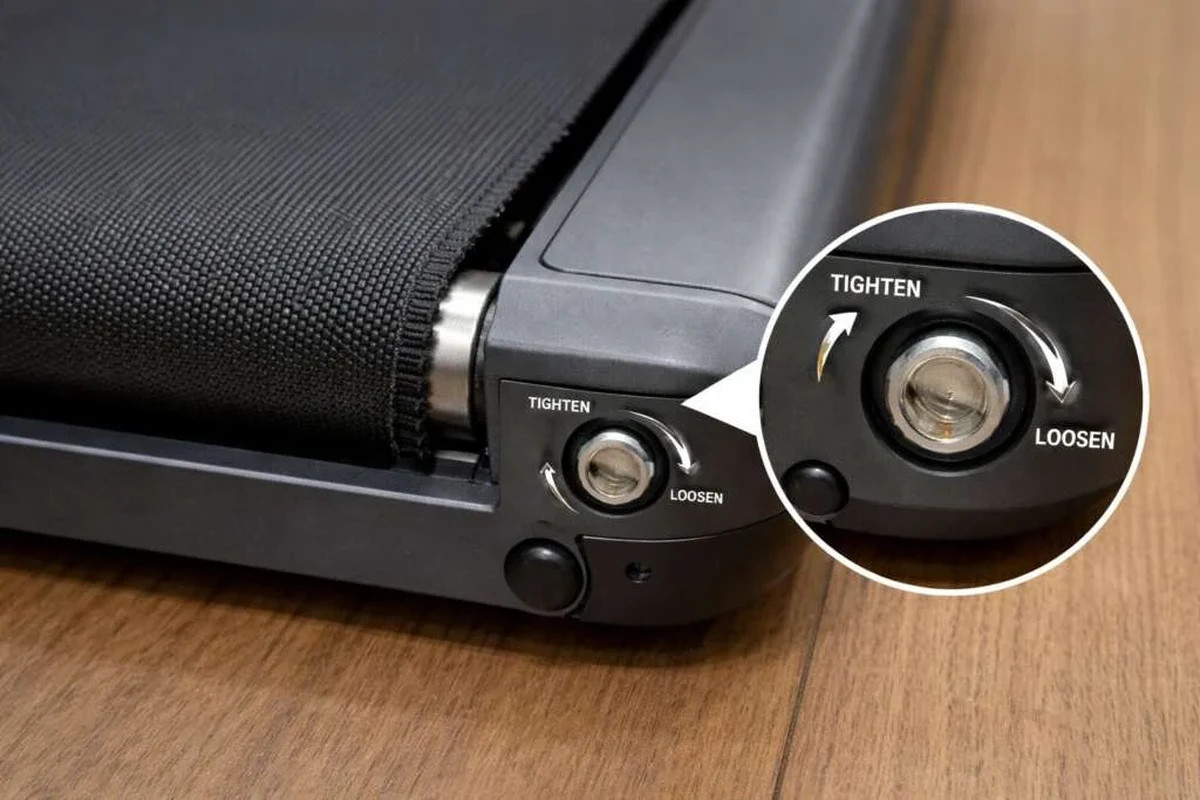
The short answer is that you may be able to run on some walking pads, but not all of them are designed for it. The main limits are belt length, motor strength, deck stability, speed range, and how confidently you can keep your stride centered on a narrower platform.
If you try to run on a model meant only for walking, the experience can feel cramped, noisy, or unstable. That does not just affect comfort; it can also make it harder to maintain balance, especially as fatigue sets in.
What a Walking Pad Is and How It Differs From a Treadmill
A walking pad is usually a compact, low-profile treadmill-style machine designed to save space and support walking at home or under a desk. Compared with a standard treadmill, it typically has a shorter deck, a slimmer frame, and a more limited speed range.
That smaller form factor is the reason many people buy one, but it is also the reason running can be a mismatch. A standard treadmill is usually built with more room for stride length, more robust support, and better tolerance for repeated impact.
Motor power, belt size, speed range, and deck design
These are the first specs to check because they tell you what the machine was built to do. Manufacturer labels vary, so confirm the exact model’s motor rating, belt dimensions, top speed, user weight limit, and whether the deck is intended for walking only or walking plus jogging.
A longer belt generally gives you more room to land and push off safely. A wider belt can also help, but width alone does not make a compact unit suitable for running if the deck is too short or the frame flexes too much.
Why walking pads are built for walking first
Walking pads are usually designed for lower speeds, shorter stride lengths, and lighter daily use. That design keeps them compact and easier to store, but it also means they may not absorb impact or stay as steady under faster foot turnover.
For many users, the best use case is steady walking, brisk walking, or short intervals of light jogging if the manual allows it. If your goal is regular running workouts, a conventional treadmill is usually the more appropriate tool.
When Running on a Walking Pad Is Possible
Running may be possible when the machine’s speed range, belt length, and stability all support it. Even then, “possible” does not always mean “comfortable” or “ideal” for every runner.
Speed limits, user weight limits, and stability checks
Check the top speed first. If the machine’s maximum speed barely matches your jogging pace, there may be little margin for safe adjustment, warm-up, or interval changes.
User weight limits matter too, but they are not the only issue. A person can be under the stated limit and still find the unit too narrow, too short, or too flexible for running.
Do not exceed the manufacturer’s speed or weight limits, and stop using the machine if the belt slips, the frame shifts, or the deck feels unstable.
Which runners may fit the use case best
Walking pads tend to make the most sense for lighter runners, beginners easing into gentle jogging, and people who want short cardio breaks during the workday. They can also suit users who value storage convenience more than performance.
They are less suitable for taller runners, long-stride runners, or anyone who wants regular tempo runs, sprint work, or longer sessions. Those users usually need more belt length and a sturdier frame.
May work well for brisk walking or very light jogging if the pad is stable and the belt is long enough.
Good for daily movement and short cardio sessions, but running comfort depends heavily on the exact model.
Usually too limited for serious running workouts, intervals, or high-mileage training.
Key Specs to Verify Before You Try It
Before you attempt to run on a walking pad, compare the machine’s specifications against your body size, stride, and training goals. A compact unit can be a good fit in one home and a poor fit in another.
Dimensions, belt length, and stride room
Belt length is one of the most important factors for running comfort. If the deck is too short, you may feel like you are constantly adjusting your stride instead of moving naturally.
Also check the usable running area, not just the overall footprint. Some compact machines look similar on paper but feel very different in motion because of side rails, motor housing, or a narrow center belt.
Load capacity, frame stability, and shock absorption
The stated load capacity is only one part of the picture. A walking pad can have a weight rating that technically fits you but still feel too light or too flexible for repeated running impacts.
Shock absorption varies by model, and manufacturers describe it in different ways. Look for evidence of a solid deck, stable base, and a design that reduces harsh impact without making the belt feel spongy or unpredictable.
Stop using the machine if the belt drifts, the deck creaks unusually, or the frame rocks during normal use. Follow the manufacturer’s inspection and service guidance.
Noise level, folding/storage design, and controls
Noise matters more in apartments, shared homes, and home offices. A quiet walking pad can still become disruptive at running pace, so check whether the manufacturer distinguishes walking noise from higher-speed operation.
Storage design also affects real-world use. If a unit is easy to slide away but awkward to unfold, plug in, or restart, you may end up using it less often than expected.
- Confirm the exact model’s speed range, belt length, and user weight limit
- Check whether the manual allows jogging or running, not just walking
- Review stability, noise, storage, and control placement
- Verify warranty terms, return policy, and any service requirements
Benefits of Running or Fast Walking on a Walking Pad
When the fit is right, a walking pad can make movement easier to fit into daily life. Its biggest value is convenience, especially for people who struggle to carve out separate workout time.
Home-office convenience, low-impact cardio, and space savings
A compact walking pad can fit into a small apartment, under a desk, or in a multipurpose room more easily than a larger treadmill. That makes it appealing for commuters, parents, and remote workers who need flexibility.
It can also support low-impact cardio options such as brisk walking or short jog intervals, depending on the model. For people who do not want a large machine dominating a room, the space savings can be a major advantage.
If you are deciding between walking and running use, think about your most common workout. A machine that is excellent for daily walking but only “okay” for running may still be the better long-term buy if consistency matters more than speed.
How it can support consistency and daily movement
Because walking pads are easier to keep accessible, they can make it simpler to move more often during the day. That convenience can matter more than a feature list if your real goal is to reduce sitting time and stay active at home.
Short, repeatable sessions are often easier to maintain than ambitious workouts that require a dedicated room or setup. For some users, that is the main reason a walking pad earns its place.
Limitations, Risks, and Common Mistakes
The biggest mistake is assuming that all compact treadmills can handle the same use. Running creates more impact, more belt demand, and more balance challenges than walking.
Why pace, belt length, and balance matter
As pace increases, your foot strike gets less forgiving and your margin for error shrinks. On a short belt, even a small rhythm change can make the workout feel awkward or unsafe.
Balance matters because compact machines often have less deck area around the belt. If you are distracted, fatigued, or trying to multitask, the risk of a misstep rises.
Overuse, poor posture, and unsafe progression
Another common mistake is jumping straight into running intervals without building up. If the machine was designed mainly for walking, repeating higher-impact sessions can increase wear on the belt and motor while also making your form deteriorate sooner.
Poor posture is also more likely when users lean too far forward, overstride, or stare down at the console. A compact machine does not leave much room for sloppy mechanics.
- Start with walking, then add short jog intervals only if the manual allows it
- Keep your posture tall and your steps controlled
- Recheck the belt, deck, and surrounding floor area before each session
- Do not sprint on a machine not rated for it
- Do not use a damaged, wobbling, or slipping unit
- Do not assume a higher weight limit means it is safe for running
When a standard treadmill is the better choice
If you want regular running workouts, interval training, or longer sessions, a standard treadmill is usually the better option. It is generally built for a longer stride, stronger frame support, and more forgiving use at higher speeds.
That does not make walking pads inferior; it just means they serve a different purpose. Choosing the right tool is better than forcing one machine to do everything.
How to Use a Walking Pad Safely for Higher-Intensity Workouts
If your model allows jogging or light running, treat it like a compact piece of exercise equipment that needs careful setup and regular inspection. Safe use starts before the first step.
Setup, placement, and surface requirements
Place the unit on a flat, stable surface with enough clearance around it. A soft rug, uneven floor, or cluttered area can make the machine feel less secure and increase trip hazards.
Make sure the cord, if any, is routed safely and that the machine is positioned where you can step on and off without obstacles. The surrounding area should stay clear of pets, children, and loose objects.
Warm-up, gradual speed progression, and footwear
Warm up with walking before increasing speed. Gradual progression gives you time to check belt behavior, balance, and comfort before you commit to a faster pace.
Wear stable athletic shoes with secure lacing and enough traction for indoor cardio. Footwear should support your normal movement without slipping or feeling too soft for controlled steps.
- Increase speed in small steps rather than jumping to your target pace
- Keep hands free when possible so you can react quickly if needed
- Use the safety key or stop function exactly as described in the manual
Maintenance, lubrication, and storage after use
Maintenance matters more on compact machines because small issues can show up quickly under repeated use. Follow the manufacturer’s schedule for belt cleaning, lubrication, tension checks, and any required inspections.
After use, store the pad only as directed by the manual. Improper folding, leaning, or stacking can damage the frame, cord, or deck over time.
Buying Guide: How to Choose the Right Walking Pad in 2026
The best walking pad is the one that matches your actual use case, not the one with the most features. Start with your body size, workout style, and available space, then compare specs.
Best fit for beginners, walkers, light joggers, and compact spaces
Beginners and daily walkers usually benefit from a simple, stable model with straightforward controls. Light joggers should prioritize a longer belt, higher speed ceiling, and a frame that feels steady under faster turnover.
If space is tight, measure the area where the machine will live and the path where you will move it. A compact footprint is only helpful if the pad is also easy to place, plug in, and store.
| User Type | Best Fit | What to Check |
|---|---|---|
| Beginner walker | Simple walking pad | Ease of use, stability, storage |
| Light jogger | Walking pad rated for jogging | Belt length, top speed, deck support |
| Frequent runner | Standard treadmill | Longer stride room, stronger frame, higher-intensity design |
Value factors: durability, warranty, app features, and service support
Durability and service support often matter more than flashy app features. A useful app can help with tracking or controls, but it should not replace a stable build, clear manual, and accessible warranty terms.
Before buying, verify what the warranty covers, how service is handled, and whether replacement parts are available in your region. Those details can matter more than a small difference in listed top speed.
For walking pads, the right choice is usually the one that fits your stride, your storage space, and your real workout habits—not the one marketed as the fastest.
Final Verdict: Who Should Run on a Walking Pad and Who Shouldn’t
Run on a walking pad only if the exact model is rated for it, the belt gives you enough stride room, and the frame feels stable at your intended pace. For light jogs, short intervals, or occasional indoor cardio, the right walking pad can be a practical space-saving option.
If you want frequent running workouts, longer sessions, or more aggressive training, a standard treadmill is usually the safer and more comfortable choice. Always confirm the manual, load limits, warranty terms, and current safety guidance before using any compact machine in a way that goes beyond walking.
A walking pad can handle running for some users, but only when the model is specifically suited to it and the runner’s stride, speed, and body size fit the machine. Most people who want regular running sessions will be better served by a standard treadmill.
Frequently Asked Questions
Sometimes, but only if the model is rated for jogging or running and has enough belt length and stability. Many walking pads are better suited to walking and light jogging than true running.
Check the top speed, belt length, user weight limit, frame stability, and whether the manual allows running. Those details matter more than marketing terms or app features.
It can be, especially for walking or short jog intervals on a stable model. Beginners should start slowly, use proper footwear, and follow the manufacturer’s instructions.
Choose a standard treadmill if you want regular running workouts, longer strides, interval training, or more room to move. Standard treadmills are usually built for higher-intensity use.
Follow the manual for belt cleaning, lubrication, and inspection intervals. Stop using the machine if the belt slips, the frame wobbles, or any part feels damaged.
Confirm the exact model’s specs, warranty, return policy, and service support before buying. Also check whether it is intended for walking only or for walking plus jogging.