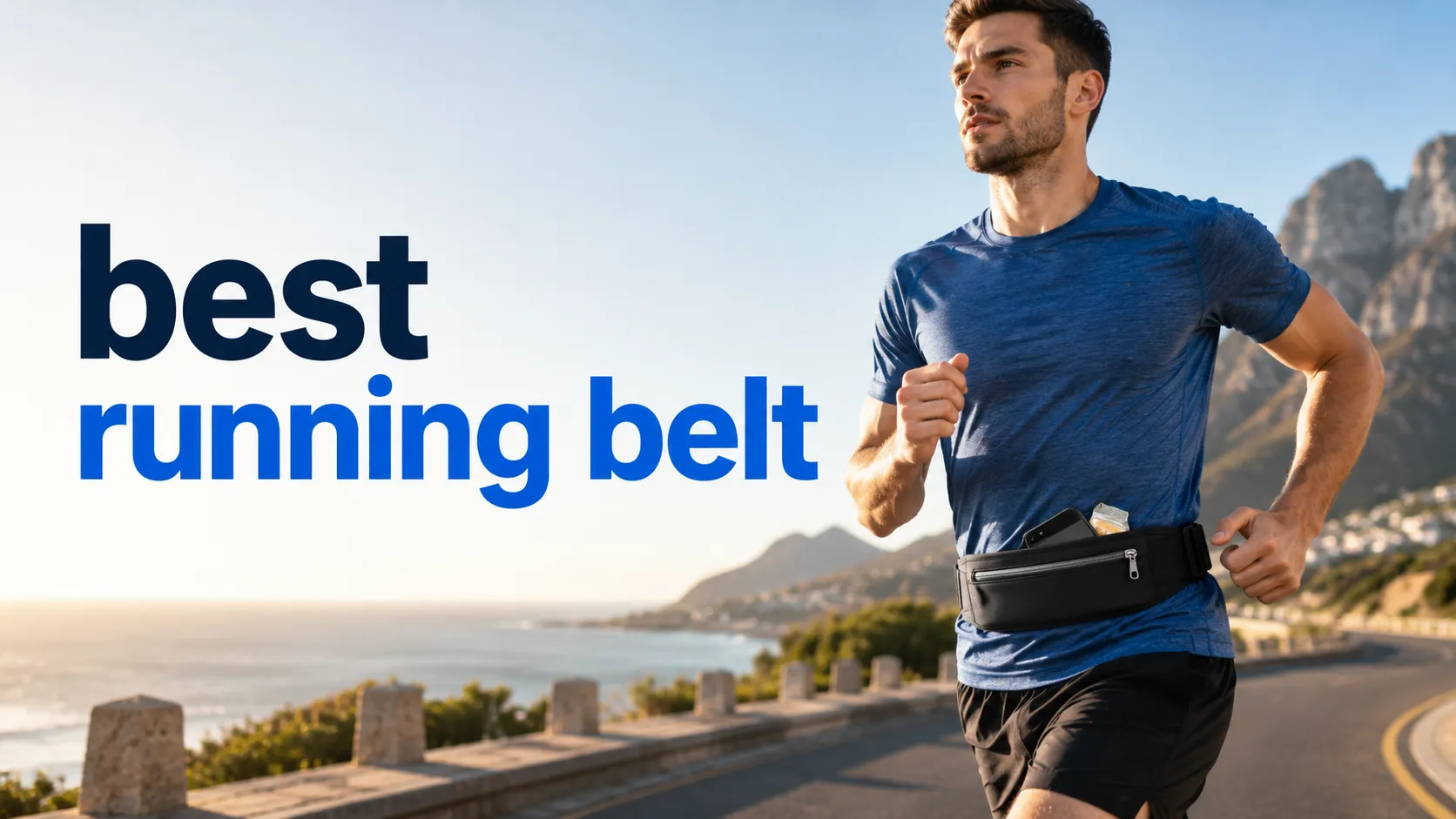
A running belt keeps essentials like keys, phone, and gels secure and out of the way while someone runs. Many runners prefer belts over backpacks or arm bands because belts sit low on the hips, reduce bounce, and let them move freely during short jogs or long training runs.
Belts vary by size, pocket layout, material, and fit. The most important thing is a snug, low-bounce fit that holds items without rubbing or shifting, since poor fit causes distraction and chafing. Other key points are phone pocket size, water carry options, and waterproofing for sweat and rain.
This article tests popular running belts for comfort, stability, storage, and durability to find the best choices for different needs and distances.
10 Best Running Belts
Below is a carefully chosen list of the best running belts. Each option balances comfort, storage, and durability to help runners carry essentials without distraction.
Fitgriff Running Belt (S-M)

It is a solid, low-profile running belt that holds a phone and small items without bouncing, making it a good choice for daily runs.
Pros
- Fits most phones and keeps items separated.
- Stays snug and does not bounce during activity.
- Lightweight with reflective strips for low-light visibility.
Cons
- Not fully waterproof in heavy rain.
- Zipper can feel tight or stiff at first.
- Small size may not suit larger waists or many items.
The belt packs a phone, keys, and cards in a slim, low-bulk design. It uses an inner pocket and a small separate compartment to reduce scratches and keep items organized.
Reviewers note the elastic strap and sturdy clip hold the belt in place while running or training. Reflective strips add a bit of safety for dawn or dusk workouts.
It works well for runners who want a lightweight pouch that disappears while moving. Those needing full waterproofing or lots of storage may want a different model.
WATERFLY Running Belt

It is a solid budget choice for runners who want a low-bounce, roomy belt that holds a phone and small essentials.
Pros
- Stays put with minimal bounce.
- Fits large phones and several small items.
- Lightweight, sweat-wicking fabric.
Cons
- Clip can feel insecure for some users.
- Zipper or seams may wear with heavy use.
- Not roomy enough for a water bottle.
This belt keeps items close to the body and stays slim under clothing. The fabric moves moisture away and the wide elastic aims to cut bounce during runs.
It offers three pockets and a dedicated headphone port, so runners can separate a phone, keys, and cards. The reflective logo adds a small safety benefit for low-light runs.
Some buyers report long life, while others saw zipper or seam wear after months. The clasp has mixed feedback, so users who worry about clips might want to fasten-test it before long outings.
FlipBelt Zipper (Medium, Black)

It is a solid choice for runners who want a low-profile, no-bounce belt that holds a phone, keys, and cards securely.
Pros
- Slim, no-bounce fit that stays flat against the body.
- Zipper pocket and openings let users separate phone, cash, and keys.
- Moisture-wicking fabric dries fast and feels soft during workouts.
Cons
- Sizing must be chosen carefully to avoid looseness or tightness.
- Larger phones may sit snugly and push the belt out if not fitted right.
- Zipper pocket adds security but can be slightly harder to access on the move.
The FlipBelt Zipper uses a tube-style design that slips on and lays flat on the hips or waist. It avoids buckles and straps, so it won’t chafe or swing while running.
It offers a zippered pouch plus three openings and an internal key hook to keep items separated. The fabric pulls moisture away and dries quickly, which helps on longer runs or in hot weather.
Buyers should check the sizing guidance: wearing position changes the fit, so choose a size based on where they plan to carry it. Overall, it works well for runners who want a tidy, low-profile way to carry essentials without extra bulk.
U·LANARO Slim Running Belt

It is a solid, no-frills running belt that holds phones securely and stays put during exercise.
Pros
- Fits most phones, even with cases.
- Stays snug with little to no bouncing.
- Water-resistant zipper and reflective strips for low-light runs.
Cons
- Single pocket limits organization.
- Might be tight for very large key fobs.
- One-size strap may feel thin for some users.
The belt uses an expandable pocket that stretches to fit large phones. People who want a light, low-profile option will like how it hides under a shirt and avoids bulk.
It claims to stay put while running thanks to an elastic, adjustable strap. The water-resistant inner layer and zipper help protect items from sweat and light rain.
Reflective strips add night visibility, but the single compartment means users must stack items together rather than separate them. It suits runners who want simplicity and a snug fit.
AIKENDO Slim Running Belt

It is a solid, low-cost running belt that holds a phone and small items with little bounce, making it a good pick for casual runners or walkers.
Pros
- Soft, close-fitting fabric that stays put.
- Water-resistant and has multiple pockets for small items.
- Fits a wide range of waist sizes with an adjustable strap.
Cons
- Not fully waterproof in heavy rain.
- Zipper durability varies between users.
- Limited space for bulky wallets or large items.
The belt lies flat against the body and keeps essentials like a phone, keys, and cards secure. It feels slim under clothes and works well for short runs, walks, or travel.
Reflective accents add visibility in low light, and a headphone hole helps when using wired earbuds. Some buyers praise the comfort and fit, while a few reported zipper or fit issues after heavy use.
Those who want a simple, inexpensive belt for everyday runs or errands will find this a practical option. It won’t replace a large pack, but it covers the basics without much bulk.
FlipBelt Classic

It is a solid choice for runners who want a no-bounce, low-profile way to carry phone, keys, and cards while exercising.
Pros
- Stays put with a smooth, even fit.
- No buckles or straps to chafe or snag.
- Multiple openings let items sit flat and accessible.
Cons
- Not water resistant in heavy rain.
- Needs correct sizing for a snug, non-bouncy fit.
- Limited zippered pockets for very small items.
The FlipBelt slips on like a tube and spreads items around the waist so they do not bounce. Runners who dislike bulky packs will appreciate the simple, flat profile.
Reflective branding adds some visibility on dim runs. The machine-washable fabric makes cleanup easy after sweaty workouts.
This belt works best for phones, keys, and cards rather than bulky gear or large water bottles. Buyers should pick the size that fits snugly to avoid movement during long runs.
SPIbelt Original
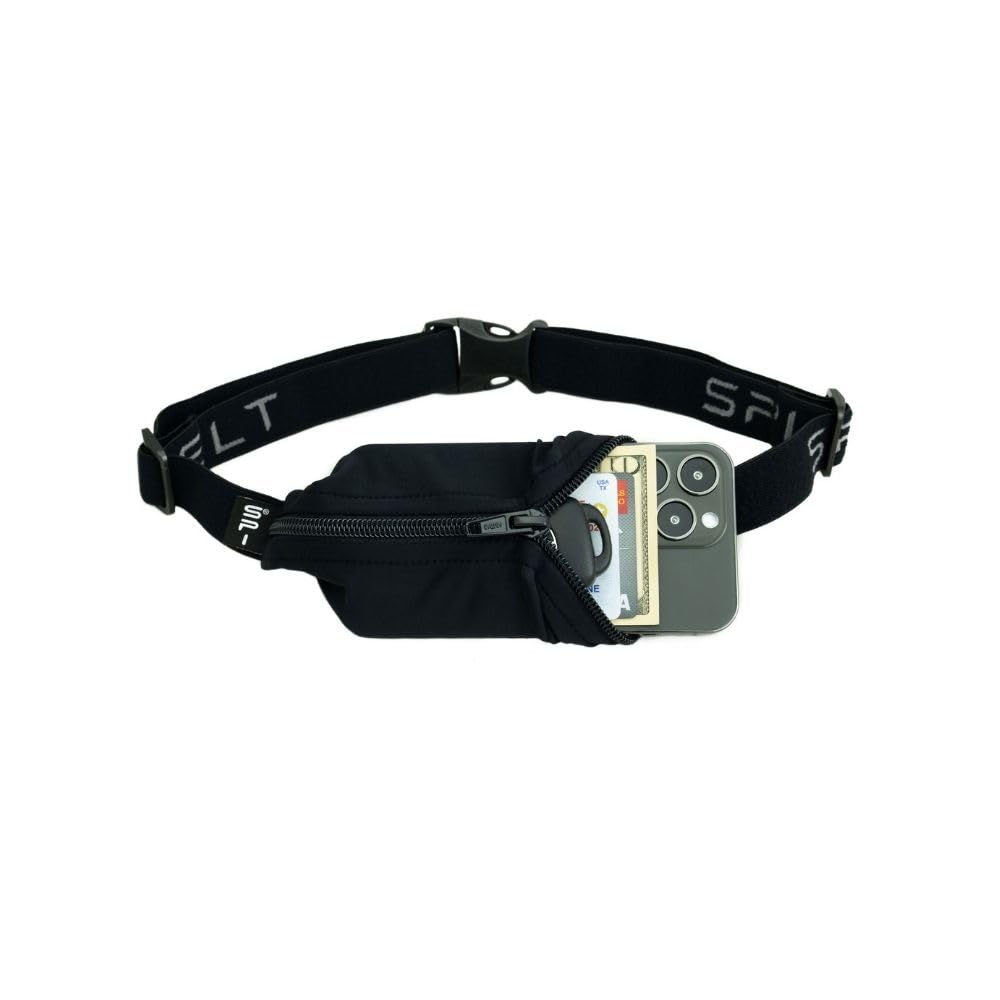
The SPIbelt Original is a solid choice for runners who want a simple, no-bounce way to carry a phone and a few small items.
Pros
- Expands to hold most phones without bouncing.
- Thin, low-profile fit that stays put during movement.
- Lightweight and easy to adjust.
Cons
- Only one pocket, so items must be stacked.
- Elastic material can feel flimsy to some users.
- Not fully waterproof in heavy rain.
The pocket stretches to fit many phone models, even with cases, and it keeps items close to the body so they do not shift while running. It works well for short to medium runs and for daily walks.
The strap adjusts across a wide range of waist sizes and sits flat against the skin to reduce chafing. Users should note the single compartment means keys, cards, and phone share the same space.
The design stays simple and focused on running use rather than multi-pocket storage. For someone who wants a lightweight, reliable belt to hold a phone without bounce, this is a practical pick.
WATERFLY Running Belt
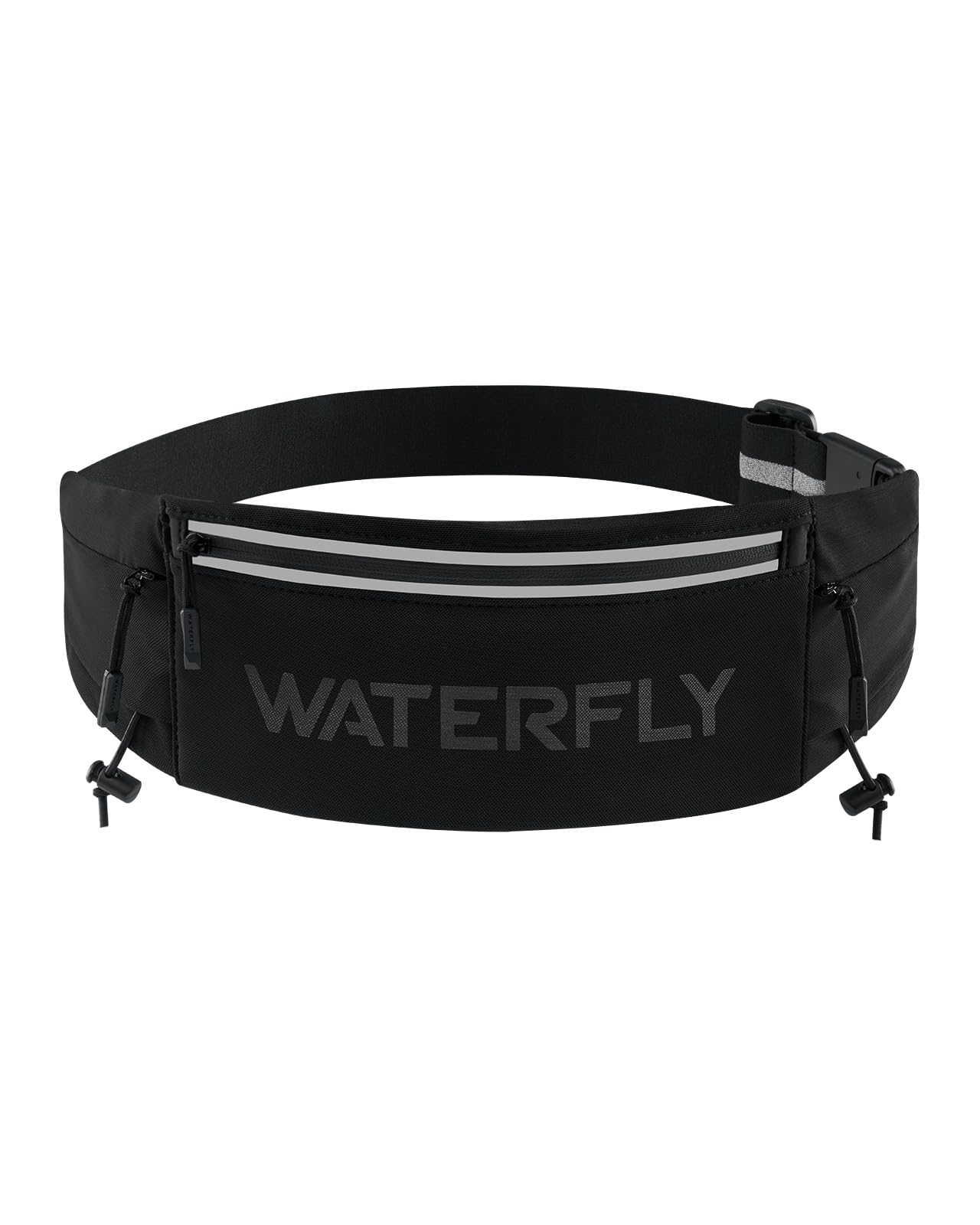
It is a solid, breathable running belt with three pockets that fits large phones and cuts down bounce for most runners.
Pros
- Breathable mesh keeps skin drier.
- Three pockets help keep items organized.
- Elastic strap fits snugly and reduces bounce.
Cons
- May feel bulky for very small waists.
- Not fully waterproof in heavy rain.
- Phone pocket can be tight with thick cases.
The WATERFLY belt focuses on comfort and organization. Its mesh panels dry fast and the soft backing helps reduce chafing on longer runs.
It offers a main phone pocket plus two zippered mesh pockets for gels, keys, and earphones. The included bib clip and reflective strips help for races and low-light runs.
The elastic, adjustable strap aims to keep the pack stable and limit bounce during movement. For those who carry a large phone and a few small items, it provides useful storage without heavy bulk.
StashBandz No-Bounce Belt
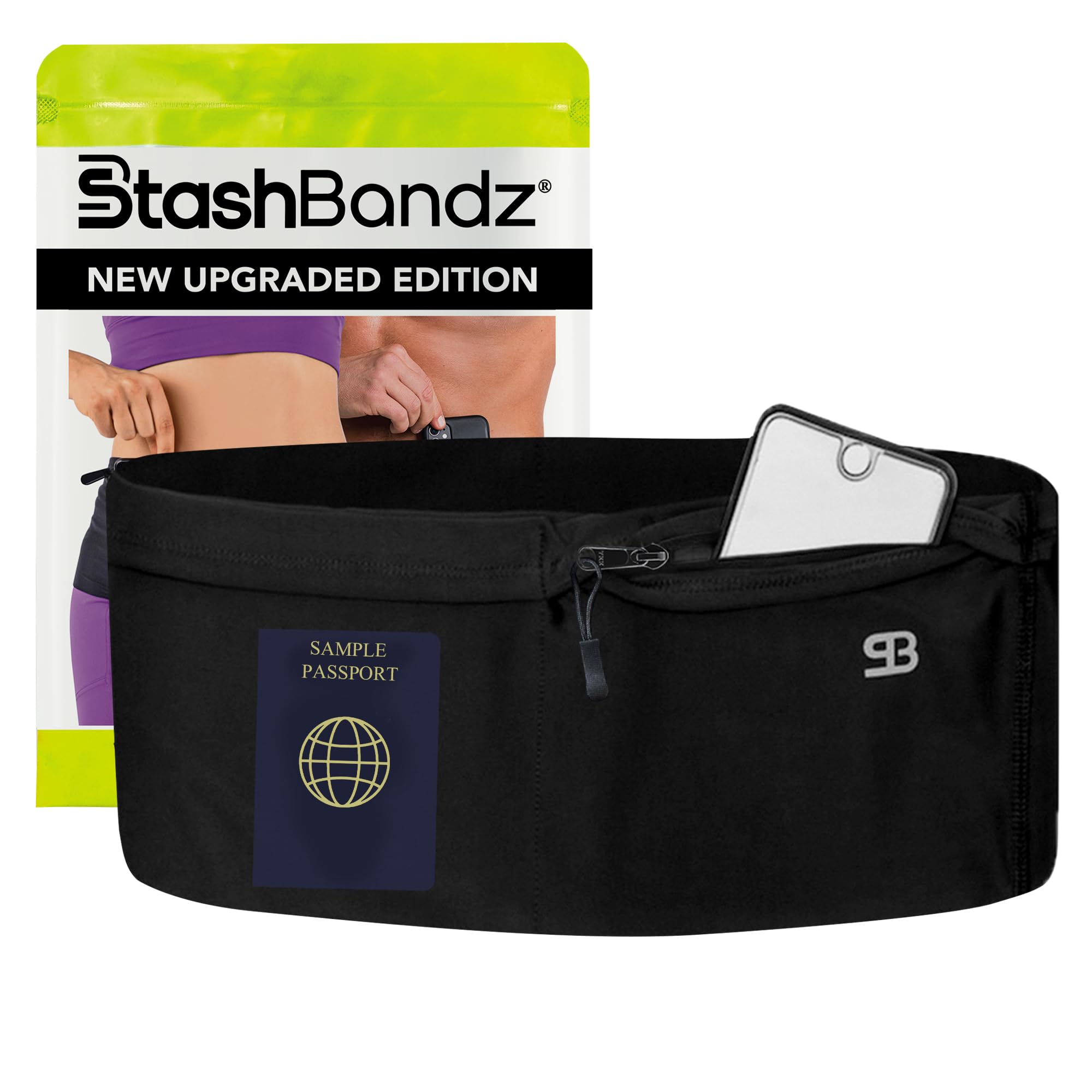
It is a solid choice for runners and travelers who want a low-profile, no-bounce way to carry a phone and essentials.
Pros
- Holds more than most slim belts without feeling bulky.
- Stays put during movement thanks to grippers and snug fit.
- Quick top-loading pockets for fast access.
Cons
- Only comes in black for the upgraded edition.
- Some users find the fabric thin or a bit slippery.
- Larger phones may crowd multiple pockets.
The belt uses a double-wide, tubular design with four separate pockets so items sit flat against the body. That helps hide the phone under clothing and keeps the silhouette smooth.
It targets active people and travelers who prefer hands-free carry without a bulky bag. The anti-theft zipper and multiple pockets let someone separate cards, cash, and a phone for easier access.
Not everyone will like the feel; a few buyers describe it as thin or slippery. Still, many praise its secure fit and how it reduces bounce during runs.
AiRunTech Hydration Belt

It is a solid choice for runners who want a low-cost belt that holds two small bottles and a phone without much bounce.
Pros
- Secure fit that reduces slipping during movement
- Includes two small, easy-drink bottles with push-pull nozzles
- Several pockets for phone and small items
Cons
- Bottle size is small for long runs or hot days
- Velcro strap may be overly long for some users
- Phone pocket could be deeper for very large phones
The neoprene build feels durable and resists light moisture, so it should handle sweat and light rain. The contoured grips and anti-slip tape aim to keep the belt steady low on the hips.
Two 10 oz bottles work well for short to medium runs and race aid stations. The push-pull nozzles let someone sip without removing a cap, which helps on-the-move hydration.
Multiple pockets fit a phone, cards, keys, and gel packs, and there is a headphone port and reflective tab for night visibility. Some buyers may need to trim the strap for a neater fit, and larger runners should check the max waist size before buying.
Buying Guide
Choose a belt that fits the intended runs and body size. It should sit snugly without bouncing. Look for adjustable straps and multiple sizes.
Consider capacity and pocket layout. A main pocket should hold a phone and keys. Smaller zippered pockets help secure cards and gels.
Check material and build quality. Water-resistant fabric protects items from sweat and light rain. Seam strength and zipper quality affect durability.
Think about comfort and stability. Wide, padded straps reduce pressure. Elastic or silicone grippers help stop the belt from sliding.
Assess visibility and safety features. Reflective trim improves night visibility. A loop or clip for a light adds extra safety.
Look at added features that matter to the runner. Earbud ports, headphone loops, or insulated pockets can be useful. Removable pouches add versatility.
Compare weight and pack profile. Low-profile designs sit closer to the body and feel lighter. Lightweight materials reduce fatigue on long runs.
Use a simple checklist when deciding:
- Fit: adjustable, no bounce
- Capacity: holds essentials without bulk
- Comfort: padding, width, grippers
- Durability: strong seams, good zippers
- Weather resistance: water-resistant fabric
- Safety: reflectivity, light attachment
Try the belt with typical gear before buying if possible. That ensures the fit and pockets work for the runner’s needs.
Editor’s Choice
The editor selects a running belt that balances comfort, storage, and durability. It fits snugly without bouncing and holds phone, keys, and a small water bottle.
It uses a wide, padded strap to spread pressure and reduce chafing. The zipper pocket is water-resistant and keeps items secure during sweaty runs.
It offers easy adjustability with a simple clip and extra strap length for layering over clothes. The materials resist odor and dry quickly after wash.
Key features at a glance:
- Comfort: wide strap, low profile
- Storage: multiple pockets, phone sleeve
- Durability: strong fabric, reinforced seams
- Weather: water-resistant zippers, quick-dry fabric
They tested it on short runs and long training days. It performed well in heat and light rain, keeping items stable and accessible.
FAQS
What should a runner look for in a belt?
They should check fit, capacity, and material. A snug fit that does not bounce matters most. Water-resistant fabric and a secure zipper help protect items.
Can a running belt hold a phone and keys?
Yes. Many belts fit standard smartphones and small items like keys or cards. Look at product dimensions and pocket layout before buying.
How tight should the belt be?
It should be snug but not restrictive. The belt must stay in place while breathing and moving. Adjust straps or choose a different size if it shifts.
Are hydration belts worth it?
They help on long runs when aid stations are sparse. They add weight and bulk, so choose based on distance and personal comfort.
How to clean a running belt?
Hand wash with mild soap and air dry for best results. Check the manufacturer’s care label for specific instructions.
Can someone run with valuables safely?
Yes, if the belt has secure pockets and zippers. Some belts include RFID-blocking or hidden compartments for extra security.
Does belt placement matter?
Yes. Placing it low on the hips reduces bounce for many runners. They should test placement on a short run before long workouts.
What about sizing and returns?
Measure waist or hips where the belt will sit. Review the seller’s return policy in case the fit or pockets don’t work as expected.
Conclusion
A good running belt improves comfort and makes runs easier. It keeps items secure without bouncing and lets runners focus on pace and form.
Choose a belt that matches activity and body type. Lightweight options work for short runs, while larger, padded belts suit long distances or carrying phones and snacks.
Fit and stability matter most. Belts with adjustable straps, low-profile pockets, and breathable materials fit better and reduce chafing.
Durability and water resistance affect long-term value. A well-made belt resists sweat and light rain and holds up through repeated use.
Budget and features should balance. Pricier belts add comfort or tech pockets, but many affordable belts cover the basics well.
They should check return policies and try belts during a short run. Testing fit and pocket access helps avoid problems on long runs.
Quick buying checklist:
- Size and fit verified
- Enough pockets for essentials
- Lightweight and low-bounce design
- Water-resistant materials
- Comfortable for intended run length
A well-chosen belt becomes part of the runner’s routine. It can make carrying essentials simple and keep focus on running.
