Choose an XC helmet for lighter weight and airflow, or a trail helmet for more coverage and confidence on technical terrain. The best helmet is the one that fits securely, meets the right safety standard, and matches your usual riding conditions.
Choosing the best mountain bike helmet for trail and XC riding comes down to fit, coverage, ventilation, and certified protection. Trail riders usually want a little more coverage and visor versatility, while XC riders often prioritize low weight, airflow, and all-day comfort.
- Fit first: A certified helmet only works well if it sits level and stays stable on.
- XC vs. trail: XC favors airflow and low weight; trail favors coverage and versatility.
- Check standards: Verify the exact certification on the model you buy, not just the marketing copy.
- Inspect often: Replace helmets after major impacts or visible damage.
Best Mountain Bike Helmets for Trail and XC Riding: What to Choose in 2025
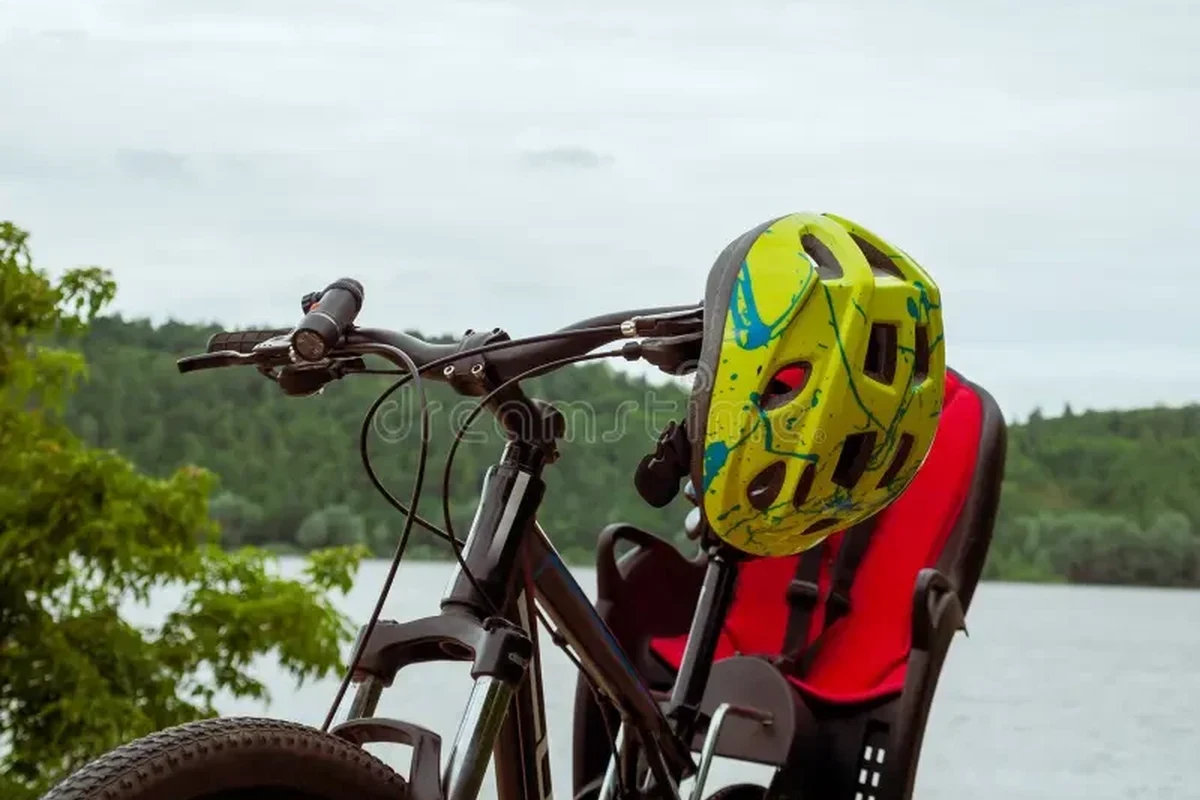
Quick answer: the best helmet type for trail vs. XC riders
If you ride mostly fast, smooth cross-country routes, a lightweight XC helmet with excellent ventilation is usually the best match. If your rides include steeper descents, rougher terrain, or mixed trail conditions, a trail helmet with more coverage and a visor is often the smarter choice.
What this guide covers and how to use it
This guide explains how mountain bike helmets protect you, what safety standards matter, and how to match helmet design to your riding style. It is written to help you narrow the field before comparing specific models, since the right choice depends on head shape, fit, climate, and where you ride.
For helmet shopping, the best-looking option is not always the best one. Start with certified protection and fit, then decide whether you need XC efficiency or trail-focused coverage.
How Mountain Bike Helmets Work and What Protection They Provide
Impact absorption, coverage zones, and ventilation trade-offs
Most mountain bike helmets use an EPS foam liner that compresses in a crash to help absorb energy. More coverage can improve protection around the back and sides of the head, but extra coverage often means more weight and less airflow.
That trade-off matters on climbs, hot days, and long rides. XC helmets usually lean toward maximum ventilation, while trail helmets often accept a small heat penalty in exchange for more confidence on technical terrain.
What helmets can and cannot protect against
A helmet can reduce the risk of certain head injuries, but it cannot guarantee protection in every crash. It also does not protect the face, neck, collarbone, or other parts of the body, and it cannot make up for poor bike handling or risky trail choices.
Always replace a helmet after a significant impact or if the manufacturer says it should be retired. Hidden damage may not be visible from the outside.
How trail and XC riding change the protection needs
XC riding often involves sustained pedaling, frequent climbing, and higher focus on cooling and weight savings. Trail riding usually includes more technical descents, slower-speed tip-overs, and more chances for side or rear head contact, which is why many riders prefer a bit more coverage.
Your needs also change with season and terrain. A dry summer race loop may favor a highly ventilated helmet, while shoulder-season trail riding may call for better coverage and a more secure, confidence-inspiring fit.
Key Safety Standards and Fit Checks to Verify Before You Buy
Standards to look for in 2025: CPSC, ASTM, and MIPS or similar systems
For the U.S. market, look for the current CPSC bicycle helmet standard. Some mountain bike helmets may also reference ASTM standards or additional rotational-impact systems such as MIPS or similar brand-specific technologies; check the exact model’s certification and manufacturer documentation before buying.
Standards and technologies are not interchangeable. A helmet should be evaluated by its actual certification label, construction, and intended use, not by marketing language alone.
Fit essentials: shell shape, retention dial, strap placement, and pressure points
The best helmet on paper is the wrong helmet if it does not match your head shape. You want even contact around the head, a retention system that holds the helmet steady, and straps that sit comfortably without pinching near the ears or jaw.
Pressure points are a warning sign. If the helmet creates hotspots in the forehead, temples, or back of the head, it may be the wrong shape even if the size seems correct.
How to size a mountain bike helmet correctly
Use a soft tape measure around the widest part of your head, usually just above the eyebrows and ears.
Helmet sizing varies by brand and model, so use the chart for the exact helmet you are considering.
The helmet should sit level, stay put when you shake your head, and not slide into your eyes or tilt backward.
Common fit mistakes that reduce safety and comfort
- Try the helmet with the straps adjusted and the retention dial set before judging fit.
- Check compatibility with sunglasses or prescription glasses if you ride with them.
- Buying a helmet because it looks fast or matches your bike.
- Ignoring forehead pressure, ear strap irritation, or a loose rear cradle.
Trail vs. XC Helmets: Which Design Matches Your Riding Style?
XC priorities: low weight, airflow, and long-ride comfort
XC helmets are usually built for efficiency. They often feel lighter, breathe better, and disappear on the head during long rides, which can matter more than extra coverage when the route is mostly smooth and pedaling-heavy.
Trail priorities: more coverage, visor use, and all-day confidence
Trail helmets typically offer more rear and side coverage, a more substantial feel, and a visor that can help with sun, brush, or light rain. Some also pair better with goggles or larger eyewear, which is useful for riders who split time between trail centers and more aggressive descents.
Choosing based on terrain, speed, weather, and riding season
Think about the ride you do most often, not the ride you wish you did every weekend. If your local terrain is steep, rooty, rocky, or wet, a trail helmet may be the better everyday choice; if your rides are mostly fast, dry, and climbing-focused, XC may make more sense.
Top Evaluation Criteria for the Best Mountain Bike Helmets for Trail and XC Riding
Ventilation and heat management on climbs and in warm weather
Ventilation matters most when you are climbing, riding in humidity, or spending long periods in the saddle. More vents can help, but vent design, internal channeling, and pad layout also affect how well a helmet manages heat.
Weight, comfort, and long-distance fatigue
Low weight can reduce neck fatigue and make a helmet feel more natural over long rides. Still, comfort is not just about grams; padding, balance, and how the helmet carries on your head often matter more than the number on a spec sheet.
Coverage, visor adjustability, and goggle compatibility
Trail riders should look closely at how much the helmet covers the back of the head and whether the visor can be positioned without blocking vision. If you wear goggles or larger sunglasses, check that the helmet and eyewear work together without pressure or gaps.
Retention systems, strap quality, and stability on rough descents
A good retention system should keep the helmet centered when the trail gets rough. Strap webbing should feel secure without twisting, and the buckle should be easy to operate with gloves or cold fingers.
Before buying online, compare the helmet’s return policy with the brand’s sizing chart. Fit is highly model-specific, and a generous return window can be more valuable than a small feature difference.
Value for money: where premium features matter and where they do not
Premium helmets may offer lighter materials, better cooling, more refined fit systems, or added comfort features. Those upgrades matter most for frequent riders, hot climates, and long days in the saddle; casual riders may be better served by a certified helmet that fits well and meets their terrain needs.
Best Use Cases and Ideal Rider Profiles
Best for XC racers and fitness riders
Best for riders who value airflow, low weight, and efficient pedaling comfort on longer climbs and race-style routes. The main trade-off is usually less coverage than a trail-focused helmet.
Choose this if your XC rides sometimes include rough descents or mixed terrain and you want a bit more confidence without moving to a full trail lid.
Best for trail riders and mixed-terrain adventures
Trail riders often benefit most from a helmet that balances coverage, ventilation, and visor usefulness. If your rides include technical features, rock gardens, or longer descents, a trail helmet is usually the more versatile choice.
Best for budget-conscious buyers
Budget shoppers should focus on certification, fit, and comfort before extras. A simpler helmet that fits correctly and meets the right standard is usually a better buy than a feature-rich model that sits poorly on the head.
Best for riders prioritizing comfort, cooling, or stronger coverage
If you run hot, ride in summer, or do long endurance days, prioritize ventilation and good internal padding. If you ride more aggressively or want extra reassurance on technical trails, prioritize coverage and stability over the lightest possible shell.
| Option | Best For | Key Consideration |
|---|---|---|
| XC helmet | Fast, pedaling-heavy rides | Usually lighter and cooler, but often with less coverage |
| Trail helmet | Technical and mixed terrain | More coverage and confidence, with a possible airflow trade-off |
| Budget certified helmet | Value-focused buyers | Fit and certification matter more than premium extras |
Limitations, Evidence Gaps, and Common Buying Mistakes
Why no helmet is fully impact-proof
Helmets are designed to reduce risk, not eliminate it. Crash severity, angle, speed, and impact location all affect how much protection a helmet can provide, and no model can guarantee a specific outcome.
Overlooking fit, head shape, and compatibility with sunglasses or glasses
One of the biggest buying mistakes is assuming size alone equals fit. Head shape, strap routing, and eyewear compatibility can make a helmet feel great or miserable, even when the sizing label looks right.
Choosing style over certified protection
Some helmets look aggressive but may not be the best match for your actual riding. Prioritize certification, fit, and intended use first, then choose the style that works after those basics are covered.
Relying on marketing claims instead of standards and construction details
Marketing can highlight airflow, lightweight materials, or impact systems, but the real questions are whether the helmet is certified, how it fits, and whether the design matches your terrain. If a product page is vague, check the official manual and manufacturer specifications before purchasing.
If a helmet has visible cracks, crushed foam, loose straps, or a damaged buckle, stop using it and follow the manufacturer’s replacement guidance.
Care, Storage, Inspection, and Replacement Guidance
How to inspect for cracks, crushed foam, strap wear, and buckle damage
Inspect the shell, liner, straps, buckle, and retention system regularly. Even small signs of wear can matter if they affect how the helmet sits or stays secured on your head.
When to replace after a crash or visible damage
Replace the helmet after any significant impact, even if the outside looks fine, unless the manufacturer explicitly says otherwise for a specific situation. Also replace it if the fit system no longer holds tension or if the shell and foam show damage.
Cleaning, drying, and storing helmets to preserve materials
Clean with mild soap and water, then let the helmet air-dry completely before storing it. Avoid harsh solvents, high heat, or long-term storage in places that get very hot, like a closed car or direct sun on a shelf.
After sweaty rides, remove pads if the manufacturer allows it and let everything dry separately. This helps reduce odor and keeps moisture from sitting in the helmet.
How sweat, sun, and age affect helmet performance over time
Over time, sweat, UV exposure, and general aging can degrade foam, straps, and plastics. Even without a crash, helmets should be replaced according to the manufacturer’s guidance or if they show signs of wear that affect fit or integrity.
Final Recommendation: How to Choose the Right Helmet for Your Trail or XC Riding
Best overall approach based on budget, fit, and riding conditions
The best mountain bike helmet for trail and XC riding is the one that fits your head securely, meets the right safety standard, and matches the terrain you ride most. For XC, lean toward light weight and ventilation; for trail, lean toward coverage, stability, and visor usefulness.
Transparent verdict and practical next step for buyers
Start by narrowing your choice to certified helmets in the correct size range, then compare fit, ventilation, and coverage in the exact model you plan to buy. If you are between two options, choose the one that feels more stable and comfortable on your head, because that is the helmet you are most likely to wear consistently.
For most riders, the best choice is a helmet that balances certified protection, a secure fit, and the right amount of ventilation for your local terrain. XC riders should favor lighter, cooler designs, while trail riders usually benefit from extra coverage and a more confidence-inspiring shape.
Common Questions
A lightweight, well-ventilated XC helmet is usually the best fit for long climbs and fast pedaling. Make sure it still meets the right safety standard and fits your head shape well.
A trail helmet with more coverage and a visor is often the better choice. It is especially useful on rougher terrain and longer descents.
It can be a useful feature, but it is not a substitute for fit or certification. Check the exact model details and compare the full helmet design.
No, not if it makes the helmet loose. A correct fit should feel snug and stable without pressure points.
Only if the manufacturer says it is still safe, which is uncommon after a significant impact. When in doubt, replace it.
Frequently Asked Questions
It should sit level, feel snug all around, and stay in place when you shake your head. The straps should be comfortable and not rub your ears or jaw.
Check for the current CPSC bicycle helmet standard in the U.S. Some models may also list ASTM standards or rotational-impact systems such as MIPS or similar technologies.
Replace it after a significant crash, visible damage, or if the fit system no longer works properly. Also follow the manufacturer’s age and wear guidance.
A helmet can reduce some crash risk, but it cannot prevent every injury. It does not protect all parts of the body and cannot make up for unsafe riding conditions.
Confirm the size chart, safety certification, return policy, and compatibility with your eyewear. It is also smart to check the official product specs and warranty terms.
XC helmets usually prioritize low weight and airflow. Trail helmets usually prioritize more coverage and a more confidence-inspiring shape for technical riding.