Walking pads are worth it if you want an easy way to walk more at home without taking up much space. They are less worth it if you need running, incline training, or a bigger, more cushioned treadmill.
Walking pads can be worth it if your main goal is to add more low-impact movement at home without giving up much floor space. They are usually best for people who want a simple way to walk while working, watching TV, or easing into a more consistent routine.
- Best fit: Remote workers, apartment users, and beginners usually get the most value.
- Biggest trade-off: Compact size often means less deck room, lower speed, and less cushioning.
- Most important specs: Check footprint, weight capacity, speed range, noise, and warranty before buying.
- Safety matters: Use a stable surface, follow the manual, and stop if you notice damage or.
Are Walking Pads Worth It? Quick Answer for 2026
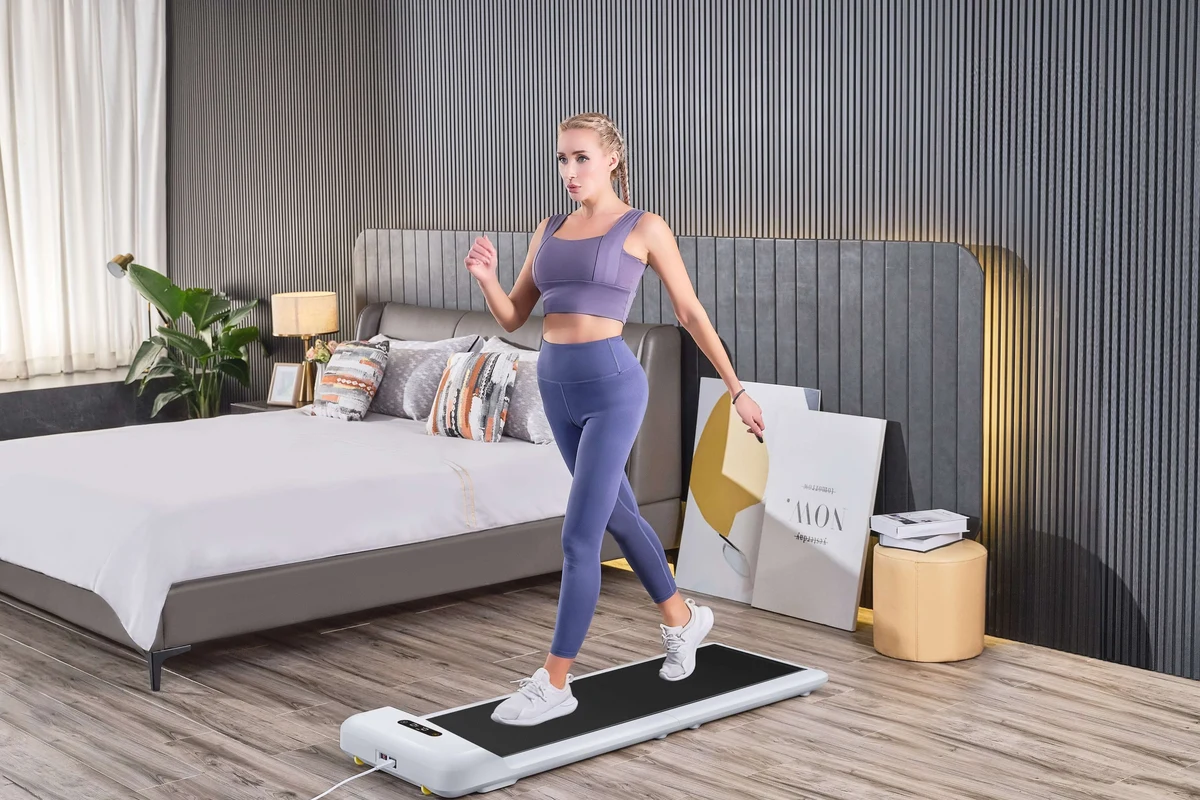
Yes, for the right buyer. A walking pad is worth it when you value compact storage, quiet enough indoor walking, and convenience more than top speed, running features, or a gym-style deck.
They are less compelling if you want a machine for jogging, frequent high-speed workouts, or long daily sessions with a bigger stride and more cushioning. In that case, a full treadmill is usually the better fit.
What a Walking Pad Is and How It Works
A walking pad is a slim treadmill designed primarily for walking, often with a low profile that slides under a bed, sofa, or desk area. Most models use a motorized belt, a basic speed range, and either a remote control, app control, or both.
Motor, belt, speed range, and remote/app controls
The motor turns the belt at a controlled pace so you can walk hands-free. Manufacturers often list speed limits, deck size, weight capacity, and noise claims, but those details vary widely by model and should be checked before buying.
Look at the speed range first, then compare it with your real use case. A walking pad that feels fine for casual desk walking may feel too limited if you want brisk walking intervals.
How walking pads differ from treadmills and under-desk treadmills
The terms overlap, but the category usually matters more than the label. Many walking pads are compact, foldable, and built for walking only, while traditional treadmills are larger, heavier, and better suited to higher speeds and longer sessions.
Some products marketed as under-desk treadmills are essentially walking pads with a desk-friendly profile. The important difference is not the marketing term but whether the machine is stable, quiet, and sized for your stride and space.
Who a Walking Pad Is Best For
Walking pads tend to shine when convenience is the biggest barrier to movement. If the machine is easy to store and easy to start using, you are more likely to walk regularly than with a larger setup that stays in the way.
Remote workers, apartment users, and low-impact fitness beginners
Remote workers often like walking pads because they can fit into a home office without dominating the room. Apartment users may also appreciate the smaller footprint, though shared-wall noise and floor vibration still matter.
Beginners who want a gentle entry point into indoor walking may find them less intimidating than a full treadmill. They can also be useful for people who prefer low-impact movement and want a machine that is simple to store after use.
Who may be better off with a full treadmill instead
If you want to train for running, use incline often, or walk at a fast pace for long periods, a full treadmill is usually the better investment. Bigger decks, stronger frames, and more robust motors generally support a wider range of workouts.
Heavier users, taller walkers with a long stride, and anyone who wants more cushioning may also prefer a standard treadmill. The extra size can be worth it if comfort and stability matter more than storage.
Often a good fit if you want simple, low-pressure walking and easy storage.
Good if you mainly want steady walking, but check durability and deck comfort.
Usually not enough if you want speed, incline, or running-style training.
Key Specs and Buying Criteria to Check Before You Buy
Because walking pads vary so much, the best model is the one that matches your space, stride, and routine. Manufacturer specs and the owner’s manual matter more here than broad category reviews.
Dimensions, folded height, and storage footprint
Measure the space where the machine will live, not just where you plan to walk. Check the folded height if you want to slide it under furniture, and confirm whether the handle, wheels, or cord add extra bulk.
- Confirm the folded and unfolded dimensions
- Measure the storage location, doorway, and desk clearance
- Check whether the cord and remote have a safe place to stay
Weight capacity, stability, and deck size
Weight capacity is only one part of the picture. Stability depends on frame design, base width, deck length, and how the machine behaves at your walking pace.
Deck size matters more than many shoppers expect, especially if you have a longer stride or plan to use the machine for extended sessions. A narrow or short belt can feel cramped even when the listed capacity looks adequate.
Speed limits, motor power, noise level, and incline options
Speed limit is a major deciding factor because many walking pads are built for walking only, not jogging. Motor power and noise can affect how smooth the belt feels and how suitable the machine is for shared living spaces.
Noise claims are not standardized across brands, so compare them cautiously. Room acoustics, flooring, and walking pace can make the same model sound different in different homes.
Incline options are less common on compact walking pads. If incline is important to your routine, verify whether it is manual, automatic, or absent entirely before you buy.
Build quality, warranty, and app compatibility
Build quality is hard to judge from photos alone, so look for clear materials descriptions, user weight limits, and warranty terms from the manufacturer. A stronger warranty does not guarantee better performance, but it can matter if the motor, belt, or electronics fail early.
App compatibility is useful only if you will actually use it. Some buyers are happier with a simple remote, while others want tracking, workout history, or speed controls from a phone.
- Compare the walking surface, not just the machine’s outer dimensions.
- Read the manual before purchase if it is available online.
- Check return policy and warranty terms before assuming a model is low-risk.
Real-World Benefits and Limitations of Walking Pads
Walking pads are popular because they make walking easier to fit into daily life. That convenience is often the real value, more than any single feature on the spec sheet.
Health, productivity, and consistency benefits
The biggest benefit is often consistency. If a machine is easy to access, easy to store, and easy to start, it may help you build a more regular walking habit.
They can also support light movement during long workdays, which many people find helpful for breaking up sitting time. Some users like the productivity angle too, since walking and low-focus tasks can sometimes coexist better than a full workout session.
Common trade-offs: shorter stride, lower top speed, and less cushioning
The main downside is compromise. A compact deck can feel restrictive, a lower top speed can limit workout variety, and thinner decks may feel firmer than larger treadmills.
- Small footprint and easy storage
- Good for casual walking and desk use
- Often simpler to set up than a full treadmill
- Usually not ideal for running
- May feel less stable or cushioned than a treadmill
- Some models are noisy or limited in speed
Evidence limits and why results depend on routine
Walking pads are tools, not guarantees. Any benefit depends on how often you use the machine, how long you walk, and whether the setup fits your schedule well enough to become a habit.
It is also important not to overread marketing claims. A walking pad can support more movement, but it does not automatically produce a specific health outcome, and results vary by person and routine.
How to Use a Walking Pad Safely and Effectively
Safe use starts with the manual, the floor surface, and realistic expectations. A walking pad should feel stable before you add a desk, a laptop, or any other distraction.
Setup, placement, and surface stability
Place the machine on a flat, stable surface and confirm there is enough clearance around it. If the floor is uneven, slippery, or soft, the pad may shift or vibrate more than expected.
Do not use a walking pad on an unstable surface or in a way that blocks emergency access, cords, or exits. Follow the manufacturer’s setup and load-limit guidance exactly.
Safe progression for beginners and desk-walkers
Start with short sessions and a comfortable pace. For desk-walking, it is usually smarter to begin conservatively and increase time only after you are confident you can maintain balance and attention.
Use the manual, check the belt area, and make sure the pad sits flat before turning it on.
Walk first, then increase duration before increasing speed.
Consistency matters more than trying to make a walking pad act like a running machine.
Posture, footwear, and pace guidelines
Wear supportive footwear and keep your posture relaxed but upright. Avoid leaning heavily on a desk or gripping the handrails in a way that changes your natural gait.
Choose a pace that lets you stay controlled and aware of your surroundings. If you are using it while working, the goal is usually steady movement, not maximum speed.
Common mistakes to avoid
Common mistakes include buying too small a deck, ignoring noise levels, and assuming every compact model is suitable for long sessions. Another frequent issue is placing the machine where it is hard to store safely, which can reduce how often you use it.
- Check the manual and manufacturer limits first
- Use a stable floor and clear walking zone
- Increase use gradually
- Using it as a running machine unless the model is designed for that
- Ignoring belt alignment or unusual noises
- Assuming app features matter more than fit and stability
Maintenance, Storage, and Troubleshooting
Maintenance is usually simple, but it matters. Small issues like dust buildup, belt drift, or poor storage can affect performance and shorten useful life.
Cleaning the belt, checking alignment, and lubrication basics
Follow the manufacturer’s cleaning and lubrication instructions, because some belts and decks have specific requirements. If the belt drifts, squeals, or feels uneven, stop and consult the manual before continuing to use it.
Stop using the machine if you notice damage, burning smells, repeated shutdowns, or exposed electrical problems. Refer to the manufacturer’s service guidance.
Storage tips for small spaces and long-term durability
Store the walking pad where it will not be knocked over, pinched by furniture, or exposed to moisture. If it has transport wheels, move it carefully and avoid dragging it in a way that stresses the frame.
For long-term durability, keep the cord, remote, and accessories organized so they do not get damaged in storage. A machine that is easy to put away is more likely to stay in regular use.
Noise, slipping, overheating, and connectivity issues
If the machine is louder than expected, first check the floor, belt condition, and load placement rather than assuming the motor is failing. If the belt slips or the pad overheats, stop using it and review the manual.
App and Bluetooth issues are often less important than mechanical ones, but they can still be frustrating. If connectivity is unreliable, a simple remote-based setup may be more practical for daily use.
Final Verdict: Are Walking Pads Worth It for Your Budget and Space?
Walking pads are worth it when compact storage, convenience, and low-impact walking matter more than workout variety. They make the most sense for people who want a realistic way to walk more often at home without dedicating a whole room to fitness equipment.
Best-value user profiles and when to skip one
The best value usually goes to remote workers, apartment dwellers, and beginners who want a simple walking habit. Skip one if you need a machine for running, high speeds, incline training, or long-stride comfort.
Transparent recommendation for 2026 buyers
For 2026 buyers, the smartest approach is to compare footprint, deck size, noise, and warranty before looking at extras like app features. If a model fits your space, your stride, and your routine, a walking pad can be a genuinely useful home fitness purchase; if not, a full treadmill is the safer long-term choice.
Walking pads are worth it for buyers who prioritize convenience and walking over speed and performance. Choose a full treadmill instead if you need more stability, cushioning, or training range.
Frequently Asked Questions
Remote workers, apartment dwellers, and beginners often get the most value. They are a strong fit when convenience and storage matter more than speed or running features.
Check deck size, folded footprint, weight capacity, speed range, noise, and warranty first. App features are secondary unless you know you will use them.
Stability depends on the frame, deck size, floor surface, and how you use the machine. A compact model can work well for walking, but it should match your stride and intended pace.
Most need basic cleaning, belt checks, and occasional lubrication if the manual calls for it. Stop using the machine if you notice unusual noise, slipping, or overheating.
It can replace a treadmill for casual walking and desk movement, but not for everyone. If you want jogging, incline work, or a larger deck, a full treadmill is usually better.
Confirm the manufacturer specs, return policy, warranty terms, and current manual. If safety notices or recalls apply, verify those before purchase or use.