The right anti theft e-bike lock size depends on your bike’s frame, accessories, and the anchor points you actually use. Choose the smallest lock that still secures the frame properly and is easy enough to carry every day.
Choosing the right anti theft e-bike lock size is less about picking the biggest lock and more about matching the lock to your frame, parking spot, and daily routine. The best size is the one that secures your bike to a fixed object without leaving so much slack or extra space that thieves get an easier target.
- Fit first: Measure your bike and parking spot before comparing lock length or internal clearance.
- Security matters: Thickness, material quality, and locking design matter as much as size.
- Daily use counts: A lock that is too heavy or awkward often gets used less consistently.
- Bike setup changes fit: Batteries, racks, fenders, and wide tires can change the size you need.
Anti Theft E-bike Lock Size Guide: The Right Size Depends on Your Bike, Parking Spot, and Lock Type
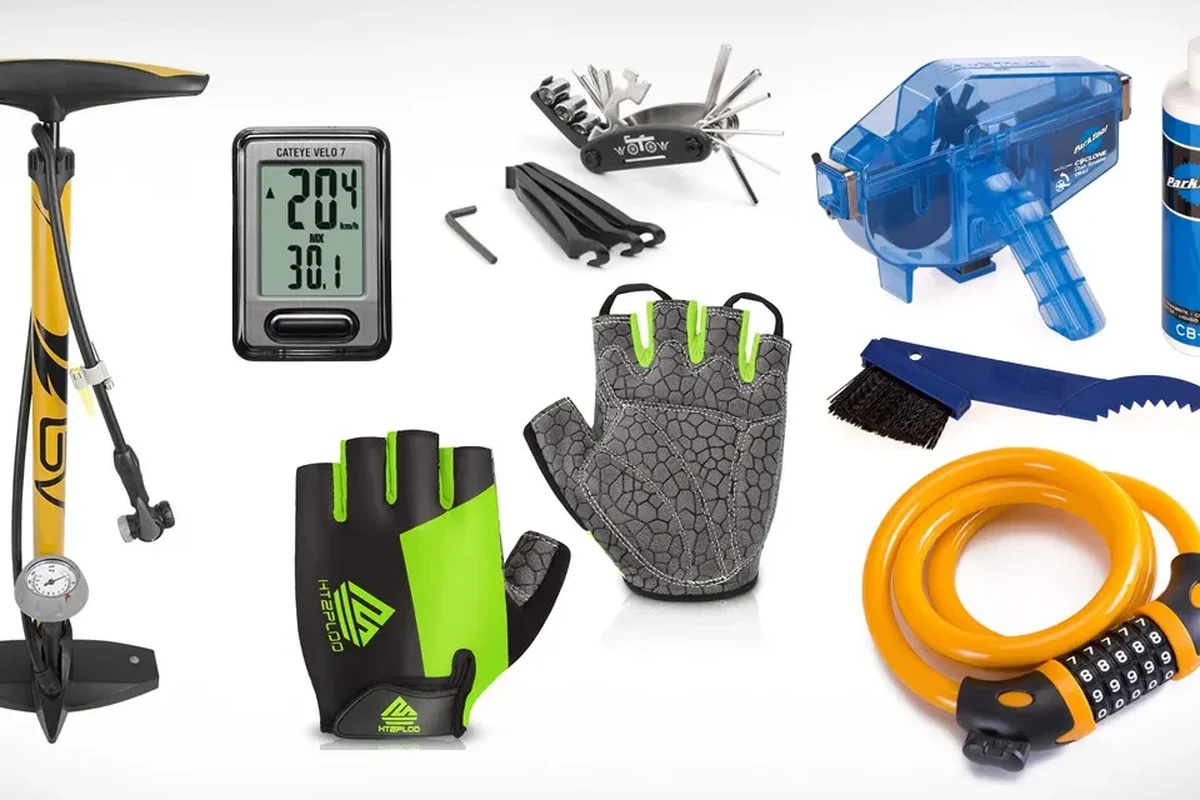
For most riders, the right size starts with one question: what do you need the lock to pass through? An e-bike with a large frame, wide tires, a rear rack, or a battery mounted in the frame triangle may need more internal clearance than a compact city bike. If you park at narrow posts, crowded racks, or inside a garage, the usable opening matters just as much as the shackle or chain length.
The practical goal is to find a lock that fits your bike and your most common parking situation without creating unnecessary bulk. A lock that is too small can force awkward locking angles or leave the frame unsecured. A lock that is too large may be harder to carry, heavier, and sometimes easier to manipulate if it leaves too much empty space.
How E-bike Locks Work and Why Size Matters for Theft Prevention
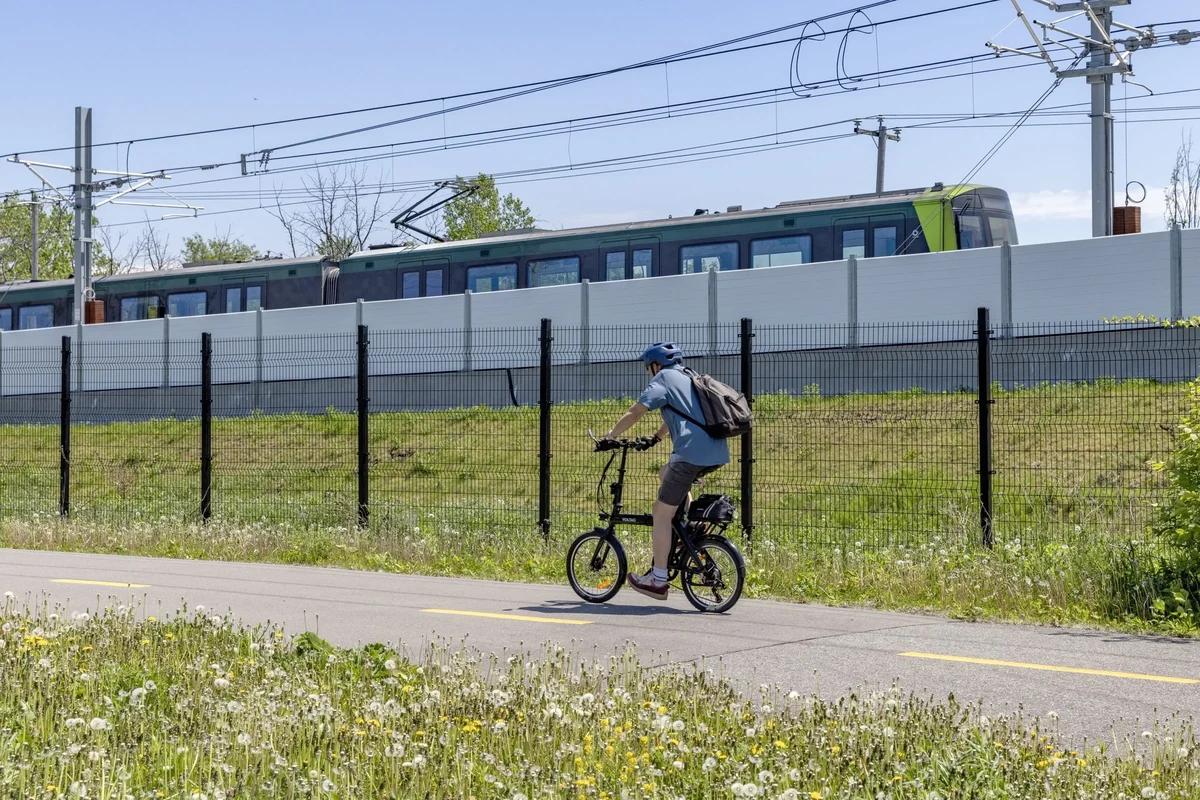
Locks protect by making theft slower, noisier, and riskier. Size matters because the lock has to wrap around the bike and the fixed object while keeping the frame and at least one wheel secured. If the lock is too short, you may not be able to attach the bike properly. If it is oversized, the lock may hang with extra space that can make leverage attacks easier in some situations.
Common lock types: U-locks, chain locks, folding locks, and heavy-duty cable options
U-locks usually offer a compact shape and a defined internal opening, so size is often measured by shackle dimensions and clearance. Chain locks rely on usable length and link thickness, which makes them more flexible around odd-shaped parking fixtures. Folding locks sit between the two, with segmented bars that affect both reach and packed size. Heavy-duty cable options are usually the most flexible, but they are typically best used as secondary security rather than the only lock, since their security level depends heavily on construction and use case.
How lock dimensions affect frame coverage, anchor compatibility, and carrying convenience
Lock dimensions determine whether you can secure the frame, wheel, and anchor in one motion or whether you need to reposition the bike. They also affect whether the lock fits around thick posts, racks with odd geometry, or multiple bikes parked together. On the carrying side, larger locks can be harder to mount on the frame, more noticeable in a backpack, and less convenient for short errands. Smaller locks are easier to carry but may limit where and how you park.
How to Measure Your E-bike for the Correct Lock Size
Before buying, measure the parts of the bike that affect lock fit rather than guessing from wheel size alone. E-bikes vary more than standard bikes because battery placement, cargo systems, suspension, and tire width can all change how much room the lock needs.
Measuring frame geometry, wheel size, tire width, and wheelbase clearance
Check the distance between the frame triangle, rear wheel, and any accessories that may block the lock path. Wider tires and fenders can reduce clearance around the wheel and chainstay area. If your bike has a long wheelbase or a step-through frame, the lock may need more internal space to close cleanly around the frame and wheel without scraping paint or forcing a tight angle.
Checking parking fixtures, racks, poles, and indoor storage constraints
Measure the objects you usually lock to, not just the bike. A slim street pole, a thick bike rack, and a basement anchor all create different space requirements. If you store the bike indoors, also check whether the lock’s length or folded shape interferes with hallways, closets, or wall mounts. That matters for daily use because a lock that fits outside but is awkward indoors often gets left behind.
Finding the minimum internal dimensions for secure lock placement
Look for the smallest opening that still lets you secure the frame and a wheel to a fixed object without forcing the lock against sharp edges or moving parts. The minimum useful size is usually the point where the lock closes with a little clearance, not a loose gap. That balance helps reduce rattling, awkward positioning, and unnecessary empty space around the bike.
Use a tape measure and sketch your usual parking setup on paper. If the lock fits your narrowest real-world anchor point, it will usually be easier to use everywhere else.
Key Specifications to Compare Before Buying an Anti Theft E-bike Lock
Size is only one part of the decision. For anti-theft use, the lock’s construction, clearance, and portability matter just as much as the measurements on the product page.
Shackle thickness, chain link diameter, and material hardness
Thicker shackles and chain links generally increase resistance to cutting tools, but the exact security level depends on material quality and design, not thickness alone. Material hardness and heat treatment also matter, though those details are not always explained clearly by sellers. When the specs are vague, check the manufacturer’s documentation and compare the lock against recognized security ratings or independent testing methods where available.
Internal clearance, usable length, and locking head size
Internal clearance tells you whether the lock can physically fit around your frame and anchor point. Usable length matters most for chains and folding locks because not all advertised length is equally practical once the lock is bent around the bike. The locking head size also matters, especially if the bike has tight frame openings, deep wheel wells, or accessories that make a bulky lock head hard to position.
Weight, portability, and mounting options for daily commuting
Heavier locks can be more secure in some categories, but they are less pleasant to carry every day. If you commute, look for a size you can mount on the frame, place in a pannier, or carry comfortably without affecting balance. For riders who stop often, portability is not a minor detail; it directly affects whether the lock gets used consistently.
Security ratings, weather resistance, and anti-pick features
Security ratings help compare models, but they are only useful if you understand the rating system and whether it applies to your riding environment. Weather resistance matters if you ride in rain, snow, coastal air, or dusty conditions. Anti-pick features may help, but they do not replace proper size, strong materials, and good locking technique. Always verify current claims with the manufacturer because specifications can vary by model or region.
- Confirm the lock fits your frame, wheel, and most common anchor point
- Check the lock’s weight and carrying method for daily commuting
- Review the manufacturer specs, warranty terms, and current security rating details
- Make sure the lock suits your weather exposure and storage setup
What Size Lock Fits Different Riders and E-bike Setups
The best size depends on how and where you ride. A lock that works for a short city stop may be too small for a cargo bike or too cumbersome for a rider who carries it all day.
Compact city e-bikes and short-stop commuting needs
Compact city e-bikes often do well with smaller U-locks or shorter folding locks because they are easier to carry and quicker to place. If your stops are brief and you usually park near standard bike racks, a compact lock may be enough as long as it still covers the frame and wheel properly. The trade-off is less flexibility when the rack is crowded or the anchor point is unusually thick.
Long-range commuters, cargo e-bikes, and bikes with larger frames
Larger e-bikes often need more internal clearance or longer usable length because of extended frames, racks, child seats, or integrated batteries. Cargo bikes can be especially challenging because the lock has to work around unusual geometry and larger parking footprints. In those cases, a more generous size can be worth the extra weight if it makes the lock usable every day.
Riders who lock to street furniture, racks, or multiple bikes at once
If you lock to poles, rail-style racks, or multiple bikes, flexibility becomes the priority. Chain locks and some folding locks often fit these situations better because they can wrap around irregular shapes. The downside is that more length can mean more weight, so these options are best when the extra reach is genuinely needed rather than just convenient to have.
| Rider Type | Best Size Direction | Main Trade-Off |
|---|---|---|
| Compact city commuter | Smaller U-lock or short folding lock | Less flexibility at crowded racks |
| Cargo or large-frame rider | Larger clearance or longer chain | More weight to carry |
| Multi-bike or irregular anchor user | Longer chain or flexible folding lock | Bulk and storage inconvenience |
Real-World Trade-Offs: Security, Convenience, and Carrying Comfort
In practice, the right lock size is a balance. The most secure option on paper is not always the one you will use correctly every day, and the easiest lock to carry is not always strong enough for your parking environment.
When a smaller lock improves security versus when it becomes too restrictive
A smaller lock can improve security if it forces a tight fit around the frame and anchor, leaving little room for leverage. But if it is too restrictive, you may end up locking only the wheel or parking in a less secure spot because the lock will not reach. The best fit is the smallest one that still allows proper frame-and-anchor coverage.
How lock size affects frame scratches, transport weight, and storage on the bike
Oversized locks can swing, rattle, and rub against paint if they are mounted loosely. They can also be awkward on small frames, especially when paired with bottle cages, batteries, racks, or frame bags. Smaller locks are easier to store, but if they force awkward positioning, they may be slower to use and more likely to be left at home.
Weather, road grime, and seasonal use considerations in 2026
Weather exposure affects both lock choice and maintenance. Rain, salt, mud, and winter grit can make moving parts stick or wear faster, especially on folding and keyed mechanisms. In 2026, riders are also more likely to use e-bikes year-round, so it is smart to choose a size and finish that you can clean and store easily in wet or dirty conditions.
Many theft-prevention guides recommend securing the frame to a fixed object first, then adding the wheel if the lock size allows it. That order matters more than simply choosing the heaviest lock.
Common Sizing Mistakes and How to Avoid Them
Most sizing problems happen when shoppers focus on advertised length alone and ignore the actual locking space they need. A few basic checks can prevent a lock that looks right but does not work on the bike.
Choosing a lock that is too short for the frame and anchor point
This is the most common mistake. A lock can seem fine in a product photo and still fail to fit around a wide rack, thick pole, or large frame triangle. Measure the widest real-world anchor you use most often, then confirm the lock’s internal dimensions before buying.
Buying based on price alone instead of fit and security level
The cheapest option is not always the best value if it is too small, too light, or poorly matched to your bike. A lock that is easy to defeat or impossible to use properly does not save money in the long run. Compare fit, materials, and security information before you look at price.
Ignoring e-bike battery placement, cargo accessories, or oversized tires
E-bikes often have features that change lock fit in subtle ways. Batteries, rear racks, child seats, front baskets, fat tires, and fenders can all reduce clearance or block the lock path. If your bike has any of these, choose size based on the fully equipped bike, not the bare frame.
Do not force a lock around cables, brake lines, or moving parts. If the lock only fits by pressing against components or rubbing the frame hard, it is the wrong size for that setup.
Safe Use, Care, and Storage for Longer Lock Life
Even the right size lock needs good habits. Proper use and routine care help the lock last longer and keep it working smoothly through daily commuting and changing weather.
Best locking positions for frame, wheel, and fixed object coverage
Whenever possible, secure the frame to a fixed object first. If the size allows, include the rear wheel because it is often more valuable and harder to remove quickly than the front wheel. Keep the lock high enough to reduce leverage on the ground, and avoid leaving large gaps inside the lock where tools could be inserted more easily.
Cleaning, lubrication, rust prevention, and winter storage tips
Wipe off dirt and road salt regularly, especially after wet rides. Use only the maintenance products recommended by the manufacturer for the lock’s cylinder or moving joints. Store the lock in a dry place when possible, and let it dry before packing it away after rain or snow. If you ride in winter, inspect the mechanism more often because grime and moisture can build up quickly.
When to replace a lock after wear, damage, or attempted theft
Replace the lock if it shows cracks, bent parts, a sticky mechanism that cleaning does not fix, or obvious damage from cutting or prying. If there has been an attempted theft, treat the lock as suspect even if it still closes, and follow the manufacturer’s guidance on inspection or replacement. For high-risk riders, a damaged lock should not be considered dependable again.
Stop using a lock that is bent, cracked, or difficult to operate, and follow the manufacturer’s inspection or service guidance before relying on it again.
Final Recommendation: How to Choose the Best Anti Theft E-bike Lock Size for Your Needs
The best anti theft e-bike lock size is the one that fits your bike, your anchor point, and your routine without making secure locking inconvenient. If you ride a compact commuter bike, a smaller U-lock or short folding lock may be the best balance of portability and protection. If you ride a cargo e-bike, a larger frame, or a bike with accessories, you will usually need more clearance or length to lock correctly every day.
Best-fit guidance by rider type, commute style, and risk level
Choose compact and easy-to-carry sizes for short urban stops and low-to-moderate risk parking. Choose larger, more flexible sizes when you regularly lock to thick poles, unusual racks, or multiple bikes. If your parking situation changes often, prioritize a lock that gives you enough reach without becoming so bulky that you stop carrying it.
Transparent takeaway on the best balance of security, size, and everyday usability
For most riders, the right choice is not the smallest lock or the biggest lock, but the one that secures the frame properly and still gets used consistently. Confirm the dimensions against your real bike and parking setup, compare the manufacturer specs carefully, and choose the simplest lock you can use correctly every day.
—
Frequently Asked Questions
The right size depends on your frame, tire width, accessories, and the anchor point you use most often. Measure your bike and parking spot first so the lock can secure the frame without leaving too much empty space.
Not always. A larger lock may fit more situations, but it can also be heavier, harder to carry, and less convenient for daily use.
U-locks are often more compact, while chain locks offer more flexibility around odd-shaped racks and poles. The better choice depends on where you park and how much carrying weight you want to accept.
Measure the frame area, wheel clearance, tire width, and the fixtures you normally lock to. Then compare those measurements with the lock’s internal dimensions and usable length.
Shackle or chain thickness, material quality, security ratings, weather resistance, and portability all matter. Size alone does not tell you how well a lock will fit your bike or resist theft.
Replace it if it is bent, cracked, difficult to operate, or damaged after an attempted theft. Follow the manufacturer’s inspection guidance and stop relying on a lock that no longer works smoothly.