If you are new to foam rolling, the hardest part is often choosing a roller that feels manageable, fits your routine, and matches your comfort level. Some rollers are firmer and more textured, while others are softer and better suited to a gentler start.
This guide compares seven options for active living, recovery, and mobility work, with a focus on beginner-friendly choices for runners, cyclists, gym users, and home fitness shoppers. Each pick is based only on the supplied product details, ratings, review counts, and listed features.
The best foam rollers for beginners are usually the ones that balance comfort, control, and durability. For most new users, a softer or moderate-compression roller is easier to start with, while firmer textured models suit shoppers who want more targeted pressure.
Quick Product Comparison
| Product | Image | Best For | Check Price |
|---|---|---|---|
| 1. Gaiam Restore Foam Roller | 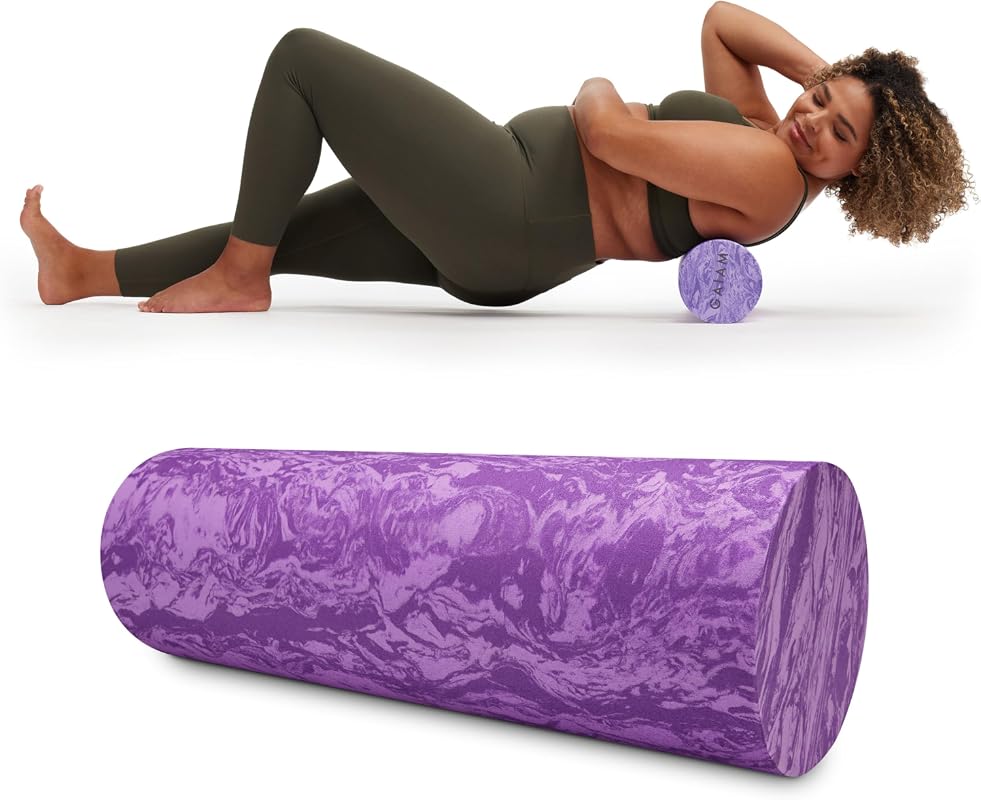 |
Beginners who want a textured, portable roller for general recovery | Check Price |
| 2. TriggerPoint CORE Foam Roller | 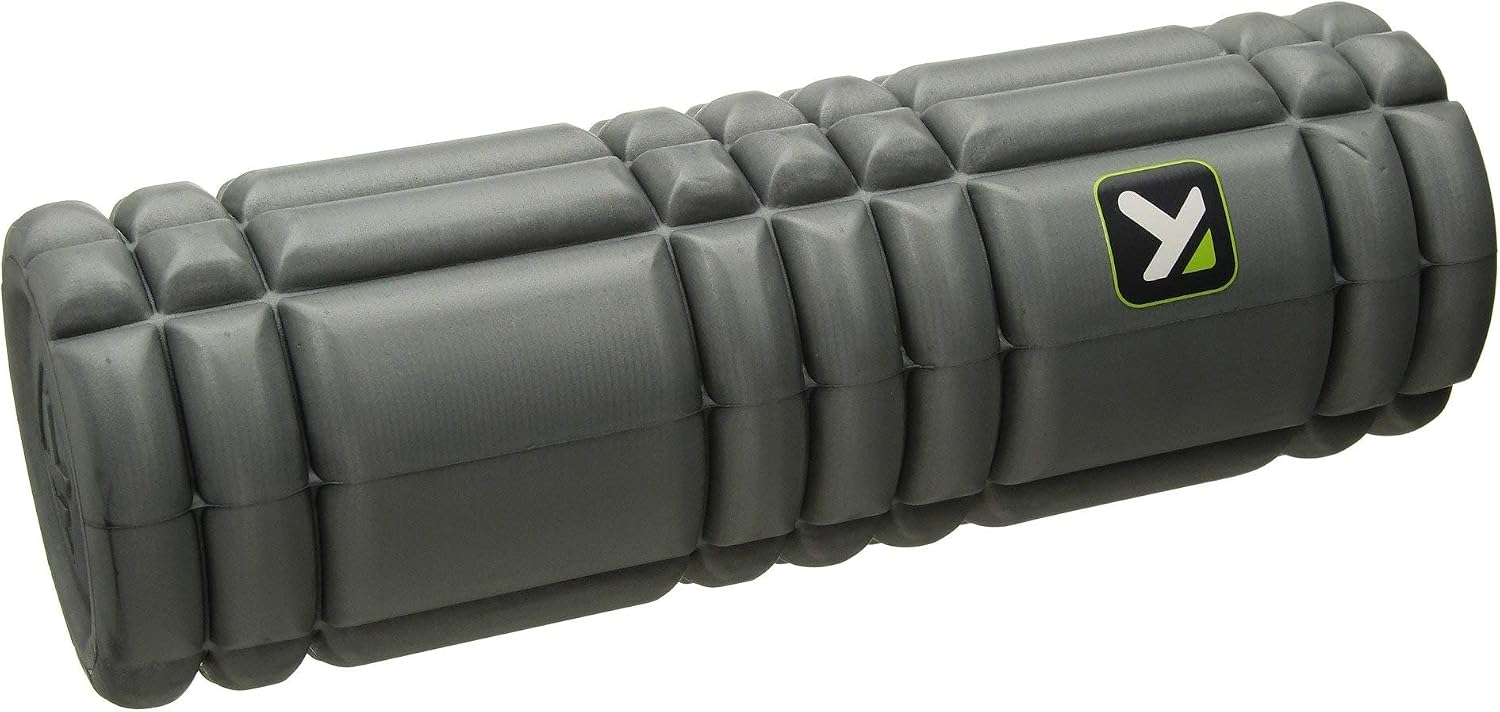 |
Shoppers who want softer compression with a multi-density pattern | Check Price |
| 3. TriggerPoint Grid 1.0 Foam Roller | 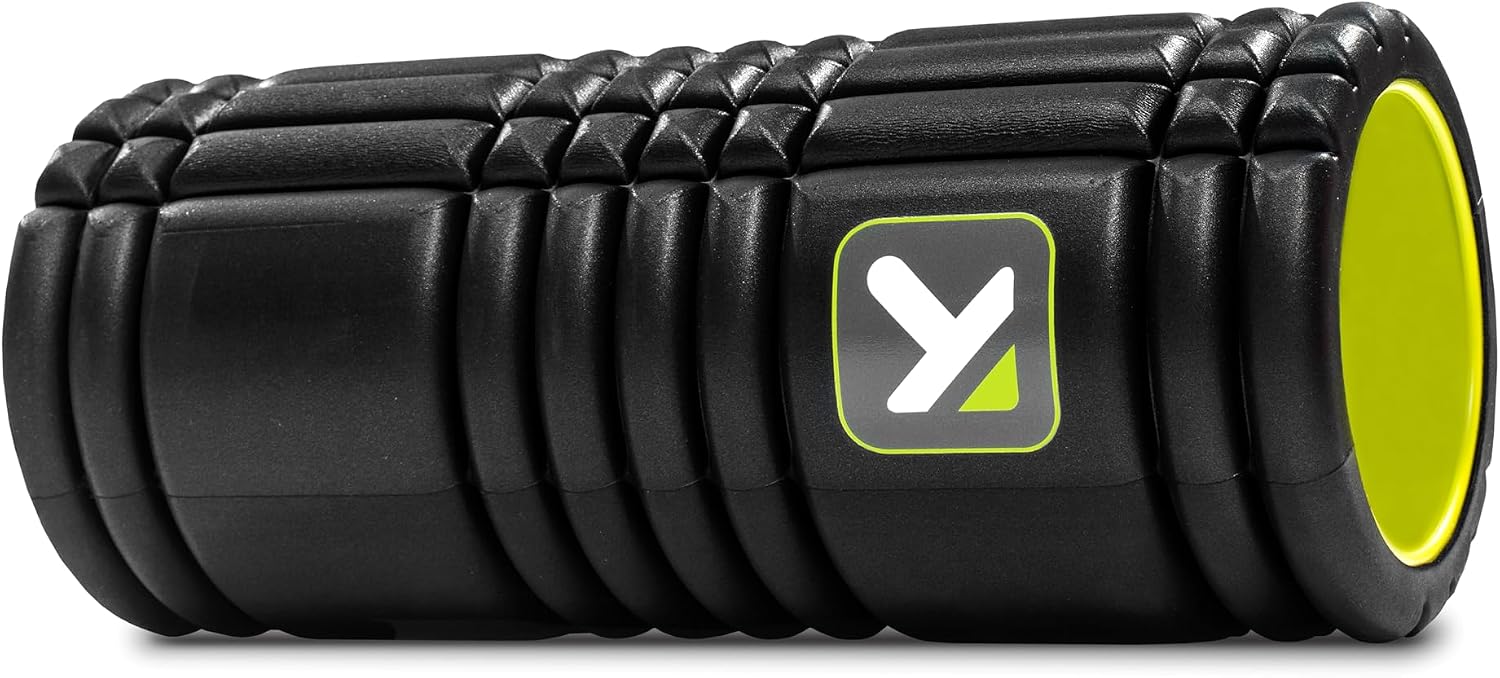 |
Beginners who want a firmer, highly rated deep-tissue style option | Check Price |
| 4. Amazon Basics Foam Roller | 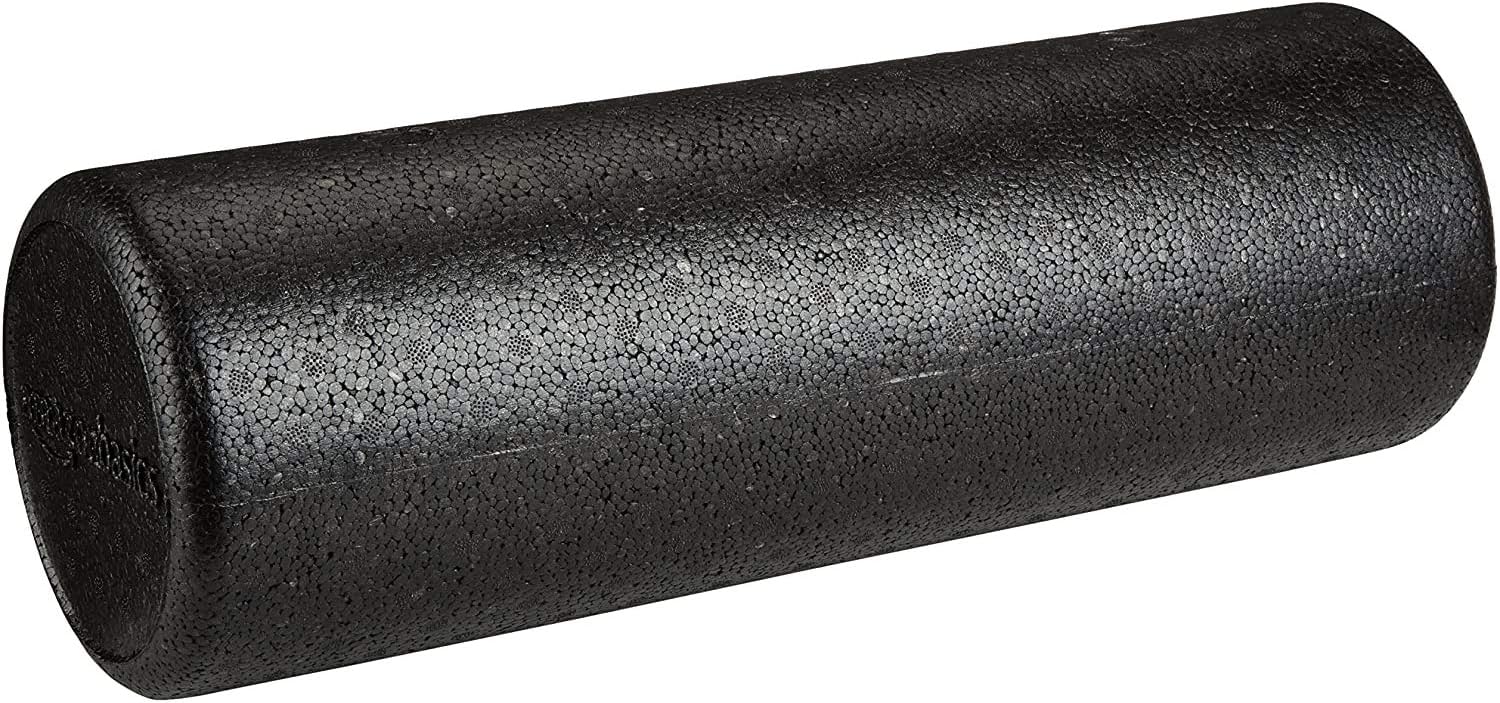 |
Entry-level buyers who want a simple, durable roller for basic mobility work | Check Price |
| 5. TriggerPoint Foundation Roller | 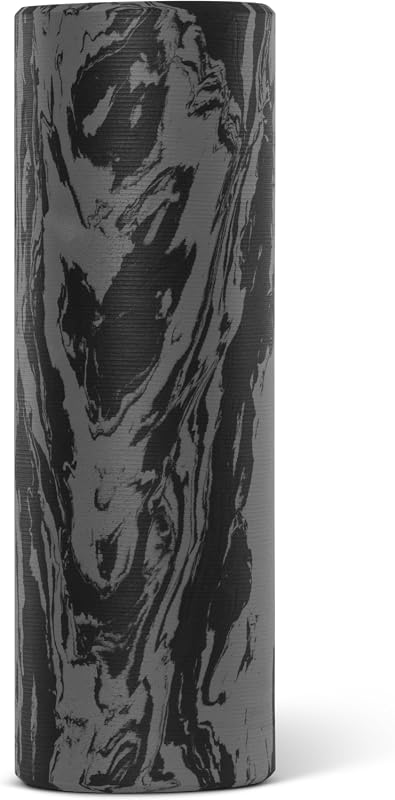 |
Beginners who prefer gentler compression and a softer surface | Check Price |
| 6. Fitizen Foam Roller | 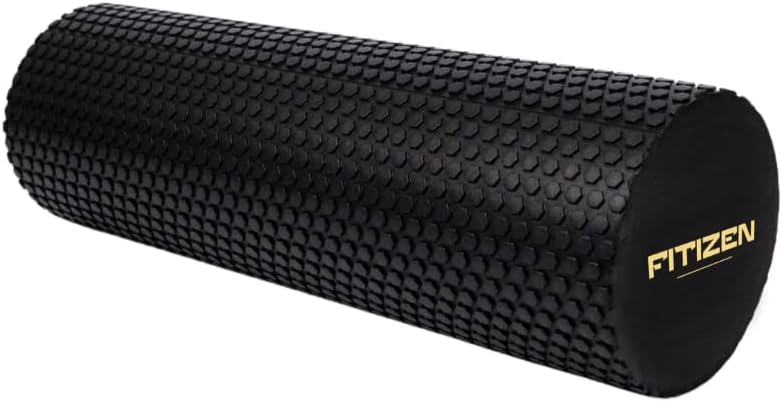 |
Users who want a textured roller with multiple size options | Check Price |
| 7. Melt Soft Foam Roller | 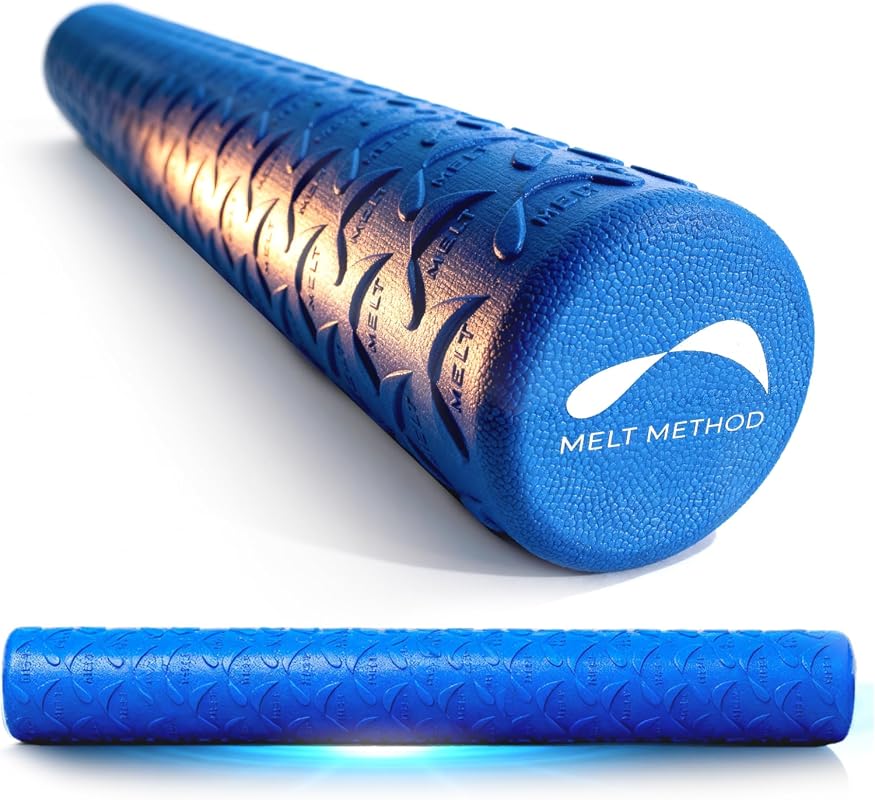 |
Beginners and sensitive users who want a softer, longer roller with guided routines | Check Price |
What to Look for in Best Foam Rollers for Beginners
Compression level matters most
Beginners usually do better with moderate or softer compression because it is easier to control. Firmer rollers can still be useful, but they may feel intense if you are just learning how to roll slowly and steadily.
Surface texture changes the feel
Some rollers use smooth foam, while others add ridges, grids, or tread patterns. A textured roller can create more targeted pressure, but a smoother or softer surface may feel more approachable at first.
Length affects coverage and portability
Shorter rollers are often easier to pack for the gym, travel, or cycling trips. Longer rollers may offer more coverage for the back, hips, and legs, which can be helpful if you want a single tool for more than one area.
Durability helps the roller keep its shape
Look for language about solid-core construction, EVA foam, or materials designed to maintain shape over time. For active-living routines, a roller that resists flattening is easier to rely on for regular use.
Intended use should match your routine
Choose a roller that fits how you move. Runners, cyclists, and gym users may want a firmer option for larger muscle groups, while yoga and mobility users may prefer a gentler feel for slower sessions.
- Start with short sessions and light pressure, then adjust based on comfort rather than trying to use the hardest roller right away.
- Check whether the product page lists a length or size option that fits your space, bag, and preferred muscle groups.
- If you are sharing a roller between home and gym use, favor lightweight designs that are easy to carry and clean.
Our Top 7 Best Foam Rollers For Beginners Picks and Reviews
1. Gaiam Restore Foam Roller for Muscle Recovery, 18-Inch High-Density Purple
This 18-inch roller combines a medium-density feel with a textured tread pattern, making it a practical starting point for beginners who want more control than a basic smooth roller.
Key Features That Stand Out
- Medium-density foam is positioned for warmups and post-workout use.
- Textured tread pattern adds pinpoint massaging and stability.
- 18-inch length can target smaller muscle groups or broader areas.
- Lightweight design supports gym, home, and physical therapy use.
Why It Stands Out
The Gaiam Restore sits in a useful middle ground for new users who want a roller that feels more guided than a plain cylinder. The textured surface and portable format make it versatile for active living, while the medium-density construction keeps it from sounding overly aggressive.
Best For
Pros and Cons
- Balanced density for a beginner-friendly feel.
- Textured tread adds control and targeted pressure.
- Portable enough for home or travel use.
- Texturing may feel more intense than a smooth roller.
- Shoppers wanting extra-soft compression may prefer another option.
2. TriggerPoint CORE Foam Massage Roller for Deep Tissue Recovery, Softer Compression, 12-36 Inch
This model is aimed at users who want softer compression with a multi-density grid pattern. It is a strong option for beginners who want structure without jumping straight to the firmest feel.
Key Features That Stand Out
- Solid-core EVA foam is described as more durable than standard polypropylene rollers.
- Multi-density grid pattern provides targeted compression.
- 12-inch length is presented as versatile for most muscle groups.
- Lightweight package weight supports easy transport.
Why It Stands Out
The CORE model is a useful alternative for shoppers who want a shorter roller and a less intense starting point. Its softer compression and grid surface can suit a beginner who prefers targeted pressure without a large footprint.
Best For
Pros and Cons
- Softer compression may be easier for first-time users.
- Compact length supports storage and transport.
- Grid pattern adds targeted pressure options.
- Shorter size may feel limiting for broader back or leg coverage.
- Texture can still feel more focused than a smooth roller.
3. TriggerPoint Grid 1.0 Multi-Density Foam Roller for Deep Tissue Muscle Recovery, 13-Inch
With a high rating and a very large review count, this is one of the most established options in the roundup. It uses a firmer EVA-foam-wrapped, hollow-core design with a multi-density surface.
Key Features That Stand Out
- Three-dimensional GRID surface is designed to support recovery and tissue aeration.
- Distrodensity zones are meant to feel comfortable on tight and softer tissue.
- Ridges and nodules create a personalized rolling experience.
- Hollow-core construction is described as firmer than traditional foam rollers.
- Built for frequent use and shape retention.
Why It Stands Out
The Grid 1.0 is a strong value pick for beginners who want a well-known roller with a firmer, more targeted feel. It is not the softest choice here, but it offers a lot of evidence of user adoption through its rating and review volume.
Best For
Pros and Cons
- Very strong review volume for shopper confidence.
- Targeted surface supports multiple pressure points.
- Durable build is meant for repeated use.
- Firmer feel may be intense for true first-time rollers.
- Shorter length may not suit those wanting broad back coverage.
4. Amazon Basics High-Density Foam Roller for Exercise and Recovery, 18-Inch Black
This is the simplest entry-level option in the group. It is built for balance, strengthening, and flexibility exercises, with a firm polypropylene construction and easy-care finish.
Key Features That Stand Out
- High-density foam roller for exercise and recovery.
- Designed for balance, strengthening, and flexibility work.
- Firm polypropylene construction helps maintain shape.
- Molded edges add comfort, and the surface wipes clean easily.
Why It Stands Out
For shoppers who want a straightforward roller without extra complexity, this Amazon Basics option is easy to understand and easy to store. It is a practical fit for basic mobility routines and general home fitness use.
Best For
Pros and Cons
- Simple design is easy to add to a routine.
- Lightweight and easy to carry.
- Easy-clean surface helps with regular use.
- Firm feel may be more intense than softer beginner rollers.
- No added texture or multi-density detail is listed.
5. TriggerPoint Foundation Roller, Premium EVA Foam Muscle Recovery and Flexibility Roller
This roller is built around moderate compression and a soft-touch surface, which makes it one of the gentler picks in the roundup. It also comes in two size options, which helps with fit and portability.
Key Features That Stand Out
- Moderate compression is aimed at a gentler recovery experience.
- Soft-touch surface is designed to feel comfortable on bare skin.
- Premium EVA foam construction supports durability.
- Available in 12-inch and 18-inch sizes.
Why It Stands Out
The Foundation Roller is a good match for beginners who want to ease into foam rolling without a harsh surface. The size options make it easier to choose between portability and broader coverage.
Best For
Pros and Cons
- Gentler compression suits cautious first-time users.
- Soft-touch surface is friendly for bare skin.
- Two size choices improve fit for different routines.
- Lower review count than the more established options.
- May feel too mild for users who want firmer pressure.
6. Fitizen Foam Roller for Deep Tissue Massage, Back Pain Relief, Rehab, Yoga and Pilates
This textured EVA-foam roller is positioned for mobility work, yoga, Pilates, and home gym use. It also stands out for offering five size options, which is unusual in this roundup.
Key Features That Stand Out
- High-density EVA foam is built for firm support and shape retention.
- Raised surface acts as a trigger point roller.
- Designed for yoga, Pilates, and mobility work.
- Five size options are listed, from mini to XL.
Why It Stands Out
Fitizen gives beginners a lot of flexibility in choosing the size that fits their space and routine. The textured surface suggests a more focused feel, so it may appeal to users who already know they want more pressure than a soft roller provides.
Best For
Pros and Cons
- Multiple size options make selection more flexible.
- Textured surface adds targeted pressure.
- Works across several mobility-focused routines.
- Textured feel may be too intense for some beginners.
- Feature set is broader than a simple starter roller.
7. Melt 36-Inch Soft Foam Roller for Myofascial Release and Physical Therapy
This is the premium option in the roundup, and it is clearly aimed at users who want a softer, more guided approach. The long format, instructional video access, and medium-soft density set it apart from the firmer rollers above.
Key Features That Stand Out
- Medium-soft density is aimed at gentle compression.
- 36-inch length supports broader body coverage.
- Includes access to instructional videos.
- Closed-cell foam resists moisture and cleans easily.
- Supports up to 300 lbs, according to the supplied details.
Why It Stands Out
The Melt roller is the most comfort-focused choice in this list. It is especially relevant for beginners who want extra guidance and a softer feel, although the premium price makes it a more selective buy.
Best For
Pros and Cons
- Soft compression is beginner-friendly.
- Instructional videos add useful structure.
- Long format supports broader coverage.
- Highest price in the roundup.
- May feel too gentle for users seeking firmer pressure.
Beginners should start with light pressure and short sessions, especially on firmer or highly textured rollers. If a roller feels too intense, switch to a softer model and verify the product page for size, use instructions, and any load or care guidance.
Complete Buying Guide for Best Foam Rollers For Beginners
Budget-friendly rollers suit shoppers who want basic mobility support, simple construction, and straightforward home use without extra features.
Mid-range rollers usually add better texture, comfort, or durability, making them a practical choice for regular active-living routines.
Premium rollers tend to emphasize softer feel, longer coverage, guided routines, or specialized construction for more comfort-focused use.
Compatibility and intended use
Match the roller to your routine. Runners and cyclists may prefer a firmer roller for larger muscle groups, while yoga and mobility users may lean toward softer compression. If you want something for travel or the gym, shorter and lighter rollers are easier to carry.
Dos and Don’ts
- Choose a density you can use consistently, not just one that looks advanced.
- Check the length, surface texture, and cleaning notes before ordering.
- Do not start with the firmest roller if you are new to foam rolling.
- Do not assume every textured roller will feel the same on bare skin.
Practical tips for first-time buyers
Look for a roller that supports your most common sessions rather than one designed for every possible use. If you are unsure, moderate compression is usually the easiest place to start. Also, consider whether you want a roller that is easy to wipe clean and store after workouts.
Before buying, confirm the roller length, texture, and foam type on the current product page so it fits your body size, storage space, and intended routine.
Quick Recap
- Gaiam Restore: a balanced textured pick for general beginner recovery.
- TriggerPoint CORE: a softer-compression option with a compact size.
- TriggerPoint Grid 1.0: the best value if you want a well-established firmer roller.
- Amazon Basics: the simplest entry-level choice for basic mobility work.
- TriggerPoint Foundation: a gentler roller with two size options.
- Fitizen: a textured, size-flexible roller for mobility-focused routines.
- Melt Soft: the premium comfort-first choice with guided routines.
- Remember to match compression and texture to your comfort level.
- Verify current product details before ordering, especially size and intended use.
Frequently Asked Questions About Best Foam Rollers For Beginners
Moderate or softer compression is usually the easiest starting point. It gives you room to learn pressure control without making the session feel overly intense.
Either can work, but smooth or lightly textured rollers are often easier to adapt to first. Heavier texture can create more focused pressure, which some new users may want to avoid at the start.
A longer roller can give you more coverage for the back, hips, and legs. Shorter rollers are easier to store and carry, so the better choice depends on your space and routine.
Yes, many rollers work for both. The main difference is whether you want firmer targeted pressure or a gentler feel for broader mobility work.
Check the listed length, density, surface texture, and cleaning details. If the product offers multiple sizes, make sure the one you choose fits your routine and storage space.
Not always. Premium models may add comfort, guidance, or special materials, but a simpler mid-range roller can be a better fit if you want an uncomplicated start.
For most beginners, the best choice is the roller that feels easiest to use consistently. A softer or moderate-compression model is usually the safest starting point for comfort, while a firmer textured roller makes more sense if you already know you want a more targeted feel.
If you want the most balanced option, start with one of the middle-ground picks and verify the current product page for size and material details. That approach gives you a practical foundation for active living, recovery, and regular mobility work without overbuying on day one.
This roundup is based only on the supplied product records: titles, listed features, ratings, review counts, prices, images, and affiliate links. Because no verified first-hand testing evidence is available, the recommendations use evidence-based editorial judgment and compare beginner-friendly factors such as compression level, texture, size, portability, durability cues, and intended use. Where details were missing, they were omitted rather than inferred, and shoppers should verify current product-page information before buying.