Start with a stable rack or squat stand, a barbell, plates, a bench, and floor protection. Choose equipment that fits your room, your training style, and your long-term storage needs.
Building a strength training home gym is mostly about matching your space, training style, and budget to the few pieces of equipment you will actually use. For most people, the best starting point is a stable rack or stand, a barbell with plates, a bench, and one adjustable dumbbell option, then expanding only after the basics are covered.
- Start with the core: Rack, barbell, plates, bench, and floor protection do most of the work.
- Measure for movement: Clearance, ceiling height, and storage matter as much as footprint.
- Prioritize stability: Weight ratings and base design matter more than extra features.
- Buy for your goals: Powerlifting, hypertrophy, and general fitness need different setups.
How to Build a Strength Training Home Gym: The Fast Answer
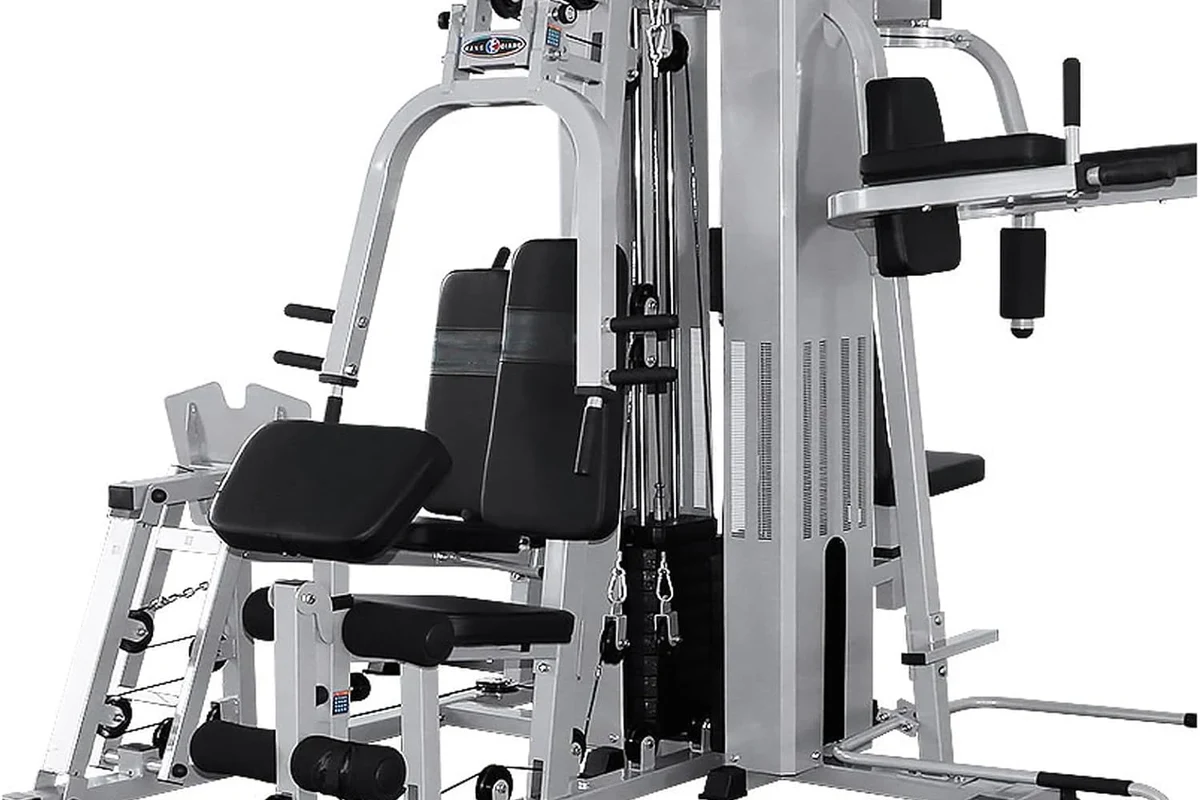
A practical home strength setup should let you squat, press, hinge, row, and carry with enough load to keep progressing. It should also fit your room, protect your floor, and be easy to store and maintain so it stays useful long term.
What a practical home strength setup should include in 2026
In 2026, the smartest home gym purchases are still the ones that cover the most training with the least clutter. That usually means a rack or squat stand, a barbell, plates, a bench, and either adjustable dumbbells or a second loadable option for accessory work.
Think of a home gym as a training system, not a shopping list. The right setup supports your main lifts, fits your room, and leaves enough clearance to move safely.
Who this guide is for: beginners, intermediates, and space-limited lifters
This guide is for beginners who want a simple first setup, intermediates who need room to progress, and lifters who have to make every square foot count. It is also useful if you are converting a garage, spare room, basement corner, or apartment-friendly training area into a strength-focused space.
Step 1: Define Your Training Style, Space, and Budget
Before buying anything, decide what kind of strength training you actually plan to do and where you will do it. That makes it much easier to avoid oversized equipment, underbuilt pieces, and expensive extras you do not need.
Strength goals: general fitness, hypertrophy, powerlifting, or athletic performance
Your goal changes the equipment priority. General fitness and hypertrophy often work well with dumbbells, an adjustable bench, and a compact rack, while powerlifting and heavier barbell work usually call for a more stable rack, a quality bar, and enough plates to cover your working weights.
Room dimensions, ceiling height, floor type, and noise considerations
Measure the full footprint of the room, not just the open floor area. Check ceiling height for overhead pressing, floor thickness for impact and vibration, and wall clearance so plates, bars, and benches do not strike nearby surfaces.
Do not assume a rack or ceiling clearance is enough just because it fits on paper. Leave room for loading plates, walking around the bench, and moving out of a failed rep safely.
Budget tiers and where spending matters most
Budget matters, but some items deserve more of it than others. In general, stability and load-bearing parts matter more than cosmetic features, so prioritize the rack, barbell, bench, and floor protection before buying specialty attachments.
Core Equipment: What to Buy First and Why
If you are building from zero, start with the pieces that let you train the most movement patterns with the fewest compromises. The order below works for many lifters, but you should adjust it for space and training style.
Adjustable dumbbells versus fixed dumbbells
Adjustable dumbbells are usually the better first buy for smaller spaces because they replace a full dumbbell rack with one compact pair. Fixed dumbbells are easier to grab and switch between, but they take much more room and are usually better for dedicated home gyms with a larger footprint.
- Adjustable dumbbells save space
- Fixed dumbbells are quick to use
- Adjustables can be slower to change
- Fixed sets require much more storage
Barbell, plates, and collars: standard specs to verify
Barbells vary by shaft diameter, sleeve length, knurling, spin, and load rating, so verify the exact specs before buying. Plates also vary by material, diameter, thickness, and compatibility with your bar and storage plan, while collars should fit securely without damaging the sleeve finish.
- Confirm barbell dimensions, sleeve compatibility, and load rating
- Check plate diameter, hole size, and total storage needs
- Verify collar fit and whether they are intended for Olympic or standard bars
Power rack or squat stand: stability, footprint, and safety features
A power rack is usually the safer and more versatile choice if you have the room, because it offers more stability and more options for safeties and attachments. A squat stand can work well in tighter spaces, but you should pay close attention to base stability, upright height, and whether the stand supports the lifts you plan to do.
Follow the manufacturer’s assembly and inspection guidance for all rack hardware, safeties, and attachments. Stop using any setup that shows loosening, bending, or instability.
Bench selection: flat, adjustable, and weight-rated options
A flat bench is simple and often very stable, while an adjustable bench gives you more exercise variety for presses, rows, and supported movements. Whatever style you choose, verify the stated weight rating, pad width, and whether the bench feels stable in the positions you will use most.
If you only have space for one bench, an adjustable model often covers more training needs, but a well-built flat bench can be the better value if your focus is mostly pressing and basic accessory work.
How to Choose Equipment That Fits Your Space and Load Needs
Many home gym regrets come from buying gear that technically fits but does not work comfortably in real use. Measure for movement, not just storage, and compare the equipment’s footprint to the way you actually train.
Dimensions, storage footprint, and clearance around each lift
Leave clearance for the bar path, bench movement, loading plates, and walking around the setup. Storage also matters: if plates, bars, and accessories do not have a defined home, the gym quickly becomes harder to use and harder to keep safe.
Weight capacity, user limits, and stability checks
Check the manufacturer’s stated capacity for the rack, bench, bar, and any attachment you plan to use. Capacity alone does not tell the whole story, though, so also look for base width, hardware quality, and whether the item stays stable under side-to-side movement.
Adjustability, compatibility, and expansion potential
Choose equipment that can grow with your training. A rack with compatible attachments, a bench that works in multiple positions, and plates that fit future bars or storage systems can save money later, as long as the core item is still the right fit now.
How to Set Up the Gym Safely
Safe setup is not just about avoiding damage to the room. It also affects lift quality, noise, and how confidently you can train when you are alone.
Floor protection, matting, and vibration control
Use floor protection suited to your equipment and training style, especially if you are placing a rack, dropping plates, or lifting on a concrete garage floor. Mats and rubber flooring can also reduce vibration and noise, but the best choice depends on the subfloor and how much impact your training creates.
- Protect the floor under racks and lifting zones
- Use stable, level surfaces whenever possible
- Training on uneven or slippery flooring
- Assuming thin mats will handle heavy impact
Rack anchoring, leveling, and bar path clearance
Some racks are designed to be anchored, while others rely on their own base and added weight. Follow the official manual for anchoring, leveling, and hardware torque guidance, and always confirm that the bar can move freely without hitting walls, mirrors, shelves, or lights.
Lighting, ventilation, mirrors, and emergency space planning
Good lighting helps you check setup and form, while ventilation matters in garages, basements, and warm rooms. Mirrors can help with positioning, but they should never replace safe spacing, and you should still leave a clear path to step out of a lift if needed.
Safe progression for beginners and returning lifters
Start conservatively, especially if you are returning after time away or training without a spotter. Use manageable loads, practice rack height and safety settings, and progress only when your setup feels stable and repeatable.
If you have pain, a recent injury, pregnancy-related concerns, or another medical issue, get qualified guidance before starting a strength program or changing load progression.
Must-Have Accessories and Smart Add-Ons
Accessories should make your training more useful, more organized, or easier to progress. They should not distract from the core setup until the basics are complete.
Resistance bands, plates, fractional weights, and lifting straps
Resistance bands can add assistance, warm-up options, and accessory work. Fractional plates are especially helpful when bigger jumps are too aggressive, and straps can support some pulling movements when grip is the limiting factor, depending on your training approach.
Chalk, collars, landmine attachments, and storage solutions
Chalk can improve grip for some lifters, though it may not be ideal in every shared space. Collars help keep plates secure, landmine attachments open up more pressing and rowing variations, and storage solutions keep the floor clear and the gym easier to use.
- Buy storage after you know how much gear you actually own
- Keep small items in one defined spot to reduce clutter
- Choose attachments only if they match your rack and bar specs
Optional cardio and recovery tools that complement strength work
Optional tools like a bike, rower, jump rope, foam roller, or mobility mat can complement strength work, but they should be chosen for space and usefulness rather than novelty. If room is tight, recovery and conditioning tools should stay secondary to the core lifting setup.
Maintenance, Storage, and Long-Term Value
A home gym becomes much more valuable when it is easy to maintain. Simple routines keep equipment usable, reduce clutter, and help you notice problems before they become safety issues.
Cleaning, rust prevention, and inspection routines
Wipe down bars, benches, and handles regularly, especially in humid rooms or garages. Check for loose hardware, worn pads, damaged coatings, and rust, and follow the manufacturer’s cleaning or maintenance instructions for each item rather than using harsh products that may damage finishes.
How to store plates, bars, and accessories efficiently
Store plates where they are easy to reach but not in the middle of your training path. Vertical or wall-based storage can save space, while dedicated hooks, shelves, or bins can keep bands, collars, and straps from getting lost.
Common setup mistakes, limitations, and troubleshooting
The most common mistakes are buying too much too soon, underestimating ceiling height, ignoring noise, and choosing unstable equipment for heavy lifting. Another frequent issue is mismatch: a rack, bar, or plate set may be good on its own but awkward together if the specs do not align.
Many home gym problems are storage problems first. When equipment has a fixed place to go back to, the room is easier to keep safe and ready for the next session.
When a home gym becomes better value than a commercial membership
That depends on how often you train, how far you travel, and how much you value convenience. A home gym often makes sense when you lift consistently, want flexible hours, and prefer to avoid commute time, but a commercial gym can still be better for people who need more equipment variety or do not have enough room at home.
Final Recommendation: The Best Home Gym Build for Most Lifters
The best home gym for most lifters is a simple, stable setup that covers the main barbell patterns and does not waste floor space. If you keep the build focused, it is easier to train consistently, expand later, and avoid buying equipment that never gets used.
Recommended starter setup by budget and space
For limited space, start with adjustable dumbbells, a sturdy bench, and floor protection, then add a compact rack if your room allows it. For a garage or dedicated room, a power rack, barbell, plates, bench, and basic storage usually create the best long-term foundation.
Adjustable dumbbells plus a quality bench work well when space is tight, but you should verify storage and weight range before buying.
A power rack, barbell, plates, and bench suit lifters who want the broadest exercise coverage and room to progress.
Best next upgrades once the basics are covered
After the core setup is in place, the most useful upgrades are usually storage, fractional plates, bands, and attachments that match your training. From there, add specialty items only if they solve a real problem in your routine or space.
For most home lifters, the smartest build is a stable rack-based setup with a barbell, plates, bench, and organized storage, then a compact dumbbell option if space allows. If your room is very small, prioritize adjustable dumbbells and a bench first, and only add larger equipment when the footprint and load needs truly justify it.
Frequently Asked Questions
Most people should start with a stable rack or squat stand, a barbell, plates, a bench, and one dumbbell option. The best first buys depend on your space, budget, and training style.
Adjustable dumbbells usually work better in smaller spaces because they save room. Fixed dumbbells are easier to grab quickly, but they need much more storage.
You need enough room for the equipment footprint plus clearance for loading plates, walking around the bench, and moving safely through each lift. Ceiling height, wall clearance, and floor type matter as much as floor area.
A power rack is usually more stable and versatile, especially for heavier training and safety accessories. A squat stand can work well in tighter spaces if it is stable and fits your training needs.
Check the stated weight rating, dimensions, compatibility, and intended use. Also confirm the manufacturer’s manual, warranty terms, and any assembly or safety guidance.
Use floor protection, keep hardware tight, inspect equipment regularly, and store plates and accessories out of the training path. Follow the manufacturer’s cleaning and inspection guidance for each item.