Choose a mountain bike saddle by matching width, shape, and padding to your body and riding position. Setup matters just as much as the saddle itself, so small adjustments can make a big comfort difference.
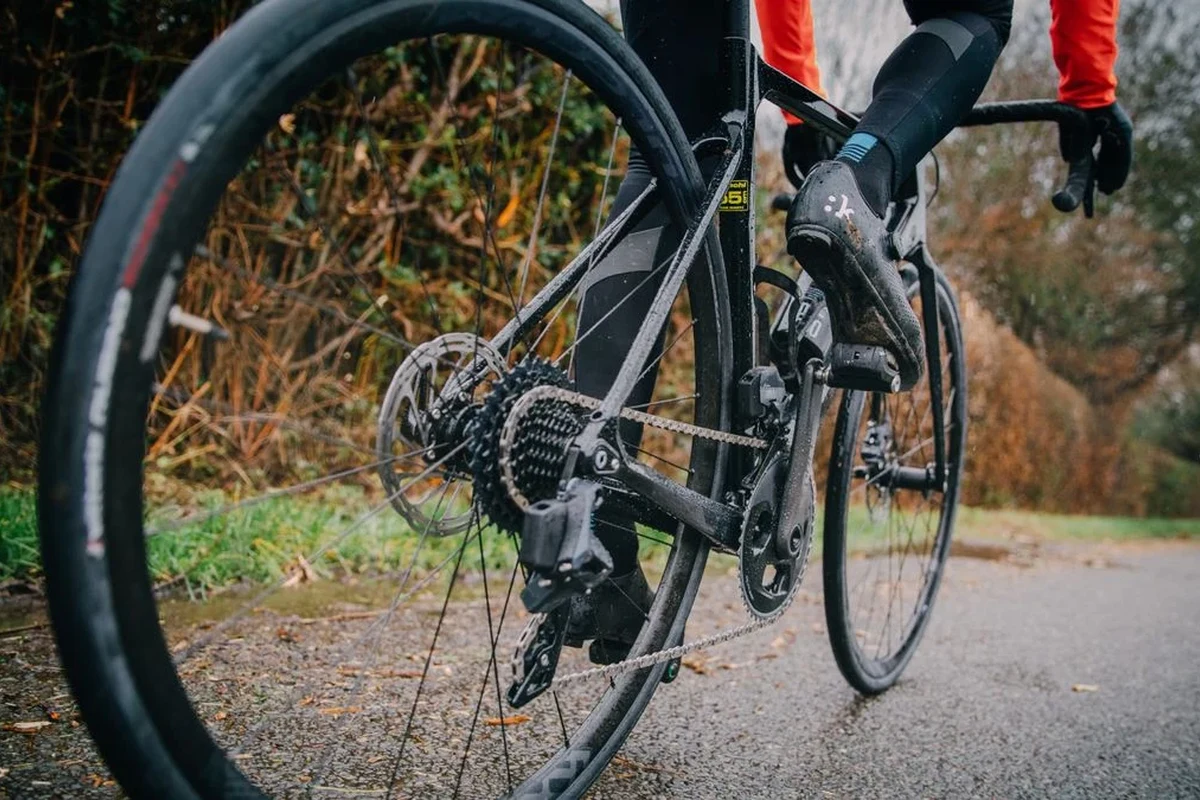
- Fit first: Saddle width and shape matter more than extra padding.
- Ride style counts: XC, trail, enduro, and downhill riders need different balance points.
- Setup matters: Height, fore-aft position, and tilt can change comfort a lot.
- Don’t chase weight only: Durability and support often matter more on rough trails.
Frequently Asked Questions
Start by matching the saddle to your sit-bone spacing and riding posture. More upright riders usually need a wider saddle than riders in a low, aggressive position.
No. Too much padding can increase friction and reduce support, especially on longer rides or rough terrain.
Fit matters more than the label. Compare width, shape, and pressure-relief design rather than assuming one category will automatically work.
Keep the saddle close to level, then adjust height and fore-aft position carefully. Small changes can make a big difference, so follow the manufacturer’s guidance and change one setting at a time.
Look for the right width, a shape that supports your posture, and a cover that handles weather and mud well. Durability often matters more than chasing the lightest possible saddle.
Stop using it if you see cracked rails, a damaged shell, torn cover edges, or unexpected movement in the clamp. Persistent pain or numbness also means you should reassess fit and consider professional guidance.