Beginners should start with a certified, well-fitting helmet, then add gloves and eye protection for the best early protection. Knee pads become more important as trails get steeper, rougher, or faster.
If you are new to mountain biking, start with a well-fitting helmet, gloves, and eye protection, then add knee or elbow pads as your terrain and confidence level demand. The right gear should feel secure, stay in place when you move, and match the kind of trails you actually ride.
- Start simple: Helmet, gloves, and eyewear cover the most common beginner risks.
- Fit matters most: Gear that shifts, pinches, or feels unstable is less useful.
- Match terrain: More technical trails usually justify more coverage.
- Check standards: Verify the exact helmet certification for your region before buying.
- Inspect often: Replace damaged gear and follow the manufacturer’s guidance after impacts.
Mountain Bike Protection Gear Guide for Beginners: What You Actually Need First
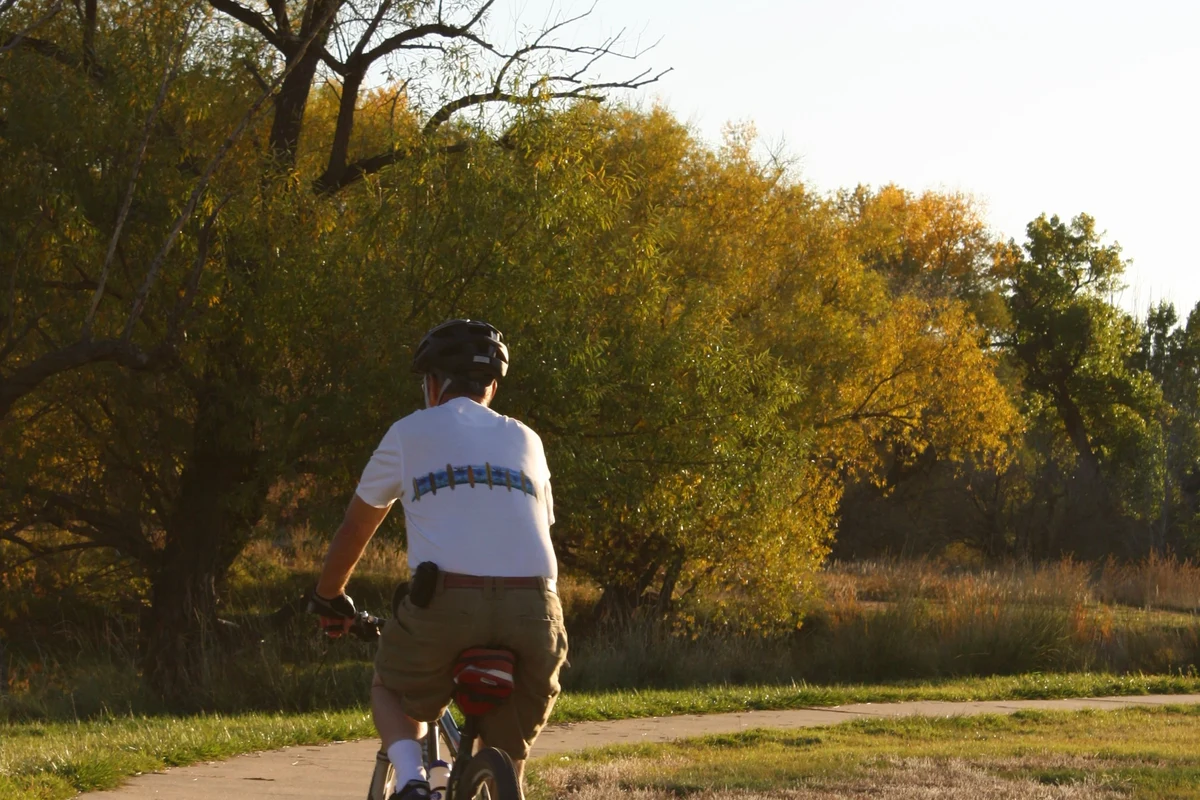
For most beginners, the smartest starting point is not a full armor setup. It is a basic kit that covers the most common risks: head impact, hand abrasions, flying debris, and minor falls.
A helmet is the one item you should treat as non-negotiable. Gloves and eyewear are the next most useful because they improve grip, reduce hand scrapes, and help protect your eyes from dust, branches, and roost.
Pads are useful, but they are not automatically necessary for every rider on every trail. If you are sticking to mellow paths, a good helmet and gloves may be enough at first. If you plan to ride steeper, rockier, or faster terrain, knee pads become a very practical next purchase.
How Mountain Bike Protection Gear Works on Real Trails
Protection gear works by reducing the force, friction, or direct contact your body experiences during a crash or near-crash. It cannot make riding risk-free, but it can reduce exposure to common trail hazards such as branch strikes, gravel spray, low-speed falls, and slide-outs.
Impact protection, abrasion resistance, and why coverage matters
Different pieces of gear solve different problems. Helmets are built to manage impact to the head, while pads are designed to absorb or spread force across joints and soft tissue. Gloves and eyewear are more about abrasion resistance, grip, and keeping debris out of sensitive areas.
Coverage matters because the part of the body that is protected is the part that is less likely to take the first hit. That does not mean more coverage is always better. Extra bulk can reduce mobility, trap heat, or make a beginner less comfortable, which sometimes leads to gear being left at home.
What gear can and cannot protect you from
Protection gear can reduce the severity of some injuries, but it cannot prevent every crash or injury. A helmet cannot stop a high-energy collision from causing harm, and pads cannot protect against every twist, compression, or awkward landing.
That is why trail choice, speed control, braking habits, and bike handling still matter. Gear should be treated as one layer of safety, not a substitute for skills or judgment.
If a crash is significant, or if you suspect a concussion, broken bone, or joint injury, stop riding and seek qualified medical guidance. Protective gear reduces risk, but it does not guarantee protection.
Beginner Protection Checklist: Helmet, Gloves, Pads, and Eye Protection
This is the basic checklist most new riders should understand before buying anything else. The goal is to cover the highest-value items first, then expand based on terrain and comfort.
Helmet fit, coverage, and standards to verify in 2025
Look for a helmet intended for cycling or mountain biking, not a generic sports helmet. The most important factors are fit, coverage, and a current safety certification that applies in your region. Common standards vary by market, so verify the label, model details, and the manufacturer’s documentation before buying.
Coverage should include the back and sides of the head as appropriate for the helmet style. Trail and enduro helmets often provide more rear coverage than lightweight cross-country designs, but the best choice depends on your riding style and comfort.
Certification names, labeling rules, and regional requirements can vary by country and by product category. Always check the exact model page, inside label, and official manual before purchase.
Gloves, knee pads, elbow pads, and eyewear: who needs what
Gloves are a strong beginner buy because they improve grip and protect your palms from scrapes if you put a hand down. They also help with comfort on longer rides, especially if your hands get sore from vibration or sweat.
Knee pads are the most common next step for riders who expect occasional falls, ride steeper descents, or spend time on loose or rocky trails. Elbow pads are less essential for many beginners, but they can make sense if you are riding technical terrain, practicing skills, or tend to fall forward.
Eyewear is worth considering whenever dust, insects, bright sunlight, or branches are part of the ride. Clear or lightly tinted lenses are often more versatile for beginners than very dark lenses, especially in changing light.
- Buy gloves and pads with enough room for finger movement and joint flexion.
- Choose eyewear that stays stable when you look down, turn your head, or sweat.
- Prioritize comfort first; gear you dislike is gear you will not keep using.
How to Choose the Right Gear for Your Riding Style and Terrain
Beginner protection should match the kind of riding you actually plan to do. A rider on smooth green trails needs a different setup than someone learning on steeper, root-filled, or bike-park-style terrain.
Cross-country vs trail vs enduro: matching protection to risk
Cross-country riding usually favors lighter, better-ventilated gear because climbing and long distances matter more. Trail riding sits in the middle, so many beginners choose a balanced helmet, gloves, and optional knee pads.
Enduro-style riding typically involves more speed, rougher descents, and more exposure to falls, so riders often choose more coverage and more durable gear. If you are unsure where you fit, start with the terrain that is most demanding on your current routes, not the terrain you hope to ride someday.
| Riding Style | Best Starter Protection | Main Trade-Off |
|---|---|---|
| Cross-country | Helmet, gloves, eyewear | Lightweight comfort over maximum coverage |
| Trail | Helmet, gloves, eyewear, optional knee pads | Balanced protection and ventilation |
| Enduro | More coverage, stronger pads, more durable helmet style | More heat and bulk |
Weather, trail conditions, and compatibility with packs, hydration, and bikes
Hot weather makes ventilation more important, while cold or wet conditions can change how pads, gloves, and eyewear feel. If you ride in mud, dust, or frequent rain, choose gear that is easier to clean and less likely to stay soggy after a ride.
Compatibility matters too. A helmet should work with your preferred eyewear. Pads should fit comfortably under or around hydration packs, jackets, or jersey sleeves. If you use a full-face helmet, make sure it does not interfere with your field of vision or your ability to breathe comfortably during climbs.
Fit and Sizing Guide for Comfortable, Safe Protection
Fit is one of the biggest reasons protective gear succeeds or fails. Even a well-made item can become annoying, unstable, or less useful if it shifts, pinches, or limits movement.
Helmet sizing, strap adjustment, and stability checks
A helmet should sit level on your head, not tilted back. It should feel snug without creating pressure points, and the retention system should hold it steady when you move your head side to side or look down.
Straps should form a secure V shape around the ears and buckle comfortably under the chin. If the helmet can rock forward, slide backward, or wobble easily, the size or adjustment is probably wrong.
Position it so it covers the forehead appropriately without sitting too high.
Adjust until the helmet feels stable, then fine-tune the chin strap.
Shake your head gently; the helmet should stay in place without painful pressure.
Pad fit, mobility, ventilation, and pressure-point troubleshooting
Knee and elbow pads should stay in place while pedaling, standing, and moving around off the bike. If they slide down, pinch behind the knee, or block your range of motion, they are not the right fit.
Ventilation becomes more important as the ride gets longer or hotter. Beginners sometimes choose the most heavily padded option available, then stop wearing it because it feels too warm or restrictive. A slightly lighter pad that you will actually wear is usually the better choice.
Try gear on in the riding position you use most often. Standing upright in a shop tells you less than bending, reaching, and pedaling motions do.
Key Buying Criteria: Materials, Standards, Comfort, and Value
For beginner gear, value is not just about the lowest price. It is about whether the item fits correctly, meets the right standard, lasts long enough for your use, and remains comfortable enough that you keep wearing it.
Certifications, ventilation, weight, durability, and replacement parts
Start with recognized safety certifications where they apply, then check ventilation and weight. A lighter helmet or pad may feel better on longer rides, but durability and coverage still matter more than a small comfort gain.
Replacement parts can be a useful value feature. Some helmets and pads have replaceable pads, straps, or pads that extend usable life, but availability varies by brand and model. Confirm what is actually supported before buying.
Many helmet fit problems come from shape mismatch, not just size. Two helmets with the same labeled size can feel very different on the same head.
Budget trade-offs and when premium features are worth it
Budget gear can be a smart choice if it fits well and meets the right safety requirements. Premium features are worth considering when they solve a real problem for you, such as better ventilation, more precise adjustment, stronger materials, or improved compatibility with eyewear and packs.
Do not pay extra for features you will not notice on your trails. For many beginners, the best upgrade is better fit, not more complexity.
Safe Use, Inspection, and Maintenance Tips for Long-Term Protection
Protective gear lasts longer and works better when it is inspected and cared for properly. Dirt, sweat, UV exposure, and repeated impacts can all reduce comfort and may affect performance over time.
Pre-ride checks, damage signs, cleaning, and storage
Before each ride, glance over your helmet, straps, buckles, pads, and eyewear for obvious damage. Look for cracks, crushed foam, loose straps, torn fabric, broken closures, or parts that no longer hold adjustment.
Clean gear according to the manufacturer’s instructions. In general, mild soap and water are safer than harsh cleaners, but materials vary. Let gear dry fully before storage, and keep it away from extreme heat or direct sun when possible.
If a helmet or pad shows visible damage, no longer fits securely, or has taken a meaningful impact, stop using it until you confirm whether replacement is required by the manufacturer.
When to replace helmets and pads after impacts, wear, or age
Replace a helmet after any crash or impact that may have compromised it, even if the damage is not obvious. For pads, replacement depends on the severity of the hit, the condition of the foam or shell, and whether the straps or closures still work properly.
Age can also matter because materials degrade over time. Since replacement guidance varies by model and manufacturer, check the official manual and warranty information rather than relying on a generic rule.
Common Beginner Mistakes and a Practical Starter Recommendation
Most first-time buyers make the same few errors: they buy too much gear, ignore fit, or choose protection that does not match their trails. Avoiding those mistakes usually matters more than chasing the most advanced-looking setup.
Overbuying, poor fit, ignoring standards, and underestimating terrain
Overbuying often happens when beginners assume they need the heaviest pads or the most aggressive helmet right away. That can lead to discomfort, overheating, and gear that stays in the closet.
Poor fit is the bigger issue. A helmet that slides, straps that rub, or pads that migrate can be distracting and may reduce the chance you will wear them consistently. Ignoring standards is another avoidable mistake, especially when shopping online without checking the exact model details.
Best-value starter setup by budget and riding goals
For most beginners, the best-value setup is simple: a properly certified, well-fitting helmet; gloves; and eye protection. Add knee pads if your local trails are rocky, steep, or fast enough that a slide-out feels likely rather than hypothetical.
If you ride mostly smooth paths, keep the setup light and comfortable. If you are progressing toward technical trails, choose gear with a little more coverage and durability, but still prioritize fit and ventilation over maximum bulk.
- Begin with a helmet, gloves, and eye protection; add pads based on terrain.
- Fit and certification matter more than flashy features.
- Choose gear you can wear comfortably on your actual rides.
- Inspect, clean, and replace gear according to the manufacturer’s guidance.
Common Questions
A helmet is the most important item to buy first. After that, gloves and eye protection are usually the best value.
Usually not for mellow trails, but it can make sense for steeper or more aggressive riding. Match the helmet style to your terrain and comfort level.
They can be, especially on rocky or technical trails. If your rides are smooth and slow, they may be optional at first.
Snug enough to stay put, but not so tight that it causes pain or limits movement. If it slides or pinches, the fit needs adjustment or a different size.
Not if the fit or certification is poor. The best beginner choice is usually the gear that fits correctly and matches your riding, even if it is not the cheapest.
Frequently Asked Questions
Start with a helmet, gloves, and eye protection. Those items cover the most common beginner risks without adding too much bulk.
It should sit level, feel snug, and stay stable when you move your head. The straps should form a secure shape around the ears and buckle comfortably under the chin.
Check the exact model label and manufacturer information for the certification that applies in your region. Standards can vary by country and product type, so verify before you buy.
Not always, but they are useful on steeper, rockier, or faster trails. If your rides are gentle, you may start without them and add them later.
Inspect it before rides, clean it according to the manufacturer’s instructions, and store it away from extreme heat when possible. Replace damaged gear or any item that no longer fits securely.
Check the manufacturer’s replacement guidance, warranty terms, and any relevant recall notices. If a helmet has taken a significant impact, stop using it until you confirm whether replacement is required.