Prevent mountain biking blisters by improving fit, keeping contact points dry, and reducing friction at your hands, feet, and saddle areas. The most effective fix is usually a combination of better gear setup and simple trail habits, not one single product.
Blisters on a mountain bike usually come from a mix of friction, moisture, and poor contact-point setup. The fastest way to prevent them is to improve fit first, manage sweat and wet conditions second, and reduce rubbing at the hands, feet, and saddle contact points third.
- Fit first: Gloves, shoes, and saddle position should secure you without pinching or sliding.
- Dry contact points: Sweat, rain, mud, and grit make friction worse and soften skin.
- Target the hot spots: Use tape, patches, or anti-chafe products only where needed.
- Check your setup: Small adjustments can prevent repeated rubbing over long rides.
How to Prevent Blisters While Mountain Biking: The Fast Answer
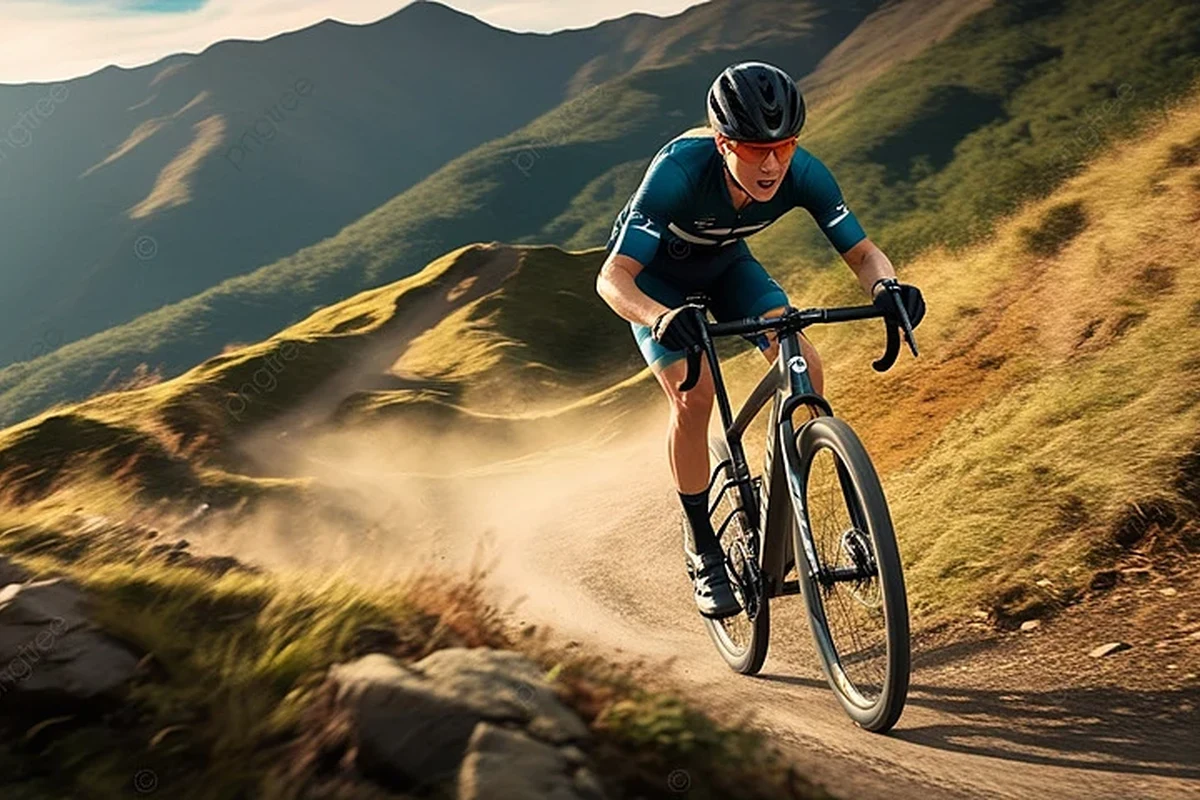
If you want the short version: wear gloves and shoes that fit correctly, keep your hands and feet as dry as practical, and make sure your bike fit is not forcing extra pressure onto one spot. Most blister problems are not caused by one single item; they happen when several small irritations stack up over a long ride.
That means a good pair of gloves alone will not solve everything if your grips are too aggressive, your shoes are too tight, or your socks trap sweat. The best prevention plan is a system: comfort-focused gear, smart setup, and a few trail-ready habits that lower friction before it becomes a hot spot.
Why Mountain Biking Causes Blisters in the First Place
Blisters form when skin is repeatedly rubbed or compressed faster than it can tolerate. On a mountain bike, that can happen at your palms, fingers, toes, heels, or even areas near the saddle where clothing and skin move against each other.
Friction, moisture, pressure points, and repeated grip changes
Mountain biking adds vibration, braking, steering corrections, and body movement over uneven ground. Your hands may shift on the grips, your feet may slide slightly inside shoes, and sweat can soften skin so it breaks down more easily.
Pressure points matter too. A seam in a glove, a wrinkle in a sock, a shoe that pinches the toes, or a saddle angle that concentrates load can all create a small problem that grows during a long ride.
How terrain, weather, and ride length make blisters worse
Rough trails increase hand fatigue because you grip harder when the bike is bouncing around. Heat, humidity, rain, mud, and stream crossings all add moisture, while long rides give friction more time to work.
Even a setup that feels fine on a short spin can cause trouble after an hour or two. That is why blister prevention should be judged by real ride conditions, not just by how gear feels in the parking lot.
Choose Gloves, Grips, and Hand Contact Points That Reduce Hot Spots
Your hands are one of the most common blister zones on a mountain bike. The goal is not maximum padding; it is a stable, secure contact point that does not create seams, pressure ridges, or excessive sweating.
Glove fit, padding, ventilation, and grip compatibility
Gloves should feel snug without pulling across the knuckles or bunching in the palm. Too much extra material can wrinkle and rub, while gloves that are too tight can increase pressure and reduce circulation comfort.
Padding can help, but more padding is not always better. If the padding is thick in the wrong place, it can create a new pressure point or make it harder to feel the bar and brake levers. Ventilation matters on hot rides because sweaty palms soften skin and increase rubbing.
Try gloves on with the hand position you use on the bars. Flex your fingers and mimic braking so you can spot seams or pressure points before a ride.
Handlebar grip texture, bar tape options, and ergonomic shapes
Grip texture affects how hard you need to hold on. A grip that is too slick can make you squeeze harder, while an overly aggressive texture can irritate sensitive skin over time. Ergonomic shapes can help some riders by spreading pressure across a wider contact area.
Bar tape is more common on drop bars than mountain bikes, but the same principle applies: a surface that balances traction and comfort is usually better than one that is either too harsh or too slippery. The right choice depends on hand size, riding style, terrain, and whether you prefer more feedback or more cushioning.
When to size up, size down, or switch materials
Size up if a glove or grip setup feels cramped, creates seam pressure, or makes your hands sweat more because airflow is limited. Size down if your hands slide inside the glove, which can create rubbing during braking and rough descents.
Switch materials when the issue is not fit but surface behavior. For example, a rider who gets hot spots from thick padding may do better with a thinner, more breathable glove, while someone with vibration sensitivity may prefer a slightly cushioned option that still keeps the palm stable.
Dial In Bike Fit to Prevent Foot, Hand, and Seat-Related Blisters
Fit issues do not just affect performance; they can create repeated rubbing at the exact places where your body meets the bike. Small changes in saddle position, reach, shoe fit, or pedal interface can reduce the amount of movement that causes skin breakdown.
Shoe fit, sock choice, and pedal interface for foot blisters
Foot blisters often come from shoes that are too tight in the toe box, too loose in the heel, or paired with socks that trap moisture. A secure fit should hold the foot without creating hot spots when you push hard, climb, or shift weight on rough terrain.
Sock choice matters because seams and fabric thickness can change pressure distribution. Breathable socks and, for some riders, thin liners can reduce moisture buildup, but the best option depends on shoe volume and weather. Pedal interface also matters: if your foot is constantly repositioning, friction goes up.
Saddle height, reach, and contact pressure for seat-area irritation
Seat-area blisters or skin irritation are often a sign of too much movement, too much pressure, or clothing that is not managing moisture well. A saddle that is too high can cause rocking, while one that is too low can increase pressure and rubbing in other areas.
Reach also affects how much you shift around on the saddle. If you are stretched too far, you may slide forward or brace with your upper body, which can increase friction at the contact points. For this reason, saddle comfort is often part bike fit and part clothing choice.
Why small fit changes can create big comfort gains
Blister prevention is often about reducing microscopic movement. A few millimeters of saddle adjustment, a different sock thickness, or a glove that matches your hand shape can change how pressure is distributed over thousands of pedal strokes.
If a contact point keeps causing irritation, do not assume you need to “break it in” forever. Sometimes the better fix is a different size, shape, or material rather than more tolerance.
Build a Blister-Prevention Kit for Real-World Trail Conditions
A small comfort kit can save a ride when weather changes or a hot spot starts developing. The best kit is simple, easy to pack, and matched to the conditions you actually ride in.
Moisture management: socks, liners, and breathable layers
Moisture is one of the biggest blister accelerators. Breathable socks, quick-drying gloves, and layers that do not trap sweat can help keep skin firmer and less likely to shear.
For some riders, thin liners or a second pair of socks are useful on long or wet rides. The right choice depends on shoe volume, weather, and how quickly your feet usually get damp.
Anti-chafe products, tape, and protective patches
Anti-chafe balms, tape, and protective patches can reduce rubbing before it becomes a blister. These are especially useful for known problem spots such as the heel, toes, palm edge, or inner thigh area near the saddle.
Use them as a targeted fix, not a replacement for fit. If you need tape or balm every ride in the same place, it may be worth revisiting the underlying shoe, glove, or bike setup.
- Cover known hot spots before a long or wet ride
- Keep tape edges smooth so they do not peel and rub
- Choose products that stay comfortable under sweat and movement
- Applying thick layers that bunch inside shoes or gloves
- Using products on dirty or damp skin without cleaning first
- Assuming one product can fix a poor fit issue
What to pack for wet, hot, muddy, or long-distance rides
For variable conditions, pack a spare pair of socks, a small towel or cloth, blister tape, and a simple anti-chafe option. Wet-weather riders may also want a dry glove option or a way to protect hands after a stream crossing or rain shower.
Long-distance riders should think in terms of prevention and rescue. The goal is to identify a hot spot early, dry it if possible, and reduce friction before it becomes a ride-ending problem.
How to Use Gear Correctly Before and During the Ride
Even the right gear can cause blisters if it is used incorrectly. Pre-ride checks and a few mid-ride habits can make a bigger difference than many riders expect.
Pre-ride setup checks for gloves, shoes, pedals, and contact points
Before you roll out, make sure gloves are fully seated, socks are smooth, and shoes are snug without pinching. Check that grips are secure, brake levers are positioned comfortably, and any straps or closures are not creating a hard edge.
Also inspect contact surfaces for grit, mud, or grit-like debris. A small amount of dirt inside a glove, shoe, or sock can act like sandpaper once the ride gets rough.
- Confirm glove, shoe, and sock fit with the riding position you actually use
- Check compatibility with pedals, grips, and any protective patches or tape
- Review care instructions so sweat, mud, and drying methods do not shorten gear life
- Verify return policy if sizing is uncertain
Mid-ride habits that lower friction and pressure buildup
Change hand positions occasionally when terrain allows. Shift pressure on climbs, stand up briefly when safe, and pay attention to the first sign of a hot spot rather than waiting until it becomes painful.
If your hands or feet are getting damp, a short pause to dry them can help. Re-tightening shoes or gloves should be done carefully; the goal is support, not extra compression.
When to stop, adjust, or cut the ride short
If you feel a blister forming, stop and address it early. A quick adjustment, a dry sock, or a patch placed before the skin breaks can prevent a much worse problem later.
If friction becomes severe enough to affect braking, shifting, or your ability to stay in control, stop and reassess. Comfort problems should not be pushed through when they interfere with safe riding.
Common Mistakes That Cause Blisters Even With Good Gear
Many riders buy decent gear and still end up with blisters because of avoidable setup mistakes. The issue is usually not the brand name; it is how the gear interacts with sweat, dirt, and movement on the trail.
Breaking in new gear too aggressively
New gloves, shoes, and grips often feel different in the first few rides. Jumping straight into a long, technical day can expose pressure points before the material has settled or before you know whether the fit is truly right.
A gradual break-in period gives you time to notice problems early. If discomfort keeps showing up in the same place, do not assume it will disappear on its own.
Ignoring wet gloves, sweaty socks, or dirty contact surfaces
Wet fabric softens skin and increases rubbing. Dirty gloves, muddy socks, and grimy grips can also create abrasion that feels minor at first but worsens as the ride continues.
Cleaning and drying matter as much as buying. A clean, dry contact point is less likely to irritate skin than a premium item that stays damp or holds debris.
Over-tightening shoes, straps, or grips
Too much tightness can cause pressure buildup and reduce natural foot or hand movement. That often leads to rubbing at the edge of the closure, around the toes, or across the palm.
Secure is good; compressed is not. If you need to crank everything down to feel stable, the sizing or design may be wrong for your body.
Best Practices for Care, Storage, and Long-Term Comfort
Comfort gear lasts longer and works better when it is cleaned, dried, and replaced before it fails. Maintenance is not just about durability; it also helps preserve the fit and feel that reduce blisters.
Cleaning and drying gloves, shoes, socks, and grips
Follow the manufacturer’s care instructions for each item. In general, sweat and mud should be removed promptly, and gear should be dried fully before it is stored so odors, stiffness, and material breakdown do not build up.
Grips should be checked for looseness, tears, or slick buildup. Socks and gloves that stay damp in a gear bag can become uncomfortable even if they still look usable.
Keep a small “post-ride dry-out” routine: empty wet items, open closures, and let everything air out before the next ride. That simple habit helps preserve comfort and reduces repeat friction from damp gear.
When to replace worn gear and how to spot failure early
Replace gear when padding has packed out, seams are failing, grips are slick or torn, or shoes no longer hold the foot securely. Wear patterns can show up before total failure, so inspect high-friction areas regularly.
Stop using damaged gear and follow the manufacturer’s inspection or service guidance. If a closure, seam, or grip surface is failing, it can create new hot spots or reduce control.
Value comparison: budget fixes vs. premium comfort upgrades
Budget fixes like better socks, blister tape, and careful fit adjustments often solve a surprising number of problems. Premium upgrades can be worth it when a rider needs a more specific glove shape, better ventilation, or a shoe that matches foot volume more closely.
The best value usually comes from solving the root cause first. Spending more on a premium item that fits poorly is less effective than a modestly priced item that matches your body and riding style.
Final Recommendation: The Most Effective Way to Prevent Blisters While Mountain Biking
The most reliable approach is simple: fit first, moisture control second, friction reduction third. If you address those three areas together, you can prevent most mountain-bike blister problems without overcomplicating your setup.
Best approach for beginners, frequent riders, and wet-weather riders
Beginners should start with well-fitting gloves, shoes, and socks, then pay attention to any repeated hot spots after each ride. Frequent riders benefit from a more deliberate fit check and a small repair kit for tape, patches, or dry socks.
Wet-weather riders should prioritize quick-drying materials, spare layers, and careful post-ride drying. In muddy or rainy conditions, even good gear can become uncomfortable if it stays wet and gritty for too long.
What matters most: fit first, moisture control second, friction reduction third
If you only improve one thing, improve fit. If you improve two, add moisture control. If you improve three, add targeted friction reduction with gloves, grips, socks, patches, or tape where needed.
That order works because blisters are usually a systems problem, not a single-gear problem. A comfortable, secure setup with clean, dry contact points is the most dependable way to stay focused on the trail instead of your skin.
Common Questions
Start with proper fit for gloves, shoes, and bike contact points, then manage sweat and wet conditions. Reduce friction early when you notice a hot spot.
Not always. A glove that fits well and stays breathable may work better than a heavily padded glove that traps sweat or creates seams.
Yes. Moisture softens skin and increases rubbing, so breathable socks and dry changes can help on longer or wetter rides.
Only if you have a known hot spot or a long, wet, or rough ride ahead. Tape is best as a targeted fix, not a substitute for proper fit.
That usually means a contact-point issue such as fit, pressure, or repeated friction. Recheck gloves, shoes, saddle position, and any seam or closure near the area.
Frequently Asked Questions
Blisters usually come from friction, moisture, and pressure points at the hands, feet, or saddle contact areas. Long rides and rough terrain make the problem worse because they increase rubbing and sweat.
No. Padding can help, but gloves that fit poorly or trap sweat can still cause hot spots. A snug fit, good ventilation, and compatible grips matter just as much.
Shoes should hold the foot securely without pinching the toes or heel. If your foot slides around or gets compressed, friction and pressure can create blisters.
Yes. A saddle that is too high, too low, or poorly matched to your reach can increase movement and pressure, which can lead to skin irritation in seat-area contact zones.
Pack blister tape, a dry pair of socks, a small towel or cloth, and a simple anti-chafe product if you use one. These items help you manage moisture and hot spots before they become a bigger problem.
Stop if the irritation is affecting your ability to brake, steer, or pedal safely. If a hot spot keeps worsening after an adjustment, it is better to address it early than push through and make it worse.