MTB helmet ventilation helps most when vent placement, internal channels, and fit work together. For hot weather riding, choose the most ventilated helmet that still matches your terrain and safety needs.
If you ride in heat, the best MTB helmet ventilation comes from a mix of good vent placement, internal airflow channels, and a secure fit that lets air move through the helmet instead of around it. More vents can help, but the shape of the shell, your speed, your riding position, and the helmet’s coverage all matter too.
- Vent count is not everything: Placement, channels, and exhaust design often matter more than the total number of holes.
- Fit affects cooling: A stable, correctly sized helmet usually feels cooler and more comfortable than a loose.
- Match the terrain: Open, lightweight helmets suit hot climbs; more covered models may fit aggressive trail and.
- Verify safety labels: Check the current certification for your region and intended use before buying.
MTB Helmet Ventilation Explained: What Actually Keeps You Cool in Hot Weather
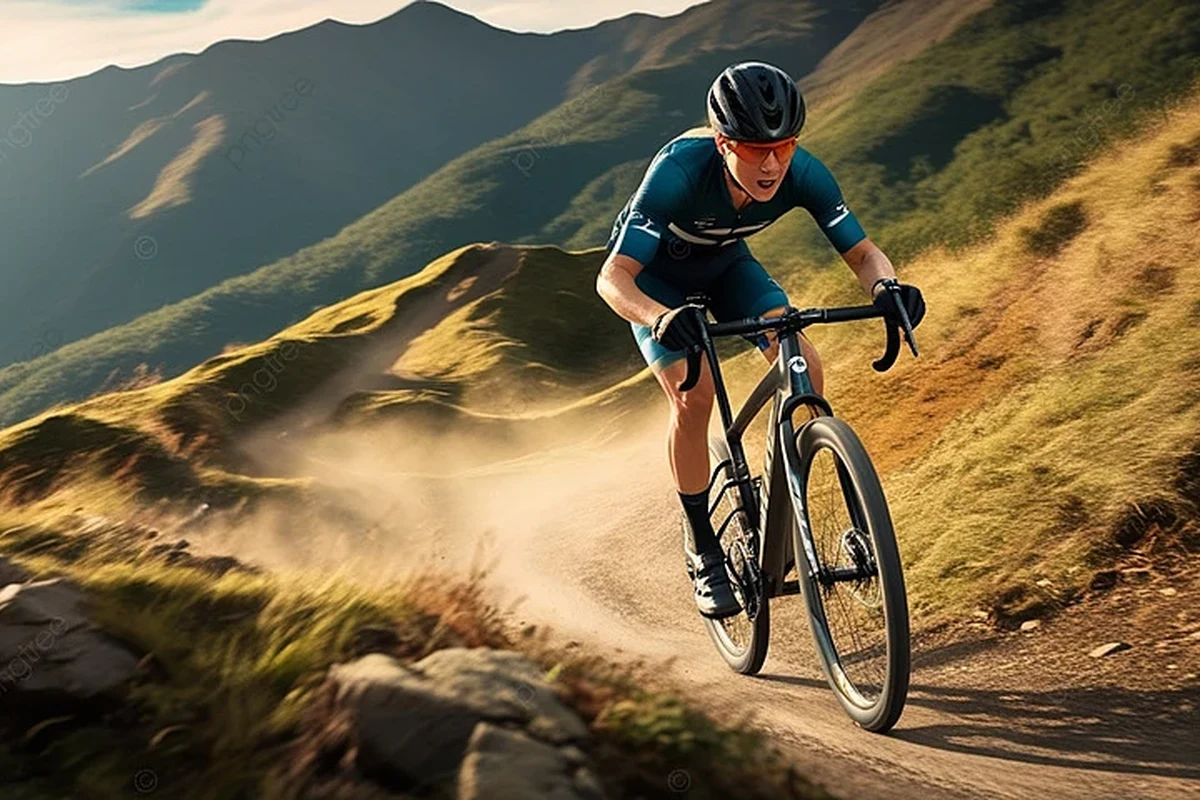
Hot-weather comfort starts with how a helmet handles moving air, sweat, and sun exposure. A well-ventilated MTB helmet can feel noticeably easier to live with on long climbs, humid trail days, or exposed desert rides, but ventilation is only one part of the equation.
In practice, cooling depends on three things: how air enters the helmet, how it travels over your head, and how easily it exits. If any one of those is weak, the helmet may still feel warm even if it has a lot of vents on paper.
How MTB Helmet Ventilation Works: Vents, Channeling, and Airflow at Speed
Ventilation is not just about the number of openings in the shell. It is about whether the helmet can guide air across the scalp and out the back while staying stable on your head.
Vent count vs. vent placement: why more holes do not always mean better cooling
Two helmets can have a similar number of vents and feel very different in heat. If vents are small, poorly aligned, or partially blocked by the shell shape, they may move less air than a helmet with fewer but better-placed openings.
Vent placement matters because airflow follows the path of least resistance. Front vents that line up with your usual riding position, plus exits near the rear, often do more for comfort than a high vent count alone.
Airflow is usually strongest when the helmet’s front intake, internal channels, and rear exhaust work together as one system.
Internal air channels, brow ports, and exhaust design
Internal channels are the hidden passages that guide air across the head. Brow ports can help direct incoming air toward the forehead, which is often one of the first places riders notice heat buildup.
Rear exhaust ports matter too, because air needs a way out. Without an exit path, the helmet can trap warm air, especially at slower speeds or during long climbs.
For riders who sweat heavily, pad layout also affects comfort. Thick or poorly placed padding can block airflow, while removable pads may help manage sweat and cleaning, depending on the model.
What to Look for in a Hot-Weather MTB Helmet
The best hot-weather helmet is not always the lightest or the most open. It is the one that fits securely, meets the right safety standards, and stays comfortable when your body temperature rises.
Fit and sizing: how a secure fit affects comfort, airflow, and safety
A secure fit matters because a helmet that shifts around can feel hotter and less stable. If the fit system is too loose, air may leak around the edges instead of moving through the vents as intended.
At the same time, over-tightening the retention system can create pressure points and make a helmet feel stuffy. The goal is a snug, even fit that stays centered without pinching.
Try to fit the helmet with your usual riding eyewear and, if relevant, a thin cap or headband you might wear in hot weather. That gives a more realistic sense of comfort and vent clearance.
Safety standards to verify in 2025: what certifications and coverage matter
For MTB helmets, check the label or product page for the relevant safety certification in your region. In the U.S., riders commonly look for CPSC compliance for bicycle helmets, while some helmets may also list additional standards such as ASTM or other regional certifications depending on intended use.
Coverage matters as well. Trail and enduro helmets often provide more rear and side coverage than ultra-open cross-country designs, but added coverage can reduce airflow or increase weight. Always verify the current manufacturer specifications and the official manual before buying.
Protection is never guaranteed by ventilation, certification, or price alone. A helmet must fit correctly and be used according to the manufacturer’s instructions.
Weight, padding, visor design, and eyewear compatibility
Weight affects how a helmet feels on long climbs, but lighter is not automatically better if fit or coverage suffers. Padding can improve comfort, yet too much padding in the wrong places may hold heat.
Visor design also matters. A large visor can help with sun and trail glare, but it should not interfere with airflow, goggles, or glasses. If you ride with eyewear, look for a helmet that leaves enough space at the temples and brow.
- Confirm the helmet size range and retention adjustment fit your head shape
- Verify the safety standard listed for your region and riding type
- Check eyewear, goggle, and visor compatibility
- Review replacement guidance, warranty terms, and return policy
Who Benefits Most from High-Ventilation MTB Helmets
High-ventilation helmets are not only for racers. They can be a smart comfort choice for many riders who spend time climbing, riding in heat, or dealing with humidity.
Cross-country, trail, and endurance riders in humid or desert climates
Riders who spend long periods pedaling at steady effort often notice the biggest benefit from strong airflow. Cross-country and endurance riders usually generate a lot of heat through sustained effort, so a helmet that moves air well can reduce that trapped, sweaty feeling.
In humid climates, ventilation still helps, but it may not feel as dramatic because sweat evaporates more slowly. In dry, hot conditions, open venting can make a more obvious difference during climbs and between shaded sections.
E-bike riders, slower technical climbers, and riders prone to overheating
E-bike riders may assume speed alone will keep them cool, but that is not always true on steep climbs, slow technical sections, or stop-and-go riding. Riders who move slowly for long periods may benefit from helmets with better brow and exhaust airflow.
People who tend to overheat easily may also prefer a more ventilated model, as long as it still offers the coverage and fit they need. If heat sensitivity is a concern, it is worth prioritizing comfort and airflow over a few extra style features.
Real-World Trade-Offs: Cooling vs. Protection, Coverage, and Durability
Ventilation is useful, but every design choice has a trade-off. More airflow can mean a more open shell, and that may affect coverage, durability, or the type of riding the helmet is best suited for.
When lighter, more open designs make sense
Open, lightweight helmets often make the most sense for riders who prioritize long climbs, hot weather, and all-day comfort on less aggressive terrain. They can also be a good fit for riders who value minimal neck strain and a less bulky feel.
These helmets usually shine when speed and continuous airflow are part of the ride. If your routes are mostly steady pedaling rather than slow, technical descents, the comfort payoff can be worth it.
Where extra coverage or MIPS-style protection may be worth the trade-off
Some riders prefer more rear coverage, a sturdier shell, or a rotational-impact system such as MIPS-style protection. Those features may add weight or reduce openness, but they can be worth considering for trail, enduro, or mixed-terrain riding where impact exposure may be higher.
Because features and claims vary by brand and model, compare the actual specifications rather than assuming one design is always safer or cooler. The right choice depends on your terrain, speed, and risk tolerance.
Evidence limits: what ventilation can and cannot prove about comfort
Ventilation is easy to market but hard to generalize. A helmet that feels airy for one rider may feel warm for another because of head shape, hair, sweat rate, riding pace, and local weather.
That is why you should treat vent count as a clue, not proof. Real comfort also depends on fit, pad thickness, shell shape, visor position, and whether the helmet matches the kind of riding you actually do.
Manufacturer photos and marketing language can make a helmet look more ventilated than it will feel in use. Confirm the design details and specs before deciding.
Common Mistakes That Reduce Helmet Cooling and Safety
Some of the biggest problems are simple setup issues. A helmet can have good ventilation on paper and still feel hot if it is worn or maintained poorly.
Wrong size, over-tight straps, and blocked vents from caps or accessories
If the helmet is too large, it may sit too low or shift around, which can interrupt airflow and comfort. If it is too small, you may end up overtightening the retention system to compensate.
Caps, thick headwear, oversized headphones, or accessories that cover intake vents can reduce cooling. Even a visor positioned too low can interfere with airflow or eyewear clearance.
- Adjust the fit system so the helmet sits level and stable
- Keep vents and channel openings as clear as the design allows
- Use accessories only if they do not interfere with fit or airflow
- Wearing a loose helmet and tightening the straps to “fix” it
- Blocking vent openings with thick caps or bulky gear
- Assuming a bigger visor or more padding will improve cooling
Using a damaged helmet, expired padding, or poor storage habits
Heat, sweat, and repeated use can wear down pads and straps over time. If padding becomes compressed, damaged, or difficult to clean, comfort and airflow may suffer.
Never keep using a helmet after a crash unless the manufacturer says it is still safe. Also avoid storing helmets in places with prolonged heat, such as a car trunk or direct sun, because excessive heat can degrade materials.
Stop using damaged gear and follow the manufacturer’s inspection or service guidance. If a helmet shows cracks, crushed foam, broken straps, or impact damage, replace it.
Care, Storage, and Replacement Guidance for MTB Helmets
Good care helps a helmet stay comfortable, but it does not extend protection indefinitely. Follow the manufacturer’s instructions for cleaning, storage, and retirement.
Cleaning sweat, pads, and straps without damaging materials
Most helmets do best with gentle cleaning. Remove pads if the model allows it, wash them according to the instructions, and let everything dry fully before reassembly.
Use mild soap and water unless the manufacturer recommends something different. Harsh chemicals, high heat, and aggressive scrubbing can damage foam, straps, adhesives, or finishes.
- Air-dry pads and straps completely before storing the helmet
- Wipe away sweat after rides to reduce odor and material buildup
- Check buckle operation and strap condition during cleaning
Heat exposure, crash replacement, and when to retire a helmet
Replace a helmet after any significant impact, even if damage is not obvious, if the manufacturer says so. Foam damage can be hard to see from the outside.
Retirement is also appropriate when the fit system fails, the shell cracks, the straps fray, or the pads no longer stay secure. If you are unsure, consult the brand’s manual or customer support rather than guessing.
Final Verdict: Choosing the Right Ventilated MTB Helmet for Hot Weather Riding
The best ventilated MTB helmet is the one that fits securely, matches your terrain, and keeps enough airflow moving across your head without compromising the coverage you need. For many hot-weather riders, the smartest choice is a well-vented trail or cross-country helmet that balances open airflow with a verified safety standard and reliable retention system.
Best-value decision criteria and a practical recommendation for 2025 riders
Start with fit, then verify the safety certification for your region, then compare vent layout, eyewear compatibility, and coverage. If you ride mostly in heat and spend a lot of time climbing or pedaling steadily, a lighter open-vent design is often the best comfort value.
If your riding is more aggressive, technical, or mixed with higher-speed descents, consider a helmet with a bit more coverage even if it runs warmer. In hot weather, the right helmet is not the most ventilated one on the shelf; it is the one you can wear correctly, comfortably, and consistently.
Choose a ventilated MTB helmet that fits securely, meets the correct safety standard, and suits your terrain. Riders who prioritize long climbs and hot climates should lean toward lighter, open designs, while trail and enduro riders may accept less airflow for more coverage and added features.
Common Questions
No. Vent placement and internal airflow paths often matter more than raw vent count.
A secure fit helps air move through the helmet instead of around it. It also keeps the helmet stable and more comfortable.
Not always. A lighter helmet can feel better on long rides, but only if it still fits well and gives you the coverage you need.
Sometimes, but it may block vents and reduce airflow. Check that it does not interfere with fit or safety.
Follow the manufacturer’s guidance, and replace it if there is any impact damage or if the brand recommends retirement after a crash.
Frequently Asked Questions
Vent placement, internal channels, and a secure fit are the biggest factors. A helmet that moves air efficiently will usually feel cooler than one that simply has more vents.
It should sit level, feel snug, and stay put when you move your head. It should not pinch, rock, or require constant strap readjustment.
Check the certification required in your region and for your riding type, such as CPSC in the United States. Verify the exact label on the helmet and confirm current manufacturer details before buying.
That depends on your terrain and speed. Riders on technical trails may prefer more coverage, while riders focused on hot climbs may prioritize airflow.
Use mild soap and water unless the manufacturer says otherwise, and let all parts dry fully. Avoid harsh chemicals and high heat, which can damage materials.
Stop using it after a significant crash, if you see cracks or broken straps, or if the fit system no longer works properly. If you are unsure, follow the manufacturer’s inspection and replacement guidance.