Mountain bike helmets have visors mainly to block glare, deflect light debris, and help riders see better in changing trail conditions. They are useful for many trail riders, but fit, safety certification, and eyewear compatibility matter more than the visor alone.
Mountain bike helmets have visors to help riders deal with trail conditions that road helmets usually do not face: changing light, branches, mud, dust, and steep body positions. In most cases, the visor is there for practical trail use, not just style.
- Trail function: Visors help with sun, branches, dust, and changing light.
- Not universal: Some riders prefer visorless helmets for airflow and a cleaner view.
- Fit first: A visor cannot fix a helmet that fits poorly or lacks the right safety.
- Eyewear matters: Check compatibility with sunglasses or goggles before buying.
Why Mountain Bike Helmets Have Visors: The Short Answer for Riders
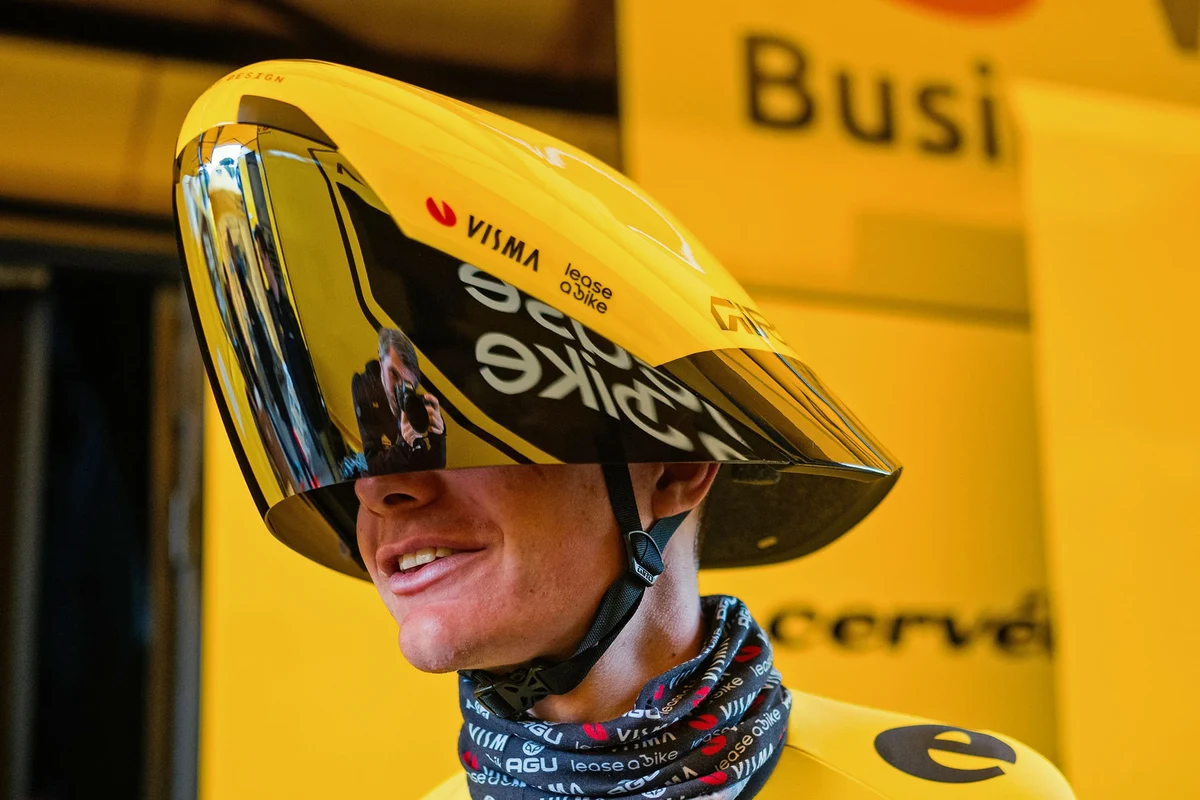
A visor helps block glare, shield your eyes from light debris, and add a little protection when riding under trees or in messy weather. It is especially useful on trails where your head angle changes often and conditions can shift quickly.
That said, a visor is not essential for every rider. Some people prefer a low-profile helmet without one, especially if they want maximum airflow, a cleaner field of vision, or easier goggle compatibility.
What a Visor Actually Does on a Mountain Bike Helmet
A helmet visor is a small brim mounted at the front of the helmet shell. On mountain bike helmets, it is usually designed to be adjustable or at least positioned to support trail riding rather than road-style aerodynamics.
Shade, Glare Reduction, and Trail Visibility
One of the main jobs of a visor is to help with sunlight. On trails, riders often move between open sections and shaded areas, which can make light feel harsh or inconsistent.
The visor can reduce direct sun in your eyes when you are looking slightly upward on climbs or scanning ahead on descents. It does not replace sunglasses or clear lenses, but it can make visual transitions feel less abrupt.
Deflecting Branches, Mud, and Light Debris
On narrow singletrack, a visor can help deflect small branches, leaves, and light trail debris that might otherwise brush your face. It may also help keep a little mud or spray from landing directly on your forehead or upper eyewear.
It is important to keep expectations realistic. A visor is not a shield, and it will not stop serious impacts or large debris. Its value is mostly in minor trail interference and comfort.
Why Visors Are More Common on MTB Helmets Than Road Helmets
Road helmets are built around speed, ventilation, and a more forward-leaning riding position. Mountain bike helmets are designed for rougher terrain, more frequent head movement, and more unpredictable surroundings.
That is why visors are more common in mountain biking. They fit the way riders look down trails, ride under tree cover, and handle changing terrain. Road riders generally need less branch protection and usually prefer a wider, unobstructed view.
How Mountain Bike Helmet Visors Work in Real Trail Conditions
The usefulness of a visor depends on where and how you ride. A visor that feels unnecessary on open fire roads may be helpful in dense woods or on steep, technical descents.
Terrain Factors: Singletrack, Descents, and Tight Tree Cover
Singletrack often means close vegetation, quick direction changes, and frequent head movement. In that setting, a visor can help reduce distractions from low branches and shifting light.
On descents, riders often look farther down the trail, which can put the sun directly into the line of sight. A visor can soften that effect without forcing you to tilt your head as much.
Weather Factors: Sun, Rain, Dust, and Changing Light
Weather is another reason visors are popular. In bright conditions, they can reduce glare. In dusty conditions, they may help keep some particles from drifting into your eyes or onto your glasses.
In light rain, a visor can also help keep water from running straight onto the top of your eyewear. The effect is limited, but many riders appreciate even a small improvement when conditions are mixed.
Compatibility With Goggles and Eyewear
Many mountain bike helmets are shaped to work with sunglasses or goggles, but not all combinations fit equally well. A visor can affect how high or low eyewear sits on your face, especially if it is fixed in place.
Note
Goggle compatibility varies by helmet shape, visor position, and face fit. If you use goggles often, check the manufacturer’s guidance before buying rather than assuming all MTB helmets will work the same way.
Who Benefits Most From a Visor and Who May Not Need One
Visors make the most sense for riders who spend time on technical trails, in changing weather, or in areas with tree cover. They are less important for riders whose terrain is open, smooth, or more road-like.
Best Fit for Cross-Country, Trail, Enduro, and All-Mountain Riders
Cross-country riders often value a visor for sun management and light trail protection, even if they do not need a very large brim. Trail, enduro, and all-mountain riders usually benefit even more because they face steeper terrain, rougher surfaces, and more variable conditions.
Riders who move between climbing and descending also tend to appreciate a visor because it can help across multiple riding positions. The practical benefit is usually bigger when the ride is more technical.
When a Low-Profile or Visorless Helmet May Be Better
A visorless helmet may be a better choice if you ride in very open environments, race in a discipline where airflow matters most, or prefer a cleaner field of view. Some riders also dislike how a visor looks or how it changes helmet balance.
Visorless designs can also be easier with certain sunglasses or goggles. If you use eyewear that already handles glare well, the visor may feel optional rather than necessary.
Rider Comfort, Riding Position, and Personal Preference
Comfort matters as much as function. If a visor feels like it blocks your view, catches too much wind, or creates pressure when you look down, it may not be the right design for you.
The best visor is the one that helps your riding without distracting you.Fit, terrain, and eyewear often matter more than the visor itself.
Key Specs and Buying Criteria to Verify in 2025
When shopping for a mountain bike helmet with a visor, focus on fit, safety certification, adjustability, and how the helmet works with your eyewear. Product pages can be helpful, but the manufacturer’s specifications and manual should be the final reference.
Fit, Size Range, and Adjustment System
Fit should come first. A helmet should sit level on the head, feel snug without pressure points, and stay stable when you move your head.
Check the size range, retention dial, and strap layout. If the helmet shifts easily, the visor will not make up for a poor fit. A good visor cannot compensate for a helmet that is too loose, too small, or shaped poorly for your head.
Safety Standards to Look For: CPSC, EN 1078, ASTM, and MIPS or Similar Systems
For helmets, verify the relevant safety standard for your region and intended use. In the U.S., CPSC is commonly referenced for bicycle helmets. In Europe, EN 1078 is commonly referenced. Some mountain bike helmets may also reference ASTM standards depending on intended use, and some include rotational-impact technologies such as MIPS or similar systems.
These labels do not mean a helmet is invincible. They indicate the helmet was designed and certified to meet a particular standard, so you should confirm the exact certification on the product label or official specification sheet.
Visor Adjustability, Breakaway Design, and Helmet Coverage
Some visors adjust through several positions, while others are fixed. Adjustable visors can be useful if you wear goggles or switch between climbing and descending often.
Breakaway or flexible visor designs may help reduce snagging in a fall, but details vary by model. Coverage also matters: more aggressive trail and enduro helmets often have deeper rear coverage than lighter cross-country options.
Ventilation, Weight, and Compatibility With Glasses or Goggles
Ventilation is a major comfort factor, especially in warm weather or long climbs. A visor should not create so much drag or blockage that the helmet becomes uncomfortable.
Before You Buy or Use It
- Confirm the helmet’s safety standard and intended riding category
- Check visor adjustability and eyewear compatibility
- Verify sizing, retention system, and return policy
- Review the manufacturer’s care and replacement guidance
Benefits and Trade-Offs of Helmet Visors
Visors are useful, but they are not free in terms of design trade-offs. The right choice depends on whether you value trail utility more than minimalism and airflow.
Practical Advantages on the Trail
The biggest advantage is convenience. A visor gives you a small buffer against sun, branches, and trail mess without requiring extra hand movement or constant eyewear adjustment.
It can also make a helmet feel more mountain-bike-specific, which is part of why many riders prefer the look and function. For many trail riders, that combination of comfort and utility is enough to justify it.
Limitations: Weight, Wind Catch, and Reduced Aerodynamics
Even a small visor can add a little weight and wind catch. On fast climbs or windy rides, that may matter to some riders more than others.
It can also create a slight obstruction if positioned too low. That is why adjustability and head position matter. What feels helpful on a shaded trail may feel unnecessary on open terrain.
Common Mistakes Riders Make With Helmet Visors
One common mistake is assuming the visor should be set as low as possible. If it blocks your sightline or interferes with glasses, it is not adjusted correctly for you.
Another mistake is using the visor as a reason to skip proper eyewear. A visor can help, but it does not replace sunglasses, goggles, or clear lenses when conditions call for them.
- Helps with glare and changing light
- Offers minor protection from branches and debris
- Works well for many trail and enduro riders
- Can add wind catch or slight weight
- May interfere with some eyewear setups
- Not necessary for every rider or riding style
Safe Use, Fit Checks, and Maintenance for Long-Term Performance
A visor only helps if the helmet itself fits correctly and remains in good condition. Follow the manufacturer’s instructions for fit, cleaning, and replacement, and do not keep using damaged protective gear.
How to Fit the Helmet Correctly With the Visor in Place
Start with the helmet level on your head, not tilted back. The front edge should sit low enough to protect the forehead without blocking vision.
Then adjust the retention system and straps so the helmet stays stable. Make sure the visor does not force the helmet into an awkward angle. If the visor changes how the helmet sits, recheck the fit from the start.
Inspection, Damage Checks, and When to Replace the Helmet
Inspect the shell, straps, buckle, retention system, and visor regularly. Cracks, deep dents, loose parts, or a visor that no longer stays in position can all signal that the helmet needs attention.
Stop using damaged gear and follow the manufacturer’s inspection or replacement guidance. After a crash or a hard impact, replacement advice may differ by model, so verify the official instructions.
Cleaning, Storage, and Care for the Visor and Shell
Clean the helmet with mild soap and water unless the manufacturer says otherwise. Harsh chemicals can damage foam, straps, or surface finishes.
Store the helmet away from high heat, direct sun for long periods, and heavy pressure that could deform the visor or shell. If the visor is removable, keep the hardware organized so you can reinstall it correctly later.
Final Verdict: Is a Visor Worth It for Your Riding Style?
For most mountain bikers, a visor is worth having because it adds practical trail comfort with very little extra effort. It is especially useful if you ride under trees, deal with bright sun, or often encounter dust and light debris.
Riders who spend more time on open terrain, prioritize the lightest possible setup, or use eyewear that already solves glare and weather issues may prefer a visorless helmet. The best choice is the one that fits well, meets the right safety standard, and matches your actual terrain.
Best Overall Recommendation by Rider Type
Trail, enduro, and all-mountain riders are usually the best match for a visor. Cross-country riders may also benefit, but should pay extra attention to ventilation and eyewear fit.
Road-focused riders or those who rarely ride in rough terrain generally have less need for a visor. In those cases, a low-profile helmet may be the simpler option.
When to Prioritize Safety, Comfort, and Trail Visibility Over Style
Style should come last. Fit, certification, comfort, and clear vision matter more than whether the helmet looks aggressive or minimal.
If a visor improves your confidence and visibility without getting in the way, it is doing its job. If it distracts you, blocks your view, or complicates your eyewear, choose the helmet design that works better for your riding habits.
Common Questions
No, but many riders find them helpful on trails. They are most useful in sun, dust, and tree cover.
Yes. If your terrain is open or you prefer a lighter feel, a visorless helmet can work well.
It can improve comfort and visibility, but it does not guarantee protection. The helmet’s fit and certification matter most.
Sometimes, but compatibility varies by helmet model and visor shape. Check the manufacturer’s guidance first.
Follow the manufacturer’s instructions. If the helmet is damaged or the guidance says to replace it, stop using it.
Frequently Asked Questions
They help reduce glare, block light debris, and improve comfort on trails with changing light or tree cover. They are a practical feature, not a replacement for proper eyewear.
No. Riders on open terrain or those who prefer a lighter, cleaner helmet may not need one. The best choice depends on terrain, weather, and eyewear use.
It should not. The helmet should sit level and stable with the visor in place, and the visor should not force the helmet into a bad position.
Verify the standard relevant to your region and riding type, such as CPSC, EN 1078, or ASTM where applicable. Also check whether the helmet includes rotational-impact technology if that matters to you.
No. A visor can help with glare and debris, but it does not replace eyewear when conditions call for eye protection.
Replace it after a hard impact if the manufacturer says to do so, or sooner if you find cracks, damaged straps, loose parts, or a visor that no longer stays secure.