Yes—most mountain bike maintenance can be done at home with basic tools, careful cleaning, and regular safety checks. Leave brakes, suspension internals, and any structural concerns to a qualified bike mechanic.
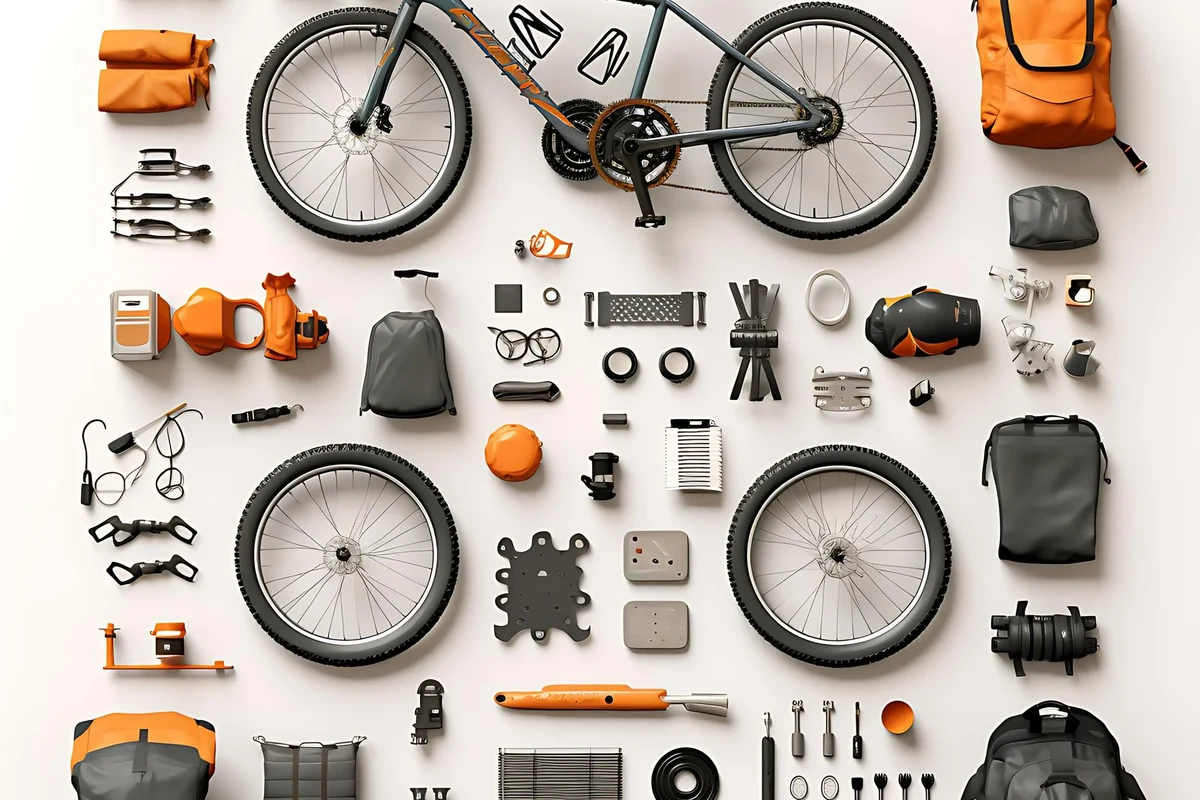
- Start simple: Pre-ride checks catch many problems before they become unsafe.
- Clean carefully: Use low pressure, soft brushes, and bike-safe products.
- Watch wear: Brakes, chain, tires, and bearings need regular inspection.
- Use torque specs: Don’t guess when tightening critical bolts.
Common Questions
A quick safety check before each ride is the most important habit. It helps you catch tire, brake, chain, and bolt issues early.
It is better to use a bike-safe cleaner when possible. Some household soaps can leave residue or affect finishes and seals.
If it looks dirty, sounds noisy, or shifts poorly, it needs inspection. A chain wear checker can help confirm replacement timing.
Not always. Reapply based on weather, dirt, and how the chain sounds and feels after cleaning.
No, not if braking feels weak, spongy, or inconsistent. Stop and inspect the bike before riding again.
Frequently Asked Questions
You can handle pre-ride checks, tire pressure, cleaning, chain lubrication, and visual inspections at home. If the job involves hydraulic brakes, suspension internals, or frame damage, it is better to use a qualified mechanic.
Clean it after muddy, wet, or dusty rides, and do a lighter wipe-down when the bike starts to look dirty. Riding conditions matter more than a fixed calendar schedule.
Yes, but use low pressure and avoid spraying directly at bearings, suspension seals, hubs, or the bottom bracket. High-pressure water can force grit and moisture into sensitive parts.
Replace them when wear becomes visible, braking performance changes, or shifting gets noisy and inconsistent. Exact timing varies by riding style, terrain, and maintenance habits, so check the manufacturer’s guidance or ask a shop to confirm wear.
A stand makes cleaning and adjustments easier, but it is not required for basic care. A stable setup, good lighting, and floor protection are more important than the stand itself.
Leave hydraulic brake bleeding, suspension service, bearing replacement, and frame damage inspection to a professional. Those jobs often need special tools, precise procedures, and a safety-focused diagnosis.