Pack the reservoir first, then place heavy items close to your back and lighter items in outer pockets. Match the load to your ride length, terrain, and weather so the pack stays stable and easy to use.
How to pack a mountain bike hydration pack: put the reservoir in first, keep heavy items close to your back, and stash fast-access items in outer pockets. The best setup is the one that stays stable, keeps you hydrated, and matches the length and demands of your ride.
- Reservoir first: Build the pack around the water system before adding tools or clothing.
- Weight placement matters: Keep dense items close to your back to reduce sway and discomfort.
- Access matters: Put snacks, phone, and other quick-use items in outer pockets.
- Ride-specific packing: Short rides, long loops, and wet or cold conditions need different setups.
How to Pack a Mountain Bike Hydration Pack: The Fast Answer for Trail Days
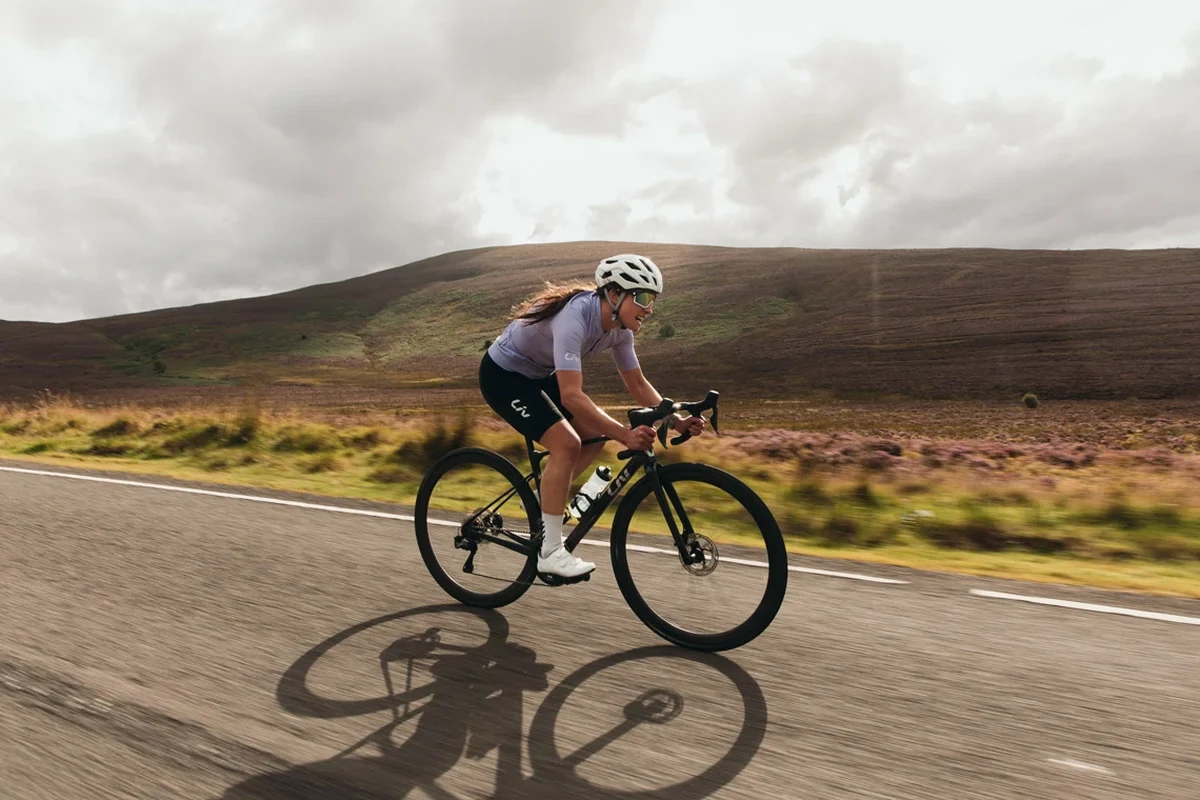
The simplest way to pack a hydration pack is to build it from the inside out: reservoir first, then dense tools and repair items near your spine, then lighter layers and snacks around them. Finish by routing the hose cleanly and using exterior pockets for the things you need without stopping, such as a phone, map, or quick fuel.
That approach helps reduce bounce, keeps the pack from pulling backward, and makes it easier to reach essentials on the trail. It also lowers the chance that you will bury a tire lever, snack, or rain layer under everything else when you actually need it.
What a Mountain Bike Hydration Pack Does and Why Packing It Correctly Matters
Hydration, storage, and trail access in one system
A mountain bike hydration pack combines a water reservoir with storage for ride essentials. That makes it useful when jersey pockets are too small, bottle cages are inconvenient, or the route calls for extra tools, layers, or food.
Hydration packs are less about “carrying more” and more about carrying the right items in the right place so the pack stays comfortable on uneven terrain.
Packing matters because the same pack can feel very different depending on how weight is distributed. A thoughtful layout can improve comfort and access, while a sloppy one can make even a short ride annoying.
How packing affects comfort, stability, and safety
When heavier items sit far from your back, they can swing more as you move. That extra movement can feel distracting on technical climbs, rough descents, and repeated out-of-saddle efforts.
Correct packing also helps you find what you need faster. If the pump, tube, or snack is buried under a jacket and spare gloves, a minor issue can become a longer stop than necessary.
A hydration pack can improve convenience, but it does not replace route planning, proper bike maintenance, or the need to carry the right repair and weather gear for the terrain.
Choosing the Right Pack for Your Ride Style and Carry Needs
Capacity, reservoir size, and storage layout to compare
Before packing, make sure the pack itself matches the ride. Smaller packs are usually better for short trail rides, while larger packs make more sense for long backcountry days, hot conditions, or rides that require extra clothing and repair gear.
Manufacturers describe capacities differently, so compare the actual storage layout instead of assuming two packs with the same general size will feel the same. A compact pack with smart pockets can be easier to live with than a bigger pack with one large, messy compartment.
Fit, torso length, straps, and bounce control
Fit is just as important as capacity. A pack that sits too low, rides too high, or shifts across your shoulders will feel worse once the trail gets rough.
Look for adjustable sternum straps, waist or hip stabilization if included, and shoulder straps that sit comfortably without digging in. Torso length, back panel shape, and the amount of padding all affect how stable the pack feels when pedaling and moving around the bike.
If a pack bounces when lightly loaded, it usually feels worse once the reservoir is full and the trail gets rough. Fit should be checked with the pack loaded, not empty.
Trail type, weather, and compatibility with tools or armor
Different riding styles call for different packing priorities. A trail rider may want a balanced setup with hydration, snacks, and a basic repair kit, while an enduro rider may need room for armor, extra layers, or more robust tools.
Weather matters too. Cold days may require extra insulation or gloves, while wet days may call for a pack with better weather resistance or a separate dry bag inside. If you wear a back protector or chest protection, confirm that the pack works comfortably with that gear before relying on it.
How to Pack a Mountain Bike Hydration Pack Step by Step
Start with the reservoir and route the hose
Place the bladder in its sleeve or compartment before adding anything else so the pack keeps its intended shape.
Run the hose through the designated opening or guide and make sure the bite valve is easy to reach without pulling on the pack.
If your pack has a magnetic clip, sternum guide, or hose keeper, use it as intended. Clean routing reduces flopping and makes drinking easier while riding.
Place heavy items close to your back
Put the densest items nearest your spine, such as a multi-tool, pump, tube, or compact repair kit. This keeps the load more centered and can reduce the “pull” you feel when the trail gets choppy.
- Keep tools and repair parts close to your back panel
- Use sleeves or internal pockets to stop small items from shifting
- Letting heavy objects sit at the outer edge of the pack
- Dumping loose metal tools into the bottom of the main compartment
Balance snacks, layers, tools, and emergency gear
After the heavy items are placed, add lighter but important gear around them. Snacks can go in a pocket you can reach quickly, while a compact shell or extra layer can live in the main compartment if the weather is changeable.
Emergency items should be easy to identify and not buried under casual items. That might include a small first-aid kit, an ID card, a phone, or a spare battery for a light or device, depending on your ride plan.
Use external pockets for items you need fast
Outer pockets are best for things you may need during a short stop or without fully opening the pack. Think snacks, a phone, a paper trail map, lip balm, or a small multitool if the pocket is secure enough to hold it safely.
- Keep frequently used items in the same pocket every ride.
- Separate wet items, like a soaked glove or buff, from dry layers when possible.
- Zip or secure pockets fully before descending.
What to Pack Based on Ride Length, Terrain, and Conditions
Short local rides versus long backcountry loops
For short local rides, a minimal setup is often enough: water, phone, ID, a small repair kit, and one or two snacks. For longer loops, add more food, a fuller repair kit, and a layer that matches the forecast.
The more remote the ride, the more self-sufficiency matters. If help is far away, it is usually smarter to carry the extra item and not need it than to save space and end up short on something important.
Hot-weather, cold-weather, and wet-weather adjustments
Hot weather usually means more water and easier access to fuel. Cold weather often means less obvious hydration needs, but more room for gloves, a shell, or insulation layers.
Wet weather changes what counts as useful. A rain shell, dry gloves, or a protective phone sleeve may matter more than an extra snack bar if the route is long and exposure is likely.
Exact water and gear needs vary by rider, pace, sweat rate, route length, and trail exposure. Check the forecast and plan for the conditions you are most likely to face, not just the start of the ride.
Enduro, XC, trail, and e-bike packing priorities
Cross-country riders often prioritize light weight and quick access. Trail riders usually want a middle ground between hydration, repair gear, and comfort. Enduro riders may need more room for protective gear and durability-focused storage.
E-bike riders may carry different priorities depending on ride length and support level, but the same packing logic still applies: keep weight centered, keep essentials accessible, and avoid carrying unnecessary bulk.
| Ride Type | Best Packing Focus | Main Trade-off |
|---|---|---|
| Short XC ride | Light, compact essentials | Less room for extras |
| Trail ride | Balanced water, tools, and snacks | Moderate weight |
| Enduro day | Protection and repair capacity | More bulk |
| Backcountry loop | Self-sufficiency and weather layers | Heavier pack |
Common Packing Mistakes That Hurt Comfort and Performance
Overloading the pack and ignoring weight distribution
The most common mistake is simply carrying too much. A packed-to-the-zipper hydration pack can feel hot, unstable, and hard to manage, especially on technical terrain.
Another problem is uneven loading. If all the weight sits low, far out, or on one side, the pack may shift and feel awkward every time you stand, corner, or look over a shoulder.
Poor hose routing, loose straps, and reservoir issues
A twisted hose or awkward bite-valve position can make drinking annoying enough that riders stop using the system as intended. Likewise, loose straps can let the pack move more than it should.
Stop using damaged gear and follow the manufacturer’s inspection or service guidance if the reservoir, hose, buckle, or straps show wear, leaks, or cracks.
Reservoir leaks, stubborn closures, and worn bite valves should be addressed according to the manufacturer’s instructions. If a part is damaged, replace it rather than trying to improvise a fix that may fail on the trail.
Bringing too much or too little for the route
Overpacking can be just as unhelpful as underpacking. Too much gear adds weight and clutter, while too little leaves you without the basics if conditions change or something mechanical happens.
A good habit is to build a standard ride kit, then adjust it for distance, terrain, weather, and remoteness. That keeps decisions simple without making every ride a fresh packing puzzle.
Safe Use, Maintenance, and Storage After the Ride
Cleaning the reservoir, hose, and bite valve
After the ride, empty the reservoir promptly and follow the manufacturer’s cleaning instructions. Some systems are designed for hand washing, while others may have specific guidance for drying, disassembly, or dishwasher use.
Pay attention to the hose and bite valve, since those areas can trap moisture or residue. Rinse and dry them thoroughly so the system stays more pleasant to use over time.
Drying, odor prevention, and storage between rides
Drying matters as much as cleaning. If moisture stays trapped in the reservoir or pack, odors can develop and the interior can become harder to maintain.
Store the pack open when possible, with the reservoir fully dry and the zipper or opening left unsealed if the manufacturer allows it. Avoid stuffing it away damp in a closed bag or hot car for long periods.
A simple drying routine after each ride often does more for odor control than occasional deep cleaning alone.
Inspecting straps, seams, and zippers for wear
Before the next ride, check the straps, buckles, seams, zippers, and reservoir attachment points. Small issues are easier to handle early than after a buckle fails or a zipper jams on the trail.
If the pack no longer holds its shape, the straps slip repeatedly, or the reservoir compartment shows damage, review the manufacturer’s warranty or replacement guidance. Gear that no longer fits or functions properly should not be pushed past its limits.
Final Recommendation: The Best Way to Pack a Mountain Bike Hydration Pack for Real-World Riding
Who benefits most from a well-packed hydration pack
Riders who spend time on technical trails, long routes, hot days, or rides where jersey pockets are not enough will benefit most from a carefully packed hydration pack. It is also a strong choice for anyone who wants water and essentials carried in one place without juggling extra bottle cages or loose storage.
Key trade-offs to remember before your next ride
The best pack is not always the biggest one. Choose the smallest pack that still handles your real ride needs, keep weight centered, and use the pockets intentionally so the pack remains comfortable and easy to live with.
If you are comparing options, confirm the fit, storage layout, reservoir compatibility, and cleaning instructions before buying. Those details matter more than flashy marketing when the goal is a pack that works smoothly every time you head out.
Common Questions
The reservoir should go in first so the pack keeps its shape and the hose can be routed cleanly. After that, add heavier items near your back.
Tools and repair items should sit close to the back panel or in an internal organizer. That helps keep the load centered and easier to carry.
Snacks are usually best in an outer pocket or another fast-access spot. That makes them easier to reach without unpacking everything.
Choose the right size, tighten the straps correctly, and keep heavy items close to your back. A good fit matters as much as the packing layout.
Clean it after rides according to the manufacturer’s instructions, especially if you used sweet drinks or rode in heat. Make sure the reservoir and hose dry fully before storage.
Frequently Asked Questions
For a basic trail ride, pack water, a phone, ID, a small repair kit, and one or two snacks. Add a light layer if the weather can change during the ride.
Choose the smallest pack that still fits your water, tools, food, and weather gear. The best size depends on ride length, terrain, and how much storage you actually need.
A good layout has a reservoir sleeve, a secure place for tools, and easy-access pockets for snacks or a phone. Internal organization usually makes the pack easier to use on the trail.
Yes, if the pack has enough room and the jacket can be packed without crushing other essentials. A compact shell or thin layer is easier to fit than bulky clothing.
Keep heavy items close to your back, use the straps properly, and avoid overfilling the pack. A stable fit is usually more important than carrying extra gear.
Confirm fit, reservoir compatibility, capacity, storage layout, and cleaning instructions. If you use protective gear or ride in bad weather, make sure the pack works with those needs too.