Choose a mountain bike helmet by starting with certification, then dialing in fit, coverage, and comfort for your riding style. The best helmet is the one that matches your terrain and stays secure enough that you will wear it every ride.
Choosing a mountain bike helmet comes down to three things: the right safety certification, the right fit, and the right level of coverage for your riding style. If those are right, the helmet is far more likely to be comfortable enough to wear consistently, which matters as much as any feature on the spec sheet.
- Fit first: A correct size and secure retention system matter more than style or extras.
- Verify standards: Check the certification label for your region and riding discipline before buying.
- Match terrain: Trail, enduro, and downhill riding often call for different coverage levels.
- Comfort drives use: Ventilation, weight, and eyewear compatibility affect whether you actually wear the helmet.
How to Choose a Mountain Bike Helmet: The Short Answer
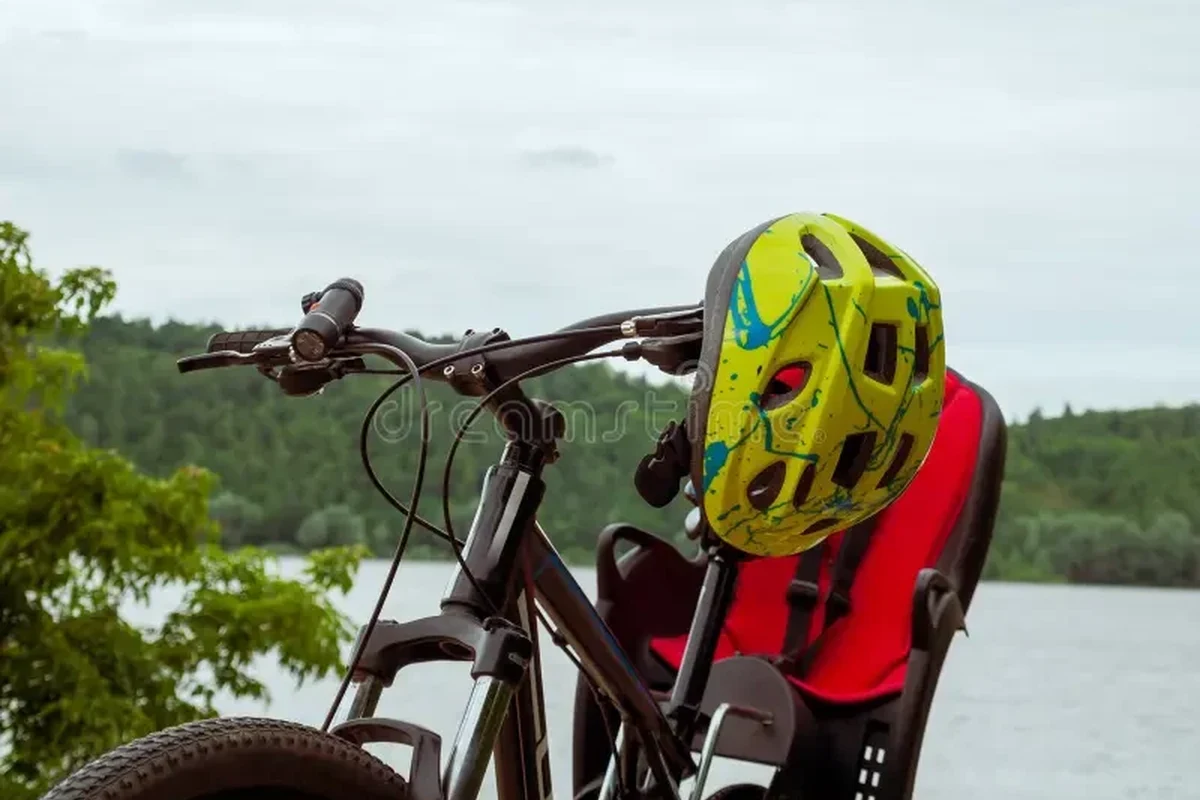
Start with a helmet that matches your riding discipline, fits your head shape without pressure points, and carries the safety certification required for your region or event. Then compare coverage, ventilation, visor design, and extras like rotational-impact technology only after the basics are right.
What a Mountain Bike Helmet Does and Why It Matters
A mountain bike helmet is designed to reduce the risk of head injury by absorbing and spreading impact forces during a crash. It cannot prevent every injury, and it is not a guarantee against concussion or facial trauma, but it is still one of the most important pieces of riding gear you can buy.
How MTB helmet design differs from road and commuter helmets
Mountain bike helmets usually cover more of the back of the head than many road helmets and often include a visor to help block sun, branches, and trail debris. They may also prioritize stability on rough terrain, better goggle compatibility, and more protection for aggressive riding positions.
Road helmets typically emphasize ventilation and lighter weight, while commuter helmets may focus on visibility, weather protection, or urban styling. A mountain bike helmet is built around off-road needs, so it is usually the better choice for trail, enduro, and downhill riding.
Protection limits: what a helmet can and cannot prevent
Helmets are designed to help manage impact energy, but they cannot make a crash harmless. They also cannot fully protect the face, jaw, neck, or brain from every type of injury, especially in high-speed or awkward-angle impacts.
Note
Protection depends on correct fit, proper fastening, and the type of crash. A loose, damaged, or outdated helmet may not perform as intended.
Key Safety Standards and Certifications to Verify in 2026
Before comparing colors or features, confirm that the helmet meets the standards relevant to your riding and location. Certification labels are the clearest sign that a helmet has been tested against a recognized benchmark, but the exact standard can vary by market and discipline.
Common labels and what they mean for trail, enduro, and downhill riding
In many markets, helmets may carry standards such as CPSC for bicycle use, EN 1078 in Europe, or other regional labels depending on where they are sold. Some downhill or full-face models may also reference additional certifications for higher-speed or more aggressive use, but you should verify the exact label on the helmet and confirm what it covers.
For trail and cross-country riders, a standard bicycle helmet certification is often the baseline. For enduro or downhill riders, look closely at whether the helmet is a half-shell, extended-coverage trail model, or full-face design, and make sure it matches the intended discipline and event rules.
When to prioritize extended coverage and MIPS or similar rotational-impact tech
Extended coverage is worth prioritizing if you ride technical trails, steep descents, bike parks, or terrain where side and rear impacts are more likely. More coverage can add confidence, but it may also increase weight or reduce airflow, so balance safety goals with comfort in your climate.
Rotational-impact systems such as MIPS or similar technologies are widely used in modern helmets, but they are not a substitute for proper fit and certification. Treat them as an added design feature, not the main reason to buy a helmet.
Helmet standards usually test specific impact scenarios, but real-world crashes vary widely in speed, angle, and surface, which is why no helmet can promise complete protection.
Fit, Sizing, and Comfort: The Most Important Buying Criteria
Fit is the most important factor because a well-certified helmet that does not fit correctly cannot do its job well. Comfort matters too, because riders often skip wearing helmets that pinch, wobble, overheat, or interfere with glasses and goggles.
How to measure your head and read sizing charts correctly
Use a soft measuring tape around the widest part of your head, usually just above the eyebrows and ears. Compare that measurement to the manufacturer’s sizing chart, since sizes vary by brand and even by model.
Do not assume “medium” means the same thing across brands. If your measurement falls between sizes, consider your head shape, the helmet’s internal shape, and whether the brand offers multiple shell sizes or an adjustable fit system.
Retention system, pads, straps, and pressure-point checks
The retention system should hold the helmet securely without squeezing. Once on your head, the helmet should sit level, with the front edge low enough to protect the forehead but not so low that it blocks vision.
Check for pressure points around the temples, forehead, and crown. Straps should form a clean “V” around the ears and buckle comfortably under the chin without pinching.
- Try the helmet with the eyewear you actually ride in.
- Open all adjustment points before deciding on size.
- Shake your head gently; the helmet should not rock side to side.
- Wear it for several minutes to catch hot spots that appear after a short delay.
Ventilation, weight, and eyewear or goggle compatibility
Ventilation matters more in hot weather and on long climbs, while a slightly warmer helmet may be acceptable if you ride in cooler conditions or prioritize coverage. Weight can affect comfort during long rides, but it should not be the only factor you compare.
Eyewear and goggle compatibility is especially important for enduro and downhill riders. A visor that adjusts easily and a shell shape that does not push glasses down can make a big difference in day-to-day comfort.
Match the Helmet to Your Riding Style and Terrain
The right helmet for a smooth local trail loop may be very different from the right helmet for shuttle laps, lift-served bike parks, or winter trail rides. Choose based on the terrain you actually ride most often, not just the most extreme ride you might do once or twice a year.
Cross-country, trail, enduro, and downhill use cases
Cross-country riders often prefer lighter, better-ventilated helmets with enough coverage for general off-road use. Trail riders usually want a balanced helmet that mixes airflow, coverage, and visor function.
Enduro riders may benefit from more rear coverage, stronger retention, and better goggle compatibility. Downhill riders often need full-face protection, and in some cases a helmet specifically designed for gravity riding or event requirements.
| Riding style | Best helmet type | Main trade-off |
|---|---|---|
| Cross-country | Light half-shell | Less coverage than gravity-focused models |
| Trail | Balanced half-shell | Moderate weight and ventilation compromise |
| Enduro | Extended-coverage half-shell or convertible option | More protection can mean less airflow |
| Downhill | Full-face | Heavier and warmer, but more protective by design |
Weather, storage, and practical trade-offs for hot, wet, or cold conditions
In hot climates, prioritize airflow, moisture management, and a fit that stays stable when you sweat. In wet or cold conditions, comfort may improve with a helmet that works well with a cap, thin liner, or face covering, as long as those additions do not interfere with fit.
Storage also matters. A helmet that is awkward to pack, difficult to hang, or prone to cosmetic damage may be less convenient for commuters or travelers who move between home, work, and trailhead.
Key Features and Specifications to Compare Before You Buy
Once fit and certification are narrowed down, compare the features that affect real-world use. The goal is not to buy the most feature-packed helmet, but the one that best matches your riding and maintenance habits.
Coverage area, visor adjustability, and chin bar options
Coverage area should match your risk level and riding position. A deeper shell or extended rear coverage can be helpful on technical trails, while a removable chin bar or full-face option may make sense for riders who split time between trail and gravity riding.
Visor adjustability is useful if you ride in changing light, wear goggles, or frequently encounter branches. A visor that is easy to move without loosening over time is more practical than one that only looks adjustable.
Construction materials, buckle types, and removable liners
Most riders will see terms like EPS foam, polycarbonate shells, or multi-piece shell construction. These are common helmet design terms, but the practical question is whether the build supports the intended use, fits well, and feels durable enough for your riding pattern.
Buckle types should be easy to operate with gloves if you ride in cold weather or technical terrain. Removable liners and pads are helpful because they make cleaning easier and can improve fit over time.
Value factors: durability, replacement parts, and price-to-performance balance
Value is not just about the sticker price. A helmet with replaceable pads, good strap adjustment, and available replacement parts may last longer in daily use than a cheaper model that becomes uncomfortable or impossible to refresh.
Cost Consideration
Before buying, check the return policy and whether the brand offers guidance on replacement pads, visors, or crash replacement programs, if any.
Common Mistakes When Choosing a Mountain Bike Helmet
Many helmet problems start before the first ride, usually with a rushed purchase or a poor size choice. Avoiding a few common mistakes can save money and make the helmet far more likely to get used regularly.
Buying by looks alone or choosing the wrong size
A helmet can look great on the shelf and still feel wrong on your head. If the shell shape does not match your head shape, no amount of strap tightening will fix it.
Size errors are also common when shoppers rely on general clothing sizes instead of a measurement and a brand-specific chart. Always verify the head circumference range and the fit system before deciding.
Ignoring certification, fit checks, and riding discipline
Do not assume every helmet is suitable for every kind of riding. A lightweight trail helmet may be fine for mellow riding, but it may not be the right choice for bike park laps or downhill events where more coverage is expected.
Do not buy a helmet without confirming the certification label and intended use. If the helmet does not match your riding style or local event rules, choose a different model.
Overlooking comfort issues that reduce real-world use
Small annoyances become big problems on long rides. A hot spot, awkward strap, or visor that interferes with glasses can make you leave the helmet at home, which defeats the purpose entirely.
Comfort should be evaluated while the helmet is properly adjusted and worn long enough to reveal pressure points. If it feels wrong during a short fitting session, it is unlikely to feel better on a two-hour climb.
Care, Inspection, Replacement, and Safe Use
Good helmet care helps preserve fit and makes it easier to spot damage early. Just as important, knowing when to stop using a helmet is part of using it safely.
How to inspect for damage after crashes or hard impacts
Inspect the helmet after any crash, drop, or hard impact. Look for cracks, dents, crushed foam, loose straps, distorted shell sections, or parts that no longer adjust smoothly.
Stop using damaged gear and follow the manufacturer’s inspection or service guidance. If you are unsure whether impact damage is present, replace the helmet or contact the brand for direction.
Cleaning, storage, and lifespan guidance for regular riders
Clean the helmet according to the manufacturer’s instructions, usually with mild soap and water rather than harsh solvents. Let it air-dry fully before storing it, and keep it away from direct heat, car dashboards, or chemical fumes that can degrade materials.
Store it in a cool, dry place where it will not be crushed by other gear. If you ride often, regularly checking pads, straps, and adjustment hardware can help maintain a secure fit.
When to replace a helmet even if it looks fine
Replace the helmet after any significant impact, even if the outside looks intact. Internal damage is not always visible, and the protective foam may have been compromised.
You should also replace a helmet if the fit changes, the retention system no longer holds securely, or the manufacturer’s guidance says the helmet has reached the end of its service life. Because lifespan guidance varies by brand and model, verify the official manual rather than relying on a fixed rule.
Final Recommendation: How to Choose the Right Helmet for Your Needs
The right mountain bike helmet is the one that matches your riding discipline, meets the relevant certification, and fits your head securely without pressure points. From there, choose the level of coverage and ventilation that best fits your terrain, climate, and comfort preferences.
Best choice by rider type, budget, and protection priority
If you mostly ride mellow trails or cross-country routes, a well-fitting half-shell with solid ventilation is often the most practical choice. If you ride technical terrain, bike parks, or enduro-style trails, prioritize extended coverage and features that improve stability and compatibility with goggles.
If protection is your top priority for steep or gravity-focused riding, a full-face helmet may be the better fit, provided it is comfortable enough to wear consistently and appropriate for your use case.
Choose a balanced half-shell with verified certification, good ventilation, and a fit system that feels secure on long rides.
Choose extended coverage or full-face protection when terrain and speed justify the extra weight and warmth.
Transparent buying advice and final decision checklist
- Confirm the certification label for your region and riding type
- Measure your head and compare it with the exact model’s sizing chart
- Check fit, strap placement, and pressure points with your eyewear or goggles
- Verify return policy, replacement parts, and manufacturer care instructions
- Inspect the helmet after crashes and replace it when the brand says to do so
If you are torn between two helmets, choose the one that fits better and feels more wearable over time. Comfort and correct fit usually matter more than small differences in styling or marketing language.
Common Questions
Fit and certification matter most. If those are right, then compare coverage, ventilation, and comfort.
Usually not unless your terrain or riding style calls for it. Most trail riders are better served by a well-fitting half-shell.
It should feel snug and stable without painful pressure points. It should not wobble when you move your head.
It can be a useful added feature, especially for aggressive riding. It should be treated as a bonus, not a replacement for good fit and certification.
Replace it after any significant impact or if the manufacturer advises it. Hidden damage can make a helmet unsafe even when it looks fine.
Frequently Asked Questions
A balanced half-shell helmet is usually the most practical choice for trail riding. Look for verified certification, good ventilation, and a fit system that feels secure without pressure points.
It should sit level, feel snug without pain, and not rock side to side when you move your head. The straps should form a clean V around the ears and the buckle should rest comfortably under the chin.
Check the helmet for the certification label relevant to your region, such as CPSC or EN 1078, and confirm any discipline-specific labels if you ride enduro or downhill. Always verify the exact model and market, since standards can vary.
It can be a useful extra feature, especially for technical terrain, but it is not a substitute for proper fit or certification. Treat it as one factor in the buying decision rather than the main one.
Replace it after any significant crash or hard impact, even if it looks fine. Also replace it if the fit changes, the shell or foam is damaged, or the manufacturer says it has reached the end of its service life.
Clean it with mild soap and water, let it air-dry, and store it away from heat and crushing pressure. Follow the manufacturer’s instructions for pads, straps, and any removable parts.
