Pasta serving size is usually measured dry, not cooked. If the label or recipe does not say otherwise, use the dry amount as the reference.
If you’re asking is pasta serving size dry or cooked, the standard answer is dry. Most nutrition labels, recipe measurements, and portion guides start with uncooked pasta because cooking changes both weight and volume.
- Dry is standard: Most labels and recipes use uncooked pasta as the serving baseline.
- Cooking changes size: Pasta absorbs water, so cooked weight and volume rise.
- Shape matters: Spaghetti, penne, and elbows can yield different cooked amounts.
- Scale first for accuracy: A kitchen scale is the most reliable way to portion pasta.
- Watch the extras: Sauce, cheese, and add-ins change the meal portion too.
Is pasta serving size dry or cooked? The quick answer for 2025
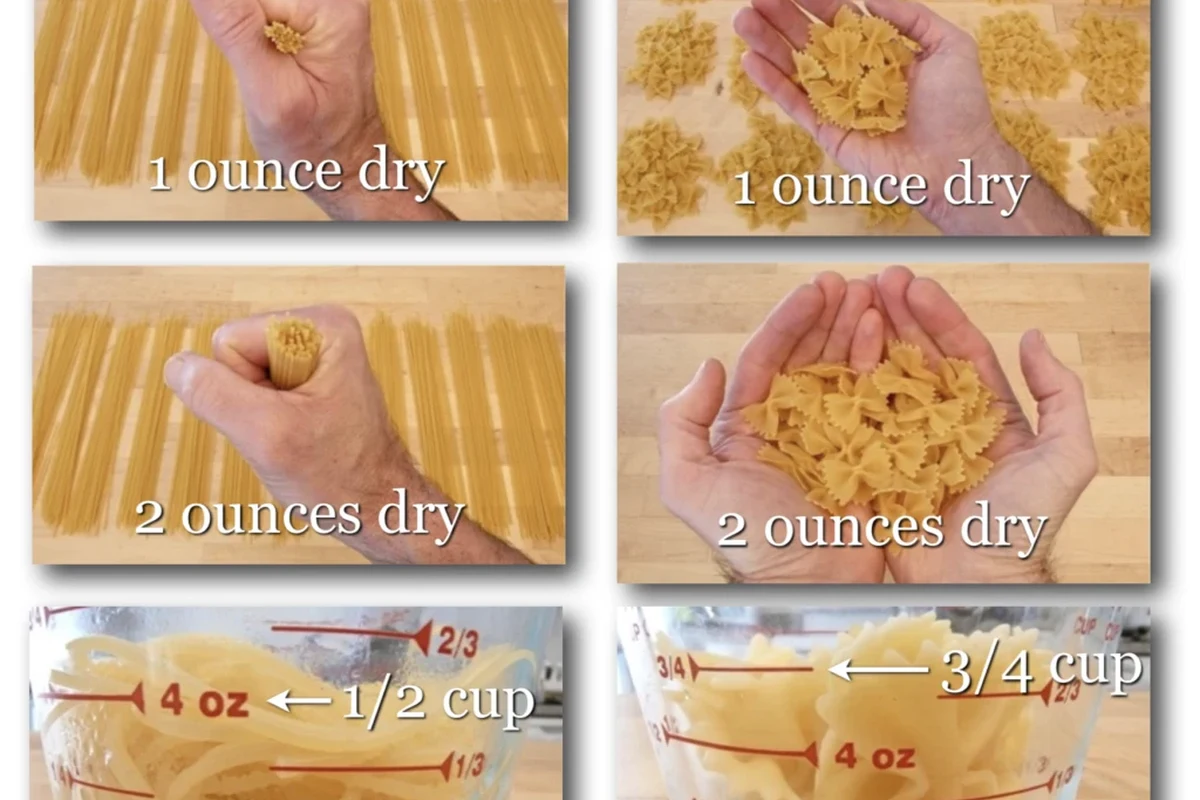
For almost every practical purpose, pasta serving size is measured dry unless the label, recipe, or diet plan clearly says otherwise. That matters because a cup of cooked pasta can represent very different amounts of dry pasta depending on shape, brand, and how long it was boiled.
In other words, the number on the package is usually a starting point, not a final cooked portion. Once water is absorbed, the same dry amount can look much larger on the plate, which is why people often overestimate how much they actually made.
How pasta serving sizes are measured on labels and in recipes
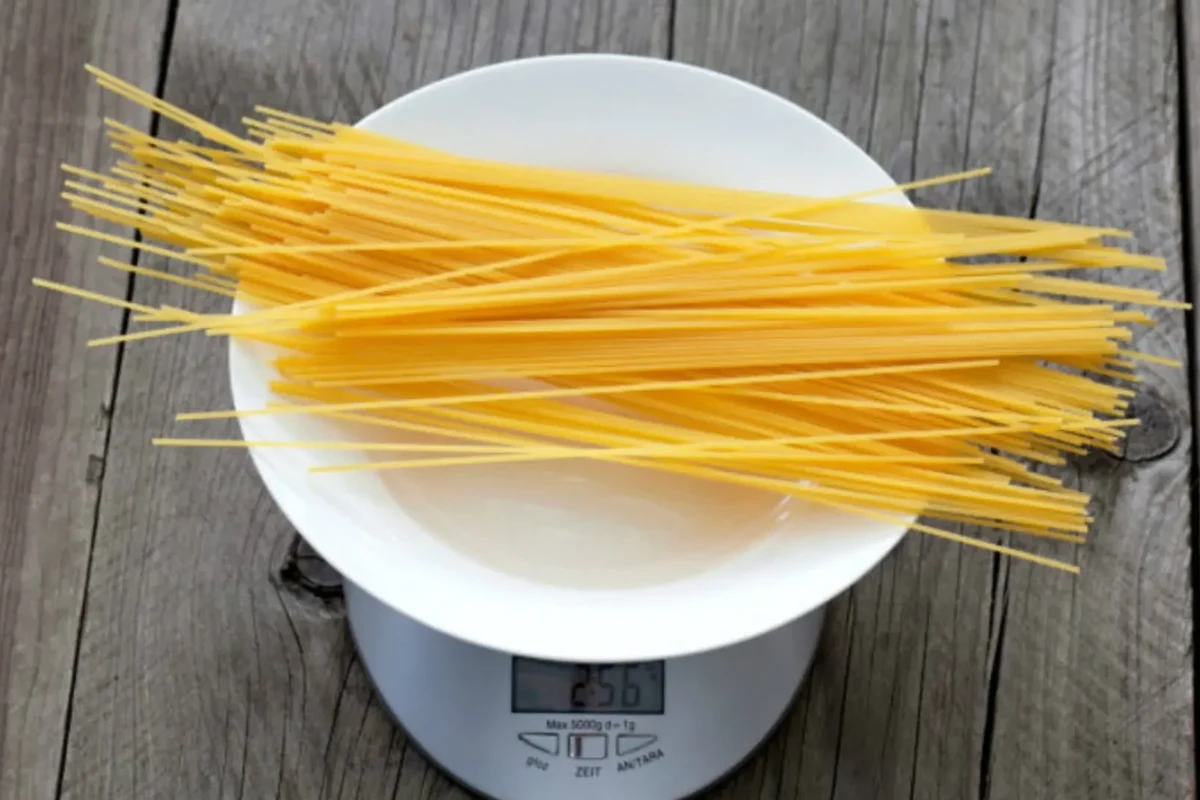
Nutrition labels and many recipes use dry pasta as the baseline because it is the most consistent way to measure. Dry pasta is stable, easy to weigh, and not affected by how much water it absorbs during cooking.
Why dry weight is the standard starting point
Dry weight gives you a repeatable measurement. Two people can cook the same amount of dry pasta and still end up with slightly different cooked results, but the starting weight stays the same.
That is especially useful for calorie tracking, recipe scaling, and meal prep. If you only measure after cooking, it becomes harder to know how much pasta went into the pot in the first place.
How cooking changes pasta weight and volume
Pasta absorbs water as it cooks, so the final weight increases and the shape looks larger. The exact change depends on the pasta type, thickness, and how soft you cook it.
Because of that, “1 cup cooked” is not a universal equivalent across all pasta shapes. A cup of cooked spaghetti does not behave the same as a cup of cooked penne or elbow pasta.
Dry vs. cooked pasta: what the numbers usually look like
There is no single conversion that fits every pasta shape, but a common rule of thumb is that dry pasta often ends up around two to three times heavier after cooking. That is only an estimate, not a guaranteed ratio.
Exact yield varies by shape, brand, cooking time, and how much water the pasta absorbs. Use package guidance when available, and treat any conversion chart as approximate.
Common portion conversions for spaghetti, penne, and elbow pasta
Here is a practical way to think about it:
| Dry pasta amount | Typical cooked result | What to remember |
|---|---|---|
| 2 oz dry | About 1 cup cooked | Often used as one serving on labels |
| 1 cup dry short pasta | About 2 cups cooked | Short shapes vary more by size |
| 1 lb dry pasta | Several cups cooked | Usually enough for multiple servings |
For spaghetti, the visual size changes a lot after boiling, so a measured dry portion is more reliable than eyeballing the cooked pile. For penne and elbows, the cooked volume can look deceptively small or large depending on how tightly the pasta settles in the cup.
Why shape, brand, and cooking time affect the final amount
Different shapes hold different amounts of water. Thin pasta usually cooks faster and may absorb less than thicker or denser shapes, while ridged or hollow shapes can trap more sauce and sometimes appear bulkier on the plate.
Brand differences matter too, since ingredient ratios and extrusion methods can change how the pasta behaves in water. Cooking it softer or firmer also changes how much it weighs and how much space it fills.
Who needs to know the difference most
Anyone serving pasta can benefit from knowing whether the serving size is dry or cooked, but some people need the distinction more than others. If you are tracking intake or scaling meals, the difference can affect both accuracy and consistency.
Home cooks tracking calories or macros
If you log food, the dry measurement is usually the one that matches nutrition data best. That helps you compare what you ate with what the label says without guessing how much water the pasta held.
This is also useful when comparing different brands. A dry ounce from one pasta and a dry ounce from another are easier to compare than two bowls of cooked pasta that look similar but started with different amounts.
Meal preppers, families, and anyone scaling recipes
When cooking for several people, dry measurements make it easier to scale up or down. If a recipe serves four but you need six, multiplying the dry amount is usually simpler than trying to estimate cooked portions later.
Families also benefit because leftovers are easier to divide fairly when the original dry amount is known. That can help reduce both waste and uneven servings.
People following medical or fitness nutrition plans
If you are following a nutrition plan from a qualified professional, the measurement method matters. Some plans specify dry ounces, while others may give cooked cup portions for convenience.
When the instructions are unclear, confirm whether the portion refers to dry or cooked pasta before making assumptions. If you have a medical condition or specific dietary restrictions, follow the guidance provided by your clinician or dietitian.
How to measure pasta correctly before and after cooking
The most reliable method is to measure dry pasta first, then cook it. If you already have cooked pasta, you can still estimate portions, but the result will be less precise.
Using a kitchen scale for the most accurate portion
A kitchen scale is the easiest way to measure pasta accurately. Place a bowl on the scale, zero it out, and weigh the dry pasta amount listed on the recipe or label.
This method works best because it removes guesswork. If you are cooking the same meal often, you can also repeat the same dry weight each time for more consistent portions.
Measuring dry pasta without a scale
If you do not have a scale, use the package serving size as your guide. For long pasta like spaghetti, a portion tool or the diameter of a bundle can help, but those methods are still approximate.
- Use the package serving size as your starting point
- Keep the same measuring method each time for consistency
- Guessing by eye from the dry box
- Assuming every handful equals one serving
For short pasta, a measuring cup can help, but remember that packed cups and loose cups are not always the same. If accuracy matters, dry weight is still better than volume.
Estimating cooked portions when leftovers are already prepared
When the pasta is already cooked, use the label or recipe as a reference and divide the total cooked amount into equal portions. This is less exact than weighing dry pasta, but it is still better than random serving sizes.
If you regularly eat leftovers, consider portioning cooked pasta into containers right after draining. That makes lunch prep easier and reduces the chance of serving too much later.
Common mistakes when serving pasta
Most pasta portion errors happen because dry and cooked measurements get mixed together. A bowl that looks reasonable can still contain more dry pasta than you expected.
Confusing dry ounces with cooked ounces
Dry ounces and cooked ounces are not interchangeable. Two ounces of dry pasta may become much more than two ounces once cooked, so a food log or recipe can be thrown off if you swap the terms.
This is one of the biggest reasons people feel unsure about pasta portions. The label may look small, but the cooked plate can look much larger than the original dry amount.
Overestimating portions after boiling
Cooked pasta is easy to over-serve because it fills the bowl quickly. A serving that looks moderate on a plate can still equal several servings if the dry amount was large.
Short pasta shapes often settle more tightly in a measuring cup than long pasta, which can make the same “cup” look smaller or larger depending on the shape.
If you want consistency, portion the dry pasta before cooking and then divide the finished dish evenly.
Ignoring sauce, toppings, and add-ins
Pasta is only part of the meal. Sauce, cheese, meat, oil, and vegetables can change the final serving size and nutrition profile far more than many people expect.
That does not mean you should avoid them. It just means the pasta portion should be measured separately if you are trying to stay consistent with your overall meal plan.
Practical benefits, limitations, and value of measuring pasta the right way
Measuring pasta correctly helps you cook more predictably and understand what is actually on the plate. It is a small habit, but it can make family meals, prep days, and nutrition tracking much easier.
Better nutrition tracking and more consistent meals
Dry measurement gives you a repeatable baseline, which is useful whether you are following a general eating plan or just trying to avoid huge portion swings. It also helps you compare one meal to the next without relying on visual estimates.
- Measure dry pasta first whenever possible.
- Use the same pasta shape if you want repeatable portions.
- Save a note of your favorite dry-to-cooked ratio for future meals.
Where portion guides can still be misleading
Portion charts are helpful, but they are not perfect. They can be confusing when they mix ounces, cups, and serving counts without clearly saying whether the pasta is dry or cooked.
That is why the safest approach is to read the label carefully and look for the measurement context. If the package or recipe is unclear, treat the listed amount as dry until it says otherwise.
Final recommendation: the best way to answer “is pasta serving size dry or cooked?”
The best answer is simple: use dry pasta as the serving-size reference unless the source clearly says cooked. That gives you the most accurate, consistent, and practical way to portion pasta for recipes, meal prep, and nutrition tracking.
If you want the easiest routine, weigh the dry pasta before cooking, then portion the finished dish from that starting point. When you only have cooked pasta, estimate carefully and remember that shape, brand, and cooking time all affect the final amount.
Frequently Asked Questions
Pasta serving size is usually measured dry unless the label, recipe, or nutrition plan clearly says cooked. Dry weight is the standard starting point because cooking changes the pasta’s weight and volume.
A common rule of thumb is that dry pasta becomes about two to three times heavier after cooking. The exact result depends on the shape, brand, and how long it is cooked.
Weighing dry pasta on a kitchen scale is usually the most accurate method. It gives you a repeatable starting point that is easier to match to nutrition labels and recipes.
Yes, but it is less precise because cooked pasta varies by shape and water absorption. If you use cooked pasta, divide it into equal portions and use the recipe or label as your reference.
Pasta absorbs water while cooking, so it gains weight and takes up more space. That is why a small dry portion can look much larger once it is cooked.
Sauce does not change the pasta serving size itself, but it does change the total meal portion and nutrition profile. If you are tracking intake, measure the pasta separately from the sauce and toppings.