Dry pasta is usually bad only when it shows moisture damage, mold, pests, or off smells. If it still looks dry, clean, and normal, it is generally safe to cook even past the best-by date.
If you’re wondering how to tell if dry pasta is bad, the fastest answer is this: check for mold, insects, moisture damage, off smells, or packaging failure. If the pasta looks, smells, and feels normal, it is usually fine to cook, even if it is past the “best by” date.
- Look first: Mold, bugs, webbing, and water damage are the biggest warning signs.
- Trust smell and feel: Dry pasta should smell neutral and feel hard, not sticky or damp.
- Date is not everything: Best-by dates usually reflect quality, not a hard safety cutoff.
- Storage matters: Cool, dry, airtight storage keeps pasta usable much longer.
How to Tell If Dry Pasta Is Bad: The Quick Answer Up Front
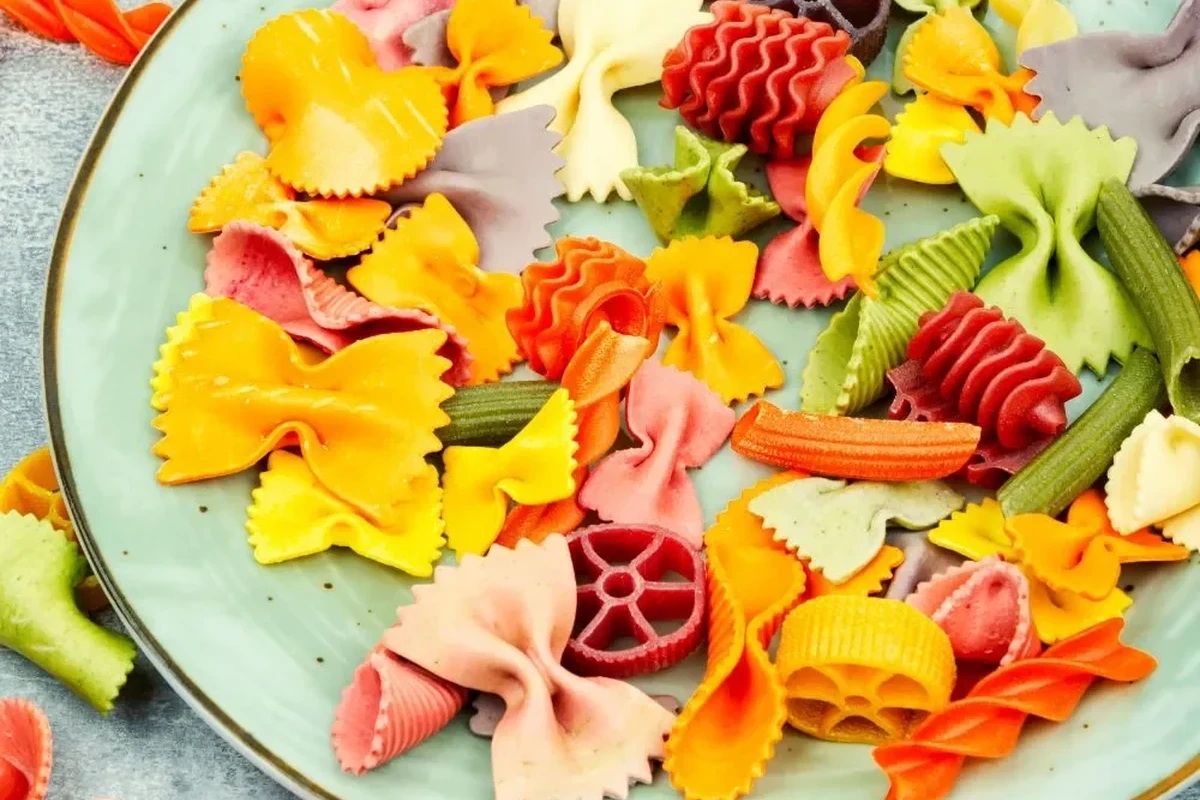
Dry pasta is one of the most shelf-stable pantry foods, but it is not immune to damage. The main thing to look for before cooking is anything that suggests moisture, contamination, or pests. That includes clumping, soft or sticky pieces, visible mold, unusual spots, webbing, bugs, or a stale, oily smell.
If the box or bag is intact and the pasta still looks clean and dry, it is usually safe to use. Quality may drop over time, but quality loss is not the same as spoilage.
What Dry Pasta Actually Is and Why It Usually Lasts So Long
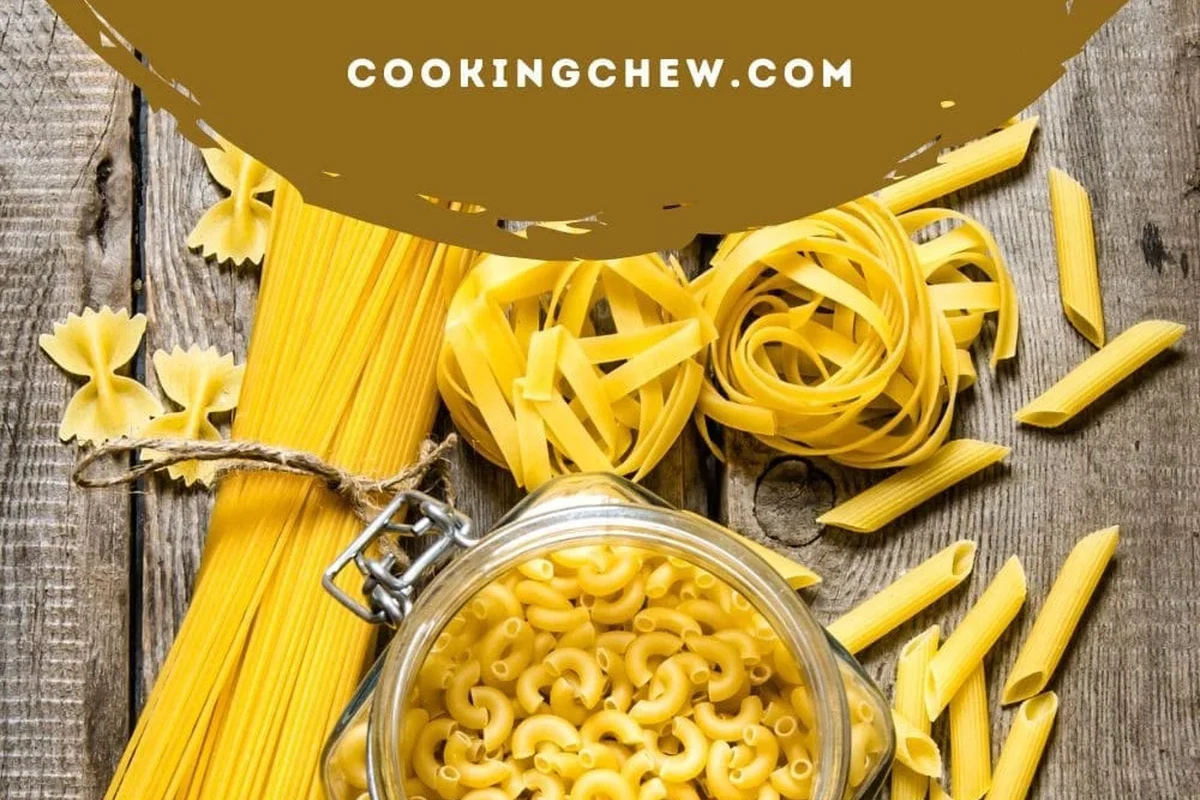
Dry pasta is made to have very low moisture, which makes it hard for bacteria and mold to grow. That is why a sealed package can sit in a pantry for a long time without becoming unsafe.
How low moisture helps dry pasta stay shelf-stable
Most dry pasta is designed to be hard and brittle, not soft or flexible. That low water content is what gives it a long pantry life. As long as it stays dry and protected from pests, it usually remains usable well beyond the date printed on the package.
Dry pasta is more about storage conditions than age alone. Heat, humidity, and opened packaging usually matter more than the calendar.
What “best by” dates really mean for unopened pasta
“Best by” dates are usually about peak quality, not automatic safety cutoffs. For unopened dry pasta, the date is a guideline for flavor and texture, not a hard rule that means the pasta must be thrown out. If you are unsure, inspect the package and the pasta itself instead of relying on the date alone.
Clear Signs Dry Pasta Has Gone Bad Before Cooking
When dry pasta has truly gone bad, the clues are usually visible, noticeable by smell, or tied to storage damage. A quick inspection takes less time than dealing with a bad batch after you start cooking.
Visual red flags: mold, discoloration, and unusual spots
Look for fuzzy growth, dark specks that were not part of the pasta shape, or patches that look damp and off-color. White powder is not always mold, but if it appears with clumping, softness, or a musty smell, treat it as a warning sign. Pasta that has changed color in a way that looks blotchy or uneven should be inspected carefully.
Smell and texture clues that something is off
Dry pasta should smell neutral or faintly like grain. If it smells rancid, musty, sour, or oily, something is wrong. Texture matters too: pasta should be dry and hard. If it feels soft, rubbery, sticky, or damp, moisture has likely gotten in.
- Pour pasta into a clean bowl or tray so you can inspect it from all sides.
- Rub a few pieces between your fingers to check for stickiness or dampness.
- Smell the pasta after opening the package, especially if it has been stored for a long time.
Signs of pantry pests, moisture damage, or packaging failure
Small holes in a box, torn seams, loose packaging, webbing, tiny insects, or larvae are all signs that the pasta may have been exposed to pantry pests. Water stains, swollen packaging, and stuck-together noodles often point to moisture damage. If the package seal failed, the pasta may still be okay, but it needs a closer inspection before use.
How to Inspect Different Types of Dry Pasta
Not all dry pasta ages the same way. Shape, ingredients, and packaging can change how easy it is to spot a problem.
Standard boxed pasta, bagged pasta, and bulk pasta
Boxed pasta usually gives you a quick visual check because the shape is easy to inspect once opened. Bagged pasta may be more vulnerable if the seal is weak or torn. Bulk pasta should be examined more carefully because it may have been exposed to air, handling, or mixed storage conditions before you brought it home.
For bulk pasta, storage history matters more than the printed date. If you do not know how it was handled, inspect it more carefully for moisture or contamination.
Egg pasta, whole wheat pasta, and specialty shapes
Egg pasta and whole wheat pasta can have a shorter quality window than plain semolina pasta because their fats can change flavor over time. Specialty shapes with thin edges or delicate pieces may break more easily, but breakage alone does not mean spoilage. The real concern is still smell, moisture, and contamination.
Freshness differences between enriched, semolina, and gluten-free pasta
Semolina pasta is usually the most forgiving in storage. Enriched pasta often behaves similarly, though quality still depends on packaging and pantry conditions. Gluten-free pasta varies more by recipe, so it may become brittle, stale, or flavorless sooner, especially if it contains rice, corn, or legume blends that absorb odors more easily.
Safety Rules: When to Throw Pasta Out Without Second-Guessing
There are times when the safest choice is simply to discard the pasta. If the package or contents show contamination, do not try to salvage it.
When contamination risk makes pasta unsafe to use
Throw the pasta out if you see mold, insects, droppings, webbing, or signs that the package was stored in a wet area. Also discard it if the pasta picked up a strong chemical odor from nearby cleaning products, paint, or fuel. If you cannot confidently identify what got into the package, it is better not to gamble.
If the pasta has been exposed to floodwater, sewage, smoke residue, or unknown chemicals, do not use it. Contamination can make food unsafe even if it still looks dry.
Why cooking does not always make spoiled pasta safe
Cooking can kill some microbes, but it does not remove mold toxins, insect contamination, chemical exposure, or spoilage odors. If pasta is contaminated before cooking, heat is not a reliable fix. The safest move is to discard anything that clearly looks or smells wrong.
Best Storage Practices to Keep Dry Pasta Good Longer
Good storage is the easiest way to avoid wasting pasta. A few simple habits can keep it in good condition much longer.
Ideal pantry conditions: cool, dry, and sealed
Dry pasta keeps best in a cool, dry pantry away from sinks, stoves, dishwashers, and sunny windows. Heat and humidity are the main enemies. Keep unopened packages sealed until you need them, and avoid storing pasta near strong-smelling foods because dry pasta can absorb odors over time.
How to store opened pasta for long-term quality
Once opened, move leftover pasta into an airtight container or a tightly sealed bag. This helps protect it from moisture, pests, and pantry odors. Labeling the container with the open date can also help you use older pasta first.
If you buy pasta in bulk, divide it into smaller airtight containers. That way, you only expose one portion to air each time you cook.
Common storage mistakes that shorten shelf life
Leaving pasta in a loosely folded bag, storing it above the stove, or keeping it in a humid cabinet can shorten its useful life. Another common mistake is mixing old and new pasta in the same container, which makes it harder to track freshness. If your pantry has pest issues, even sealed boxes can be at risk if the outer packaging is damaged.
How Dry Pasta Quality Affects Cooking Results and Meal Value
Even when dry pasta is still safe, age and storage can affect how it cooks. The difference is usually about texture and flavor, not safety.
What stale or moisture-damaged pasta does to texture and taste
Older pasta may cook unevenly, turn mushy faster, or lose some of its clean wheat flavor. Moisture-damaged pasta can clump together and cook in a less predictable way. If the pasta has absorbed odors, those smells can carry into the finished dish.
When older pasta is still fine for everyday meals
If the pasta is unopened or properly stored, looks normal, and smells neutral, it is often perfectly fine for everyday cooking. Many home cooks use older dry pasta without noticing a major difference, especially in sauced dishes. In those cases, the main tradeoff is usually texture quality, not safety.
Cost-saving benefits versus the limits of using very old pasta
Using pasta that is still in good condition can reduce waste and stretch your pantry budget. That said, there is a limit: once the pasta shows clear signs of damage or contamination, saving money is no longer worth the risk. The goal is to use food wisely, not to force every box to be edible forever.
Final Verdict: How to Decide Whether to Cook or Toss Dry Pasta
When in doubt, use a simple rule: if the pasta is dry, clean, and neutral-smelling, it is usually fine; if it shows contamination, moisture damage, or strange odors, toss it. The printed date matters less than the condition of the pasta and the quality of its storage.
For most pantry pasta, a careful look and smell test is enough to decide whether it belongs in the pot or the trash. If you see pests, mold, dampness, or off odors, replace it; if you only have an old package that still looks normal, it is usually safe to cook.
A simple decision checklist for home cooks
- Check for mold, bugs, webbing, or water damage
- Smell for musty, sour, rancid, or chemical odors
- Feel for softness, stickiness, or damp clumping
- Confirm the package was stored in a clean, dry pantry
When to trust your senses and when to replace the box
Trust your senses when the pasta is only old, not damaged. Replace the box when anything about it seems off, especially if the package was opened, torn, wet, or stored near pests. If the decision feels uncertain after inspection, throwing it out is the safer call.
Frequently Asked Questions
Yes, but the date is usually about quality, not automatic safety. If the pasta is still dry, clean, and neutral-smelling, it is often fine to cook.
Bad dry pasta may smell musty, sour, rancid, or oily. Dry pasta should usually smell neutral or faintly like grain.
Yes, broken pieces alone do not mean the pasta is bad. Focus on moisture, pests, mold, and unusual odors instead.
Not if it shows mold, contamination, or a strange smell. If it only has minor moisture exposure but no other warning signs, inspect it carefully and discard it if anything seems off.
Store opened pasta in an airtight container or sealed bag in a cool, dry pantry. This helps protect it from moisture, pests, and odors.
Throw it away if you see mold, insects, webbing, water damage, or strong off odors. Also discard it if it was exposed to floodwater, sewage, or chemicals.