Choose a bike helmet by starting with fit, then confirming the correct safety certification for your region. After that, pick the helmet type and features that match your riding style, weather, and comfort needs.
Choosing a bike helmet comes down to three things: fit, certified protection, and the right style for how you ride. If a helmet does not sit securely and comfortably on your head, the rest matters less than you might think.
- Fit first: A helmet should sit level, feel snug, and stay stable without pressure points.
- Verify standards: Check the label for the safety certification required where you ride.
- Match your riding: Road, commuter, mountain, and gravel helmets solve different problems.
- Inspect regularly: Stop using a helmet with cracks, crushed foam, or damaged straps.
How to Choose a Bike Helmet: The Fast Answer
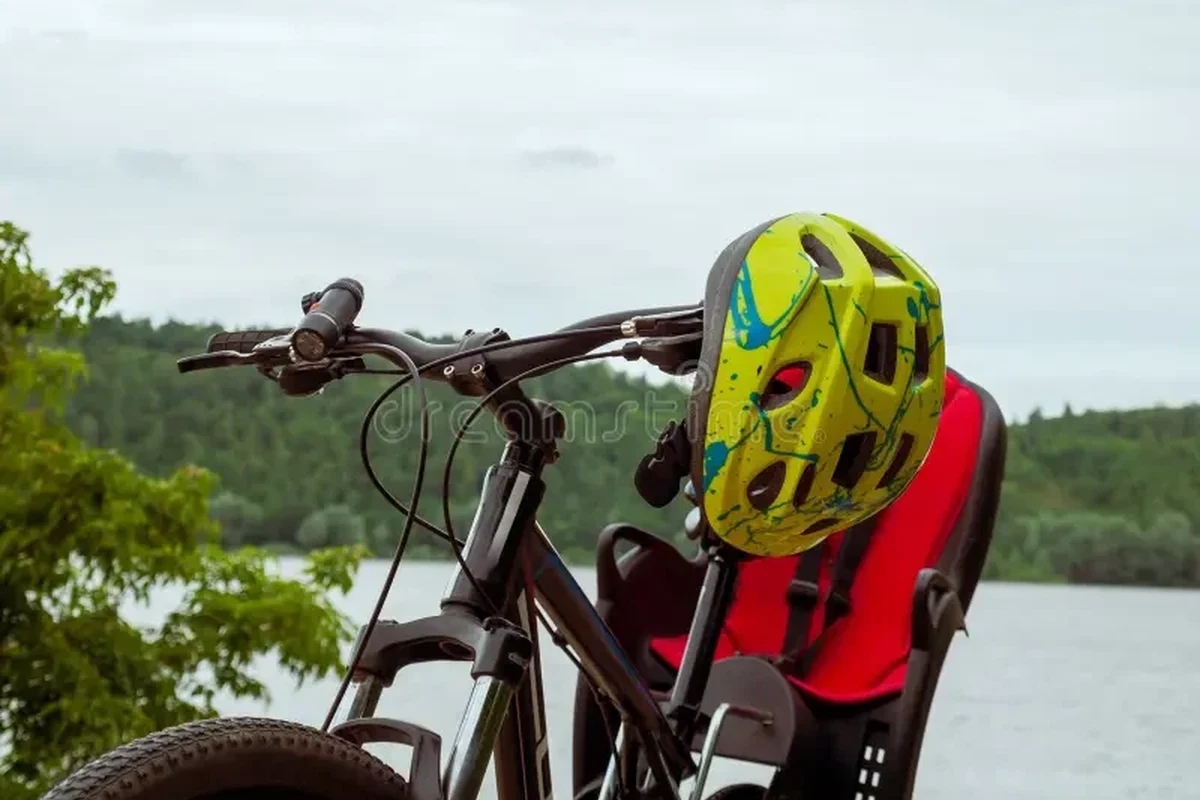
Start with the correct size, then verify the helmet meets the safety standard required in your region and matches your riding style. After that, look for a snug, even fit, stable straps, enough coverage for your use case, and comfort features you can live with on longer rides.
How Bike Helmets Work and What They Can Actually Protect You From
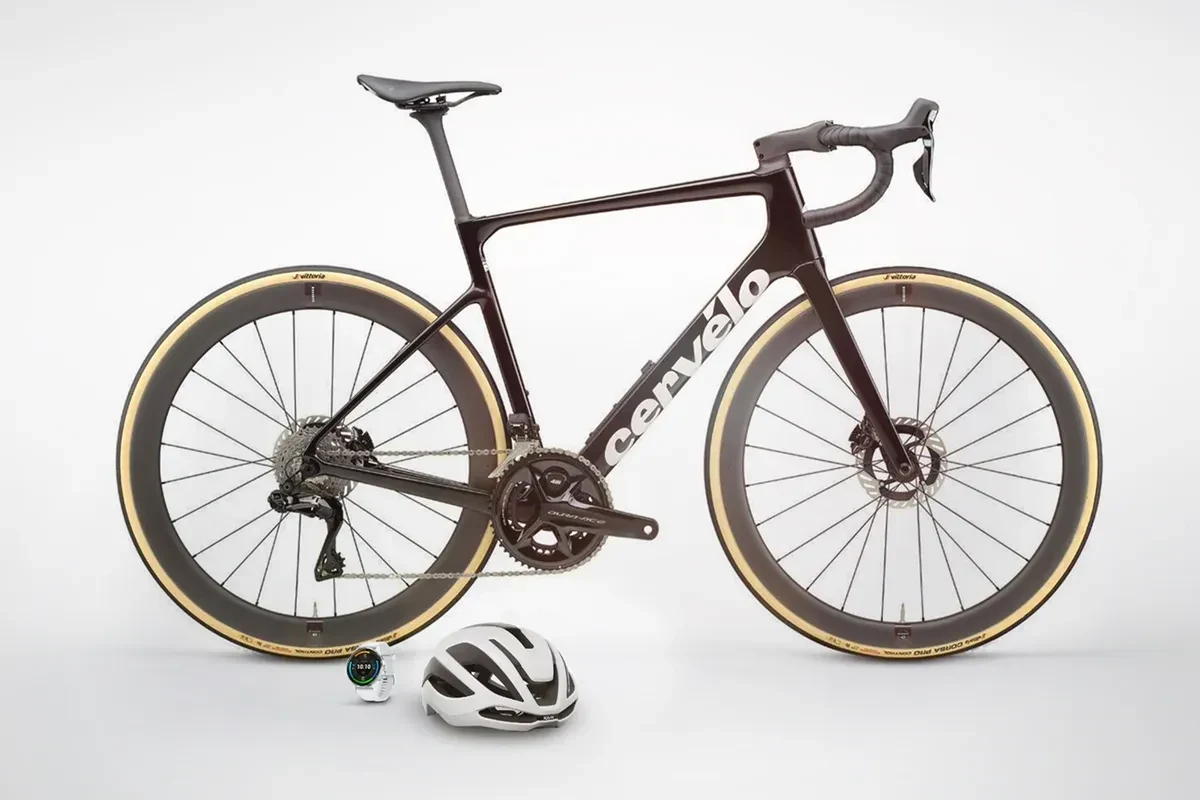
Bike helmets are designed to reduce impact forces to the head in certain crash scenarios. They are not magic shields, and they cannot prevent every injury, especially in high-speed collisions, multi-impact crashes, or situations involving the neck, face, or body.
Impact absorption, shell design, and coverage areas
Most modern helmets use an energy-absorbing foam liner inside a hard outer shell. In a crash, the liner compresses to help manage force, while the shell helps spread the impact and improve durability during normal handling.
Coverage matters too. Road helmets usually prioritize lighter weight and ventilation, while mountain and commuter helmets may extend lower around the back and sides of the head for more coverage. That extra coverage can be helpful, but it may also add weight or reduce airflow.
Some helmets add rotational-impact technologies, but those features are supplemental. They do not replace a proper fit or a recognized safety certification.
The limits of protection in real crashes
Helmets are tested under specific conditions, which means real crashes can look very different. A helmet that performs well in one type of impact may not address every angle, speed, or surface.
It is also important to avoid overconfidence. A helmet can reduce risk, but it cannot guarantee protection from concussion, facial injury, or severe trauma. Safe riding habits, visible clothing, good bike handling, and obeying traffic rules still matter.
Helmet Fit and Sizing: The Most Important Buying Factor
Fit is the first thing to get right because even a certified helmet can underperform if it sits too high, shifts around, or leaves gaps. A well-fitted helmet should feel snug without creating hot spots or pressure points.
Measuring your head correctly
Use a soft measuring tape and wrap it around the widest part of your head, usually just above the eyebrows and around the back of the skull. Compare that measurement with the brand’s size chart, since sizing varies by model and manufacturer.
If your measurement falls between sizes, check the manufacturer’s guidance first. Some riders do better with the smaller size plus fine adjustment, while others need the larger size for comfort.
Dial systems, straps, and pressure points
A rear dial or fit system can help fine-tune the helmet once the shell size is correct. The dial should stabilize the helmet without creating a squeeze point at the temples or forehead.
Straps should form a secure “V” around the ears and buckle under the chin without pinching. You should be able to open your mouth comfortably, but not loosen the helmet enough for it to slide. If you feel a pressure point after a few minutes, try another size or shape rather than hoping it will “break in.”
Fit checks for road, commuter, mountain, and kids’ helmets
Road helmets should sit level, not tilted back like a cap. Commuter helmets often need room for glasses, lights, or weather accessories, while mountain helmets may need to stay stable during rough terrain and head movement.
Kids’ helmets deserve extra attention because fast growth can make sizing tricky. Check that the helmet stays level, the straps are not twisted, and the rear adjuster does not interfere with ponytails or small head shapes. If a child refuses to wear a helmet because it feels uncomfortable, the fit likely needs to change.
Safety Standards and Certifications to Verify Before You Buy
Before buying, confirm the helmet meets the relevant safety standard for your country or riding use. Do not assume that a helmet is compliant just because it is sold as “protective” or “impact resistant.”
What to look for in CPSC, ASTM, MIPS, and other labels
In the United States, look for the Consumer Product Safety Commission, or CPSC, bicycle helmet standard. Some helmets may also reference ASTM standards, which can matter for certain riding disciplines or product categories.
MIPS is not a certification. It is a rotational-impact management system used by some helmets, and it may be one useful feature among several. Other brands offer similar technologies under different names. The important distinction is that these features can be helpful, but they do not replace required safety compliance.
Standards, labels, and approval marks can vary by region and helmet type. Always check the helmet label, product listing, and official manufacturer documentation before you buy.
When extra protection features are worth considering
Extra features make the most sense when they solve a real riding problem. For example, rotational-impact systems may appeal to riders who want added design features, while extended coverage may matter more for trail riders, cargo-bike users, or commuters in busy traffic.
Do not let a long feature list distract from fit and certification. If a helmet is uncomfortable, poorly sized, or not approved for your use, a premium feature set will not make it the right choice.
Choosing the Right Helmet Type for Your Riding Style
The best helmet type depends on where you ride, how fast you ride, and how much coverage or ventilation you want. A commuter, a road cyclist, and a trail rider often need different trade-offs.
Road, commuter, mountain, gravel, and e-bike use cases
Road helmets usually emphasize low weight and airflow. Commuter helmets often balance visibility, coverage, and everyday practicality. Mountain helmets may provide deeper coverage and better stability for rough terrain, while gravel helmets often sit somewhere between road and trail priorities.
E-bike riders should verify whether the helmet is appropriate for the bike’s speed and their local rules. Some regions and events have different requirements for faster e-bikes or specific classes of riding, so check the official regulations before buying.
| Helmet Type | Best For | Main Trade-Off |
|---|---|---|
| Road | Speed, long rides, hot weather | Less coverage than some trail or commuter options |
| Commuter | Daily riding, city traffic, visibility needs | May be heavier or warmer |
| Mountain | Trail riding, rough terrain, extra coverage | Often less airy than road helmets |
| Gravel | Mixed surfaces and versatile use | Usually a compromise, not the best at one extreme |
Ventilation, coverage, visor, and visibility trade-offs
More vents can help with airflow, but they may not be ideal for cold, wet, or dusty conditions. A visor can help with sun and debris on trail helmets, but some road riders prefer a cleaner, lighter profile without one.
Visibility features such as reflective accents or integrated light mounts can be useful for commuting, but they are not substitutes for front and rear bike lights where required. Choose the combination that matches your environment rather than the helmet with the most features.
Key Specifications That Affect Comfort, Performance, and Value
Once fit and safety are covered, compare the details that affect everyday comfort. Small differences in weight, ventilation, and adjustment range can determine whether a helmet feels great or becomes annoying after a short ride.
Weight, ventilation, retention system, and adjustability
Lighter helmets often feel easier to wear for longer periods, but weight should not be the only deciding factor. Ventilation can matter more in warm climates, while a more adjustable retention system can help riders with unusual head shapes find a better fit.
Look at how easy the rear dial, side straps, and buckle are to adjust with gloves or cold fingers. If a helmet is difficult to fine-tune, riders often leave it slightly wrong, which defeats the purpose of the adjustment system.
- Try the helmet on with the hairstyle, cap, or eyewear you usually ride with.
- Check whether the rear adjuster conflicts with ponytails or braids.
- Open and close the buckle several times before deciding on the fit.
- Make sure the helmet stays stable when you look up, down, and side to side.
Weather, storage, and compatibility with glasses, lights, and ponytails
Weather can change what matters most. In hot climates, ventilation and sweat management are more important, while in colder regions, a helmet that accepts a thin cap or winter liner may be more practical.
Storage also matters. A helmet that is easy to hang, pack, or place on a shelf may last longer because it is less likely to get crushed or dropped. If you wear glasses, test whether the helmet’s straps and shell leave enough room at the temples. For riders with long hair, check that the fit system works with ponytails or braids instead of fighting them.
Common Mistakes People Make When Buying or Wearing a Bike Helmet
Most helmet mistakes are simple and avoidable. The problem is that they often go unnoticed until the helmet is needed, which is exactly when you want everything to be correct.
Choosing by looks alone, ignoring fit, and reusing damaged helmets
A helmet can look sleek and still fit badly. If the shell is the wrong shape for your head, you may end up with pressure points, movement during rides, or a helmet that sits too high to protect effectively.
Reusing a helmet after a crash is another common mistake. Even if the damage is not obvious, the foam liner may be compromised. Follow the manufacturer’s guidance after any impact, and replace the helmet if the instructions say to do so.
Do not keep using a helmet with visible cracks, crushed foam, loose parts, or a damaged buckle or strap. When in doubt, stop using it and check the manufacturer’s replacement guidance.
How to avoid poor sizing, loose straps, and expired protection
Poor sizing usually happens when shoppers rely on generic labels instead of the brand’s own chart. Loose straps are another frequent issue; if the helmet shifts forward or backward easily, the straps or fit system need adjustment.
Some helmets also have a recommended service life or replacement timeline from the manufacturer. That timeline can vary by model, UV exposure, storage conditions, and crash history, so confirm the guidance for the exact helmet you own.
- Check the exact size chart for the model you want.
- Inspect straps, buckles, foam, and shell before each ride.
- Replace the helmet after a crash if the manufacturer recommends it.
- Buying a helmet just because it looks fast or stylish.
- Wearing it loose because it feels more comfortable at first.
- Ignoring damage, even if the helmet still “seems fine.”
Helmet Care, Inspection, Replacement, and Safe Use Over Time
A bike helmet lasts longer and works better when it is cared for correctly. Routine cleaning, careful storage, and honest inspection are part of safe ownership, not optional extras.
Cleaning, storage, and damage checks after rides or crashes
Use mild soap and water unless the manufacturer says otherwise. Harsh solvents, high heat, or rough scrubbing can damage foam, straps, or the shell finish.
Store the helmet in a cool, dry place away from direct sun, car dashboards, or other heat sources. After a ride, check for cracks, crushed areas, frayed straps, loose pads, or buckles that do not latch cleanly. If the helmet was involved in a crash, inspect it carefully and follow the official replacement guidance.
Stop using damaged gear and follow the manufacturer’s inspection or service guidance. If the helmet has taken an impact, do not assume the damage is only cosmetic.
When to replace a helmet and how to extend its usable life
Replace a helmet if the manufacturer says to do so after a crash, if the fit no longer works, or if the shell, liner, straps, or buckle are damaged. Replacement intervals can also depend on age, use, sun exposure, and storage conditions, so there is no single universal timeline that fits every model.
To extend usable life, avoid throwing the helmet into a car trunk, hanging heavy items on it, or leaving it in extreme heat. Treat it like safety equipment, because that is what it is.
If you remember only one thing, make it this: choose the helmet that fits your head correctly, meets the right safety standard, and suits the way you ride.
Frequently Asked Questions
A bike helmet should sit level on your head, feel snug, and stay stable when you move. The straps should form a secure V around the ears and buckle comfortably under the chin.
Look for the standard required in your region, such as CPSC in the United States. Some helmets also reference ASTM or add rotational-impact systems, but those features do not replace certification.
Replace it after a crash if the manufacturer recommends doing so, or sooner if you see cracks, crushed foam, damaged straps, or a broken buckle. Also check the brand’s guidance for age or service-life recommendations.
Not necessarily. Price often reflects weight, ventilation, comfort, and features, while real protection still depends on proper fit and the correct safety certification.
No, MIPS is not required, and it is not a certification. It is one optional rotational-impact management system that some riders may want, but fit and certification matter first.
Commuter helmets often prioritize coverage, visibility, and everyday practicality, while road helmets usually focus on low weight and ventilation. Choose the style that matches your weather, traffic, and storage needs.