Choose a lights e-bike helmet by prioritizing certification, fit, and comfort before comparing LED brightness or smart features. The best option adds visibility for commuting and low-light riding, but it should not replace proper bike lights or a well-fitted certified helmet.
If you ride after dark or in low light, a lights e-bike helmet can improve how visible you are and make daily riding feel more confident. The best one is not just the brightest model; it is the helmet that fits correctly, meets the right safety standard, and gives you useful visibility without adding too much weight or complexity.
- Fit first: A secure, level helmet matters more than extra LED features.
- Check standards: Verify the exact certification for your region and riding style.
- Visibility matters: Front, rear, and side light placement affects how well others notice you.
- Battery practicality: Choose a charging setup and runtime that fits your commute.
- Use it as part of a system: Helmet lights work best with bike-mounted lights and reflective gear.
How to Choose Lights E-Bike Helmet: The Fast Answer for Safer Night Riding
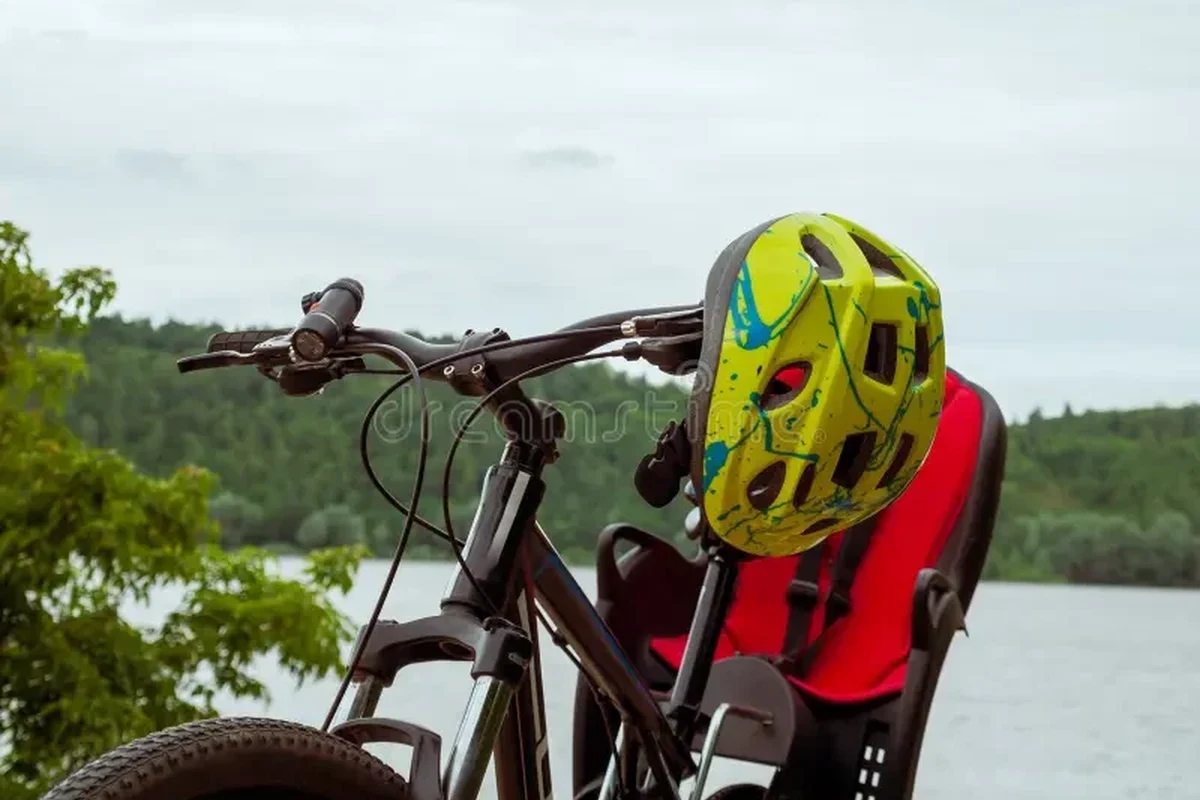
Start with safety certification and fit, then compare the light system. A good lights e-bike helmet should protect your head like a proper helmet first and add visibility as a secondary feature, not the other way around.
For most riders, the best choice is a helmet with clear front and rear visibility, easy charging, and enough comfort for daily use. If you already own a certified helmet and mainly want more visibility, separate bike lights may still be the better value.
What a Lights E-Bike Helmet Does and How It Works
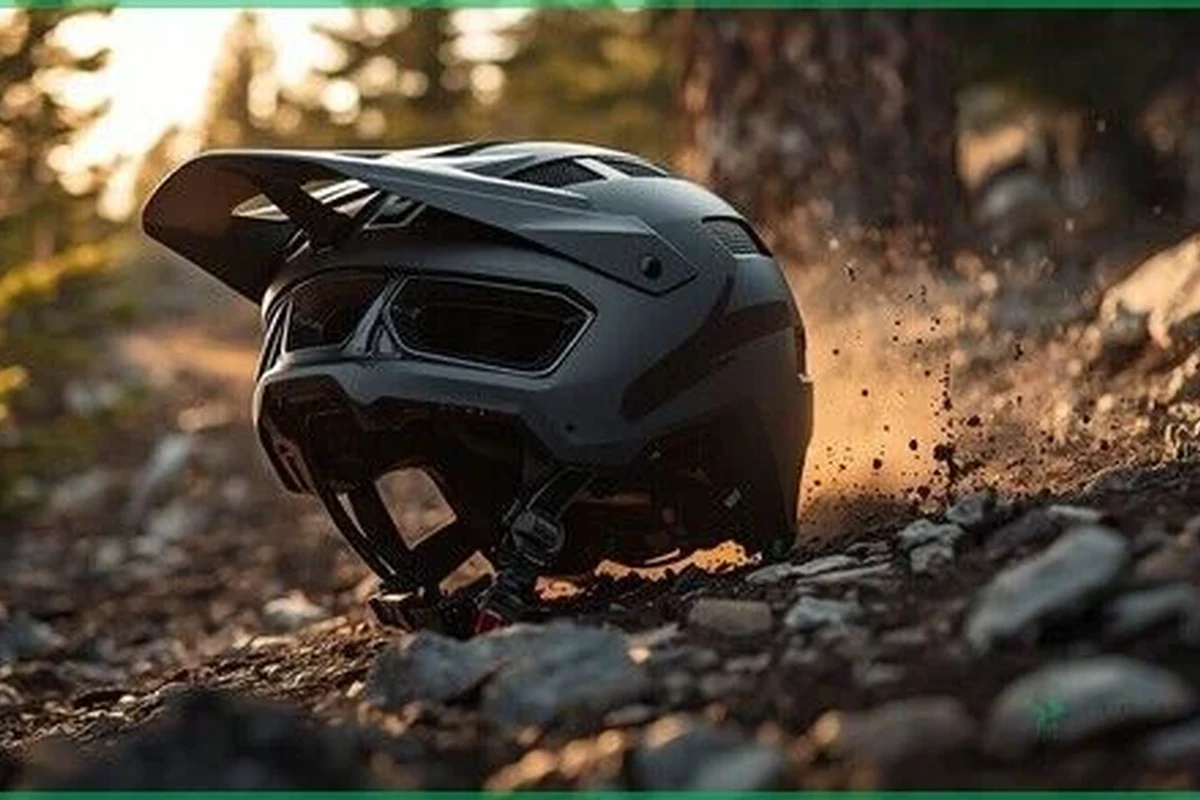
A lights e-bike helmet combines a standard protective shell with built-in LEDs or light modules. Those lights help other road users notice you earlier, especially in traffic, dusk, rain, and shaded routes where riders can blend into the background.
Integrated lights vs. clip-on lights: what changes in visibility
Integrated lights are built into the helmet, so the light source is always attached and often positioned to stay visible from multiple angles. Clip-on lights can be cheaper and easier to replace, but they may shift, get removed, or sit in less effective positions depending on the helmet shape.
Integrated systems can feel cleaner and more streamlined, while clip-on options offer flexibility if you want to upgrade one part at a time. The trade-off is that built-in systems are usually more dependent on battery life and the specific design of that helmet model.
How light placement affects being seen from the front, rear, and sides
Front-facing lights help oncoming traffic and pedestrians notice you sooner. Rear lights are often the most important for commuting because they help drivers approaching from behind identify your position and speed more quickly.
Side visibility matters too, especially at intersections, roundabouts, and lane changes. A helmet with side LEDs or reflective accents can help, but it should complement, not replace, handlebar lights, rear lights, and reflective clothing when conditions are dark.
Safety First: Standards, Fit, and Protection Limits to Verify
Before you compare brightness or style, verify the helmet’s safety standard, size range, and retention system. A helmet that looks advanced but does not fit securely is a poor choice for e-bike riding.
Which helmet safety certifications matter for e-bike riding in 2026
Look for the certification that matches your region and riding type rather than assuming all helmets are equivalent. Depending on where you live, that may include bicycle helmet standards or e-bike-specific standards that reflect higher-speed use.
Because laws and standards vary by country and state, check the manufacturer’s specification sheet and your local rules before buying. If a seller only advertises “multi-sport” or “impact resistant” without naming a recognized standard, treat that as a warning sign and verify carefully.
How to check fit, retention, and coverage before buying
The helmet should sit level on your head, not tipped back. The front edge should protect the forehead without blocking vision, and the retention system should hold the helmet steady when you shake your head gently.
Straps should form a secure V around the ears, and the chin strap should be snug enough that the helmet does not wobble, but not so tight that it becomes uncomfortable. Coverage is also important: deeper coverage can feel more secure, but it should not interfere with your field of view or comfort.
- Confirm the exact safety certification listed by the manufacturer
- Check sizing, retention adjustment, and head shape compatibility
- Review replacement parts, warranty terms, and return policy
- Make sure the light system does not compromise fit or stability
What a lights helmet can and cannot protect you from
Helmet lights help other people see you, but they do not prevent crashes by themselves. They also do not guarantee protection from every impact, especially high-speed collisions, severe falls, or being struck by larger vehicles.
Protective gear reduces risk, but it cannot eliminate it. If a helmet has been in a crash, shows cracks, has damaged straps, or no longer fits correctly, follow the manufacturer’s replacement guidance and stop using it.
Think of the light system as a visibility aid and the helmet shell as impact protection. You still need traffic awareness, route planning, and proper bike lighting for the front and rear of the bike.
Key Buying Criteria: Brightness, Battery, Comfort, and Visibility Features
The right helmet is the one that balances visibility with daily usability. A feature-rich model can be frustrating if it is heavy, hard to charge, or uncomfortable after a short ride.
LED brightness, beam modes, and daytime visibility
Manufacturers often describe brightness in different ways, so compare claims carefully and look for practical details such as steady mode, flash mode, and side visibility. Flashing patterns can improve attention in some situations, but they may be less comfortable for riders who prefer a calmer visual profile.
Daytime visibility matters for commuters because many riders are hit or overlooked in bright conditions too. A helmet that is visible in daylight is usually more useful than one that only looks bright at night from a close distance.
Battery life, charging method, and weather resistance
Battery life should match your commute or ride duration with a margin to spare. If you ride several days a week, charging convenience matters just as much as runtime, especially if the helmet uses a proprietary cable or charger.
Weather resistance is another key detail. Light rain resistance may be enough for some riders, but you should verify the manufacturer’s guidance for wet conditions, charging precautions, and storage so you do not damage the electronics.
Choose a model you can charge easily at home or work. If the charging process is annoying, the light system is less likely to stay part of your routine.
Ventilation, weight, and long-ride comfort
Extra electronics can add weight and reduce airflow, so comfort deserves real attention. A helmet that feels fine for five minutes may become distracting on a longer commute or a warm-weather ride.
Look for enough vents, a stable fit system, and padding that does not trap too much heat. If you ride in hot climates or climb hills often, ventilation may matter as much as the light system itself.
Reflective details, turn signals, and smart controls
Reflective accents are simple but valuable because they do not depend on battery power. Turn signals and remote controls can be helpful in traffic, but they should be intuitive enough to use without distracting you from the road.
Smart controls are only useful if they are reliable and easy to understand. If a helmet has app-based features, verify whether the core functions still work well without the app and whether the controls are practical with gloves.
Who a Lights E-Bike Helmet Fits Best
Not every rider needs a lights helmet. For some people, it is a smart convenience upgrade; for others, it is an unnecessary expense compared with separate lights and a standard certified helmet.
Commuters, city riders, and low-light riders
Daily commuters and city riders often benefit the most because they face traffic, intersections, and changing light conditions. Riders who leave early, return after dark, or travel through tunnels, tree cover, or rainy conditions also have a stronger case for built-in visibility.
Good if you want a simple visibility upgrade, but only after you confirm fit and certification.
Strong option for commuting if the charging routine and comfort match your schedule.
Useful if you value integrated visibility, though separate lights may offer more flexibility.
Casual riders vs. speed-focused e-bike users
Casual riders who mainly use lower-speed routes may appreciate the convenience and style of an integrated light helmet. Speed-focused e-bike users, especially those riding longer distances or in dense traffic, may want a helmet that prioritizes fit, ventilation, and recognized protection standards first.
The faster and busier your riding environment, the more important it is to treat the helmet light as one part of a full visibility setup. In those situations, bike-mounted lights and reflective gear matter a lot too.
When a standard helmet plus separate lights may be the better value
If you already own a certified helmet that fits well, adding separate front and rear bike lights may make more sense. That route can be cheaper, easier to replace, and more flexible if one light or battery fails.
It can also be the better choice if you want stronger beam placement on the bike rather than on your head. A standard helmet plus separate lights often wins for riders who care more about performance and repairability than all-in-one convenience.
How to Compare Models Without Getting Misled by Marketing
Marketing pages often focus on flashy visuals and broad claims. A better comparison looks at the details that affect safety, convenience, and long-term usefulness.
Real-world visibility claims vs. practical performance
Be cautious with claims like “seen from far away” or “ultra-bright.” Those phrases do not tell you how the helmet performs from different angles, in bright daylight, or in rain and traffic.
Instead, check whether the product explains light placement, modes, battery life, and whether the helmet still works as a normal certified helmet if the electronics are off. Practical performance is usually more important than marketing language.
Price, durability, replacement parts, and warranty value
Price alone does not tell you whether a helmet is worthwhile. A slightly more expensive model can be a better value if it has replaceable pads, a reliable charging system, and clear warranty support from the manufacturer.
Durability matters because electronics add another point of failure. Before buying, confirm whether the light module, battery, straps, padding, and charging port are supported by replacement parts or service options.
Common trade-offs: bulk, charging frequency, and style
Integrated lights can make a helmet bulkier or more noticeable, which some riders like and others dislike. More features may also mean more charging and more things to keep track of.
- Convenient all-in-one visibility
- Cleaner setup than multiple add-ons
- Can improve rear and side awareness
- More dependence on battery life
- Potentially heavier than a basic helmet
- May cost more than a standard helmet plus lights
If style matters to you, choose a design you will actually wear regularly. The best helmet is the one you keep using, not the one that looks best in a product photo.
Setup, Use, and Maintenance for Reliable Daily Performance
Even a well-chosen helmet can underperform if it is not set up correctly. A few minutes of careful adjustment and routine inspection can make the helmet more dependable day to day.
Initial setup: charging, adjusting straps, and light mode selection
Follow the manufacturer’s charging instructions and confirm the light indicators work as expected.
Set the retention system, then fine-tune the chin strap and side straps until the helmet stays stable.
Use the mode that gives you visibility without distracting you or draining the battery too quickly.
Safe riding habits that make helmet lights more effective
Helmet lights work best when they are part of a larger visibility strategy. Pair them with front and rear bike lights, reflective details, and predictable lane position so drivers can understand where you are.
- Use the helmet light as a visibility aid, not your only light source
- Keep the helmet clean so LEDs and reflectors remain visible
- Check the fit before every ride
- Relying on the helmet light alone in traffic
- Riding with loose straps or a tilted helmet
- Ignoring low battery warnings before a commute
Cleaning, storage, battery care, and inspection after impacts
Use mild cleaning methods and follow the manual so you do not damage the electronics or shell. Store the helmet in a dry place away from extreme heat, and avoid leaving it in a hot car for long periods if the manufacturer warns against it.
Inspect the shell, straps, buckles, padding, charging port, and light modules regularly. Stop using the helmet if you see cracks, broken components, or impact damage, and follow the manufacturer’s replacement guidance after any crash.
Common Mistakes to Avoid and Final Recommendation
The biggest mistakes are usually simple: buying the wrong size, trusting marketing over certification, and assuming brighter lights automatically mean better safety. A good helmet should fit well, meet the right standard, and stay practical enough that you will wear it consistently.
Buying the wrong size or skipping certification checks
A helmet that is too loose, too shallow, or not certified for your use case can be a false sense of security. Always confirm the size range, head shape compatibility, and certification before you focus on extras like turn signals or app features.
Overestimating light output or relying on lights alone
Built-in LEDs improve visibility, but they do not replace road awareness, bike-mounted lights, or safe riding habits. If the helmet’s lights are the only reason you want it, compare the total setup against a standard helmet plus separate lights before deciding.
When a lights e-bike helmet is worth it and when it is not
A lights e-bike helmet is worth considering if you commute often, ride in low light, want integrated visibility, and value convenience. It may not be the best buy if you already own a certified helmet that fits well, prefer maximum ventilation, or want the most flexible lighting setup.
Choose a lights e-bike helmet when you want added visibility without giving up proper helmet protection, but only after verifying certification, fit, and battery practicality. If you already have a good certified helmet, separate front and rear lights may be the smarter and more affordable choice.
Frequently Asked Questions
Start with certification and fit before comparing lights or style. A helmet should sit securely, match your riding region’s safety standard, and feel stable enough for daily use.
Integrated lights are cleaner and always attached, which can improve convenience and visibility. Clip-on lights can be more flexible and easier to replace, but they may be less stable or less optimally placed.
No, helmet lights should be treated as a visibility aid, not your only light source. A front bike light and rear bike light are still important for being seen on the road.
It should sit level, feel snug without pressure points, and stay steady when you move your head. The straps should form a secure V around the ears and the chin strap should be comfortable but firm.
Check the exact certification listed by the manufacturer and confirm it matches your region and e-bike use. If the seller does not name a recognized standard, verify the claim before purchasing.
Stop using it after a crash, if the shell or straps are damaged, or if the fit no longer feels secure. Also stop using it if the electronics are damaged in a way that affects safe use or the manufacturer advises replacement.