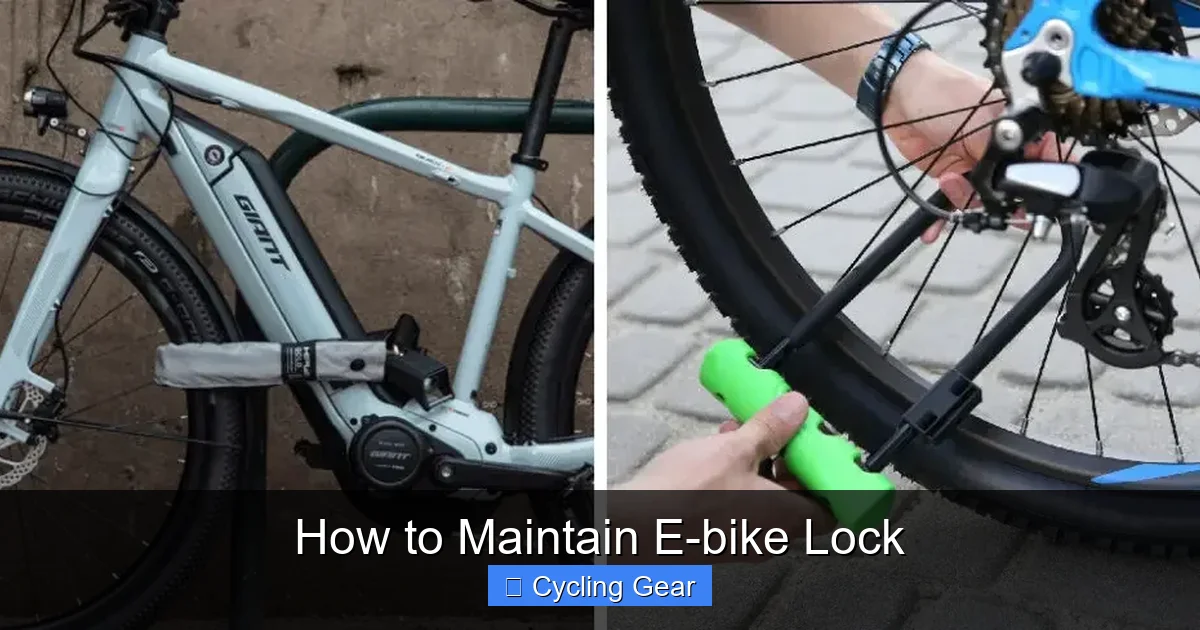
Clean the lock regularly, use a small amount of lock-safe lubricant, and inspect the mount, keys, and moving parts for wear. If the lock sticks, corrodes, or stops securing properly, follow the product manual or ask a qualified professional.
If you ride an e-bike, your lock works harder than most people realize. Learning how to maintain e-bike lock hardware can help it last longer, stay easier to use, and keep protecting a bike that is often more expensive than a standard bicycle.
Good maintenance does not need special tools or a long routine. A little cleaning, light lubrication, and regular inspection can prevent sticky keys, rust, loose mounts, and other problems that make a lock frustrating or unsafe to use.
- Clean often: Wipe off dirt, salt, and moisture after wet rides.
- Lube lightly: Use only a small amount of lock-safe lubricant.
- Inspect mounts: Check brackets, bolts, hinges, and shackles regularly.
- Know when to replace: Bent, cracked, or jammed locks may be unsafe.
How to Maintain an E-bike Lock: What Riders Need to Know in 2026
E-bike locks face a mix of heavy use, weather exposure, and security pressure. Because e-bikes are valuable and often parked in public places, riders tend to lock and unlock them more often, which increases wear on the mechanism.
The basic goal is simple: keep dirt out, keep moving parts working smoothly, and catch damage early. For the best results, follow the product manual or ask a qualified professional if your lock has special coatings, an electronic module, or a manufacturer-specific care routine.
Why E-bike Locks Need More Care Than Standard Bike Locks
Many riders assume a lock is a “set it and forget it” item, but e-bike locks often deal with more stress than a basic commuter lock. They may be used more often, exposed to more road grime, and mounted in places where vibration and battery access create extra wear.
Higher value, higher theft risk, and more frequent use
E-bikes attract more attention from thieves, so riders often choose heavier-duty locks and use them more consistently. That means more key turns, more shackle movement, and more chances for dust or moisture to work into the cylinder.
Frequent use matters because even a strong lock can start feeling rough if it is ignored. If the key begins to catch or the shackle does not move freely, it is usually a sign that maintenance is due rather than a reason to force it.
How weather, road grime, and battery-area mounting affect lock wear
Rain, winter salt, puddle splash, and fine dust can all collect on the lock body and inside the keyway. On e-bikes, mounts near the frame, rear rack, or battery area may also collect grime from the drivetrain or be exposed to heat and vibration.
That extra exposure can wear down brackets, loosen bolts, and leave the lock harder to remove when you need it. If your setup sits close to the battery or a charging port, check the manual so cleaning does not interfere with electrical parts.
Step-by-Step E-bike Lock Maintenance Routine
A simple routine once every few weeks is enough for many riders, with extra checks after heavy rain, winter riding, or muddy commutes. The key is to clean gently, use the right lubricant, and inspect the mount before small issues become bigger ones.
Wipe the outside with a soft cloth to remove dust and road film. If needed, use a lightly damp cloth with mild soap on the outer housing, then dry everything fully before locking it away. Avoid soaking the keyway or spraying cleaner deep into the mechanism unless the manufacturer says it is safe.
Use only a small amount of lock-safe lubricant, especially in the keyway and moving joints. Too much product can trap grit and make the lock gummy over time. If you are unsure which product to use, check the product manual, brand guidance, or a qualified professional.
Inspect the carrier bracket, frame mount, or storage clip every few rides. Vibration can loosen bolts or wear down plastic parts, especially on rough roads. Tighten hardware only to the level recommended by the manual so you do not strip threads or crack the mount.
Check keys for bends, chips, or heavy wear, because a damaged key can stress the cylinder. If your lock includes an alarm, sensor, or smart feature, confirm that the battery is healthy and the app or pairing still works. Replace weak batteries promptly and follow the brand’s guidance for resets or updates.
Keep a small microfiber cloth and a lock-safe lubricant in your bike bag so you can do quick maintenance after wet rides or dusty commutes.
Best Maintenance Practices by Lock Type
Not every lock needs the same care. The right routine depends on the design, the materials used, and whether the lock includes electronics or fabric coverings. Always check the product manual because some finishes and mechanisms have special care limits.
U-lock maintenance: keeping the shackle smooth and rust-free
U-locks usually need the most attention at the shackle and cylinder. Wipe the shackle clean, dry it after wet rides, and look for scratches or rust spots where the protective finish has worn away.
If the shackle starts sticking, do not force it. A small amount of lock lubricant and a careful inspection of the alignment can help, but a bent or damaged shackle should be checked by the manufacturer or a qualified professional.
Chain lock maintenance: protecting links and fabric sleeves
Chain locks can collect dirt between links, especially if they are used near wet roads or stored on the bike frame. Clean the chain exterior and inspect the fabric sleeve for tears, because a damaged cover can let moisture and grit reach the metal.
If the chain feels stiff, move it gently and wipe away buildup before adding any lubricant. Too much oil can stain clothing and attract more grime, so use the smallest amount that restores smooth movement.
Folding lock maintenance: hinge care and joint inspection
Folding locks depend on multiple joints, so hinge care matters more than on a simple solid-body lock. Check each joint for smooth movement, unusual looseness, or clicking that was not there before.
Keep the joints clean and dry, and use only a product approved for the lock’s moving parts. If a hinge becomes wobbly or difficult to fold, stop using it until you can confirm whether it is safe to continue.
Smart lock or alarm lock maintenance: battery, app, and sensor checks
Smart locks and alarm locks add convenience, but they also add maintenance points. Check batteries regularly, keep charging contacts clean if the model uses them, and make sure the app still connects properly.
Sensor-based features can become unreliable if the lock is damaged, wet, or mounted loosely. If alerts are delayed or the lock behaves unpredictably, review the manual or contact support before relying on it for daily security.
Some lock cleaners and lubricants are not safe for coated finishes, plastic housings, or electronic parts. When in doubt, use the brand’s recommended products or ask a qualified professional.
Common Mistakes That Shorten an E-bike Lock’s Lifespan
Most lock problems start with small habits that seem harmless at first. Avoiding a few common mistakes can extend the life of the lock and reduce the chance of being stranded with a jammed key or broken mount.
Using the wrong lubricant or too much lubricant
Heavy grease or general-purpose sprays can attract dust and leave a sticky film inside the mechanism. That buildup may make the lock harder to turn over time, especially in dry or gritty riding conditions.
Use a lock-safe product in small amounts, and wipe away any excess. If the manufacturer recommends a specific lubricant, follow that guidance rather than guessing.
Leaving the lock exposed to rain, salt, or mud
Constant exposure to moisture speeds up corrosion, especially on steel parts, hinges, and exposed key slots. Salt from winter roads is especially harsh because it can keep eating at metal even after the ride is over.
Whenever possible, store the lock in a dry place and wipe it down after bad weather. If you ride year-round, build drying and inspection into your weekly routine.
Forcing a sticky key instead of fixing the cause
If a key does not turn smoothly, forcing it can bend the key or damage the cylinder. The real problem is often dirt, moisture, or a worn key rather than a “stubborn” lock.
Clean the key, inspect the slot, and test a spare key if you have one. If the problem remains, stop forcing it and get help before the lock fails completely.
Ignoring cracked housings, bent shackles, or worn mounts
Physical damage is not just cosmetic. A cracked housing can let in moisture, a bent shackle can reduce secure locking, and a loose mount can make the lock inconvenient enough that riders stop using it properly.
Any visible structural damage should be treated seriously. For security gear, a small failure can become a big one at the worst possible time.
Cost Comparison: Maintain the Lock or Replace It?
Basic maintenance is usually much cheaper than replacement, but there is a point where repair no longer makes sense. The decision depends on the lock’s age, build quality, damage level, and whether replacement parts are available.
Low-cost maintenance supplies versus full lock replacement
Most maintenance supplies are simple: a cloth, mild cleaner, and a lock-approved lubricant. Those items are inexpensive compared with buying a new premium lock, especially if your current lock is still structurally sound.
Replacement becomes more appealing when the mechanism is worn out or the mount keeps failing. In that case, repeated repairs can cost more time and money than starting fresh.
When repairs are no longer worth it for premium e-bike locks
Premium locks sometimes have replaceable parts, but not every model does. If the cylinder, electronics, or internal joints are sealed or proprietary, repair options may be limited.
Check the product manual, brand guidance, or a qualified professional before investing in parts. If support is poor or parts are unavailable, replacement may be the more practical choice.
Signs that replacement is safer than continued use
Replace the lock if it no longer closes reliably, the key jams repeatedly, or the shackle shows serious damage. Also consider replacement if the mount cannot hold the lock securely during normal riding.
Security gear should inspire confidence. If you hesitate every time you lock your bike, that is often a sign the lock is past its best days.
When to Get Expert Help or Stop Using the Lock
Some problems are simple maintenance issues. Others point to internal damage that should be handled by a locksmith, bike shop, or the manufacturer’s support team.
Warning signs of internal damage, corrosion, or jammed cylinders
If the key turns only partway, the lock feels gritty after cleaning, or rust seems to be forming inside the cylinder, the problem may be deeper than surface dirt. Repeated sticking, unusual grinding, or loose internal parts are all warning signs.
Do not keep forcing the lock if it resists normal operation. That can turn a repairable issue into a complete failure.
When a locksmith, bike shop, or manufacturer support is the better option
A locksmith may help with cylinder problems, while a bike shop can often advise on mounting hardware and e-bike compatibility. Manufacturer support is especially useful for smart locks, alarm locks, or models with special parts.
If the lock is still under warranty, contact the brand before opening it or using aggressive cleaners. That can help protect your coverage and avoid making the problem worse.
Stop using the lock if it no longer secures properly, if the shackle is bent, or if electronic features fail in a way that affects security. A weak lock is not just inconvenient; it can leave your e-bike exposed.
Final Recap: A Simple Maintenance Plan for Long-Lasting E-bike Security
The best way to maintain an e-bike lock is to keep it clean, lightly lubricated, and regularly inspected. Small habits done consistently matter more than occasional deep cleaning after a problem appears.
Quick seasonal checklist for commuters and daily riders
- Wipe down the lock after wet, muddy, or salty rides.
- Use a small amount of lock-safe lubricant when movement feels rough.
- Inspect the mount, bolts, and brackets for looseness.
- Check keys, hinges, shackles, and electronic features for wear.
- Store the lock dry and covered when possible.
How consistent care improves reliability, convenience, and theft protection
A well-maintained lock is easier to open, easier to mount, and less likely to fail when you need it most. That convenience matters for commuters, because a smooth routine makes it more likely you will use the lock every time.
Just as important, regular care helps keep the lock dependable enough to do its main job: protecting your e-bike. If you are unsure about a problem, check the product manual, brand guidance, or a qualified professional before the issue gets worse.
Frequently Asked Questions
How often should I maintain my e-bike lock?
A quick wipe-down and inspection every few weeks is enough for many riders. Do extra maintenance after rain, winter salt, mud, or heavy daily use.
What lubricant should I use on an e-bike lock?
Use only a lock-safe lubricant recommended by the manufacturer when possible. Avoid heavy grease or too much spray, since that can attract dirt and make the lock sticky.
Can I wash an e-bike lock with water?
You can usually wipe the outside with a damp cloth and mild soap, then dry it fully. Avoid soaking the keyway or electronics unless the product manual says it is safe.
Why is my e-bike lock key hard to turn?
The cause is often dirt, moisture, a worn key, or early corrosion. Clean the key and lock first, and stop forcing it if the problem continues.
Should I repair or replace a damaged e-bike lock?
If the damage is minor, maintenance or a part replacement may be enough. Replace the lock if the shackle is bent, the cylinder keeps jamming, or the lock no longer secures properly.
When should I ask a professional for help?
Ask a locksmith, bike shop, or manufacturer support if the lock has internal damage, corrosion, smart features, or a jammed cylinder. If you are unsure, check the product manual or ask a qualified professional.
